Lawmakers Sound Alarm Over Youth Joblessness in West Africa

…push for strategic investment framework as unemployment deepen

ADVERTISEMENT
Zoom Ad
ADVERTISEMENT
Zoom Ad

By Gloria Ikibah

The Parliament of the Economic Community of West African States (ECOWAS) has raised concerns over what they describe as a growing employment crisis, as the region grapples with soaring jobless rates, especially among young people.

Advertisement

At the opening of the Joint Committee on Administration, Finance and Budget, Public Accounts, Macroeconomic Policy & Economic Research, Industry and Private Sector held on Monday, June 16, 2025, in Monrovia, Liberia, delegates of the ECOWAS Parliament called for coordinated and immediate policy responses to reverse the trend. 

The Speaker of Parliament, Rt. Hon. Memounatou Ibrahima, represented by Fourth Deputy Speaker Billa Tunkara, cautioned that while economic indicators in some member states show growth, the lack of jobs remains a serious vulnerability.

Tunkara referenced data suggesting that unemployment levels across the bloc average around 15%, with some countries recording youth unemployment rates as high as 30%. He warned that without decisive steps to stimulate investment and improve job creation, the region risks further instability and stalled integration efforts.

“We cannot afford to allow this issue to fester. It touches directly on the future of our communities and the cohesion of the region”, he said
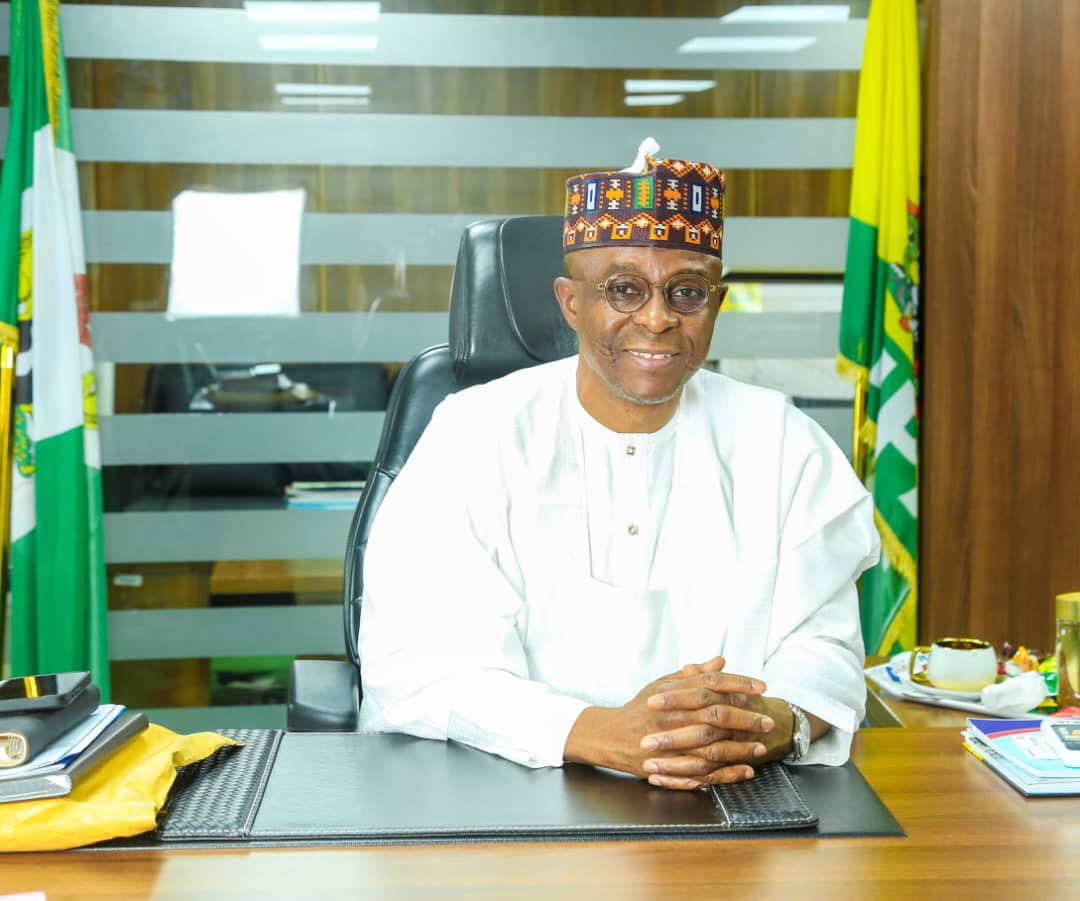

The ECOWAS Parliament’s meeting is centred on “Assessing the Effectiveness of the ECOWAS Investment Policy (EIP) as a Panacea for Addressing the Rising Levels of Unemployment.” 
 
The EIP was adopted with key pillars including fostering a conducive investment climate, promoting regional market integration, enhancing investment in high-employment sectors like agriculture and manufacturing, supporting Small and Medium Enterprises (SMEs), and leveraging Public-Private Partnerships (PPPs).
 
While there has been “encouraging progress” in investment flows, including Foreign Direct Investment (FDI), and some policy reforms across member states, the impact on overall employment levels remains “relatively modest.”
 
The Speaker pointed to several critical challenges impeding the full realisation of investment potential:
 
Limited Institutional Capacity: Many member states lack the robust institutional frameworks needed for effective policy implementation.
Inadequate Infrastructure: Poor infrastructure remains a significant barrier, slowing economic diversification and efficient investment.
 
Limited Access to Finance: SMEs, crucial engines of job creation, often struggle to access affordable finance, limiting their growth and ability to scale.
 
Mismatch of Investment: Investments have not consistently targeted high-employment sectors, leading to a disconnect between capital inflows and actual job creation.
 
Uneven Distribution: Investments are often unevenly distributed across the sub-region, exacerbating disparities in development and job opportunities.
Quality of Jobs: Even where jobs are created, they often fall short of standards for “decent work,” highlighting a need for more targeted strategies.
Path Forward: Strategic Enhancements for Job Creation.
 
To transform the ECOWAS Investment Policy into a truly effective instrument against unemployment, the Parliament is calling for significant strategic enhancements:
 
Targeted Investment: Prioritise aligning investment flows with employment-intensive sectors such as agriculture, agro-processing, light manufacturing, and services, placing job creation at the core of all investment strategies.
 
Stronger Institutions: Strengthen the institutional capacity of both national and regional bodies to effectively monitor, implement, and enforce investment policies, creating a more predictable environment for investors.
 
Access to Finance for SMEs: Facilitate access to finance through regional funds, credit guarantee schemes, and specific incentives for SMEs and entrepreneurs, recognising their pivotal role in innovation and employment.
 
Infrastructure Development: Continue investing in critical infrastructure and connectivity to reduce operational costs, improve logistics, and enhance market access, making the region more appealing to investors.
 
Skills Development: Place greater emphasis on skills development and entrepreneurship, aligning education and vocational training with market needs and empowering youth and marginalised groups.
 
Deepened Regional Cooperation: Harmonise regulations and eliminate redundancies to foster a more integrated investment space, thereby facilitating cross-border investments and maximising the region’s collective potential.
 
Private Sector Engagement: Foster an environment that allows entrepreneurs to thrive, leveraging public-private partnerships and involving civil society and international organisations to mobilise resources and expertise.
 
The Speaker therefore all participants to engage openly and constructively, viewing the meeting as “not merely as an advocacy exercise but as a strategic platform to recommit ourselves to transforming policies into tangible realities, creating jobs, empowering youth, and fostering resilient economies across our beloved sub-region.”
Add a Comment

Leave a Reply

Keep Up to Date with the Most Important News

By pressing the Subscribe button, you confirm that you have read and are agreeing to our Privacy Policy and Terms of Use
Advertisement