The House of Representatives has launched an inquiry into the extensive funds spent on Turn Around Maintenance (TAM) for Nigeria’s key refineries and why the effort has failed to deliver expected results, culminating in talks of possible sale or privatization of the facilities.


The House Committee on Petroleum Resources (Downstream) announced that it would also examine the hurdles faced by local and modular refineries in accessing crude oil. Lawmakers expressed concern that indigenous refiners are forced to travel abroad—often to Switzerland—to negotiate the purchase of crude that should be obtainable within Nigeria.
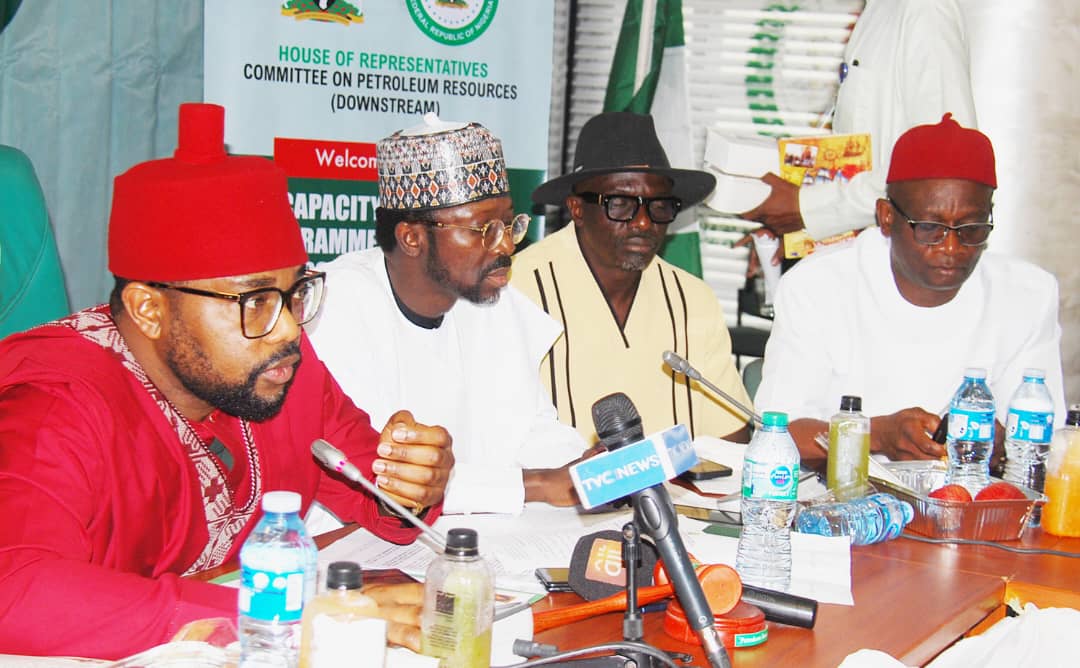
Addressing journalists in Abuja on Wednesday, Committee Chairman, Hon. Ikenga Ugochinyere, described the situation as unacceptable. He noted that the much-publicized return of the Port Harcourt and Warri refineries to operational status was short-lived, as both plants have again been shut down. 
Ugochinyere said the House intends to determine why the turnaround program failed, especially given that it was executed by a globally recognized company. He stressed that a decision on whether to sell or privatize the refineries would only be taken after the findings of the investigation are made public.
The committee, according to him, has received multiple petitions concerning challenges in the downstream petroleum sector. He assured that lawmakers are committed to finding a lasting solution, particularly on matters affecting the crude supply chain for modular and other local refineries.
He further revealed that the committee had decided to dismiss a petition seeking the dissolution of the NMDPRA, noting that the PIA grants the President the authority to make such appointments. He stressed that “we cannot return to the old practice where every administration arbitrarily sacks officials.”
He emphasized that the committee has no intention of shielding anyone from accountability. “If anyone is found guilty of corrupt practices, due process must take its course,” he added.
Additionally, the committee will investigate the inclusion of artisanal refiners in the petroleum refining value chain, following complaints that excluding them could undermine their expertise and livelihood.
Another probe will focus on the alleged abandonment of the Biomas Ethane Project, as well as disputes surrounding the continued importation of fuel and measures to protect local refiners—issues for which the committee intends to propose legislative remedies.
He also disclosed plans for the House to host the first edition of the annual Downstream Petroleum Week, scheduled to commence on October 2, 2025.
Assuring stakeholders, he said the House would not allow monopolistic practices in the oil industry. He stated that all sub-committees would expedite investigations into pending matters referred to the Committee and address emerging issues that threaten the stability and growth of the downstream sector, with the aim of making it more robust and sustainable.