By Gloria Ikibah


The House of Representatives has taken steps to curb the use of dangerous pesticides in Nigeria’s agricultural sector, as part of efforts to protect crops, farmers, consumers and the environment.
The House directed the Federal Ministries of Agriculture and Food Security, Health and Social Development, and Environment, as well as relevant Non-Governmental Organisations, to immediately conduct a nationwide review and inventory of Highly Hazardous Pesticides (HHPs) currently in circulation. 
Lawmakers also called on the National Agency for Food and Drug Administration and Control (NAFDAC) to strengthen regulation, monitoring and enforcement on the importation, distribution and use of pesticides. They urged the agency to pay particular attention to HHPs and ensure that the list of banned products is regularly updated.
In addition, the House mandated the Agricultural Research Council of Nigeria to develop integrated pest management strategies and incentive-driven support for safer alternatives such as organic biopesticides and agroecology, which are already being adopted by many local farmers.
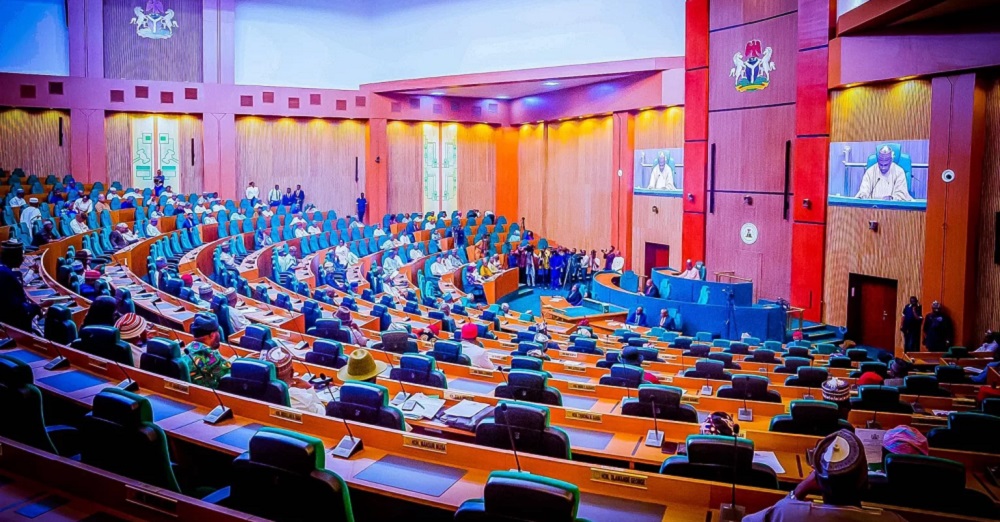
This resolution was sequel to the adoption of a motion on “Stoppage and Mitigation of Risks Associated with the Use of Hazardous Pesticides Across Nigeria”, by Rep. Clement Jimbo on Wednesday at plenary.
In his lead debate, Rep. Jimbo noted that pesticides are used in agriculture to protect crops from pests and diseases, thereby ensuring food security. However, the growing circulation of Highly Hazardous Pesticides (HHPs) in the country poses grave risks to human health, food safety, environmental sustainability, and biodiversity.
According to him, the National Agency for Food and Drug Administration and Control (NAFDAC) and other regulatory bodies classify Highly Hazardous Pesticides as high levels of acute or chronic hazards to health or the environment, even when used as instructed. Over 50% of NAFDAC-registered pesticides are classified as HHPs, and close to 60% of them are already banned in other countries.
“Concerned that 70% of suicides in Nigeria involve the ingestion of Highly Hazardous Pesticides HHPs, such as Diclorvous (DDVP) in Sniper. The indiscriminate importation, sale, and use of these hazardous chemicals expose farmers, consumers, water sources, pollinators, and the entire ecosystem to dangerous contamination, resulting in huge economic losses for Nigerian food exporters due to rejection at the ports of destination during inspection.
“Also concerned that reports indicate rising cases of pesticide poisoning, soil degradation, and food residue contamination due to unregulated use of Highly Hazardous Pesticides in Nigeria. Research shows that seven out of thirteen common pesticide active ingredients in Nigeria are cancerous. In 2020 over 270 persons died in Oyo Obi Community of Benue State as a result of Endosulphan in the community river”, the motion read.
He expressed worries that the continued inaction could undermine food security, endanger public health, violate international obligations, and increase long-term medical and ecological costs to the nation.
“Cognisant that there are organic and agro-ecological alternatives in Nigeria that are sustainable and economically viable”, he stated.
The House unanimously adopted the motion through a voice vote and mandate the Committees on Agricultural Production and Services and Environment to liaise with relevant agencies and stakeholders to develop a framework for the gradual phase-out and eventual ban of Highly Hazardous Pesticides and report within four (4) weeks for further legislative action.