Connect with us

News

FG audits civil service workforce

Published

on

ADVERTISEMENT
Zoom Ad
ADVERTISEMENT
Zoom Ad

The Federal Government, through the Office of the Head of the Civil Service of the Federation, has commenced the 2025 Personnel Audit and Skills Gap Analysis, known as the PASGA Project.


The initiative is aimed at creating a comprehensive workforce profile that will inform future decisions on recruitment, training, deployment, and career progression within the civil service.

By identifying existing and emerging skills gaps in critical sectors such as ICT, project management, public finance, and data analysis, PASGA is expected to strengthen training programmes and ensure targeted capacity development across Ministries, Departments, and Agencies.

The project also seeks to enhance Human Resource Management systems through digitalisation via the Human Resource Management Information System, while improving efficiency and cutting costs by closing financial leakages, eliminating redundancies, and enabling strategic redeployment of resources.

Advertisement

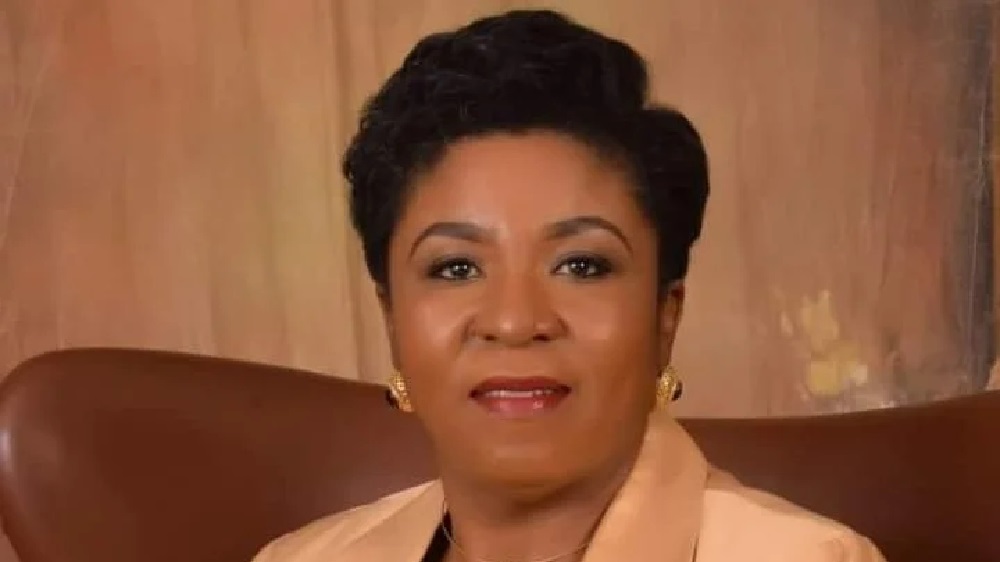
Implementation of the initiative is being coordinated by a Steering Committee chaired by the Head of the Civil Service of the Federation, Dr. Didi Walson-Jack, and a Project Implementation Committee chaired by the Permanent Secretary, Common Services Office, Dr. Danjuma Kalba.

Speaking at the sensitisation programme for the project on Thursday, Walson-Jack said the initiative marked a major milestone in the ongoing implementation of the Federal Civil Service Strategy and Implementation Plan, which is anchored on innovation, talent optimisation, and institutional excellence.

According to her, accurate and reliable data remain the backbone of effective planning and decision-making. Over the years, she noted, the service had struggled with fragmented and outdated personnel records, resulting in inefficiencies and misalignments.

“Through PASGA, we are setting a new standard—one that is transparent, data-based, and performance-oriented. This reform will deliver accurate personnel records, identify existing skills gaps, and support targeted training and redeployment aligned with the evolving needs of government,” she said.

Advertisement

Walson-Jack commended the Permanent Secretary, Common Services Office, and members of the Project Implementation Committee for their coordination and preparatory work, describing their efforts as exemplary of the teamwork and shared vision driving the ongoing transformation of the civil service.

She also urged the OHCSF Cluster Consultant, Knewrow Consulting, to execute the assignment with professionalism, integrity, and technical precision, assuring them of full management support throughout the implementation process.

The Head of Service further called on Permanent Secretaries, Directors, union leaders, and staff across MDAs to demonstrate full ownership and cooperation, stressing that PASGA is not merely an audit exercise but a reform tool that will shape the future of Nigeria’s workforce.

“This exercise is a bold statement of our readiness to build a civil service that is data-driven, merit-based, and future-ready. Together, we can make the Nigerian civil service a model of efficiency, accountability, and innovation in public administration,” she added.

Advertisement
Continue Reading
Advertisement

News

No technical meeting expected with US in coming days – Iran

Published

on

ADVERTISEMENT
Zoom Ad
ADVERTISEMENT
Zoom Ad

By Francesca Hangeior

Iran’s foreign ministry on Monday denied reports that Iranian and American technical teams will meet in the coming days to discuss the implementation of the deal to end the Middle East war.

Both sides have traded fire in the Gulf in recent days, testing their fragile ceasefire.

“No technical meetings of the working groups are planned for this week,” Deputy Foreign Minister Kazem Gharibabadi said, quoted by state TV, referring to the Iranian week ending on Friday.

Advertisement

Citing US officials, American news site Axios reported on Sunday that Tehran and Washington would hold a meeting in Qatar on Tuesday to resolve their dispute over the strategic Strait of Hormuz.

CNN reported similar comments from a Trump administration official, though the White House has not issued an official statement.

Qatar, alongside Pakistan, has acted as a mediator in talks between Iran and the United States aimed at ending the war in the Middle East.

The most recent discussions between Tehran and Washington took place in Switzerland on June 21 with the attendance of delegations from all four countries.

Advertisement

Qatar — located across the Gulf from Iran — is playing a key role in the financial aspects of the negotiations.

Iran holds assets there that have been frozen due to US sanctions.

Iranian President Masoud Pezeshkian stated on Monday that the necessary steps to unfreeze these funds were “underway”.

“In accordance with established plans, $6 billion out of the total $12 billion held in Qatar will be released and returned to the country,” he said, quoted by the presidency.

Advertisement
Continue Reading

News

FG to launch Digital System to track every Nigerian school learner

Published

on

ADVERTISEMENT
Zoom Ad
ADVERTISEMENT
Zoom Ad

By Francesca Hangeior

The Federal Government has announced plans to launch a national digital platform designed to address longstanding challenges associated with fragmented education data, marking a significant step towards improving planning, policymaking and service delivery across Nigeria’s education sector.

The platform, known as the Digital National Education Management Information System (DNEMIS), will be officially unveiled on Wednesday alongside the launch of the Public DNEMIS Portal and the inauguration of DNEMIS State Implementation Teams.

Speaking at a pre-launch media briefing in Abuja on Monday, the National Project Coordinator of the Special Programmes Operations and Implementation Unit in the Office of the Minister of Education, Mr Adebayo Onigbanjo, said the initiative was developed to address years of weak and inconsistent education data that have hindered effective governance of the sector.

Advertisement

“For many years, education planning and administration relied on fragmented systems, inconsistent reporting structures, and limited access to reliable and timely data. These challenges constrained effective planning, weakened accountability and limited the sector’s ability to respond to emerging realities,” he said.

According to Onigbanjo, the Federal Ministry of Education developed the Nigeria Education Data Infrastructure (NEDI) as a national framework to coordinate, standardise and strengthen education data management across all levels.

“At the centre of this transformation is DNEMIS, a flagship component of NEDI and a major milestone in Nigeria’s journey towards a modern, integrated and digitally enabled education management system,” he said.

He explained that the platform would provide timely, reliable and accessible data to support planning, budgeting, policymaking, monitoring and service delivery. It will also ensure that every learner, teacher, school and public investment in education is captured within a unified national database.

Advertisement

Onigbanjo said the reform demonstrates the Federal Government’s commitment to ensuring that education policies are driven by evidence rather than estimates.

“The progress recorded through NEDI and the implementation of DNEMIS reflects the Ministry’s broader commitment to ensuring that reforms are not only announced but effectively coordinated, implemented and measured,” he said, adding, “Data is no longer a back-office function; it is becoming the engine of education reform in Nigeria.”

Also speaking, the Special Assistant to the Minister of Education on Digital Communications and E-Learning, Miss Mojoyin Adebajo, said DNEMIS was developed on the globally recognised District Health Information Software 2 (DHIS2) platform to modernise education administration and strengthen evidence-based decision-making.

She noted that the platform would digitise the Annual School Census, replacing largely manual data collection processes with an integrated digital system.

Advertisement

“By digitising the Annual School Census process, the platform will provide government with timely, reliable and accessible education data to support planning, budgeting, policymaking and improved service delivery across Nigeria’s education system,” she said.

Adebajo added that the platform would generate up-to-date information on schools, learners, teachers and education infrastructure, leading to better resource allocation and improved monitoring of education programmes.

She further highlighted the Public DNEMIS Portal as a key feature, noting that it would, for the first time, make selected official education data publicly accessible to researchers, journalists, development partners, civil society organisations, policymakers and the general public.

“This represents an important step towards expanding access to information and encouraging broader participation in conversations that shape the future of education in Nigeria,” she said.

Advertisement

The officials also acknowledged the technical support provided by the United Nations Children’s Fund (UNICEF) and the University of Oslo in developing the initiative.

Nigeria’s education sector has long struggled with weak and fragmented data systems, making effective planning, budgeting, teacher deployment, infrastructure development and monitoring of education outcomes difficult.

The introduction of DNEMIS is expected to address these challenges by providing real-time, reliable education data to support ongoing reforms under the Nigeria Education Sector Renewal Initiative led by the Minister of Education, Dr Maruf Tunji Alausa.

Advertisement
Continue Reading

News

Drama as Cape Verde captain Ryan Mendes in fingered in messy rape scandal

Published

on

ADVERTISEMENT
Zoom Ad
ADVERTISEMENT
Zoom Ad

Drama as Cape Verde captain Ryan Mendes in fingered in messy rape scandal

By Francesca Hangeior

Cape Verde national team captain Ryan Mendes has been accused of rape by a team translator, who alleged that he entered her hotel room and assaulted her during the team’s trip to New Zealand in March.

According to Brazil’s Globo news outlet, the 36-year-old footballer, who has featured in all three of Cape Verde’s World Cup matches, is accused of sexually assaulting a Brazilian woman hired to serve as the team’s translator during the FIFA Series in New Zealand.

Advertisement

The woman, whose identity has not been disclosed, reportedly said she informed at least three officials of the Cape Verde Football Federation about the alleged incident but received no response.

New Zealand Police are investigating the allegations. Authorities have reportedly obtained security camera footage from an Auckland hotel and are awaiting the results of forensic examinations before deciding whether to file charges against Mendes.

The alleged assault was first reported by New Zealand media last month, although the player’s identity was not disclosed at the time. Reports only indicated that the suspect was a member of the Cape Verde national team.

In her statement, the translator said she had been hired to work with the Cape Verde squad during their matches in the FIFA Series.

Advertisement

She explained that after the team’s first game against Chile, she was invited to what she believed would be a work-related meeting in one of the hotel rooms reserved for the national team.

However, she claimed that upon arriving, she realized her translation services were not required and that the gathering was purely social. She said she returned to her room shortly afterward, where she later heard a knock on her door.

The investigation remains ongoing, and no criminal charges have been announced. Mendes has not publicly responded to the allegations.

Advertisement
Continue Reading

Trending

Copyright © 2024 Naija Blitz News