…as Osoba say Nigerian will be first in Africa to enact laws if passed


By Gloria Ikibah
The House of Representatives has intensified efforts to protect Nigerian children from the growing threat of online abuse and harmful digital content through the proposed Child Online Access Protection Bill, 2024. 
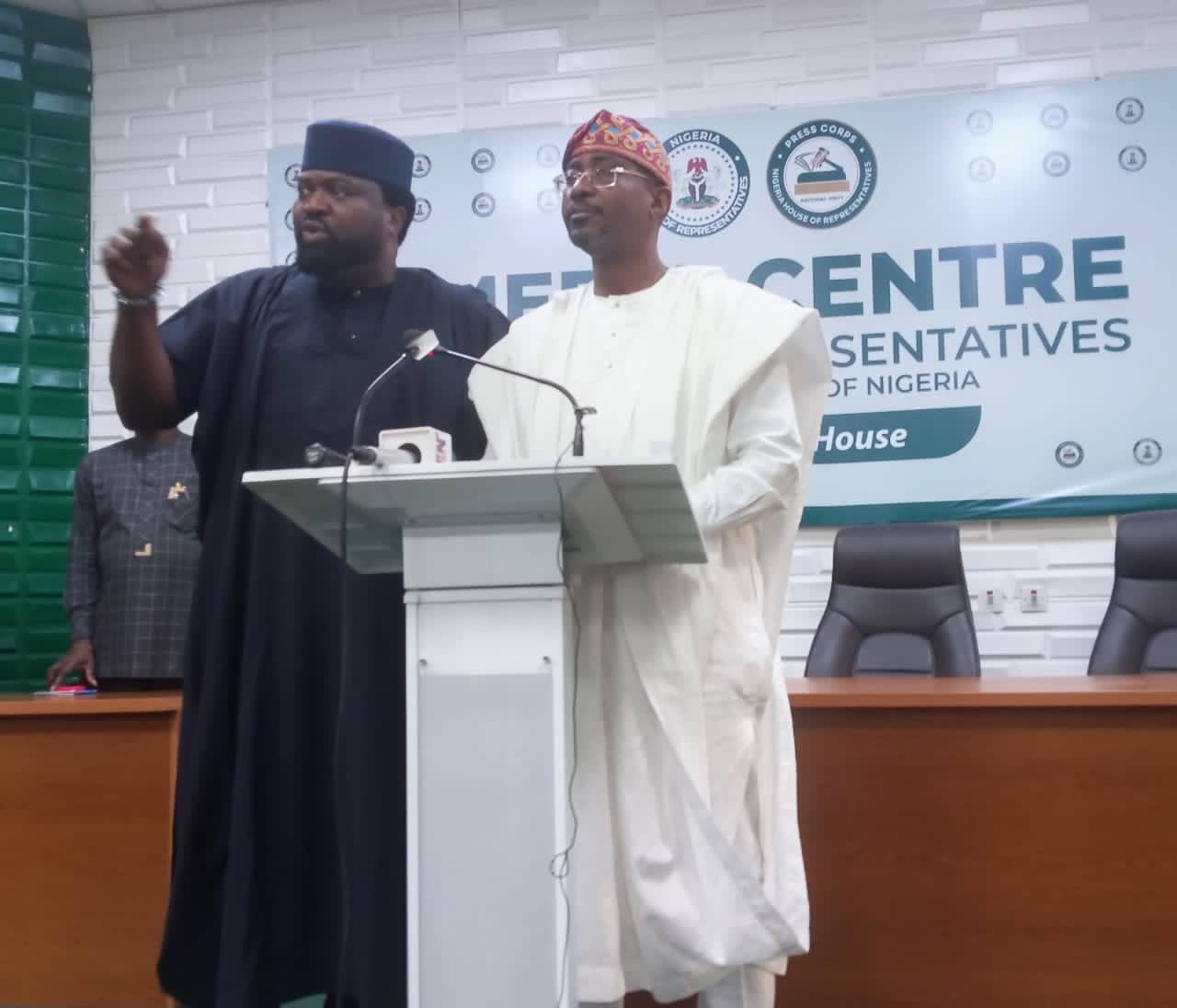
The proposed legislation, sponsored by Rep. Olumide Osoba, aims to create a strong legal framework that regulates children’s online activities, curbs exposure to exploitation, and compels digital platforms to take responsibility for safeguarding young users.
The lawmaker said the bill has reached advanced stages in the legislative process and, once enacted, could position Nigeria as a pioneer in Africa on child online protection.
According to him, the initiative is part of wider national efforts to promote digital safety, ensure responsible internet access, and preserve the well-being of children in an increasingly connected world.
“The bill was first read in 2023, and we held a public hearing in the first quarter of 2024. The report was laid just yesterday, and consideration was meant to take place today. By the grace of God, on the next legislative day, we’ll consider it and move it to the Senate for concurrence,” Osoba said.
He explained that several advanced countries, including Australia, the United Kingdom, Ireland, and Brazil, have enacted similar child online protection laws.
According to him, Nigeria aims to become the first African country to pass such a law, demonstrating its commitment to digital safety and child rights.
To ensure effective enforcement, Osoba stated that the bill proposes the creation of an e-Commissioner, a department within the Ministry of Communications, Innovation, and Digital Economy, which will serve as a watchdog for the online space.
“The e-commissioner will be responsible for monitoring violations and instructing service providers to remove harmful or infringing content. Non-compliance will attract fines and possible jail terms,” he explained.
Under the proposed law, corporate offenders face fines of up to N10 million, while individual offenders could pay ₦5 million or face imprisonment.
The lawmaker noted that existing agencies such as the Nigerian Communications Commission (NCC) and National Information Technology Development Agency (NITDA) wil collaborate with the new department to ensure effective implementation.
He added that the bill’s progression was initially delayed due to adjustments required to align with the federal government’s new tax laws, especially concerning a provision mandating service providers to contribute part of their profits toward online safety initiatives.
“The process of lawmaking takes time and wide consultation. This is one of the earliest bills of the 10th Assembly, and it has gone through due diligence,” he said, urging the media and the public to support advocacy for the bill’s passage.
If passed into law, the Child Online Access Protection Bill will establish Nigeria’s first dedicated framework to regulate children’s exposure to online content and ensure accountability in the country’s growing digital ecosystem.