By Gloria Ikibah


The House of Representatives has stepped up moves to revitalise Nigeria’s livestock sector and resolve years of unpaid compensation to farmers whose businesses were devastated by bird flu outbreaks.
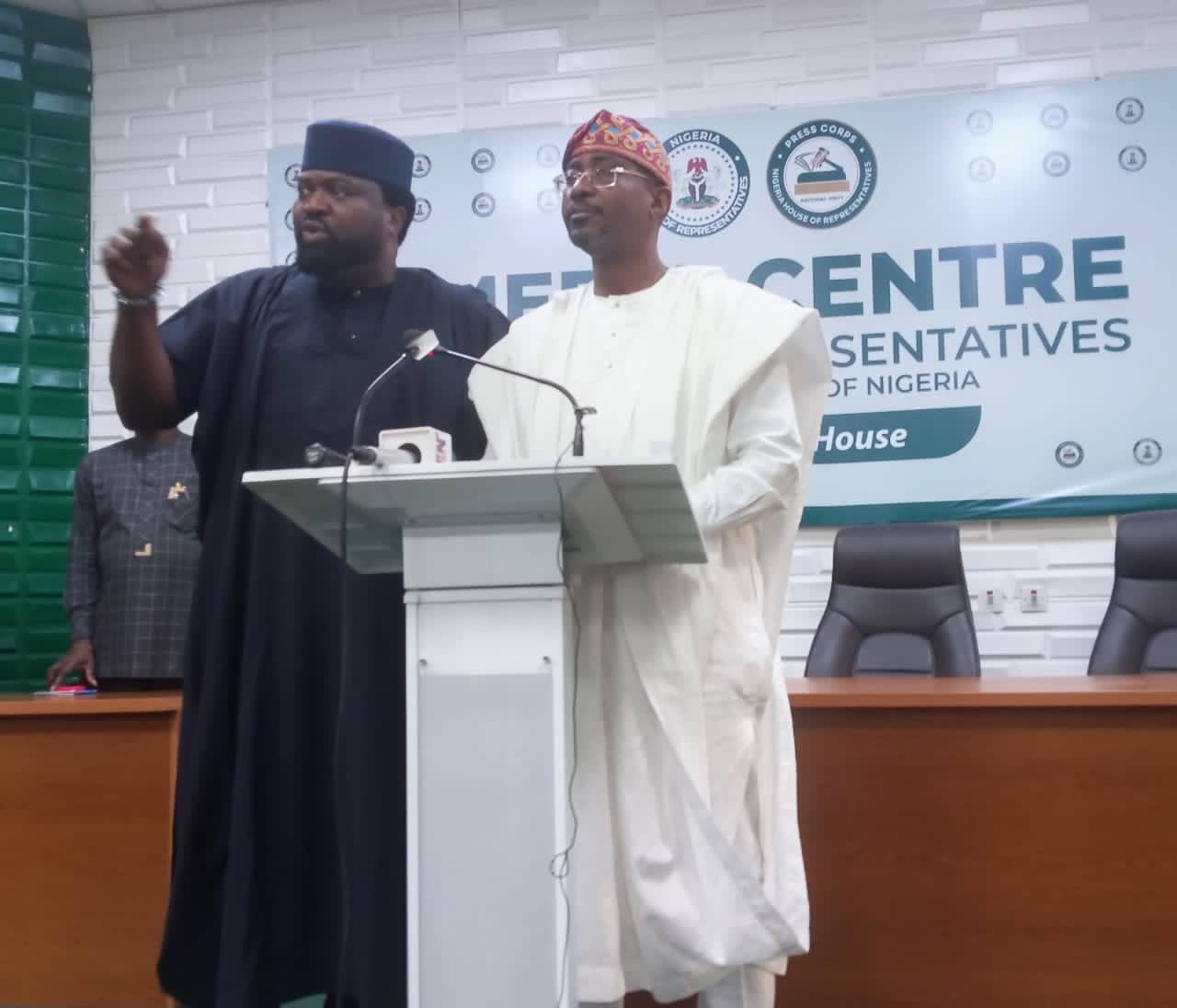
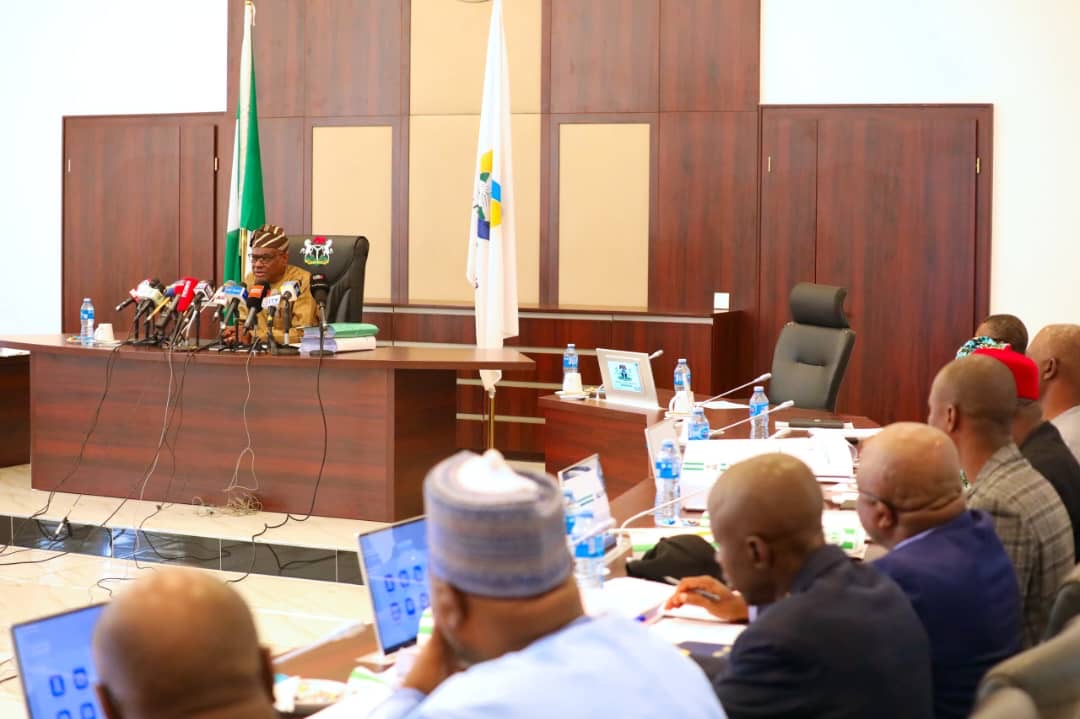
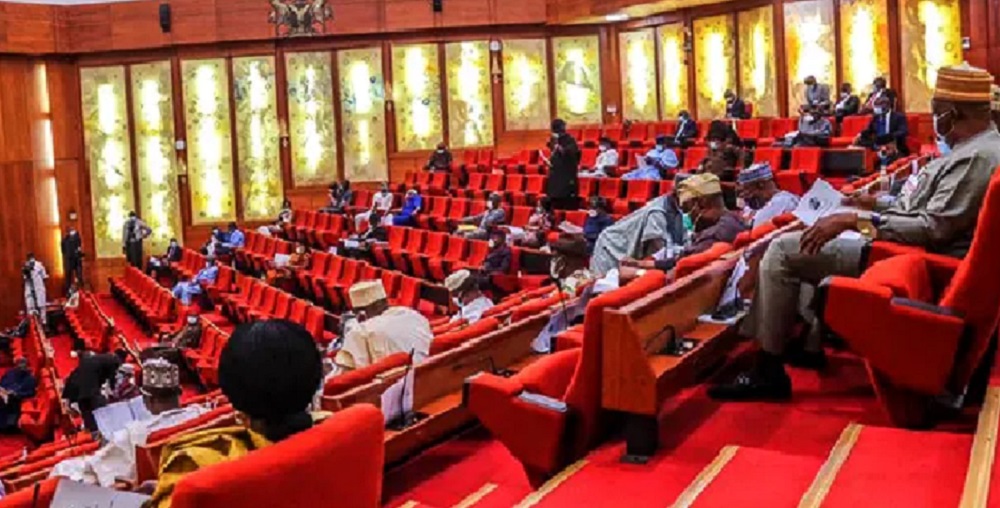
Chairman House Committee on Livestock Development, Rep. Wale Raji, at a public hearing on six livestock related bills in Thursday, in Abuja, underscored the importance of modernising animal production, research, and veterinary education through six new bills aimed at establishing livestock colleges and research institutes across the country. 
The initiative forms part of a wider legislative drive to boost training, innovation, and sustainability in animal husbandry and veterinary services under the National Livestock Transformation Plan.
Reps. Raji said the reforms would not only strengthen food security and rural livelihoods but also restore public confidence in the government’s handling of disease control and agricultural compensation programmes.
“This public hearing provides a platform for stakeholders to make inputs that will promote livestock development, enhance productivity, and create jobs.
“We are also investigating the non-payment of compensation to farmers affected by the bird flu outbreak to ensure fairness and accountability,” Raji said.
The chairman further assured that the Committee will ensure that the hearing produces actionable outcomes that strengthen livestock research, education, and policy implementation nationwide.
In his submission, Permanent Secretary of the Federal Ministry of Livestock Development, Dr. Chinyere Akujobi, disclosed that the government owes N498.7 million in compensation to 307 verified poultry farmers affected by bird flu between 2021 and 2023.
The Permanent Secretary who was represented by Dr. Adeniyi Adedoyin, said while N3.16 billion had been paid to 1,055 farmers affected in earlier outbreaks, the recent batch remains unpaid due to funding constraints. A new outbreak in Wukari, Taraba State, he added, led to the depopulation of 2,050 birds, with compensation still under review.
He further noted that compensation payments have been ongoing since 2006, with N630.9 million, N674.2 million, N1.81 billion, and N47 million paid in different phases up to 2019.
Akujobi said that the current delay was due to inadequate funding and absence of an Animal Diseases Contingency or Emergency Fund (ADEF).
“There has been no dedicated emergency fund since 2021, and most farmers have no insurance cover, as required by law,” he said.
He further explained that a revised compensation framework approved by the Federal Executive Council in 2022, stipulates that the Federal Government covers 50% of costs, states 25%, and farmers 25%. Only smallholder farmers with flocks of 3,000 birds or fewer are eligible, while commercial farms must have insurance coverage.
On one of the bills, sponsor Rep. Bello Ka’oje (Kebbi State) said the proposed Federal College of Animal Husbandry, Ka’oje, will serve as a specialised institution to drive innovation, research, and training in animal production.
“This bill seeks to enhance livestock development through improved breeding, training, and innovation. It will boost productivity, create jobs, and improve national food security”, Ka’oje stated.
He described the selection as strategic, given the region’s prominence in livestock farming.
Citing 2022 statistics, Ka’oje noted that Nigeria still ranks 94th in milk production and 33rd in meat production globally behind countries like Egypt, Kenya, and Ethiopia despite its vast potential.
He urged lawmakers and stakeholders to back the bill, saying livestock development remains key to economic diversification and rural prosperity.