By Gloria Ikibah


The House of Representatives has initiated a full investigation into the establishment, funding sources, and governance structure of the Museum of West African Art (MOWAA) in Benin City, Edo State, amid rising concerns that the institution may be operating in a manner that grants excessive influence to foreign and private interests.
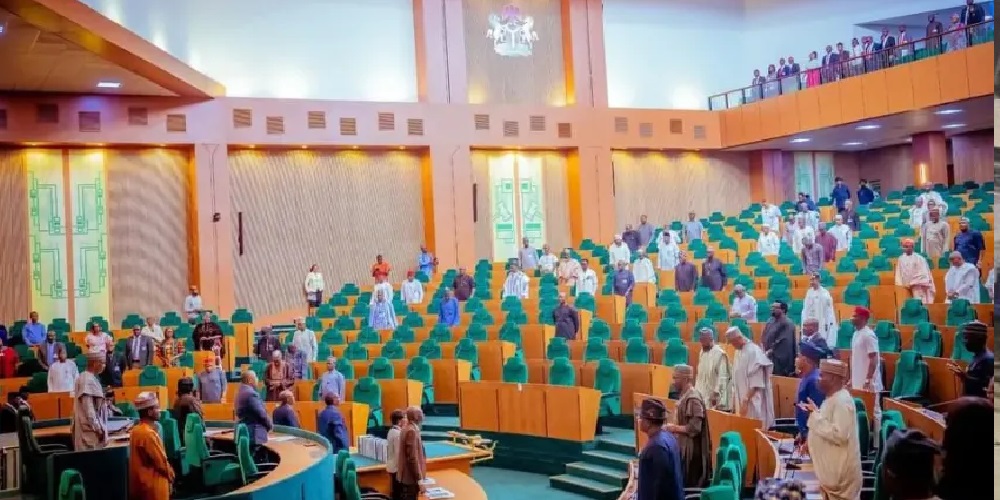
Thus resolution followed the adoption of a motion of urgent public importance by Rep. Esosa Iyawe, and six other lawmakers from Edo State— Rep. Julius Ihonvbere, Rep. Peter Akpatason, Rep. Billy Osawaru, Rep. Omosede Igbinedion, Rep. Marcus Onobun, and Rep. Okojie Odianosen on Tuesday at plenary. 
Presenting the motion, Rep. Iyawe stressed that MOWAA, envisioned as a major cultural and heritage centre for West Africa, must not evolve into a platform that allows external bodies to exercise control over repatriated Nigerian artefacts, especially those with deep historical significance.
He warned that “credible reports suggest that the ownership and governance framework of MOWAA may have created an arrangement that places excessive influence in the hands of private or foreign interests. This would be contrary to Nigeria’s sovereignty over her cultural patrimony.”
The lawmakers stressed that the Museum was expected to serve as a trusted public institution to house long-looted artefacts being returned to the country.
“The international community agreed to repatriate Benin bronzes to Nigeria with the understanding that these priceless items would be held in a public trust under Nigerian control. Anything short of that raises serious red flags,” he said.
They also expressed worries over what they described as inadequate clarity on the Museum’s legal status and donor agreements. Co-sponsor Rep. Julius Ihonvbere said the House must ensure that the nation’s heritage is not compromised.
“We cannot allow any ambiguity around ownership, land allocation, tax waivers, or foreign partnerships. Nigeria’s cultural assets cannot be traded off under the guise of development support,” Ihonvbere said.
Rep. Omosede Igbinedion added that traditional stakeholders, including the Oba of Benin and local communities, were not fully carried along.
“The custodians of the Benin heritage deserve full transparency and involvement. Their exclusion raises legitimate concerns,” she stated.
Lawmakers further warned that the opacity surrounding the project could open avenues for impropriety.
“When funding sources and governance structures are not clear, it creates room for conflict of interest and potential exploitation of our heritage,” Rep. Marcus Onobun added.
The House unanimously adopted the motion, resolved to set up an ad-hoc committee to probe the Museum’s establishment, funding sources, donor involvement, and governance architecture.
The committee is expected to determine the level of government oversight, the nature and extent of donor influence, the legal and financial implications of all agreements, and the safeguards protecting Nigeria’s ownership of its cultural assets.
Speaker Abbas Tajudeen, who presided, said the House would protect Nigeria’s cultural heritage at all costs.
“Our heritage is non-negotiable. This investigation is necessary to ensure transparency and national interest,” he said.
The committee is expected to report back within four weeks for further legislative action.