By Gloria Ikibah


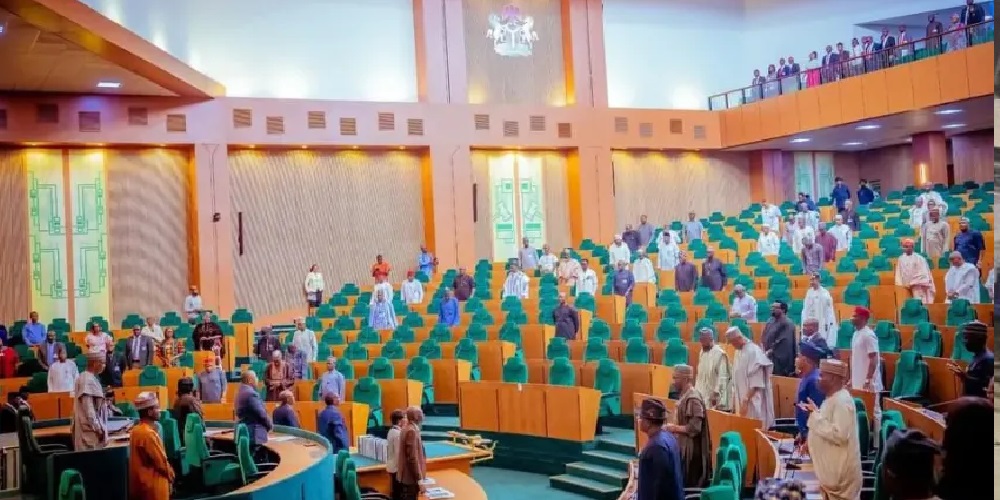
The House of Representatives Committee on the South South Development Commission has revealed that Nigeria’s failure to activate two key funding mechanisms under the Petroleum Industry Act has deprived the Niger Delta of an estimated N1.27 trillion to N1.65 trillion meant for environmental clean-ups and decommissioning of obsolete oil facilities.
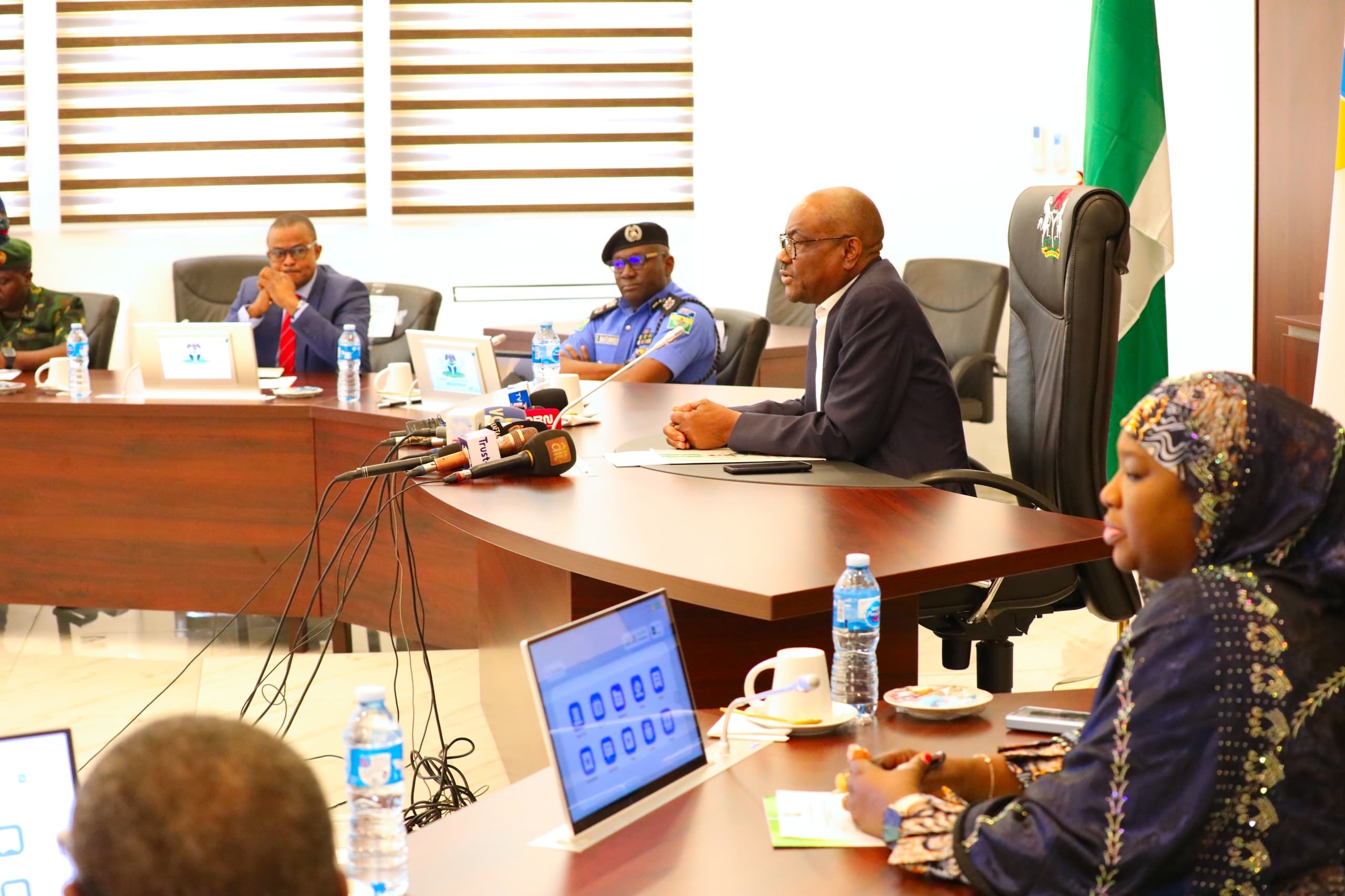
The Chairman of the Committee, Rep. Julius Gbabojor Pondi, who stated this during an interactive session on Tuesday, in Abuja, explained that data before it showed the Abandonment and Decommissioning Fund alone should have built up between N850 billion and N1.1 trillion since 2021. 
According to, the Environmental Remediation Fund, also mandated that the PIA, should have accumulated a further N420 billion to N550 billion over the same period.
The Committee described the delay as a major setback for environmental justice in the Niger Delta, warning that years of inaction have worsened pollution and undermined sustainable development efforts. Both funds were designed to ensure oil and gas companies take full responsibility for dismantling outdated infrastructure and restoring heavily impacted ecosystems.
He said: “These funds were created to prevent the shifting of environmental liabilities to local communities. Yet, four years after the enactment of the PIA, they remain dormant, leaving farmlands polluted, rivers contaminated, fisheries depleted, and communities exposed to health hazards”.
Rep. Pondi also decried the lack of clarity and operational progress from the responsible regulators, particularly the Nigerian Upstream Petroleum Regulatory Commission (NUPRC) and Nigerian Midstream and Downstream Petroleum Regulatory Authority (NMDPRA), this he said is a demonstration of institutional incapacity.
“The repeated failure to provide transparency on these funds has prompted discussions on the possible establishment of a new dedicated agency to ensure effective and accountable administration, should existing bodies continue to fall short,” he added.
The session brought together representatives from NUPRC, NMDPRA, National Oil Spill Detection and Response Agency (NOSDRA), SSDC, and the supervising Ministries of Petroleum and Environment, with the aim of building a coordinated and credible framework for activating the funds.
Pondi restated the commitment of the committee to oversight, insisting that the federal government must ensure that legislative instruments translate into tangible outcomes for host communities.
“The National Assembly cannot continue to look away while environmental liabilities multiply and communities suffer,” he said.
He stressed that the era of shifting cleanup responsibilities to impoverished communities must come to an end.