…as former Deputy Speaker Wase alleged names of boko haram, criminals appeared on Police, Army official recruitment lists


By Gloria Ikibah
Nigeria’s faltering security system came under sharp scrutiny as former Deputy Speaker Ahmed Idris Wase revealed that individuals linked to Boko Haram and other criminal networks had previously appeared on official recruitment lists for both the Police and Army. 
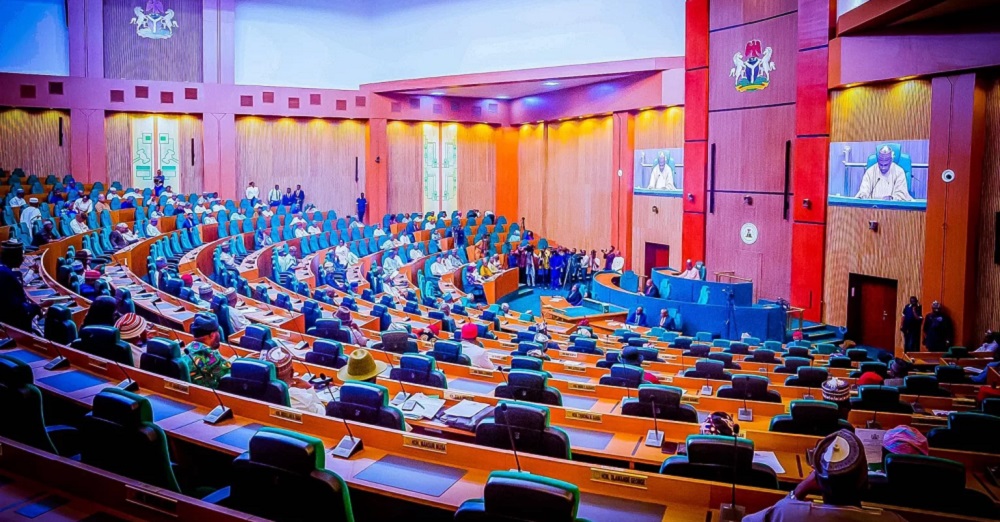
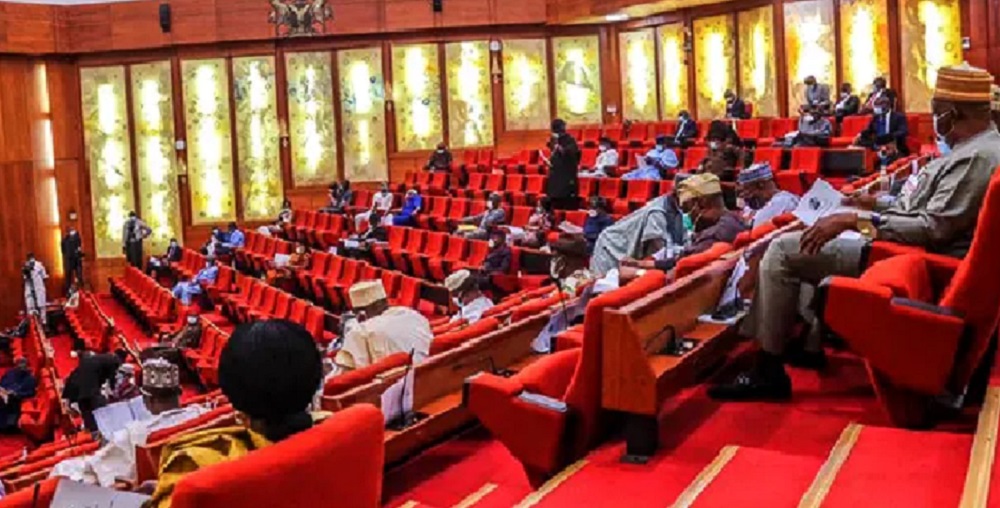
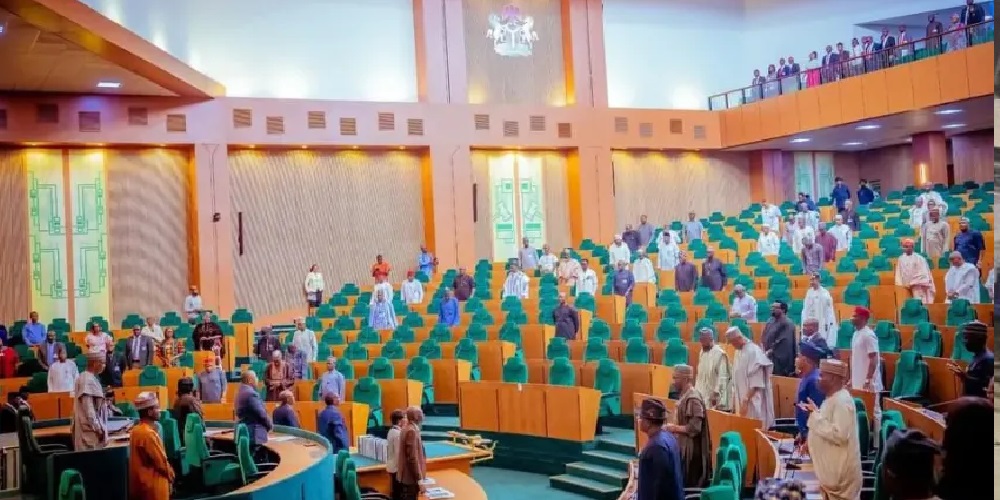
Wase, speaking during the House of Representatives’ special plenary on the worsening insecurity across the country, warned that this level of infiltration poses a severe threat to national stability.
He stressed that even former Defence Committee Chairman, Rep. Muktar Betara could attest to the disturbing discovery.
The revelation underscores longstanding concerns about weak and easily compromised recruitment processes that have opened the doors of Nigeria’s most sensitive security institutions to dangerous elements.
Wase, who has endured personal tragedy with the loss of a brother and a cousin to terrorists, argued that such systemic penetration helps explain the unchecked operations of armed groups in several regions.
He also noted the depth of fear that now grips ordinary citizens, explaining that his surviving younger brother had pleaded for a transfer out of their community simply to stay alive.
He said: “I lost one of the most gallant Nigerian soldiers — my cousin. I lost my younger brother, same mother, in Bama. Two weeks ago, I lost my nephew. I speak with pain”.
“My brother, former chairman of defense, and my very good friend, Betara, will bear with me that we have moments in when in the process of recruitment, we found in the list names of criminals. Boko Haram members were found in the list of Army.
“There has to be a thorough way of ensuring that when we are recruiting, those of us who are politicians should recommend people of good character and integrity. That’s the only way we can solve this problem. You find a criminal in the system, and before you know it, whatever you do, you cannot have the problem resolved. So we must change the system and way of our recruitment.
“Yes, as politicians, it’s good to recommend. This is what we are here for. But when you are recommending, please recommend people of integrity, people that will meet standards and ensure that they give the best access to our country.”
“The former SGF from Nigeria was once in an airport and he saw somebody that he knew as an armed robber wearing Nigerian uniform. He ordered for his arrest immediately. This is a part of the problem that we are being faced with.
“You find a criminal in the system and before you know it, whatever you do, you cannot have the problem resolved. So we must change the system and way of our recruitment. Yes, as politicians, it’s good to recommend.
“This is what we are here for. But when you are recommending, recommend people of integrity, people that will have minimum standards and ensure that we give the best services to our country. The number of policemen is far below the UN-recommended position”.
Wase also argued that there was no genocide in the country insisting that the insecurity is purely acts of criminality. “Mr. Speaker, respected colleagues, what is happening has to do a lot with criminality and I want to disagree with those who are bringing religious inkling into it.
“In every one of these enclaves, Mr. Speaker, respected colleagues, you find Muslims, you find Christians, you find pagans, the ones that I know through oppression have been caught and I know that people are dying and people are being killed. Yes, if you go to Wase, the majority of the people that are being killed are Muslims. How do you define that? Native Muslims? If you get to say possibly Gboko, maybe the most number of people that have been killed are Christians”.
The former Deputy Speaker issued a stark warning that Nigeria’s security crisis endures partly because certain individuals are profiting from the turmoil, allowing criminal gangs to roam in convoys and operate without fear of consequence.
He expressed deep frustration over the growing politicisation of indigeneship and citizenship, describing it as a “key issue dividing the country” and called for urgent constitutional reforms to tackle what he sees as a structural fault line fuelling tension nationwide.
Wase cautioned that political interference in the handling of insecurity was eroding Nigeria’s fragile democratic progress.
“Let not the little gains we are having be scorched by those who do not want democracy to thrive,” he warned.
Painting a bleak picture of the scale of violence, he highlighted how routine kidnapping and insurgent attacks have become.
“In one year alone, within the Boko Haram threshold, what we lost is more than 30,000 people. In one year, 30 facilities were attacked. Five billion naira was lost through kidnapping,” he said, stressing the devastating human and economic effect.
Wase called for a comprehensive and coordinated response, and emphasised that the threat confronting the nation is “more dangerous than many realise” and demanded urgent action rather than another cycle of speeches and reports.
He closed with a sober appeal: “My prayer is that this will not be one of those rituals — we speak, we document, and nothing is executed.”
“I pray that God will grant you the wisdom of Solomon.”