…as reps declare border security emergency, recommend drones, AI, joint intelligence centre


…advocate special terrorism court, naming of terror financiers
By Gloria Ikibah 
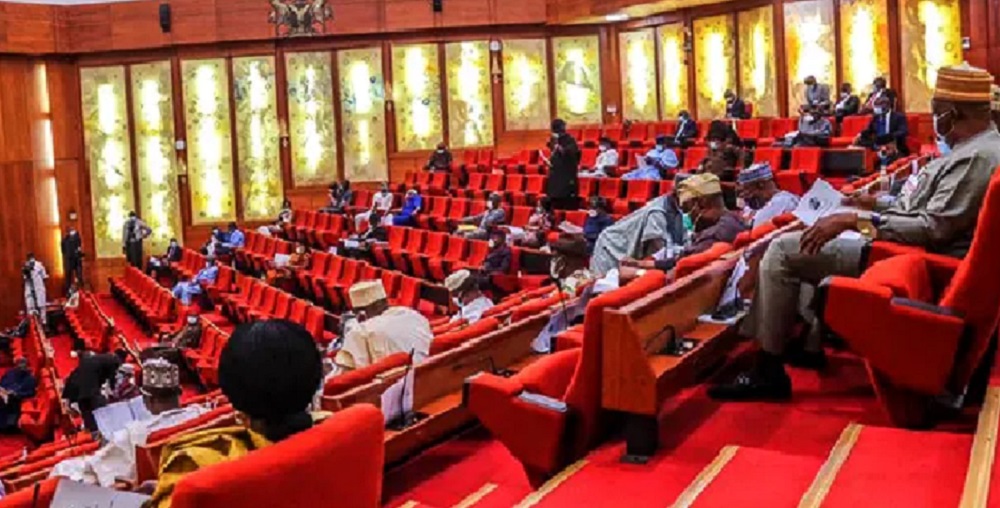
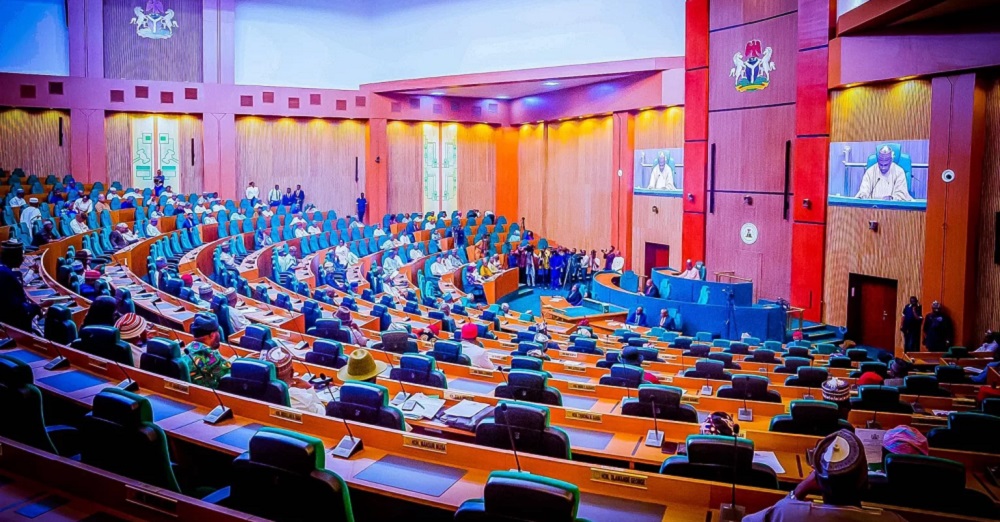
The House of Representatives on Wednesday at Plenary endorsed an extensive package of national security reforms, concluding a three-day special session which held from November 25 to 27, 2025.
The debate drew in principal officers, caucus leaders from across the regions, security committee heads and the full membership of the chamber, enriched by constituency briefings, expert input and recent field reports from areas most affected by unrest.
The adopted measures constitute one of the most far-reaching sets of security prescriptions ever issued by the House. They span financial restructuring, institutional overhaul, advances in intelligence and technology, improved welfare for security personnel, sharper judicial processes, social and economic stabilisation efforts, as well as deeper regional and international cooperation.
Members recognised efforts already undertaken by President Bola Ahmed Tinubu to curb escalating insecurity, including the recruitment of 20,000 additional police officers, the reassignment of personnel previously attached to VIPs back to operational policing, increased federal backing for state security initiatives and the temporary use of NYSC camps as training centres.
They also noted the President’s decision to forgo attendance at the G20 Summit to prioritise domestic security concerns, and the dispatch of a senior delegation to the United States to strengthen counter-terrorism engagement.
Fiscal, Institutional and Operational Reforms
The House agreed that all security-related spending should be placed on First Line Charge to guarantee steady and reliable financing, with an emphasis on ensuring that approved allocations are released without delay.
In an effort to disrupt the flow of funds to terrorist networks, members urged a phased reinforcement of the cashless economy and wider access to secure electronic banking in rural and marginalised communities. They proposed integrating advanced digital payment-tracking tools into national security operations in a way that does not disadvantage vulnerable groups.
On military strategy, the House pressed for a reassessment of the current super-camp approach, favouring a return to more widely dispersed forward operating bases to enhance territorial reach. It encouraged the establishment and expansion of Army formations, Police divisions and Civil Defence units in high-risk areas.
Members highlighted the need to strengthen protection for schools, worship centres, markets and other vulnerable public spaces through CCTV coverage, improved perimeter security, early-warning systems and a full rollout of the Safe Schools Initiative.
Intelligence, Technology and Surveillance
The House advocated the creation of a Joint Intelligence Fusion Centre to improve real-time coordination, alongside the expansion of the existing multi-agency structure dedicated to tackling kidnapping.
It emphasised that border control should be handled as a matter of national urgency, supported by drones, biometric tools, AI-driven analytics, satellite imagery, sensors and reinforced physical barriers across exposed entry points.
Lawmakers also pushed for a measured regulatory approach to curb the spread of false information and harmful AI-generated content that undermines national security, while ensuring that legitimate free expression remains protected.
A national tracking mechanism for all weapons, including a unified digital inventory and periodic audit, was also proposed.
State Police, Reduced VIP Protection and Welfare Reforms
The House urged the expedited establishment of State Police through constitutional amendments and recommended a drastic reduction of VIP security details in line with presidential directives, with redeployed officers assigned to critical national duties.
Massive recruitment into the Armed Forces and security agencies should begin immediately, lawmakers said, alongside improved salaries, insurance, medical care and housing for personnel. Retiring officers with specialised skills should be retained in auxiliary capacities such as forest guards under regulated structures.
The House also called for the creation of a National Fallen Heroes Support Fund to assist families of slain officers with employment placements and scholarships.
Judicial, Community and Socio-economic Interventions
Resolutions include: Public naming and prosecution of terrorism financiers.
Establishment of a Special Court for terrorism, banditry and kidnapping.
Harsher penalties for arms trafficking.
Creation of a Truth, Justice and Reconciliation Commission
Lawmakers emphasised job creation, agricultural support and anti-poverty measures as essential to addressing root causes of insecurity.
They further proposed the integration of community policing, traditional institutions and religious leaders into a formal national security framework.
Ransom payments and informal amnesty negotiations by government entities should be outlawed, with only lawful criminal-justice procedures allowed.
International Cooperation and Oversight
The House urged stronger cooperation with ECOWAS, the African Union and neighbouring states, particularly in securing borders and improving the flow of intelligence across the region.
It further advised that future security engagements between Nigeria and the United States, including those involving the U.S. Congress, should always include formal representation from Nigeria’s Parliament to ensure coherent national positions and reinforce legislative diplomacy.
Members proposed an updated regulatory system for NGOs that promotes transparency while allowing them to operate independently and effectively.
Humanitarian, Emergency Response and Governance
The House pressed for swift delivery of humanitarian aid and trauma support to communities affected by violence, along with the structured training and formal recognition of local hunters, vigilantes and ranger groups within a national framework.
It also encouraged the creation of a Religious Protection Council under the Office of the National Security Adviser, a nationwide programme to recover illicit weapons, and the development of a national early-warning system that blends technology-based surveillance with grassroots intelligence.
Finally, the House agreed that the full suite of resolutions should be sent to the Executive, security institutions, state governments and all relevant bodies for immediate action in the interest of national stability. The recommendations will also be transmitted to the Senate so they can stand as joint resolutions of the National Assembly.
With insecurity worsening in several regions, lawmakers said the comprehensive reforms were aimed at rebuilding public confidence, strengthening national resilience and restoring peace across the Federation.