Opinion
TEEJAY YUSUF: HARVEST OF AWARDS FOR THE ATYPICAL POLITICIAN, CONSUMMATE HUMANIST
The popular phrase, “different strokes for different people,” resonates time and time again. It is usually evident in issues of national interest. While some people argue that there are milestones recorded since the birth of the 4th Republic in May 1999, others disagree. The latter group believes that we have been experiencing tottering growth. They reasoned that it is traceable to political parties. They believe that the formation, objectives, and operations of many parties, have contributed, largely to where our democracy is at the moment. Since 1999, there have been regular, consistent registration of political parties by the Independent National Electoral Commission, (INEC) – almost becoming embarrassingly ridiculous. Critical analysis of the vast majority of these countless associations; which desire to scale INEC’s hurdles and morph into parties reveals certain features. No clear cut ideologies, objectives, and vision. Sadly, the registered parties are not too different.
The reverse is the case in some other countries that also practice democracy. It is an overkill comparing our democratic evolution with what obtains in developed countries; it can be described as difference between night and day. Perhaps, it is imperative to juxtapose our democratic system with that of developing nations. In South Africa, political parties are driven by ideologies that are peculiar and distinct. The African National Congress (ANC); the county’s ruling party is built on social democracy, and regional nationalism. Democratic Alliance (DA) – liberalism and federalism; uMKhontoweSizwe (MK) – socialism and nationalism; Economic Freedom Fighters (EFF) – communism and pan africanism. In Ghana, the National Democratic Congress (NDC); New Patriotic Party (NPP); and a few others have clearly defined ideologies. Citizens of respective countries know these ideologies. More importantly, members remain committed and rooted in their parties; with or without electoral victories.
Different rhymes and lyrics are prevalent in Nigeria. Cynically described as “jumpology,” varied lexicons like defection, dumping, and porting are used in the media to announce the movement of politicians from one party to the other. The ease is akin to changing clothes. Since there are no realistic differences; other than gaining power, politicians find it convenient to crisscross parties, at the slightest opportunity. Between 1999 and now, the vast majority of politicians have perfected the arts of moving parties. In 26 years of the 4th Republic, some politicians have switched parties two, three, or more times. Of all parties registered in 1999, the Peoples Democratic Party, (PDP) has been the greatest loser. Many of the foundation members, including those who occupied various elective and appointive positions have since abandoned the umbrella in search of greener pastures. A few of the old, generational members, and some younger elements resolved to stay back.

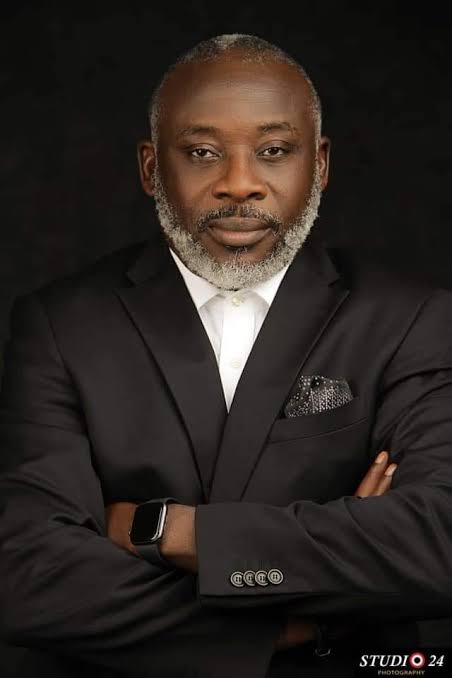
The subject of this piece; TeeJay Yusuf belongs to the group of members that have refused to turn their backs against PDP. The three-term member of the House of Representatives, who joined the party in 2009 said at a recent interview that, “Not minding the present challenges, I choose to remain with the party because you don’t abandon your leaking house and go to your neighbors but stay back and fix it.” At some other functions, he repeatedly stressed that, “as a son of nobody, the party gave me the platform to contest and win elections into the Legislature on three different occasions. I think it is immoral, and the height of ingratitude and disloyalty to turn my back against the party.”
There are unconfirmed reports that the Kogi-born politician has been under tremendous pressures, since 2015 to join the All Progressives Congress, (APC). According to decent sources, Yusuf consistently ward off any and every overtures from senior members and leading officials of the APC in Kogi State, and at the national level. Described as an unapologetic member of the PDP, Yusuf, in strict adherence to the party’s decision on the choice of Speaker for the House of Representatives in 2019, was denied the leadership of any Committee; despite being a senior ranking, and third-termer. Such is the level of his fidelity, commitment, and passion for party growth and development.
Yusuf has shown consistent loyalty to the PDP; even at some huge personal cost and loss, he remains committed. This, has not gone down well with some of his supporters who believe he should leverage on his positive attributes to shore up his political endeavors. Perhaps, they may be right, particularly in a democracy where sacrifice and selflessness has taken the backseat. Sadly, honour and integrity have become scarce and scant among the political class. Described as a frank and fearless politician, Yusuf, in 2012, moved the motion against the removal of fuel subsidy by the Jonathan administration; in spite of being in the same party. Rt. Hon. Silas Agara, Director-General, National Directorate of Employment, (NDE), a friend of over three decades said, “TeeJay does not approbate and reprobate on any issue, you know where he stands.” Somehow, Yusuf is giving life to the admonition of George S. Clason, “have the courage to say no..have the courage to face the truth..do the right thing because it is right.”
His brand of politics, approach to public service, and personal development has generated concerns, and attracted serial pillorying by some people. Though a few associates commend his passion for inclusivity but dislike his penchant for denying himself certain privileges and opportunities towards ensuring party cohesion. For them, it is loyalty and sacrifice taken too far. However, there are those who see him as an inspiration, and encouragement in a society where debased moral values, reckless pursuit of ephemeral positions and power have become the new normal. Unknown to him, there are institutions that have been tracking his political career and public engagements.
Convinced about his consistency to political development, the Centre for Credible Leadership and Citizens Awareness, (CCLCA) in conjunction with NaijaBlitzNews and Hellosis Media awarded Yusuf with the 2025 Leadership Award in “Vision, Courage, and Commitment to Politics.” The organizers of the yearly awards described him as, “an outstanding politician who focuses on human values, and national development anchored on transparency, and service to the nation and humanity.” They also acknowledged his consistent roles in resolving the protracted crisis in the PDP, and his laudable contributions to national discourse. At the awards presentation, Yusuf, pledged “to do more for national development and the well-being of Nigerians, as I dedicate it to God and humanity.”
Though Yusuf have repeatedly won awards from different organizations and groups, while in the House of Representatives, this was special in many ways. Indeed, it opened the floodgates for a few others, that came in quick succession. The Law Students Association of Godfrey Okoye University, Enugu, presented an Award of Recognition to him for outstanding contributions to education, and youth development. As Yusuf garnered endorsements variously across the country, reputable institutions and groups in Kabba; his community were not left out.
His ancestral lineage; Odogba Descendants Royal Family honoured him with an Award of Excellence for meritorious service to the community. The ’80s Connect Club; a frontline social group decorated him with the Award of Excellence as an outstanding federal lawmaker. Ibiobigha Lowe Sisters; an all-female group with emphasis on the provision of welfare, medicare, and other necessary facilities, recognized Yusuf’s support and contributions towards ensuring the achievement of their community development initiatives. Many more Awards were won in 2025 by the atypical politician and consummate humanist whose network of friends, acquaintances, and associates spread across the country and beyond.
* BOLAJI AFOLABI, a Development Communications specialist was with the Office of Public Affairs, The Presidency, Abuja.
Opinion
Mutfwang’s Orange Economy Push: Turning Plateau’s Culture Into Jobs and Prosperity
By Chris Ishaku.
For decades, Plateau State has worn the celebrated label, “Home of Peace and Tourism.” Governor Caleb Mutfwang’s administration is now attempting something more ambitious: converting the state’s tourism, culture and creativity from largely celebrated assets into productive economic resources capable of creating jobs, attracting investment and broadening the state’s economy.
That is the significance of the Orange Economy strategy recently presented by the Plateau State Government at the National Institute for Policy and Strategic Studies (NIPSS), Kuru.
The concept encompasses economic activity built around culture, creativity and intellectual property — including film, music, fashion, performing arts, tourism, digital content and design. Significantly, this is also the subject of NIPSS Senior Executive Course 48, whose participants are spending 10 months examining how Nigeria can harness the sector for sustainable development.
For Plateau, the opportunity is unusually compelling.
The state possesses a combination of natural attractions, cultural diversity and creative institutions that few states can replicate. Its more than 50 ethnic groups provide an extensive reservoir of festivals, cuisine, crafts, music, dance and traditions. Jos also hosts the Nigerian Film Corporation and National Film Institute, institutions capable of supporting the development of a larger film and entertainment ecosystem. NIPSS participants themselves identified Plateau’s tourism assets and creative ecosystem during an earlier tour of the state.
The encouraging aspect of the Mutfwang initiative is that the government is beginning to look beyond merely promoting festivals. It is attempting to construct an economic architecture around them.
The administration’s ₦4 billion MSME matching fund with the Bank of Industry, for example, could help address one of the perennial problems confronting young entrepreneurs: access to capital. Executive Order No. 10 of 2024, providing a framework for public-private partnerships, could similarly help bring private capital and expertise into projects government cannot sustainably finance alone.
Equally important is the proposed revival of Hill Station Hotel, Plateau Hotel and Jos Wildlife Park. These are not merely nostalgic landmarks. Properly redeveloped and professionally managed, they can become economic assets supporting hospitality businesses, tour operators, restaurants, transportation providers and hundreds of other enterprises.
The declaration of December as Plateau’s official tourism month also has considerable potential. Tourism thrives partly on predictability. Establishing a recognised annual season gives airlines, hotels, entertainment promoters, tour operators and visitors something around which to plan.
There is also a wider opportunity. Jos has long enjoyed an important place in Nigeria’s creative history. Building a modern ecosystem around film, music, fashion, digital production and entertainment could help retain young talent that might otherwise migrate to Lagos or Abuja.
Indeed, Mutfwang had already told NIPSS in February that the Orange Economy represented a pathway towards economic diversification and sustainable development. The latest blueprint therefore suggests an attempt to translate that proposition into specific interventions rather than leaving it as rhetoric.
There are, nevertheless, hurdles that will determine whether the ambition succeeds. Study Group 4 of NIPSS identified funding, security and legal frameworks among the issues Plateau must address to realise its potential. Security is especially consequential because tourists and investors require confidence in their destinations.
Implementation will consequently be the ultimate test.
The Mutfwang administration should now establish measurable targets: tourist arrivals, private investment attracted, creative businesses financed, jobs generated, hotel occupancy, internally generated revenue and the number of tourism facilities restored. Publishing those figures periodically would allow Plateau residents to judge whether the Orange Economy strategy is delivering tangible results.
What Mutfwang has got right is the direction: Plateau’s mountains, weather, cultures, films, festivals and creative talents should not exist merely as objects of admiration. They are economic assets.
If the administration can provide security, infrastructure, financing and credible private-sector partnerships around them, the familiar description of Plateau as the Home of Peace and Tourism could acquire a more economically meaningful dimension — a home of tourism, creativity, enterprise and jobs.
Opinion
Surging Energy demands and challenges of Ai
By Sonny Aragba-Akpore
While findings show that artificial intelligence (AI) is both a driver of efficiency, but a growing challenge, leading AI and cloud providers saw their individual emissions rise between 2020 and 2024, driven by soaring energy demand and expansion of infrastructure.
These findings indicate that AI may provide answers to general energy requirements, but the challenges ahead may reduce the excitement it brings. New studies released by the International Telecommunication Union (ITU) and the World Benchmarking Alliance (WBA), recently have reports that evaluated the climate performance of 200 digital companies globally using publicly disclosed data relating to the 2024 reporting year.
The fifth edition of Greening Digital Companies tracks greenhouse gas (GHG) emissions, energy consumption, climate targets, renewable energy use and, for the first time, climate transition planning before drawing the conclusion of the challenges of AI ahead.
The report released last week in Geneva, Switzerland by ITU says that despite progress in climate reporting and renewable electricity use, digital companies are falling short in cutting emissions at the pace required to achieve global climate targets, quoting the new report Greening Digital Companies: Monitoring Emissions and Climate Commitments 2026.
“While digital technologies offer immense potential for climate action, their rising energy demands and emissions cannot be overlooked,” according to Doreen Bogdan-Martin, ITU Secretary-General adding that “Environmental sustainability must be built into how we design, power and scale the technologies shaping our shared digital future.”
Indeed, AI,s growing energy demand highlights the urgency to align digital opportunities with climate goals.
In what looked like AI,s double edged sword, the report identifies AI as an increasingly important factor shaping the sector’s emission trajectory. “Operational emissions from four major AI and cloud providers have soared, reaching up to 239 per cent of their 2020 levels, while 14 large telecom operators reduced their emissions by 11 per cent over the same period.”
ITU submits that “while AI supports climate action through energy optimization, renewable forecasting, and efficiency gains, it comes with its own environmental costs.
The report underlines the critical need for AI growth to align with clean energy investments and emissions management.” The report identifies priority actions, such as strengthening climate reporting, reducing Scope 3 emissions, improving the implementation of climate transition plans, and aligning AI and digital infrastructure expansion with clean energy development.
“The ICT sector has the innovation, resources, and influence to help shape a more sustainable digital future,” said Cosmas Luckyson Zavazava, Director of ITU’s Telecommunication Development Bureau. “Rearising that potential means turning climate commitments into implementation, cutting emissions, strengthening collaboration among various sector actors and ensuring that digital growth, including AI, advances alongside clean energy development.”
ITU supports this work through collaborative initiatives like its Expert Group on
Telecommunication/ICT Indicators, with a key sub-group developing harmonized national-level indicators for tech-related GHG emissions and energy use.
The latest findings also reinforce ITU’s Green Digital Action Initiative, which calls for greater transparency on energy use, emissions, and progress toward science-based targets. The ITU submits that Climate reporting has improved, but significant gaps remain. “While 89 per cent of companies reported direct emissions (Scope 1) and 81 per cent reported purchased energy (Scope 2), only 47 per cent reported emissions from across all relevant value chain activities (Scope 3).
On Greenhouse gas emissions the report indicates that “In 2024, digital companies reported 301 million tonnes of operational emissions (Scope 1 and 2) in carbon dioxide equivalent, equivalent to 0.8 per cent of global energy-related emissions and a 1.2 per cent increase from 2023.
For companies disclosing value-chain emissions (Scope 3), these dominated their carbon footprint, accounting for 76 per cent of total emissions and underscoring the sector’s challenges in supply chains, manufacturing, and product use.
The report says of electricity consumption that “163 companies reported consuming 494 terawatt-hours (TWh) of electricity in 2024, equivalent to approximately 1.7 per cent of global electricity consumption. Over half of this electricity consumption (54 per cent) was concentrated in just 10 companies, surpassing the yearly electricity use of some countries.”
“While digital companies remain among the world’s largest corporate purchasers of renewable electricity, only 25 of the 200 companies assessed reported sourcing 100 per cent renewable electricity.” The report indicates that Climate targets show that 151 (or 76 per cent) of the assessed companies submitted near-term reduction targets for Scope 1 and 2 emissions, reflecting both voluntary leadership and the influence of investor expectations, scientific and awareness-raising campaigns, and emerging regulatory requirements.
“However, just 114 targets were validated by science-based frameworks with 85 assessed as on track based on progress to date. On Climate transition plans, Only 81 companies (41 per cent) demonstrated comprehensive plans to meet climate goals, including strategic ambition, implementation and engagement strategies, clear metrics, targets, and governance. “This highlights the urgent need for more robust planning to manage the necessary economic, social and energy transitions “adding that
“Digital companies need to engage suppliers and address emissions across the products and services they rely on,” according to Gerbrand Haverkamp, Executive Director of the World Benchmarking Alliance. “For example, the electronics sector, which provides many inputs underpinning digital infrastructure, accounts for 53 per cent of reported emissions across all three subsectors.”
The ITU has put in place global standards and frameworks connecting digital networks with sustainable energy infrastructure. It has also developed technical recommendations—such as ITU-T L.1332 for network infrastructure energy efficiency and ITU-T L.1510 for digital environmental key performance indicators—to measure and reduce power loss in telecom facilities and data centres.
AI and Power Grids are part of measures that the ITU addresses the dual role of artificial intelligence as both a major driver of surging electricity demand and a smart tool for optimizing power grid performance. Through Smart Energy Solutionist creates frameworks like ITU-T L.1385, by providing guidelines for smart industrial energy management systems to improve efficiency and reliability in manufacturing and building infrastructures. And in order to Bridge Global Divides the ITU initiatives emphasize expanding resilient connectivity and investing in foundational energy infrastructure, particularly in developing regions like Africa, to achieve sustainable digital development.
Opinion
Leadership Man of the Year: WHY ABDUL SAMAD, NDUKA MATTER.
By Garba Shehu
This year, the Leadership newspaper is conferring its prestigious Man of the Year award on two Nigerian icons in recognition of their leadership journeys:
Prince Nduka Obaigbena, one of Nigeria’s most famous and admired media figures is a man who shaped, and continues to shape different eras in Nigerian journalism.
Abdul Samad Isyaku Rabi’u, born on August 4, 1960 is a Nigerian billionaire businessman and cement magnate.
His is a name that goes far beyond the boardroom. While he is renowned as the chairman BUA Group of Companies which he transformed into a global business empire, his contributions extend well beyond the corporate world.
Abdul Samad’s philanthropy is a beacon of hope for millions, and his selfless giving continues to leave lasting impressions on Nigeria, Africa and the world.
By showing that business can move beyond the notion of profit, Samad, as fondly called by friends has showcased how true leadership is not only about business success but also about creating a lasting social impact.
As the executive chairman of BUAFOODS, he drove the expansion of the conglomerate into Nigeria’s most capitalized company, with a share price of approximately ₦760.60 and a market capitalization of roughly ₦13.69 trillion.
Currently, he is Africa’s second richest person with a net worth estimated at between $13 billion and $19 billion in 2026.
Samad has always stood for more than business. To Nigerians, he personifies kindness, purpose, and institution-building. He is Nigeria’s, indeed Africa’s philanthropic giant.
When the Covid-19 crisis rocked and racked livelihoods, lives and even nations across the globe, Nigerian business leaders formed what they called the Coalition Against COVID-19, known as CACOVID. Led by Aliko Dangote, Africa’s wealthiest man, the coalition was backed by Access Bank Group, Zenith Bank, Guaranty Trust Bank, and several others including the BUA Chairman, Abdul Samad.
Rather than solely funding temporary relief, which he noted was the major shortcoming of the CACOVID relief programs he and the others put in place, Abdul Samad seized the momentum to sharpen and accelerate his visionary legacy of transforming lives in Nigeria through philanthropy and social impact initiatives.
It’s the famous American author and motivational speaker Tony Robbins who said
“by changing nothing, nothing changes.”
Like a bolt from the sky, came in 2021, the Abdul Samad Rabi’u foundation, ASR Africa Initiative which is the brainchild of the industrialist and philanthropist, with an annual pledge of $100,000,000 (USD) with Nigeria to benefit $50,000,000 (USD) yearly and the rest of Africa, $50,000,000 (USD) in what is the largest private philanthropic giving of its kind by an individual on the continent.
He believes in using wealth to uplift society and to address some of the most pressing challenges facing humanity. From education to healthcare, water supply to rural development, Samad’s charitable efforts have touched countless lives.
As one of the world’s leading philanthropists of the 21st century, Abdul Samad’s compassionate ethos of giving is evident in his generous donations to education and healthcare.
ASR has built, among many other projects, a N310 million students hostel at the Federal University of Technology, Minna; a N270 million Abdul Samad Rabi’u Sports Complex at the University of Jos; N250 million admin block at the Federal University of Technology, Owerri; N250 million sports center at UNIPORT; N1 billion learning facility at UNILORIN; another billion Naira Integrated Agric Center at the Bayero University, Kano and a language center at the Nigerian Defence Academy, NDA.
The foundation has, to its credit, several other projects including lecture theaters, auditoria, classrooms, libraries, laboratories, staff quarters and offices, ICT facilities, books, journals and periodicals, machines and other research equipment thrown at institutions of learning in Nigeria, Ghana and other African countries.
ASR Africa has also made contributions to the well-being of our defence and security agencies through projects such the N2 billion Naira Nigerian Navy medical center in the FCT; a N500 million immigration staff accommodation for the Immigration Service and another N500 million for the Correctional Center (Prisons Service); a 150 bed mega hospital for the police in Abuja, and a hospital for the immigration service in Bauchi.
The foundation has built a palace for the Royal Igbogila Kingdom in Ijesha in Ogun State for N1 billion; a contribution of N5 billion to the IBB national library project and the ongoing construction of the Malam Abdulkarim Juma’a mosque in Zaria.
The history and extent of his passionate support for health and welfare is another little-known detail about Samad.
Through this foundation, he has enabled the construction and rehabilitation of healthcare facilities, equipping them, developing research capabilities for researchers, healthcare practitioners and community level service providers.
Among the many projects executed include a N2.5 billion teaching hospital at Akwa Ibom State University, Uyo, a N2.5 billion school of nursing at Sokoto State University in Tambuwal, a N2.5 billion school of health technology in Gwadabawa also Sokoto state; a N2.5 billion Oncology and diagnostic center in Ilorin; a N2.5 billion Stella Obasanjo Hospital in Edo state, a N250 million clinic at the Nigerian Law School as well as a record number of hospitals in Kano, Katsina, FCT, Bauchi and Sokoto given ambulances and tuberculosis centers. Ten states got kits for sexual assault repentance centers.
In his effortless stride of his giving, Samad sparked a national enthusiasm when he offered a cash reward package of up to USD1.5 million to the Super Eagles during the 2025 Africa Cup of Nations (AFCON) in January, 2025.
In the end, we lost the semi-final to the host nation, Morocco in a penalty shootout.
Despite the defeat, he still went ahead dishing out USD 500,000 in appreciation of the team’s “resilience, passion, and strong performance throughout the tournament.”
Through philanthropy and strong conviction with an eye on nation building, Abdul Samad continues to create and support countless social uplift programmes in areas such as health, education, national security, water, sports , livelihoods and social welfare, all with one core purpose — to improve the quality of life of those it touches at home in Nigeria and other countries in Africa.
His selection as the 2026 “Man of the Year” by the Leadership Media Group is an eloquent testimony to why Abdul Samad, a major global player, matters.
… And Nduka Obaigbena.
I have told my Nduka story on these pages before but given the importance I attach to it, its bears repeating.
Many years ago, we met at his instance to decide if would partner with him in his upcoming magazine, TheWeek, with ties to the Time Magazine where Mr. Obaigbena had worked in the past.
After all has been said, our representative at meeting asked an important question:
What happens if the beautiful dream crashes? Is there a fallback to it?
Our host, Nduka Obaigbena shoved aside the issue, saying we are all taking a risk, there is nothing to lose. None of us here has a family.
We, (I and my editor, Malam Kabiru Yusuf) decided that this would be a dangerous journey; the the guy is not a serious person, we concluded.
TheWeek took off and crashed but in its place, he went on to found ThisDay.
Malam Kabiru, with a few friends started the Daily Trust which has gone on to break so many barriers and myths and about the success or lack of it in publishing in Northern Nigeria.The Trust Newspapers are today printed simultaneously in Abuja, where they are headquartered in a five-story building, in Kano, Maiduguri, Lagos and Port Harcourt, the only one to so in the country.
Nduka Obaigbena has built ThisDay (Leaders and Company) into one of the country’s most respected media organisations, comprising not only the flagship ThisDay but also several other publications, and Arise International TV network.
Recognizing the potential importance of digital media, Nduka launched Lekeelekee, the first global social media platform built out of Africa, “blending Tik-Tok, X , WhatsApp into a culturally aligned , mobile-first experience for African and the diaspora.” Users say Lekeelekee is fun and easy to use.
In this growing communications empire, ThisDay has a reputation for thorough, accurate, and well-written journalism, setting standards for politics, economy, business and society reporting. Through this paper, Nduka gave this country its first all-color newspaper.
In 1998, the Nigerian Guild of Editors gave him an award in recognition of his transformative contributions to journalism and media in the country.
Arise continues to grow in size and reputation with a tradition of being a watchdog for misdeeds by politicians and aggressive interviewing techniques that have become a subject of discussion among communications scholars and practitioners. Nduka must be credited with a rare ability to create and manage this world class media empire and in the people he choses to run it, the choice of a top flight management team, and a willingness on his part to support the staff in and out of office, even when pressured to do otherwise.
In addition to being publisher, Nduka has led the Newspaper Proprietors Association of Nigeria, NPAN and is a patron of the Nigerian Press Organization, NPO, after leading it as president, giving him, overall, a latitude of authority, wealth, financial power, social privilege, and outstanding public respect.
-
News13 hours agoAnambra Govt Releases Records Of Alleged Unpaid Debts By Peter Obi During Tenure As Governor
-
News13 hours agoASUU demands 26% education funding, faults FG over 15% compromise
-
News23 hours agoAnambra Debt Row: Presidency Challenges Obi to Quit 2027 Race Over His ‘No Debt’ Claim
-
News13 hours agoPeter Obi Weighs In On Dangote Refinery Shares
-
News9 hours agoWike is an asset to APC, should not be embarrassed – Jibrin defends FCT Minister(Video)
-
News23 hours agoREVEALED: 11 Nigerian-Born Lawyers Hit by U.S. Disciplinary Actions Over Professional Violations