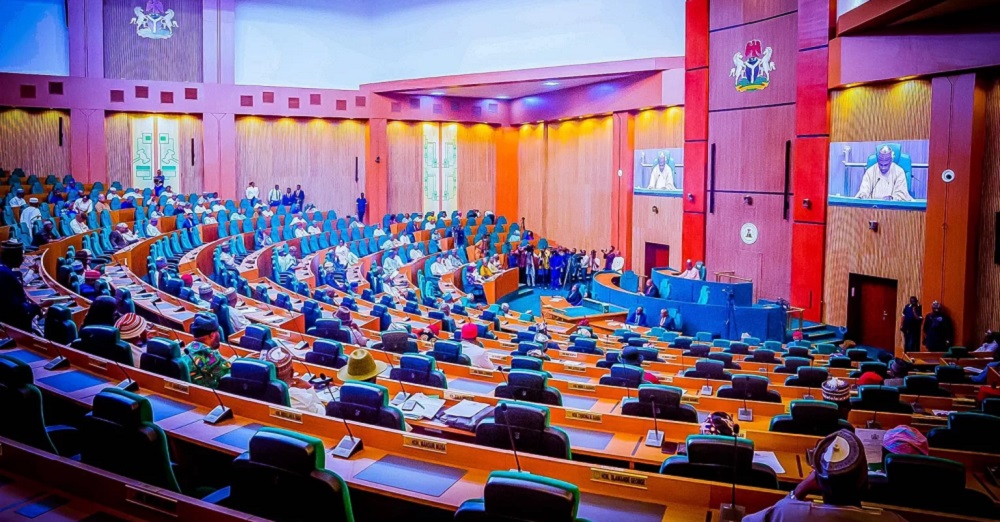
…adjourn plenary till February 17, 2026


By Gloria Ikibah
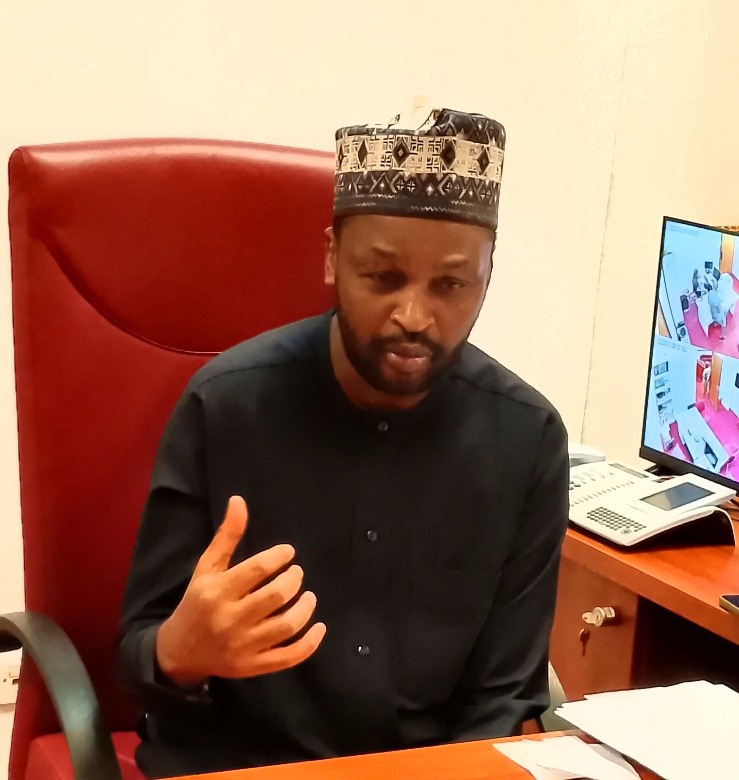
The House of Representatives on Tuesday threw its weight behind President Bola Tinubu’s 2026 Appropriation Bill, as House Leader, Rep. Julius Ihonbvere, urged lawmakers to look beyond short-term discomfort and support what he described as a budget anchored on “consolidation, renewed resilience and shared prosperity”. 
Leading the debate during plenary, Ihonbvere reminded members that the budget, formally titled “The Project of Consolidation, Renewed Resilience, and Shared Prosperity”, was presented to the National Assembly by President Tinubu on 19 December 2025, describing it as “a defining moment in our national journey”.
He said: “This is a journey to peace, growth, stability and sustainable development.
“We use the word development sometimes rather loosely. Development that is not sustainable is only temporary; it is not development at all. And you cannot have development without growth”.
The House Leader who acknowledged that the process of economic reform had been difficult, stressed that hardship was inevitable given what the administration inherited.
“The process of promoting growth is very challenging, difficult and painful. That is what we are going through.
“And it can be more painful if we inherited distorted and disarticulated institutions and structures of our politics and economy, which was exactly the case with the present administration”, he added.
Ihonbvere rejected suggestions that the government could simply wish away structural problems; and insisted, however, that the National Assembly had a duty to provide oversight.
“Nobody has ever promised that the journey of restructuring and repositioning our political economy will not be painless. Nobody has assumed that this administration went to space to bring a new set of Nigerians to make Nigeria a better place. It is the same Nigerians who were here before.
“I’m not saying they are saints or perfect.
“It is our job, as representatives of 360 constituencies, to guide them to do the right things at all times,” he said.
Defending the economic assumptions behind the 2026 budget, Ihonbvere pointed to recent macroeconomic indicators, and stated that Nigeria’s economy grew by 3.98 per cent ahead of the budget cycle, while inflation dropped to 14.45 per cent from about 25 per cent.
“Statistics can be good, sometimes they can mislead, and sometimes they may not reflect our dreams and hopes.
“But we can’t run away from statistics,” he said.
He cited increased revenues, rising exports and improved foreign direct investment, attributing part of the progress to Tinubu’s diplomatic push.
“We all see the activities of the President, moving from one country to the other, in the midst of winter, trying to sign strategic understandings,” he said, pointing to the President’s recent visit to Turkey as “an example of the kind of partnerships Nigeria needs”.
On currency stability, Ihonbvere said the naira had held firm around ₦1,400 to the dollar.
He also praised the government’s monetary restraint.
“Go and check the figures. From over ₦1,800, it is there at ₦1,400 today, as we speak.
“We have not printed a single naira since this government came into office. And to that extent, it has helped to stabilise the system,” he told lawmakers.
He added that external reserves had climbed to a seven-year high of about $47 billion, enough to cover over 10 months of imports.
Outlining the figures before the House, Ihonbvere said the 2026 budget projects total revenue of ₦34.33 trillion against expenditure of ₦58.18 trillion, leaving a deficit of ₦23.85 trillion. Recurrent non-debt spending is pegged at ₦15.25 trillion, while capital expenditure stands at ₦26.08 trillion.
“I think this is a mark of commitment to sustainable development, where capital is higher than recurrent expenditure.
“In many instances, recurrent spending outweighs capital. Most of the money goes into salaries and allowances, whereas capital is neglected,” he stated.
The budget assumes an oil benchmark of $64.85 per barrel and production of 1.84 million barrels per day. Key allocations include ₦5.41 trillion for security and defence, ₦3.56 trillion for infrastructure, ₦3.54 trillion for education and ₦2.48 trillion for health.
“This is a budget that prioritises security and food security.
“By the time you add police and other security expenditures, you can imagine where we are going,” Ihonbvere noted
He described the budget as both a promise and a test of collective resolve; calling for unity, he urged lawmakers to support the proposals.
“This is the dream of the government.
“I believe this administration is committed. I know many in his team are committed, and I know that those of us in the House are committed to ensuring these promises are implemented.
“It is in our collective interest.
“If we work together and commit to a better Nigeria, we can build an environment that allows Nigerians to reach the highest points of their creative and productive abilities.
“I invite my colleagues to support this budget as presented, to keep hope alive, and to recommit ourselves. We are part of the government. Let us join the executive in this budget of consolidation, renewed resilience and shared prosperity”, he said.
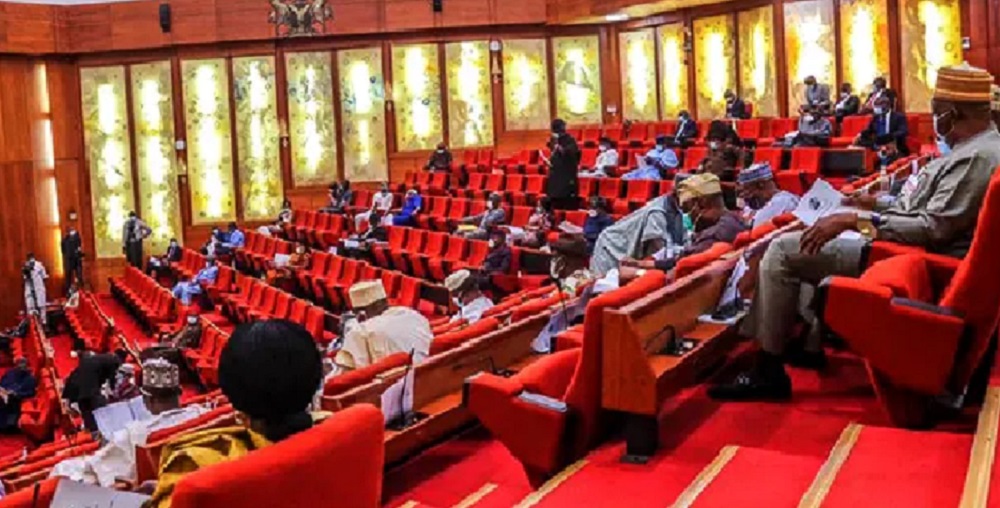
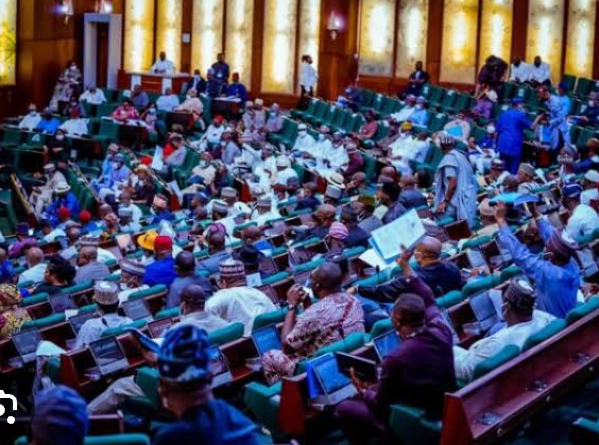
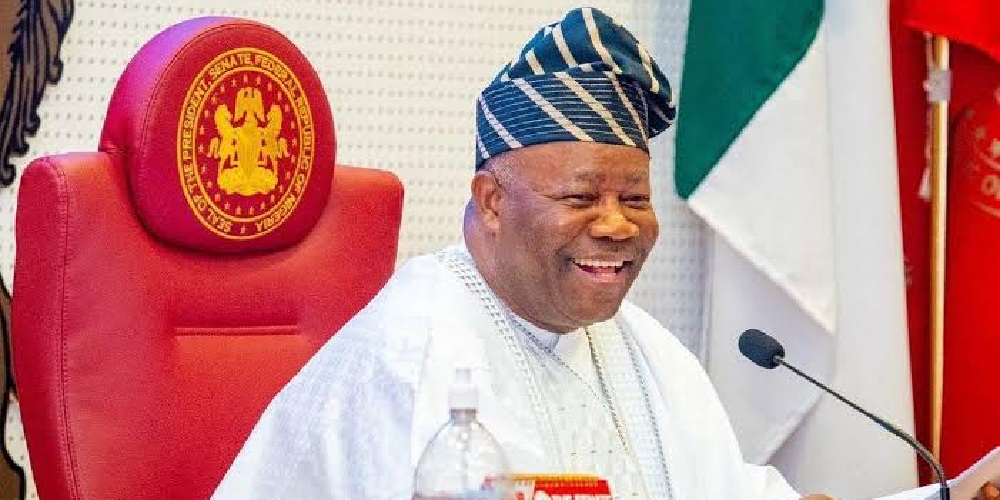
The House unanimously passed the bill when put to a voice vote by the Speaker, Tajudeen Abbas.
He said: “Any contribution before we put the question? We all know that 70% of this budget we are talking about has already been debated earlier, in 2025, so there is very little that is new. If we are comfortable with the professorial introduction of this budget, we can go ahead and put the question.
“Those in support of this motion should say aye.
“Those against should say nay. The ayes have it”.
The House Leader, Rep. Ihonbvere, moved for the House to adjourn for two weeks to enable the committees to carry out budget defence sessions.
The House will resume plenary on February 17, 2026.