By Gloria Ikibah


The House of Representatives has reaffirmed its commitment to reinforcing agencies responsible for tackling financial crimes, aiming to deliver more effective results and improve the country’s reputation internationally.
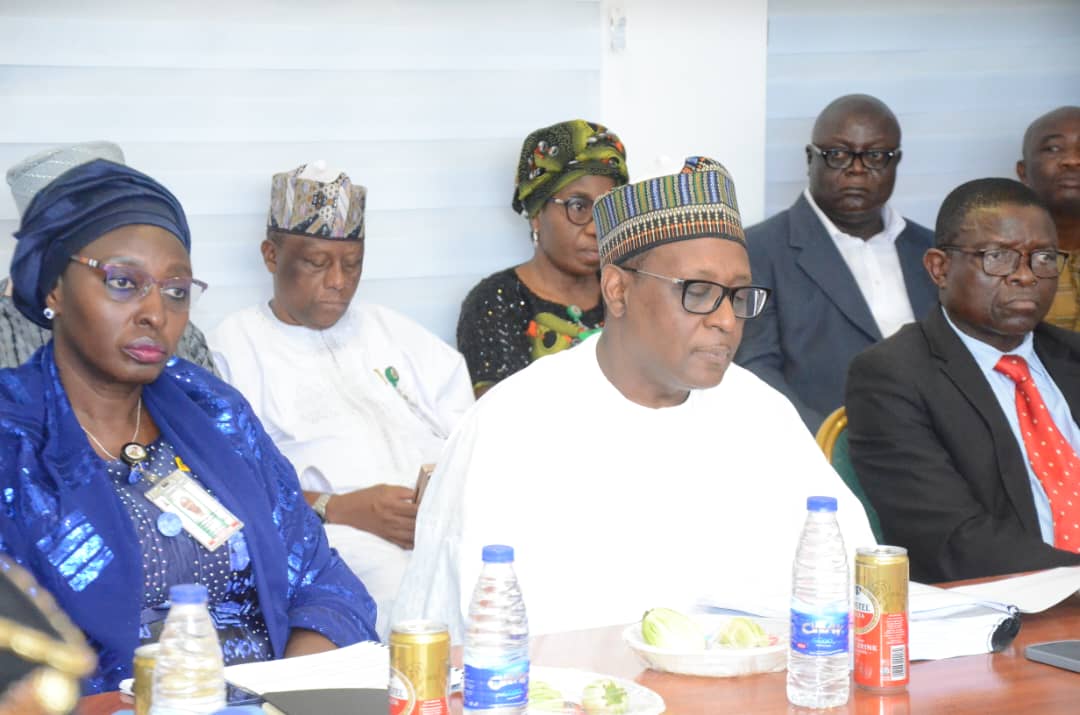
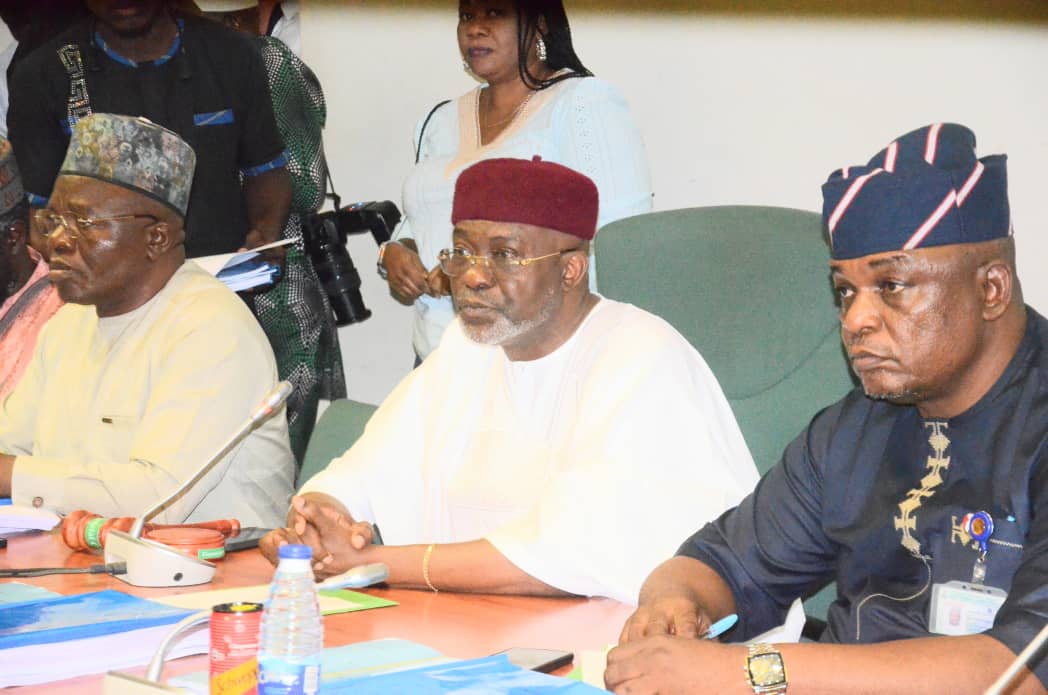
The Chairman House Committee on Financial Crimes, Rep. Ginger Onwusibe, gave the assurance during the 2026 budget defence of the Economic and Financial Crimes Commission and Nigeria Financial Intelligence Unit. 
The 2026 budget places strong emphasis on infrastructure expansion and food security. Broader goals include stabilising the economy, creating a more business-friendly environment, generating employment opportunities and strengthening human capital.
Lawmakers emphasised that achieving these targets will depend heavily on prompt budget implementation, higher oil output and steady growth in non-oil revenue streams.
The committee also acknowledged the tough economic climate currently affecting many Nigerians. With households feeling the strain, lawmakers highlighted the urgent need for practical measures that can drive economic growth, expand job opportunities and raise overall living standards across the country.
Onwusibe said: “As patriots, we must summon our patriotic zeal. Hopes are not lost, as Nigeria’s economy is showing signs of cautious optimism—transitioning from post-reform stabilisation to modest recovery. The International Monetary Fund (IMF) projects a 4.4 per cent growth in 2026, driven by improved macroeconomic stability, structural reforms and a rebound in domestic demand.
The Committee Chairman stressed the important roles of the EFCC and NFIU in combating financial crimes, as he said such crimes constituted a major drain on the economy.
According to him, the agencies’ work in recovering stolen assets, deterring corruption and financial malfeasance, and enhancing financial stability and security is indispensable.
Onwusibe restated the commitment of the 10th House to ensure effective and impactful legislative interventions, and its resolve to enact laws that are robust, coherent and responsive to evolving criminal tactics.
He disclosed that the House is currently examining four major bills designed to improve transparency, safeguard public funds, rebuild trust in the financial system and bring Nigeria in line with international standards. The proposed legislation covers the establishment of the Economic and Financial Crimes Commission, amendments to the Money Laundering (Prevention and Prohibition) Act of 2022, revisions to the EFCC Act of 2004, and changes to the Proceeds of Crime Act. Taken together, the bills are intended to update existing laws, close operational loopholes, reinforce enforcement powers and make it clear that financial crime will not be rewarded, no matter how complex it may be.
He praised both the EFCC and the Nigeria Financial Intelligence Unit for their sustained efforts, pointing in particular to Nigeria’s recent removal from the Financial Action Task Force grey list. He described this development as a major achievement that reflects the government’s resolve to strengthen the country’s framework for tackling money laundering and the financing of terrorism.
The delisting, he noted, is expected to improve Nigeria’s standing globally, increase investor confidence, expand trade opportunities, ease access to international finance and credit, and reinforce the stability and security of the nation’s financial system.
Onwusibe further revealed that by October 2025, the EFCC had made notable progress, recovering more than ₦566 billion, $411 million and 1,502 properties, while securing 3,175 convictions. He also underscored the vital role played by the NFIU in enhancing financial intelligence, describing the results as clear evidence of the competence and commitment of both agencies.
“These achievements, and your uncommon leadership trajectory, are a testament to the leadership of the EFCC Chairman, Mr. Ola Olukoyede, and the NFIU Director, Hajia Hafsat Abubakar Bakari. I strongly commend your efforts and those of your teams,” he added.
He added that while reviewing the agencies’ budgets, the Committee would acknowledge the critical role they play in safeguarding Nigeria’s economy and citizens, while also ensuring that their operations are guided by professionalism, transparency and accountability. The Committee, he said, would scrutinise the budgets to ensure alignment with legislative priorities and optimal use of resources.
Onwusibe explained that the budget defence would focus on strengthening investigative and prosecutorial capacities, enhancing international cooperation and information sharing, improving asset recovery and management, building internal capacity and expertise, and addressing emerging threats such as cybercrime and virtual assets.
He urged that the agencies be provided with the necessary resources and support to continue their vital work, while upholding the highest standards of professionalism and accountability.