
Health
Resident doctors begin indefinite strike Tuesday




The Nigerian Association of Resident Doctors has declared an indefinite nationwide strike beginning at 12:00 a.m. on Tuesday, April 7, 2026, citing what it described as the Federal Government’s plan to halt the implementation of the revised Professional Allowance Table, a key component of agreements reached after its 2025 industrial action.
The decision, which threatens to disrupt healthcare services across public hospitals in Nigeria, was reached at the end of the association’s virtual Extraordinary National Executive Council meeting held on Saturday.
Speaking on the outcome of the meeting, NARD National President, Dr Shuaibu Ibrahim, described the development as “unfortunate,” blaming the Federal Government of Nigeria for pushing doctors toward another industrial action.
“The National Executive Council was informed about the Federal Government’s decision to remove the Professional Allowance Table, a development deemed unfortunate,” he said.
“Following extensive deliberations, the NEC resolved to embark on a total industrial and comprehensive strike beginning at 12:00 a.m. on Tuesday, April 7, 2026.”
The crisis stems from the implementation of a revised Professional Allowance Table negotiated between NARD and the Federal Government following a prolonged strike in 2025. The agreement included improved remuneration packages for resident doctors, covering call duty allowances, shift allowances, rural posting incentives, and non-clinical duty payments.
Although implementation was initially scheduled to commence in January 2026, delays pushed the rollout to February. However, NARD alleged that the government is now planning to discontinue the process by April, a move the association says undermines trust and violates prior agreements.
Healthcare analysts note that disputes over allowances and welfare have been a recurring issue in Nigeria’s health sector, contributing to frequent strikes by medical unions, including the Nigerian Medical Association. These disruptions often reduce access to healthcare services, particularly in public hospitals that cater to the majority of Nigerians.
Outlining the association’s demands, Ibrahim called for the immediate reversal of the government’s decision and settlement of all outstanding entitlements.
“We demand the reversal of the decision to cease the implementation of the PAT starting in April 2026,” he said.
“There must be immediate payment of promotion arrears and salary arrears in affected centres, as well as the prompt conclusion of the process of paying the 2026 Medical Residency Training Fund.”
“We also insist on the immediate processing and payment of the outstanding 19 months’ arrears of the Professional Allowance.”
He further urged members of the association nationwide to remain united.
“The NARD leadership calls on its members to unite in the fight against this injustice and to pursue it to a logical conclusion,” Ibrahim added.
The planned strike raises concerns about the potential impact on Nigeria’s already strained health system. Resident doctors form the backbone of service delivery in tertiary hospitals, handling a large proportion of patient care.
According to health sector data, Nigeria faces a severe shortage of medical personnel, with doctor-to-patient ratios far below the World Health Organization (WHO) recommended standard of one doctor to 600 patients. Estimates suggest Nigeria’s ratio is closer to one doctor per 5,000 patients, particularly in underserved areas.
An indefinite strike could lead to the shutdown of outpatient services, delays in surgeries, and increased pressure on private healthcare facilities, raising concerns among patients and health advocates.
Stakeholders have called for urgent intervention to avert another disruption in the health sector, warning that repeated strikes could worsen the ongoing brain drain among Nigerian doctors seeking better working conditions abroad.
As the strike deadline approaches, attention is now on the Federal Government to engage with NARD and resolve the dispute, with millions of Nigerians potentially affected if negotiations fail.



By Gloria Ikibah
The European Union has announced a major upgrade in its relationship with Nigeria, unveiling a €290 million investment package aimed at boosting key sectors including digitalisation, healthcare, agriculture and migration management.
The announcement was made on the sidelines of the Eighth Ministerial Dialogue in Abuja, co-chaired by Nigeria’s Minister of Foreign Affairs, Yusuf Maitama Tuggar, and the EU’s High Representative for Foreign Affairs and Security Policy, Kaja Kallas.
The funding, part of the EU’s Global Gateway strategy, will support seven new projects designed to strengthen economic cooperation and reflect what both parties described as a renewed political commitment to deeper bilateral ties.
Speaking at the event, Ms Kallas said: “In the current
geopolitical context, the European Union is keen to enhance its partnership with Nigeria. Bringing more EU investment to Nigeria, aligning with the Renewed Hope agenda for the Nigerian Federal Government is a key priority for both sides in this regard”.
EU Commissioner for International Partnerships, Jozef Síkela, highlighted the broader impact of the initiative, stating: “Together with Nigeria, we are investing in the modernisation of the digital sector, a stronger health system and in the development of agriculture. These Global Gateway investments create new quality infrastructures, sustainable jobs and long-term economic opportunities that benefit the Nigerian people, but also create new opportunities for Europe”.
A significant portion of the package — €131 million — is earmarked for digital development. The funding will support the expansion of broadband infrastructure, including the rollout of 90,000 kilometres of fibre optic cable, aimed at improving connectivity and reducing internet costs for millions of Nigerians currently without access. It will also fund the development of secure digital public systems and support large-scale training initiatives under Nigeria’s technical talent programme.
In the health sector, €55 million has been allocated to boost local pharmaceutical production. Through a new credit line backed by the European Investment Bank, Nigerian companies will gain access to preferential loans to support the manufacturing of medicines and vaccines. The initiative will also include vocational training programmes to build expertise within the workforce.
Agriculture is set to receive €86 million in additional support, focusing on cocoa and dairy value chains. The funding will facilitate access to finance for businesses and smallholder farmers, while also promoting climate-smart agricultural practices. The move aligns with Nigeria’s ambition to expand milk production and strengthen its cocoa exports to European markets.
Meanwhile, €16 million has been dedicated to migration-related initiatives. The funds will support the reintegration of returning migrants and enhance efforts to combat human trafficking and smuggling networks. The EU says it will continue to assist stranded migrants wishing to return home voluntarily, while also strengthening support systems to help them rebuild their lives.
The latest commitments add to existing EU-backed projects in Nigeria, including investments in transport infrastructure in Lagos, renewable energy development, democratic governance, and efforts to combat gender-based violence.
With these new agreements, total EU and Team Europe commitments to Nigeria since 2025 now stand at €962.5 million, underscoring what officials describe as a rapidly evolving and increasingly strategic partnership.
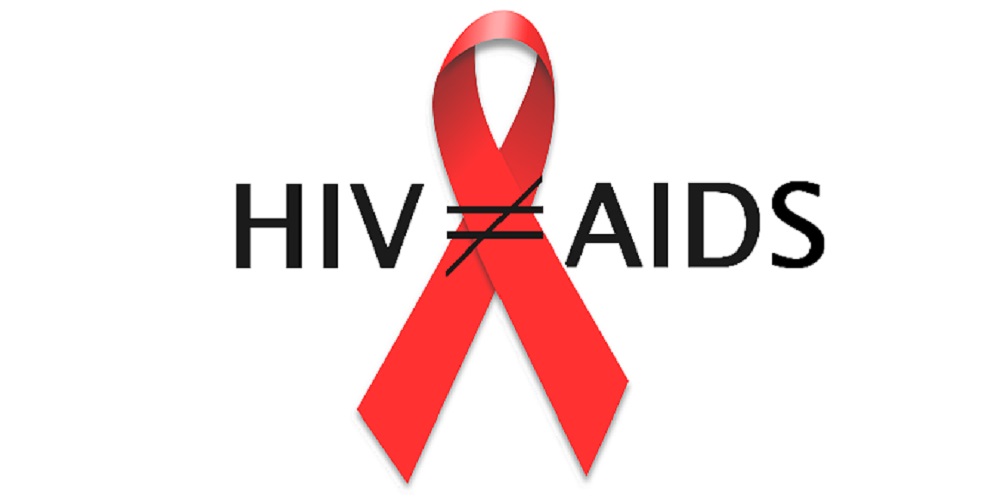
Health experts have raised concerns over the increasing cases of Advanced HIV Disease among children and adolescents in Nigeria, warning that stigma, poor awareness, and limited access to diagnostic tools are worsening the situation.
The warning followed the release of findings by the IMPAACT4HIV Consortium, which conducted research across Lagos, Kano, Rivers, and Gombe states to assess the challenges affecting children living with HIV and their caregivers.
Speaking while presenting the findings to journalists in Abuja on Friday, Executive Director of Support for Women and Teenage Children, Dr Ramat Garra, said many cases of advanced HIV disease could be prevented if there was greater awareness and early access to treatment.
She noted that the study, which used focused group discussions and key informant interviews, revealed that many caregivers and community members had little or no understanding of Advanced HIV Disease or its warning signs.
“In Rivers State, over 60 per cent of community participants showed little to no understanding of AHD warning signs, while caregivers at HIV clinics in Kano said they had never been informed about the condition,” Garra said.
According to her, the lack of awareness often leads caregivers to seek medical help only after the illness has progressed to a critical stage.
She also identified stigma as a major factor contributing to the worsening condition of children and adolescents living with HIV.
Garra said many adolescents stop taking their medications because they fear being seen at clinics, while some parents delay disclosing the HIV status of their children, a situation that allows the disease to advance.
“In Gombe State, three people reportedly died in the past year after stigma pushed them toward herbal remedies instead of seeking medical care,” she added.
The report also highlighted serious gaps in diagnostic capacity in many health facilities, including the unavailability of CD4 count tests, Cryptococcal Antigen tests, and TB-LAM assays used to detect advanced HIV disease.
According to the findings, shortages of testing reagents in Kano caused delays in diagnosis, while some patients with cryptococcal infections in Gombe were discharged without treatment due to a lack of medication.
The consortium further noted that none of the four states studied currently has a standalone policy addressing Advanced HIV Disease, as they all rely on general national HIV guidelines.
Experts warned that the absence of a specific policy framework has resulted in inadequate funding and persistent gaps in the management of advanced HIV cases.
They also pointed to the financial burden faced by many families, noting that while HIV treatment is officially free, indirect costs such as transportation continue to limit access to care.
In Rivers State, for instance, a change in drug pickup frequency reportedly increased transportation costs for caregivers, while in Gombe, some case managers used personal funds to help patients access treatment.
Also speaking, Executive Director of the African Network of Adolescents and Young Persons Development, Aaron Sunday, called on governments, donors, and healthcare providers to intensify efforts to address the growing challenge.
He urged state governments to develop dedicated policies on Advanced HIV Disease with specific budgetary provisions and strengthen adolescent-friendly HIV services.
Sunday also called on the National AIDS and STDs Control Programme and implementing partners to ensure the consistent supply of critical diagnostic tools and integrate AHD screening into paediatric, tuberculosis, and prevention of mother-to-child transmission services.
The IMPAACT4HIV Consortium, which includes the African Network of Adolescents and Young Persons Development, Initiative for Sustainable Community Development, and Support for Women and Teenage Children, said addressing stigma, improving diagnostics, and expanding community awareness would be key to preventing avoidable deaths among children living with HIV in Nigeria.

Health experts have warned that breast cancer cases among women worldwide could increase significantly in the coming decades if stronger prevention and early detection measures are not implemented.
According to recent global health research, the number of women diagnosed with breast cancer each year is expected to rise by about one-third by the year 2050. The projections indicate that annual cases could increase from roughly 2.3 million cases recorded in 2023 to about 3.5 million cases by mid-century.
Breast cancer remains the most commonly diagnosed cancer among women globally, and the rising numbers highlight the growing burden the disease may place on healthcare systems around the world.
In addition to the projected rise in new cases, the number of breast cancer-related deaths is also expected to increase significantly. Experts estimate that annual deaths could grow from around 764,000 currently to nearly 1.4 million by 2050, representing an increase of about 44 percent.
Impact Expected to Be Greater in Developing Countries
Although breast cancer affects women in all parts of the world, researchers say the projected increase will likely have a more severe impact on low- and middle-income countries.
Many of these countries face major challenges in providing adequate cancer screening, diagnosis, and treatment services. Limited access to modern healthcare facilities often leads to late detection of the disease, which reduces the chances of successful treatment.
In contrast, wealthier nations generally have better screening programmes, improved medical technology, and greater access to specialised treatment. This allows many cases to be detected earlier, increasing survival rates.
Health experts warn that without major improvements in healthcare systems in developing regions, the gap in survival rates between high-income and low-income countries could continue to widen.
Lifestyle Factors Linked to Breast Cancer
The study also highlights the role of lifestyle choices and health conditions that can increase a woman’s risk of developing breast cancer.
Researchers estimate that about 28 percent of breast cancer cases globally are linked to several modifiable risk factors. These include unhealthy lifestyle habits and certain medical conditions that may be preventable.
Some of the key risk factors identified include excessive alcohol consumption, smoking, obesity, high blood sugar levels, low physical activity, and high intake of red meat.
Health professionals say that addressing these factors through public education, improved nutrition, and healthier lifestyle choices could help reduce the number of future breast cancer cases.
Rising Cases Among Younger Women
Another concern raised by researchers is the increasing number of breast cancer diagnoses among younger women, particularly those between the ages of 20 and 54.
Although breast cancer is still more common among women aged 55 and above, experts say cases among younger women have been gradually rising over the years. Changes in lifestyle, environmental factors, and reproductive patterns are believed to contribute to this trend.
Call for Stronger Global Action
Medical experts are calling for greater global efforts to combat breast cancer, including expanded screening programmes, improved access to treatment, and stronger public health campaigns focused on prevention.
They stress that early detection remains one of the most effective ways to reduce deaths from breast cancer. When the disease is identified early, treatment options are often more successful and survival rates are significantly higher.
Researchers also emphasize the need for governments and health institutions to invest more in cancer care infrastructure, especially in countries where access to healthcare services remains limited.
With the number of cases expected to rise sharply in the coming decades, experts say coordinated global action will be essential to reduce the future impact of breast cancer and protect the health of millions of women worldwide.

Iran snubs 45-day ceasefire proposal, wants permanent stop to hostilities

Iran: Angry Trump says “I don’t care about commiting war crimes”

Israel hits Iran’s largest petrochemical plant




-

 News23 hours ago
TV, Radio Stations Owners Disown IBAN Over Threat To Boycott Wike’s Media Engagements
-

 Metro8 hours ago
Troops Kill Five Terrorists, Arrest Suspected Kidnapper In Plateau
-

 News23 hours ago
General Bande rtd, formally resigns from PDP
-

 News22 hours ago
Kaduna Community Denies Rescue Of Abducted Worshippers
-

 News8 hours ago
Netanyahu Sacks Chief Of Staff Over Racist Remarks
-

 Entertainment8 hours ago
Seun Kuti narrates how father contracted HIV from one of his wives
-

 News22 hours ago
Kwankwaso Welcomes Ex-Kano Deputy Gov, Gwarzo into ADC
-
 News20 hours ago
Sad: Death toll hits 11 in Benue Easter attack – Community leader reveals