

Connect with us

News

Reps Approve N2.9trn Budgets for FCT, N165.78bn NDDC in Major Spending Push

Published

on

ADVERTISEMENT
Zoom Ad
ADVERTISEMENT
Zoom Ad

By Gloria Ikibah

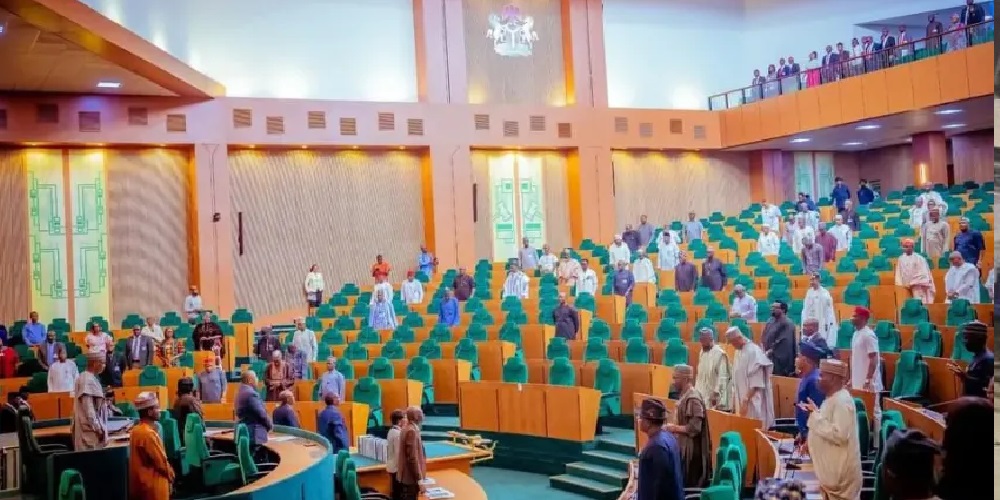
The House of Representatives on Thursday approved the 2026 statutory budget proposals for the Federal Capital Territory Administration and the Niger Delta Development Commission, clearing a combined expenditure of more than N4tn for both agencies.

Lawmakers passed N2.29tn for the FCT Administration and N1.75tn for the NDDC following the consideration and adoption of committee reports presented during plenary.

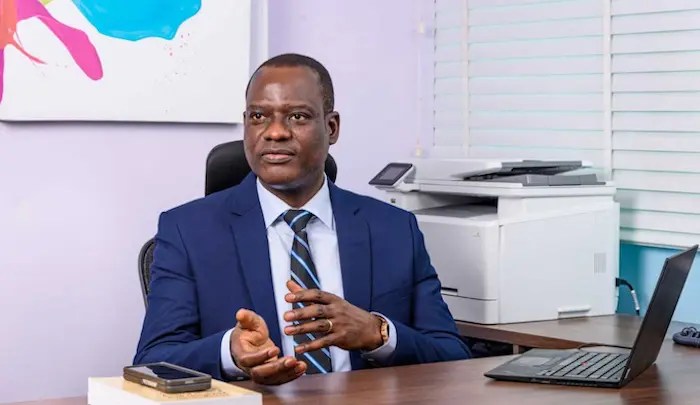
Chairman of the House Committee on the Federal Capital Territory, Muktar Betara, explained that the FCT budget proposal was designed to cover personnel costs, overhead expenses and key infrastructure projects aimed at improving development across the nation’s capital.

Advertisement

According to him, “Out of the N2.29tn, the sum of N165.78bn is for personnel costs while N378.23bn is for overhead costs.

“The balance of N1.74tn is for capital projects, for the service of the Federal Capital Territory, Abuja for the financial year commencing January 1 and ending December 31, 2026.”

A breakdown of the recurrent expenditure showed that the Federal Capital Territory Administration secured N151.44bn for its operations.

As part of efforts to improve security operations within Abuja and neighbouring satellite communities, lawmakers approved N6.79bn for the security services department of the FCTA.

Advertisement

The House also cleared N1.51bn for the FCT Muslim Pilgrims Welfare Board and N910.20m for the Christian Pilgrims Welfare Board.

Under the capital expenditure plan, the education sector received N162bn, while engineering services secured the highest allocation at N758.15bn, reflecting the administration’s strong focus on infrastructure expansion and urban development.

The resettlement and compensation department was allocated N143.18bn, public buildings received N2.38bn, while satellite towns development got N212.74bn to support growing suburban communities around the capital.

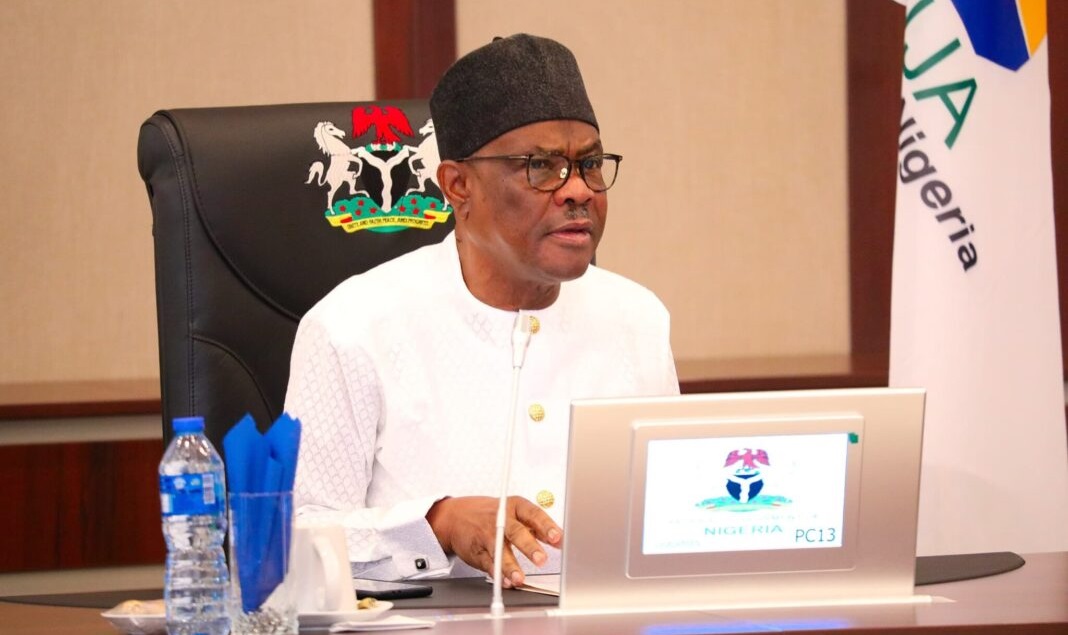
Lawmakers also approved the N1.75tn 2026 budget of the NDDC following the presentation of a report by House Committee Chairman Erhiatake Ibori-Suenu.

Advertisement

Breakdown of the appropriation showed that N47.57bn was set aside for personnel costs, while overhead expenses stood at N49.93bn. Internal capital expenditure received N22.36bn, with the largest portion of the budget — N1.63tn — earmarked for development projects across oil-producing communities in the Niger Delta.

The approvals come at a time when the Federal Government is under mounting pressure to improve infrastructure, security and basic services in both the capital territory and the Niger Delta region.

For the FCT, the 2026 budget is expected to support ongoing road construction, public school upgrades, expanded surveillance operations and accelerated development in satellite towns that continue to experience rapid population growth and increasing pressure on public infrastructure.

The substantial allocation to engineering services is expected to drive transport projects, urban renewal programmes and the completion of ongoing construction works aimed at reducing traffic congestion and improving movement within the capital city.

Advertisement

Funding for resettlement and compensation is also considered significant amid persistent disputes surrounding land acquisition, demolitions and the relocation of communities affected by public infrastructure projects.

The increased allocation to satellite towns is widely seen as an attempt to narrow the development gap between central Abuja and surrounding residential districts, many of which continue to struggle with inadequate roads, water supply and other basic amenities despite housing a large share of the city’s workforce.

In the Niger Delta, the approval of the N1.75tn NDDC budget is expected to strengthen intervention programmes targeting underdevelopment, environmental damage and unemployment across the oil-rich region.

A significant portion of the commission’s capital spending is expected to go towards road construction, shoreline protection, power projects, healthcare facilities, educational support and youth empowerment schemes across the nine Niger Delta states.

Advertisement

The approval also comes amid renewed public scrutiny over the commission’s finances and project delivery process following years of allegations linked to abandoned contracts, financial irregularities and weak accountability mechanisms.

Lawmakers have repeatedly stressed the need for the NDDC to improve transparency and ensure that projects directly improve living conditions in communities impacted by decades of oil exploration activities.
Continue Reading
Advertisement

News

Xenophobic Attacks: Details of What Nigeria, South Africa Discussed

Published

on

ADVERTISEMENT
Zoom Ad
ADVERTISEMENT
Zoom Ad

The Federal Government has demanded urgent action from South Africa to end recurring attacks on Nigerians and other African nationals, disclosing that 98 Nigerians have been killed in mob and hate-related incidents in the country since 2022.

The Minister of State for Foreign Affairs, Ambassador Sola Enikanolaiye, made the demand in Abuja on Monday while receiving South Africa’s Minister of International Relations and Cooperation, Ronald Lamola.

Lamola was sent to Nigeria as a special envoy by South African President Cyril Ramaphosa amid growing diplomatic tension over repeated attacks on foreign nationals.

The envoy delivered a message from Ramaphosa to President Bola Tinubu before holding talks with senior Nigerian officials led by Enikanolaiye.Executive Branch

Advertisement

Enikanolaiye said Tinubu directed the meeting to allow both countries to frankly discuss what he described as persistent “Afrophobic attacks” against Nigerians and other African migrants in South Africa.

“We have seen a pattern that has become a concern to the Nigerian government,” he said.

The minister cited outbreaks of anti-migrant violence dating back to 1995 and said official records showed that 98 Nigerians had been killed in mob attacks and hate-related violence in South Africa since 2022.

He warned that the continued attacks could damage the long-standing strategic relationship between Africa’s two largest economies.

Advertisement

Enikanolaiye urged Pretoria to take immediate and concrete measures to protect Nigerians and other foreign nationals legally residing in the country.Politics

The minister disclosed that the Federal Government had evacuated more than 1,500 Nigerians from South Africa following previous attacks.

He described receiving some of the evacuees as an emotional experience, noting that many returned home without their possessions.

“I shed tears when I received the first batch of evacuees. I saw children, women and the elderly returning home with almost nothing after their properties had been looted and destroyed. That is not the Africa we want,” he said.

Advertisement

Enikanolaiye said several victims were lawful residents and raised concerns over the alleged failure of South African security personnel to intervene during some attacks.

He argued that such incidents raised questions about state responsibility and the safety of foreigners living in South Africa.

The minister stressed that Nigeria would not defend citizens involved in drug trafficking or other criminal activities.

He, however, insisted that suspects must be arrested and prosecuted through the legal system rather than subjected to mob violence.

Advertisement

“Nigeria will not support drug traffickers or any criminal activity, but those accused of crimes must be treated in accordance with the rule of law, South Africa’s Constitution and international human rights standards,” Enikanolaiye said.

He maintained that criminal allegations should not be used to justify attacks on Nigerians and other migrants.

Enikanolaiye reminded the South African delegation of Nigeria’s role in the struggle against apartheid and the subsequent cooperation between both countries.

He recalled their collaboration in transforming the Organisation of African Unity into the African Union and promoting the New Partnership for Africa’s Development.

Advertisement

Despite the current tension, the minister reaffirmed Nigeria’s commitment to maintaining cordial relations with South Africa.

He expressed hope that continued dialogue would rebuild confidence, strengthen bilateral relations and protect the principle of African solidarity.

Responding, Lamola said his visit was aimed at reaffirming the historic friendship between Nigeria and South Africa while addressing concerns over violence against foreign nationals.

He acknowledged Nigeria’s contribution to the struggle against apartheid, saying South Africans remained grateful for the sacrifices made.

Advertisement

“We remain deeply indebted to the people of Nigeria for their sacrifice,” Lamola said.

He added that Ramaphosa and the South African government remained opposed to xenophobia, racism, discrimination, homophobia and other forms of intolerance.

The envoy, however, maintained that South Africa had a sovereign responsibility to enforce its immigration laws and combat irregular migration and criminal activities.

He identified drug trafficking, internet fraud and other offences as challenges the government was determined to address.

Advertisement

Lamola described migration as a continental challenge requiring cooperation among African countries under the African Union’s framework on orderly and regular migration.

“We believe that Nigeria and South Africa have a shared responsibility to respond to these challenges within the African continent,” he said.

He added that further details of Ramaphosa’s message to Tinubu would be discussed during a closed-door session.

Advertisement
Continue Reading

News

Details Of Alleged Coup Leader’s Agenda Note Emerge

Published

on

ADVERTISEMENT
Zoom Ad
ADVERTISEMENT
Zoom Ad

Alleged masterminds of the failed plot to overthrow President Bola Tinubu’s administration had reportedly drawn up a three-point programme for implementation after taking control of government.

The proposed measures included a review of the removal of petrol subsidy, an adjustment of salaries and wages for members of the Armed Forces and other security agencies, and national honours for military personnel killed in active service.

According to Premium Times, details of the plan were reportedly contained in a handwritten note recovered from the residence of the alleged leader of the plot, an Army colonel, Mohammed Ma’aji.

Ma’aji and some of the alleged conspirators are currently facing proceedings before military and civil courts over the purported attempt to remove the democratically elected government.

Advertisement

The allegations against them have not been established by the courts.

Premium Times revealed that the document was among confidential materials gathered by investigators examining the alleged conspiracy.Government

A page of the note, titled “Immediate Actions,” reportedly listed the steps the alleged plotters intended to take after seizing power.

It read, “Set up a committee to review fuel subsidy removal.

Advertisement

“Set up a committee to review salaries and wages of all members of the Armed Forces and all security agencies.

“Set up a committee to recommend all fallen heroes for national award.”

Investigators reportedly said the note was recovered from Ma’aji’s home and subjected to forensic examination by the Economic and Financial Crimes Commission.

The forensic report, dated January 26, was said to have been forwarded to the Defence Headquarters.

Advertisement

Colonel Admits Writing Note
Ma’aji reportedly admitted ownership of the document in a handwritten statement made during interrogation.

He was said to have told investigators that he personally wrote the proposed “action plans,” motivational statements and other entries in preparation for an alleged takeover of government.

Although the document was written in a jotter distributed as a souvenir at a social event, investigators reportedly considered its contents significant to understanding the alleged plot and the thinking of those involved.

The note was also said to contain about 20 motivational statements, which investigators believed reflected Ma’aji’s state of mind during the planning.

Advertisement

One of the entries read, “Money is the great way to lubricate the wheels of a coup d’état.”

Another stated, “All our dreams can come true if we have the courage to pursue them.”

The collection also included the statement, “Try not to become a man of success but a man of value,” which Ma’aji attributed to scientist Albert Einstein.

Other entries encouraged courage, persistence and the pursuit of long-term ambitions.

Advertisement

Plotters Allegedly Targeted Subsidy Policy
The reported proposal to review the removal of petrol subsidy appeared designed to address the economic hardship experienced by Nigerians since the policy was announced.Geographic Reference

Tinubu declared an end to fuel subsidy payments during his inauguration on May 29, 2023.

The decision led to a sharp rise in petrol prices and contributed to increases in transportation, food and other living costs.

Investigators reportedly believed the alleged conspirators hoped that reversing or reviewing the policy would attract public support for their planned government.

Advertisement

The proposed subsidy review was seen as the alleged plotters’ offer to Nigerians outside the military, while the other two measures focused on the welfare and recognition of security personnel.

Documents reviewed during the investigation reportedly showed that Ma’aji identified the salaries, allowances and living conditions of military personnel as a major reason for the alleged conspiracy.

In his statement, the colonel claimed there was widespread dissatisfaction among officers and soldiers over the treatment of their welfare.

“If you interact with officers and soldiers, 80 per cent are disgruntled already. And it was a voluntary thing. Nobody was coerced,” he reportedly wrote.

Advertisement

Ma’aji further claimed that he had abandoned the idea at one point but was encouraged to continue by other officers.

“In this recent effort, I had given up the motive, but some officers kept texting and calling for my intervention.

“There were none who, after I spoke to them, drew back after sharing the plan with them. The desire for change is genuine, and that has been what has kept the plan alive for a long time,” he added.

Military Welfare Remains Contentious

Advertisement

The remuneration and welfare of Nigerian military personnel have remained subjects of public concern for several years.Geographic Reference

Serving and retired personnel have repeatedly complained that their salaries and allowances do not adequately reflect the risks and demands associated with military service.

Families of personnel killed in active duty have also called for improved compensation, housing, education and long-term support.

Although the Federal Government has periodically introduced welfare measures and reviewed some allowances, military personnel and veterans have maintained that the interventions have not kept pace with inflation and the rising cost of living.

Advertisement

Investigators reportedly believed that the proposed national honours for fallen personnel and the review of security agencies’ salaries were intended to present the alleged takeover as an effort to improve conditions within the Armed Forces

Continue Reading

News

Kebbi Weds 600 Couples, Pays ₦250k Dowry Each

Published

on

ADVERTISEMENT
Zoom Ad
ADVERTISEMENT
Zoom Ad

Kebbi State Governor, Nasir Idris, on Monday conducted a mass wedding for 600 couples drawn from less privileged backgrounds in Birnin Kebbi, the state capital.

The ceremony was attended by the daughter of President Bola Ahmed Tinubu, Dr.
Mujidat Folashade Tinubu, alongside Islamic scholars and other dignitaries from across the state.

Speaking at the event, Governor Idris said the mass wedding was facilitated through his wife, Dr. Nafisa Nasir Idris’ NANA Foundation, in collaboration with the state government, in line with Islamic injunctions. He pledged that the initiative would continue for as long as he remains governor of the state.

According to the governor, the programme sponsored 300 women and another 300 beneficiaries, including widows and persons with disabilities.

Advertisement

The government, through the foundation, also paid an Islamic dowry of ₦250,000 for each couple.
Governor Idris congratulated the newly married couples and urged them to uphold the values and responsibilities of marriage in accordance with the teachings of Islam.
He also expressed appreciation to everyone who attended the ceremony, especially Dr. Mujidat Folashade Tinubu, Islamic clerics, and other dignitaries who graced the occasion.

Continue Reading

Trending

Copyright © 2024 Naija Blitz News