By Gloria Ikibah


The House of Representatives has commenced the process of amending the South-South Development Commission (SSDC) Establishment Act, 2025, in a move aimed at expanding the commission’s funding base and strengthening its capacity to address the region’s longstanding developmental challenges.
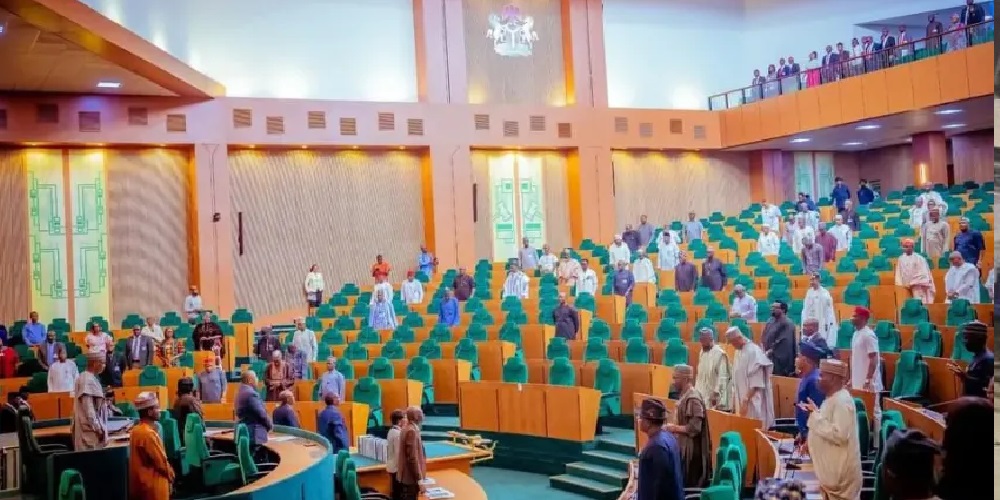
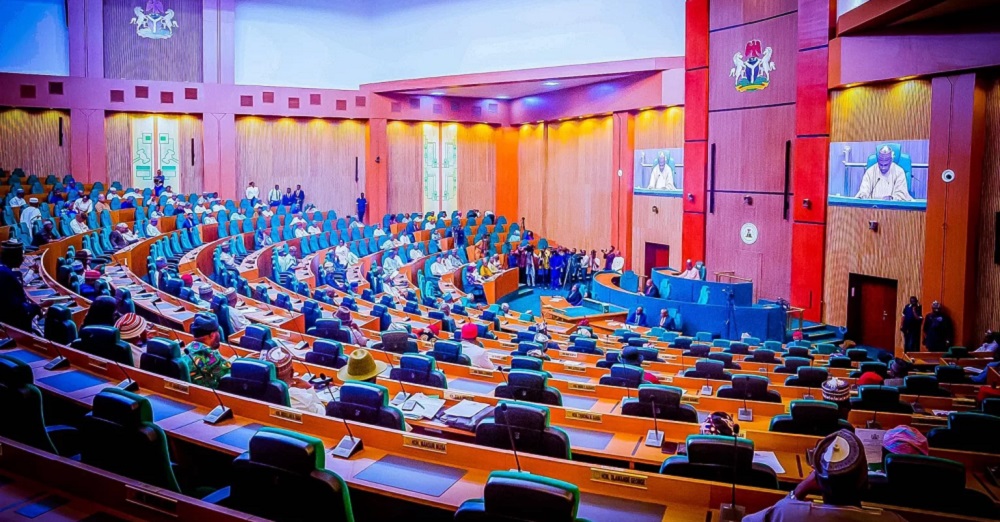
The House Committee on the South-South Development Commission on Wednesday held a public hearing on the proposed amendment, drawing governors, ministers, heads of government agencies, industry operators, civil society organisations and other stakeholders to examine plans for a broader statutory funding framework for the commission. 
Declaring the hearing open, Speaker of the House of Representatives, Rt. Hon. Tajudeen Abbas, said the bill was designed to place the South-South Development Commission on a stronger financial footing by creating additional statutory sources of revenue similar to those available to other regional development commissions.
He reiterated the commitment of the 10th House to building what he described as a “People’s House”, where Nigerians are actively involved in shaping legislation through transparent and inclusive processes.
According to the Speaker, public hearings are more than constitutional formalities.
Abbas said: “The bill before us seeks to strengthen the financial framework of the South-South Development Commission by introducing additional statutory sources of funding to support the commission in the effective discharge of its mandate.
“They are practical expressions of participatory democracy, accountability and inclusive governance”.
Abbas noted that while the establishment of the South-South Development Commission recognised the region’s strategic importance as the hub of Nigeria’s oil and gas industry, many communities continue to grapple with environmental degradation, ecological damage, inadequate infrastructure, youth unemployment and other socio-economic challenges.
He, however, cautioned that any proposal introducing new financial obligations or altering existing statutory revenue arrangements must be subjected to careful legislative examination.
He said lawmakers must ensure that any amendment is equitable, fiscally responsible, transparent and sustainable.
The Speaker urged stakeholders to make evidence-based submissions that would help the National Assembly produce balanced legislation capable of delivering meaningful development to the South-South.
He also disclosed that the House would soon hold an “Open Week” to deepen public engagement with Parliament, improve understanding of the legislative process and strengthen citizens’ confidence in democratic institutions.
Earlier, Chairman of the House Committee on the South-South Development Commission, Rep. Julius Gbabojor Pondi, said the proposed amendment seeks to broaden the commission’s sources of revenue in order to improve its effectiveness.
Pondi explained that the bill proposes statutory contributions from extractive industries, agricultural processing companies, allocations from the Ecological Fund and a share of Value Added Tax (VAT) revenue, among other funding mechanisms.
He said that despite the South-South’s enormous contribution to Nigeria’s economy through oil and gas production, maritime activities and industrial development, the region continues to face significant developmental challenges resulting from decades of intensive resource extraction.
According to him, the commission currently operates under a relatively limited funding structure, making it difficult to fully deliver on its statutory mandate.
“The central argument underpinning the proposed amendment is the need to bring the South-South Development Commission substantially at par with other regional development commissions established by the Federal Government,” Pondi said.
He added that although the South-South generates a substantial portion of Nigeria’s national wealth, the commission requires a more sustainable funding model to meet the developmental aspirations of the people.
Pondi assured participants that the public hearing was intended to encourage open and constructive engagement rather than endorse predetermined outcomes.
He therefore pledged that all memoranda and submissions received during the exercise would be given fair and objective consideration before the committee presents its recommendations to the House for further legislative action.