Connect with us

Health

What is being released to NCDC is a drop in the ocean- Senate C’ttee laments

Published

on

ADVERTISEMENT
Zoom Ad
ADVERTISEMENT
Zoom Ad

Poor  funding could undermine the ability of the North Central Development Commission (NCDC) to deliver on its mandate, the Senate has said, insisting that the N2.9 billion monthly allocation being released to the commission is only “a drop in the ocean” compared to its N140 billion budget  allocation for 2026.

The Chairman of the Senate Committee on the North Central Development Commission, Titus Zam, sounded the warning while briefing journalists after an interactive session between the committee and the commission’s management at the National Assembly on Tuesday.

According to him, the current monthly release would amount to less than half of the commission’s approved budget if maintained throughout the year, expressing optimism that the federal government would increase funding as the commission becomes fully operational.

“If you give someone that has a budget of N140 billion, N2.9 billion per month, in 12 months, it won’t be up to half of the entire budgetary sum,” Zam said.

Advertisement

“I suppose that is just a temporary package. When the commission finally comes to fruition, much more funds will be released. So we thank Mr President and the Executive for dropping something now, but we look forward to more.”

The lawmaker, however, assured that the Senate Committee would ensure the prudent utilisation of the funds already released by providing effective oversight and guiding the commission on areas of priority.

He urged the commission to focus its interventions on agriculture, security and rural development, stressing that the North Central region is largely agrarian and continues to face serious security challenges.

“North Central is mostly an agricultural land. We have arable land, we have good rainfall and vegetation. There is policy for agriculture. We need the department of NCDC to take agriculture very seriously.

Advertisement

“We also have a challenge of insecurity. The commission is advised to support the security forces and state governments to complement their efforts towards mitigating the tide of insecurity within the region.

“We also ask them to take rural development very seriously because we are also rural in nature,” Zam said.

Continue Reading
Advertisement

Health

Cholera outbreak kills two inmates at Kano custodial centre

Published

on

By

ADVERTISEMENT
Zoom Ad
ADVERTISEMENT
Zoom Ad

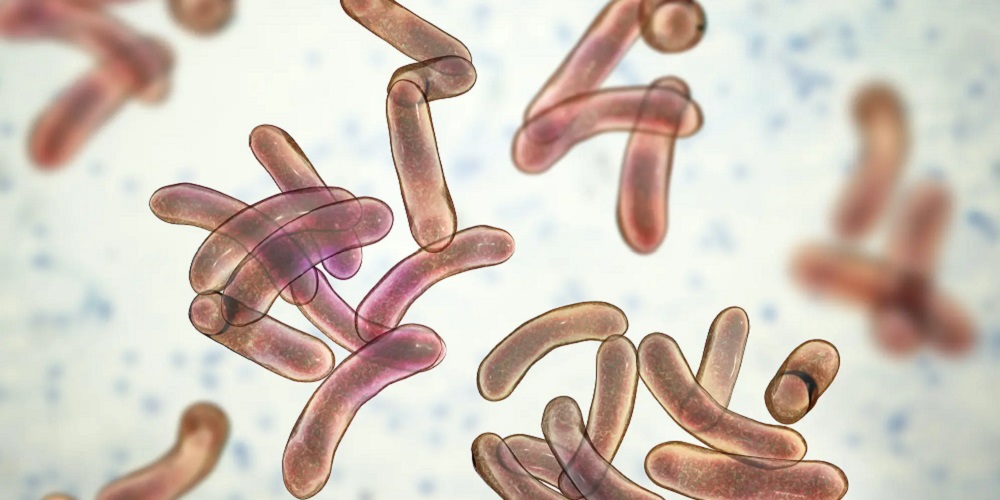
Two inmates have died following a cholera outbreak at the Kurmawa Medium Security Custodial Centre in Kano State, the Nigerian Correctional Service has said.

The NCoS said the outbreak was confirmed through laboratory tests on September 23 by its medical team and Kano State public health authorities.

In a statement issued on Saturday by its spokesman, Chief Superintendent of Corrections, JN Osuji, the Service said the outbreak was first detected on September 17 after an inmate developed vomiting and diarrhoea.

“The inmate was immediately admitted and treated at the facility’s medical centre, while emergency medical protocols were activated the following morning as health workers intensified medical intervention and monitoring,” Osuji said.

Advertisement

According to the statement, one of the deaths occurred at the custodial centre, while the other was recorded at the Kano State Infectious Diseases Hospital.

The Controller-General of Corrections, Sylvester Ndidi Nwakuche, expressed condolences to the families of the deceased and directed that measures to protect inmates and personnel be sustained.

“The Service regrets that the outbreak claimed two lives; one at the facility and the other at the Kano State Infectious Diseases Hospital,” the statement said.

The NCoS said its coordinated interventions had brought the outbreak under control, adding that no further deaths had been recorded since the diagnosis.

Advertisement

It said additional preventive measures had also been introduced in collaboration with the Kano State Government to reduce the risk of another outbreak.

The service added that continuous disease surveillance, early detection and prompt medical intervention were being strengthened across custodial facilities.

Nwakuche also directed a team of senior medical personnel from the Service’s National Headquarters to proceed to the facility for sustained monitoring.

“The Controller-General has further directed a team of senior medical personnel from the Service’s National Headquarters to proceed to the facility for sustained monitoring of the situation,” the statement added.

Advertisement

The service reassured the public that healthcare services remained available to inmates through qualified medical personnel and urged Nigerians to rely on verified information from official channels.

Continue Reading

Health

Diphtheria: Death toll rises to 27 as suspected cases hit 303 in Plateau

Published

on

By

ADVERTISEMENT
Zoom Ad
ADVERTISEMENT
Zoom Ad

The death toll from the outbreak of Diphtheria in Plateau State has risen to 27 while suspected cases have hit 303.

The State Epidemiologist, Dr Maren Damulak , disclosed the figures while speaking with newsmen in Jos, the state capital on Wednesday.

This is just as the state government said it is making efforts to contain the outbreak of the disease.

He said most of the suspected cases were recorded in Jos North LGA, with Rikkos community identified as one of the worst-affected areas.

Advertisement

“As of today, the cases have increased from 149 to 303. The death has also increased from 23 to 27. The high cases of the disease are in Jos North. 99 % of the cases are in Jos North.”

“Most of the people that were affected were those that did not take diphtheria vaccine. Apart from Jos North, we also have few cases from other LGAs Children account for a significant proportion of those affected,” Damulak said.

The state government had last week ordered temporary closure of all public and private primary and secondary schools following the detection of suspected cases in Jos North, Jos South, Bassa and Wase Local Government Areas.

The measure, according to the government, was aimed at reducing transmission among students and school staff while health authorities strengthen surveillance and response activities.

Advertisement

Our correspondent reports that some patients are currently receiving treatment at the Jos University Teaching Hospital, JUTH, and Plateau State Specialist Hospital, PSSH, where isolation facilities have been provided.

In Jos North, the local government council has deployed additional logistics, including motorcycles, to enhance contact tracing, field surveillance and community outreach.

Governor Caleb Manasseh Mutfwang had on Monday directed the immediate mobilisation of drugs and other medical commodities to health facilities to combat the disease.

The Director-General of the Plateau State Drug and Medical Commodity Management Agency, PSDMA, Pharmacist Kim Jerry Bot, disclosed that government intervention was already ongoing at JUTH and PSSH.

Advertisement

Bot said the state government acted swiftly following reports of the outbreak, adding that efforts were underway to extend the support to other affected health facilities.

Meanwhile, the Executive Chairman of Jos North Local Government Council, Barrister John Kyohroh Christopher, on Wednesday urged residents to prioritise personal and environmental hygiene to help curb the spread of the disease.

Christopher spoke during an on-the-spot assessment of affected communities and a visit to some suspected patients receiving treatment at the Primary Healthcare Clinic in Abba Na Shehu Ward.

Advertisement
Continue Reading

Health

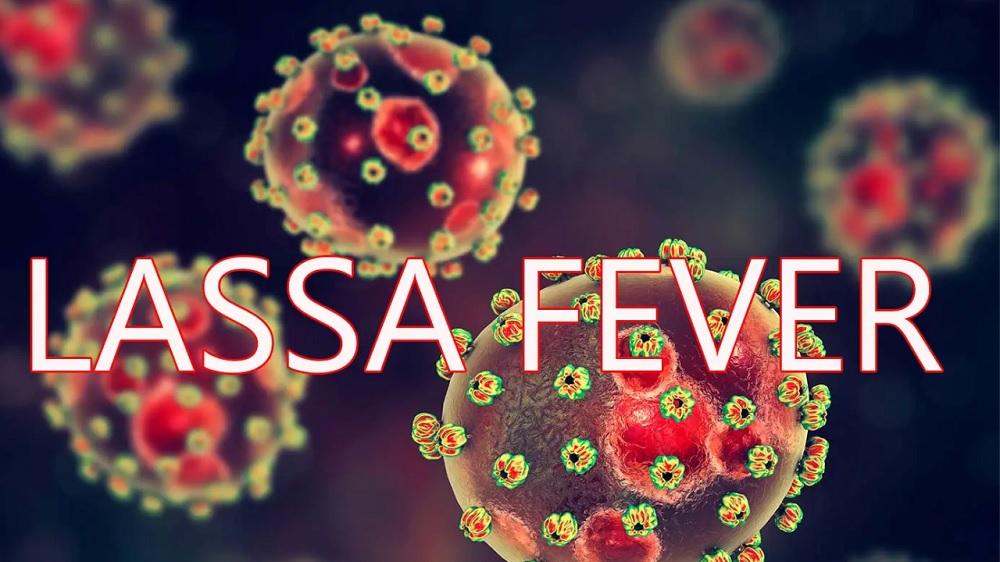
2026: Nigeria records 252 Lassa fever deaths, 1,035 confirmed cases

Published

on

By

ADVERTISEMENT
Zoom Ad
ADVERTISEMENT
Zoom Ad

Nigeria has recorded 1,035 confirmed cases of Lassa fever and 252 deaths across 23 states and 117 Local Government Areas (LGAs) in the first 33 epidemiological weeks of 2026, with the fatality rate rising to 24.4 per cent.

The latest Lassa Fever Situation Report of the Nigeria Centre for Disease Control and Prevention (NCDC), covering August 10 to 16, showed that the country recorded 14 new confirmed cases and two deaths during epidemiological week 33.

The 2026 cumulative figures represent an increase from the 854 confirmed cases and 159 deaths recorded during the same period in 2025, when the Case Fatality Rate (CFR) stood at 18.6 per cent.

According to the report, the 14 new confirmed cases recorded in week 33 were reported in Ondo, Edo, Bauchi and Benue States, representing a sharp rise from the four cases recorded in epidemiological week 32.

Advertisement

The NCDC said five states accounted for the overwhelming majority of confirmed infections in the country, with 87 per cent of all confirmed cases reported from Ondo, Bauchi, Taraba, Edo and Benue states.

Ondo State accounted for 33 per cent of the cases, followed by Bauchi with 25 per cent, Taraba 13 per cent, Edo 10 per cent and Benue six per cent. The remaining 13 per cent of cases were reported across 18 other states.

The report further indicated that people aged 21 to 30 years constituted the predominant age group affected, although confirmed cases ranged from one to 93 years, with a median age of 30 years. The male-to-female ratio among confirmed cases was 1:0.9.

The NCDC also disclosed that 54 healthcare workers have been affected by Lassa fever in 2026, although no new healthcare worker infection was recorded during week 33.

Advertisement

It said 12 patients were being managed at treatment centres during the reporting week, bringing the cumulative number of cases managed at treatment centres in 2026 to 783.

On contact tracing, the report said 2,007 contacts had been listed cumulatively, with 168 still under follow-up. A total of 1,836 contacts had completed follow-up, while 110 symptomatic contacts had been identified and 49 tested positive.

The NCDC said it had intensified interventions to contain the outbreak, including training healthcare workers, strengthening infection prevention and control measures, supporting active case search and contact tracing, and pre-positioning personal protective equipment and other supplies in health facilities.

It also said a 30-day Healthcare Worker Protection Plan had been developed to reduce infections among frontline health workers in endemic states, with support from the World Health Organisation and the US Centers for Disease Control and Prevention.

Advertisement

The agency said National Rapid Response Teams had also been deployed across seven high-burden states, while Incident Management Systems for Lassa fever had been activated in Benue, Plateau, Kebbi, Kano and Gombe states.

However, the NCDC identified late presentation of cases, poor health-seeking behaviour linked to the high cost of treatment, poor environmental sanitation, low awareness in high-burden communities and healthcare worker infections as major challenges to controlling the disease.

The agency urged states to sustain community engagement on Lassa fever prevention throughout the year, while advising healthcare workers to maintain a high index of suspicion, make timely referrals and commence treatment promptly, alongside strict adherence to infection prevention and control procedures.

The NCDC further called for stronger state capacity to prevent, detect and respond promptly to Lassa fever outbreaks.

Advertisement
Continue Reading

Trending

Copyright © 2024 Naija Blitz News