Condoms are among the most effective tools for reducing the risk of sexually transmitted infections (STIs) and preventing unintended pregnancy. Condoms are recommended because they offer strong protection against many infections spread through semen, vaginal fluids and blood.


However, condoms do not provide 100 per cent protection against every STI. This is because some infections spread through direct skin-to-skin contact and can affect areas that a condom does not cover. As a result, it is still possible to contract certain infections despite using a condom correctly.
Human papillomavirus (HPV) 
HPV is the most common sexually transmitted infection globally. It spreads through intimate skin-to-skin contact and can infect areas around the genitals, anus and groin that may not be covered by a condom.
While many HPV infections clear on their own, some types can cause genital warts, while others increase the risk of cervical, anal, penile and throat cancers. Although condoms reduce the risk of transmission, they cannot eliminate it completely.
Genital herpes
Genital herpes is caused by the herpes simplex virus (HSV). It spreads through direct skin contact with an infected area, even when there are no visible sores. Because herpes can affect the skin around the genitals, buttocks or upper thighs, the virus can still spread from areas not covered by a condom. Appropriate condom use lowers the risk but does not completely prevent transmission.
Syphilis
Syphilis is a bacterial infection that often begins with a painless sore. The sore can appear on the penis, vagina, anus, mouth or nearby skin. If the sore is outside the area protected by a condom, the infection can still spread through direct contact during sex.
Early diagnosis and treatment are important because untreated syphilis can lead to serious health complications.
Mpox
Although mpox is not classified as a traditional STI, it can spread during sexual activity through prolonged skin-to-skin contact, contact with body fluids or exposure to infectious skin lesions.
Condoms cannot protect areas such as the thighs, buttocks or other parts of the body where mpox lesions may be present.
Avoiding intimate contact with anyone who has symptoms remains an important preventive measure.
Molluscum contagiosum
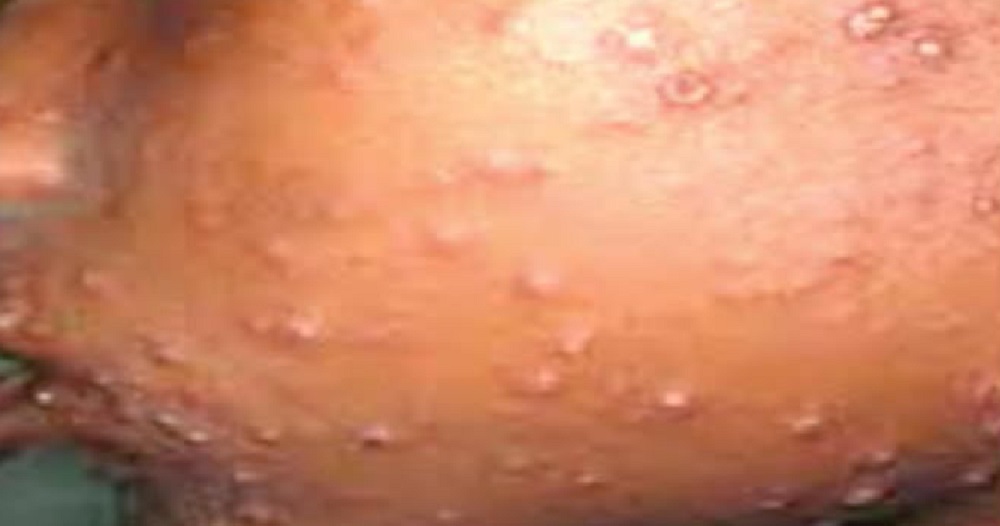
Molluscum contagiosum is a viral skin infection that can spread through direct skin contact, including sexual contact in adults. It causes small, smooth, raised bumps that may appear on or around the genitals.
Since these bumps can develop outside the area covered by a condom, transmission is still possible despite condom use.