

Connect with us

News

Move to bus terminals or be shut down – FCTA tells transport operators

Published

on

ADVERTISEMENT
Zoom Ad
ADVERTISEMENT
Zoom Ad


The Federal Capital Territory Administration (FCTA) has warned commercial transport operators operating from illegal parks and roadside locations across Abuja to move to the designated bus terminals or be shut down.

The Mandate Secretary, FCTA Transportation Secretariat, Mr Chinedum Elechi, gave the directive during a press conference in Abuja on Thursday.

Elechi warned that all unauthorised loading points would be shut down and non-compliant vehicles impounded without further notice.

Advertisement

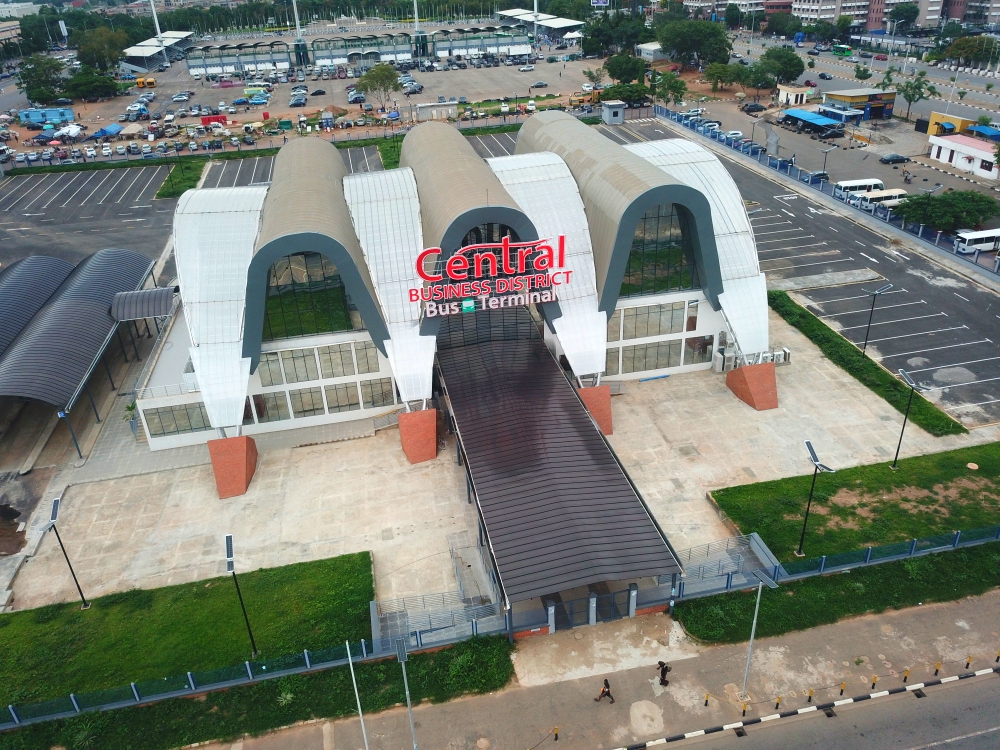
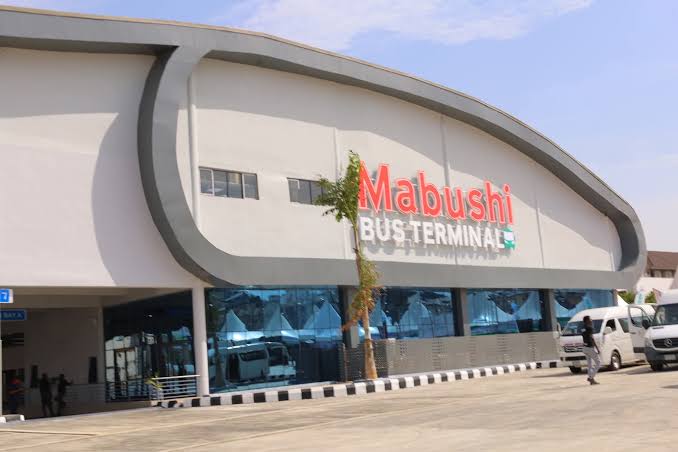
He recalled that the administration had earlier directed all transport operators to move to fully operationalise ultra-modern bus terminals, beginning with the facility in Mabushi.

He stressed that the drive to clear the streets of unauthorised motor parks stems from a direct mandate given by the FCT Minister, Nyesom Wike, to bring order, decency, and security to the nation’s capital.

“The Federal Capital City is the capital of Nigeria, just like London is to the UK or Paris to France.

“Our capital cannot be different. At the root of decency and a modern city is a functional public transportation system. The days of everybody doing what they like in the FCT are over,” he said.

Advertisement

The mandate secretary highlighted that the FCTA has invested billions of Naira to construct the ultra-modern terminals in Mabushi, Kugbo and the Central Business District (CBD).

This, he said, marks the first time in the FCT’s 50-year history that such state-of-the-art transit hubs have been developed.

Beyond enhancing the city’s aesthetic appeal and boosting tourism, Elechi emphasised that centralising transit operations within official terminals is vital to curbing criminality.

He said that the operation of the bus terminals would particularly address illegal transit operations locally known as “one chance” robberies, alongside drug and arms trafficking.

Advertisement

He revealed that recent trial enforcement operations vindicated the administration’s aggressive stance.

“About two weeks ago, we carried out a trial enforcement and impounded vehicles after issuing quit notices.

“Believe it or not, we discovered highly illegal products inside some of those ad-hoc seizures. What we saw was frightening.

“As such, proper profiling of operators at official terminals will dramatically reduce citywide insecurity,” he said.

Advertisement

To ensure efficient management of the bus terminals, the FCTA has partnered with private operators, including Planet Projects, under a Public-Private Partnership (PPP) framework.

Elechi dispelled rumors that the government intends to deprive transporters of their livelihoods, clarifying that operators are merely being relocated from hazardous roadside setups into fully equipped, secure facilities.

“We are not taking food from anybody’s table. We are asking you to leave unsafe, unhealthy roadside locations for modern bus terminals built with government resources. Nobody is going to lose anything,” he said.

Expressing frustration over past non-compliance, the mandate secretary noted that despite previous impoundment of more than 100 vehicles—where defaulting drivers were released after signing undertakings—many operators routinely returned to illegal loading spots.

Advertisement

He warned that the secretariat is backed by Order 1 established under President Olusegun Obasanjo’s administration and the Transportation Regulations of 2023.

He added that with the regulations, the Transport Secretariat holds full legal authority to license operators, seal unauthorised private premises used as makeshift parks, and confiscate non-compliant vehicles.

“They sign an undertaking, and the next day they are back on the road. It is a cat-and-mouse game, and we are tired of it.

“If you rent private premises or take over any small space and turn it into an illegal motor park, we will seal off the premises, impound your vehicles, and enforce the law to the letter.

Advertisement

“With full backing from the FCT Minister and the Presidency, we will maintain a zero-tolerance policy against illegal transport operations to restore order and safety to Abuja,” he said.

Continue Reading
Advertisement

News

WAFCON 2026: Super Falcons to battle Cameroon in quarter-finals

Published

on

ADVERTISEMENT
Zoom Ad
ADVERTISEMENT
Zoom Ad


After a poor start to their campaign at the 2026 Women’s African Cup of Nations (WAFCON), Nigeria have qualified for the quarter-finals of the competition. The reward for that is a face-off with rivals Cameroon.

The Super Falcons defeated Egypt 6-2 in their last Group C game on Wednesday to finish second behind Malawi after a frenetic ending to matches in the group. Half of the six Nigerian goals came from penalties, converted by record six-time Women’s African Footballer of the Year Asisat Oshoala, Christy Ucheibe and Rasheedat Ajibade.

Gift Monday, Uchenna Kanu and Joy Omewa also scored for the Super Falcons, who led 2-1 at half-time. Nadin Ghazy bagged a brace for Egypt, one from a penalty. The Cleopatras of Egypt ended the group stage having no points from three matches.

Advertisement

Nigeria, Zambia and Malawi ended on six points after three games. But CAF’s rules meant that goal difference across the whole group was not enough to separate the three nations.

That meant only the matches among the three teams were used under the head-to-head tiebreak. With that, Zambia dropped to third despite winning two games and having six points.

Leading 2026 WAFCON scorer Barbra Banda netted after just two minutes for Zambia, and Prisca Chilufya added a second goal before half-time. But the goal Tabitha Chawinga scored for Malawi in the 72nd minute proved crucial as it took the landlocked southern African nation to the top of the table despite trailing.

Cameroon have already booked their place in the knockouts as Group D leaders, having beaten Ghana and Mali, and will face Cabo Verde in their last game. Nigeria’s game against Cameroon will take place on Sunday. The game renews the rivalry between Nigeria and their neighbours, with the winner sealing an automatic ticket to the 2027 Women’s World Cup in Brazil.

Advertisement

Malawi, the lowest-ranked of the 16 qualifiers for the tournament, finished first and will face Ghana or Mali for a place in the semi-finals and a ticket to the 2027 World Cup in Brazil.

Hosts Morocco will play South Africa, and Cote d’Ivoire will take on Algeria on Saturday.

Continue Reading

News

Abbas hails Team Nigeria for sterling outing at Commonwealth Games

Published

on

ADVERTISEMENT
Zoom Ad
ADVERTISEMENT
Zoom Ad

By Kayode Sanni-Arewa

The Speaker of the House of Representatives Hon. Abbas Tajudeen, has hailed Team Nigeria on their sterling performance at the Commonwealth Games in Glasgow, Scotland, saying the national contingent made their country proud at the sports tournament.

Speaker Abbas, in a statement issued by his Special Adviser on Media and Publicity, Musa Abdullahi Krishi, commended the Nigerian athletes for their patriotism and commitment to their country, noting that they were strongly determined to keep Nigeria on the map of sports excellence.

While noting that trophies and medals only symbolise performance ratings, the Speaker noted that it is discipline, resilience, and determination that make victory a reality. These, he stated, have earned Nigeria 24 medals—10 gold, 7 silver, and 7 bronze—at the latest edition of the Commonwealth Games.

Advertisement

Describing Team Nigeria as the country’s “global sports ambassadors,” Speaker Abbas thanked the Nigeria Olympic Committee and the National Sports Commission for creating the logistics and support needed for the athletes to win medals.

The Speaker urged Nigerians, especially the youth, to draw inspiration from Team Nigeria, especially regarding discipline and excellence in any field they find themselves in. He urged all to remain patriotic citizens and good ambassadors of Nigeria across the world.

Continue Reading

News

Aviation Agencies, Airlines Clash Over 5% Levy as Minister Misses Reps Hearing

Published

on

ADVERTISEMENT
Zoom Ad
ADVERTISEMENT
Zoom Ad

By Gloria Ikibah

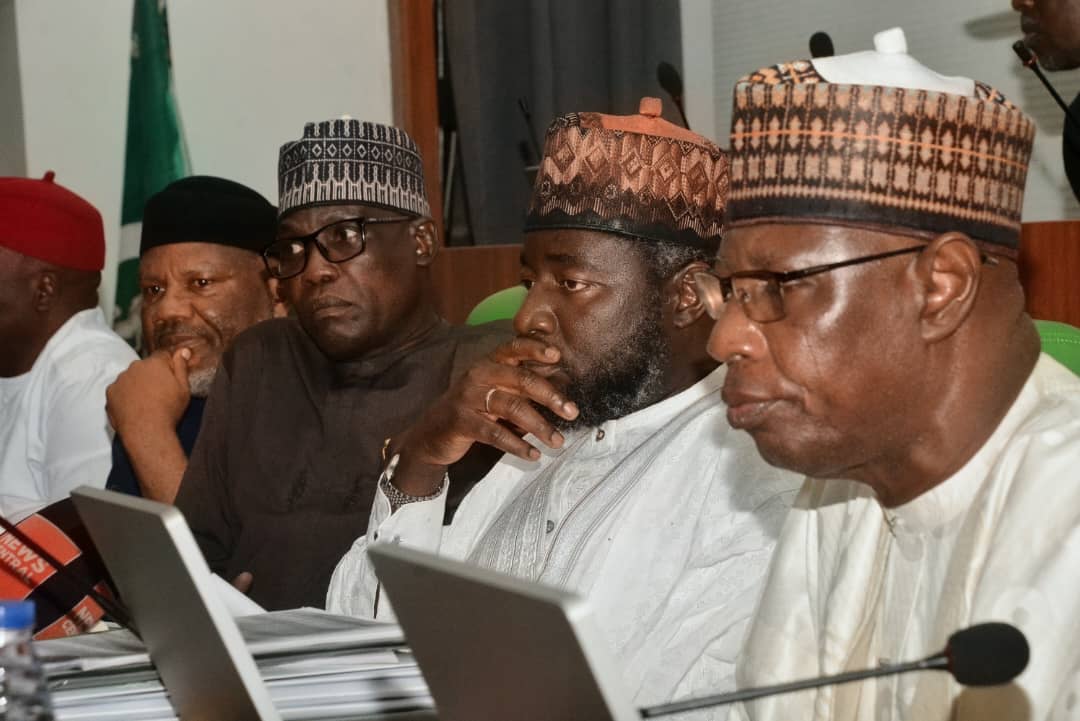
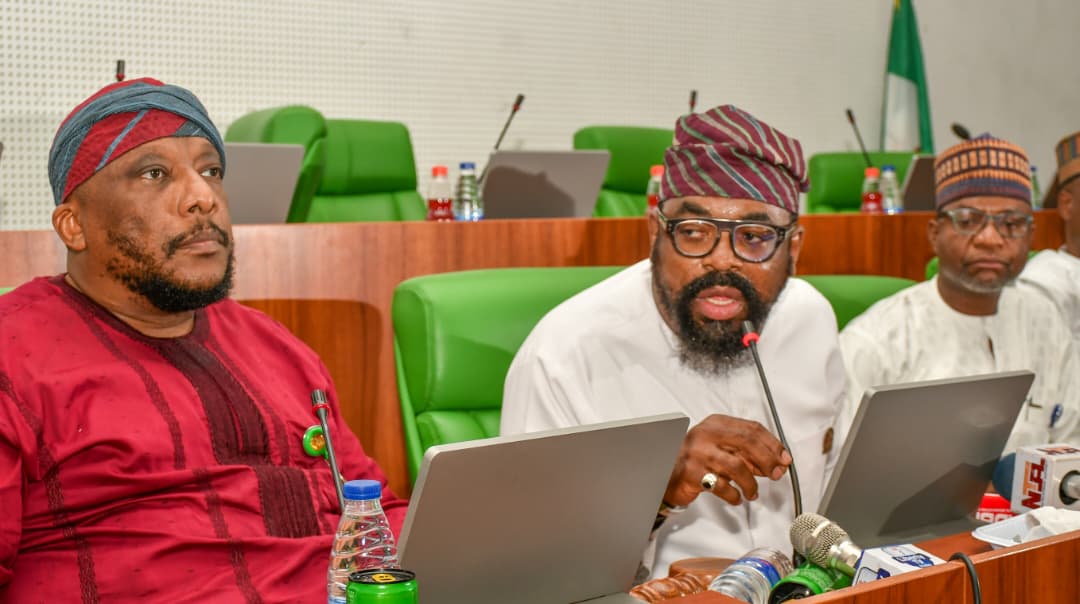
Sharp divisions emerged within Nigeria’s aviation industry on Thursday as regulators, service providers, airline operators and aviation training8 institutions advanced conflicting proposals on how the statutory five per cent Ticket Sales Charge (TSC) should be shared during a public hearing organised by the House of Representatives Committee on Aviation.

The hearing, which focused on proposed amendments to the Civil Aviation Act, 2022 and the Nigerian Airspace Management Agency (NAMA) Act, brought together major stakeholders seeking changes to the current revenue allocation formula.

Noticeably absent was the Minister of Aviation and Aerospace Development, Festus Keyamo, despite the significance of the proposed amendments to agencies under his supervision.

Advertisement

Although stakeholders agreed that the aviation sector requires stronger and more sustainable funding, there was little consensus on how the existing revenue should be distributed.

However, the Nigerian Civil Aviation Authority (NCAA) opposed any reduction in its allocation, insisting that the regulator depends heavily on the Ticket Sales Charge to discharge its statutory oversight responsibilities.

Director-General of Civil Aviation, Capt. Chris Najomo, argued that while the NCAA supports improved funding for all aviation agencies, any review of the revenue-sharing formula must comply with International Civil Aviation Organisation (ICAO) standards.

According to him, unlike NAMA, which generates significant income from commercial air navigation services, the NCAA relies substantially on the statutory levy to perform its regulatory functions.

Advertisement

“We submit that NCAA’s allocation of the five per cent Ticket Sales Charge be restored to 65 per cent to overcome the deficiencies identified by ICAO at its last audit and bring Nigeria in line with global best funding practices,” Najomo said.

He stressed that aviation safety depends on more than legislation.

“Aviation safety is not sustained by legislation alone. It depends upon competent inspectors, effective surveillance, continuous certification, recurrent technical training, international cooperation and an independent regulator possessing the financial capacity to discharge its statutory mandate,” he added.

Domestic airline operators, however, maintained that the issue goes beyond simply redistributing the existing revenue.

Advertisement

Speaking on behalf of the Airline Operators of Nigeria (AON), former NAMA Managing Director and aviation expert, Capt. Roland Iyayi, described the current funding structure as outdated and burdensome to operators.

“The five per cent service charge has outlived its usefulness. It has created a burden on domestic airlines,” Iyayi said.

He disclosed that the association had already submitted a comprehensive proposal advocating broader institutional reforms across the aviation sector rather than merely adjusting the current sharing formula.

According to him, airlines are struggling with escalating operational costs, particularly aviation fuel, which now accounts for nearly 40 per cent of operating expenses.

Advertisement

He explained that many operators now find it increasingly difficult to remit the statutory levy because much of their ticket revenue is consumed by fuel costs.

While backing NAMA’s request for a larger share of the existing pool, the airline operators proposed replacing the percentage-based levy with a unit charge system similar to the Passenger Service Charge collected by the Federal Airports Authority of Nigeria (FAAN).

Iyayi also proposed the establishment of an Aviation Development Fund into which all industry revenues would be paid before being transparently distributed among aviation agencies.

He further urged lawmakers to exempt aviation agencies from the Fiscal Responsibility Commission’s remittance requirements, arguing that surplus revenues should remain within the aviation sector for infrastructure development instead of being transferred to the Consolidated Revenue Fund.

Advertisement

The airline operators also recommended that revenues from obstacle clearance fees currently collected by the NCAA should be transferred to NAMA, which they said performs the technical assessments required for such approvals.

Declaring the hearing open on behalf of the Speaker of the House of Representatives, Rt. Hon. Abbas Tajudeen, Chairman of the House Committee on Aviation, Rep. Abdullahi Idris Garba, said the proposed amendments were intended to strengthen transparency, improve institutional funding and enhance safety across Nigeria’s aviation sector.

He assured stakeholders that every memorandum submitted during the hearing would receive fair and objective consideration before the committee presents its recommendations to the House of Representatives.

The committee is expected to review all submissions before deciding whether to amend the contentious revenue-sharing formula governing the aviation industry’s five per cent Ticket Sales Charge.

Advertisement
Continue Reading

Trending

Copyright © 2024 Naija Blitz News