Connect with us

Health

Abuja hospital denies organ trafficking, suspends kidney transplant services

Published

on

ADVERTISEMENT
Zoom Ad
ADVERTISEMENT
Zoom Ad

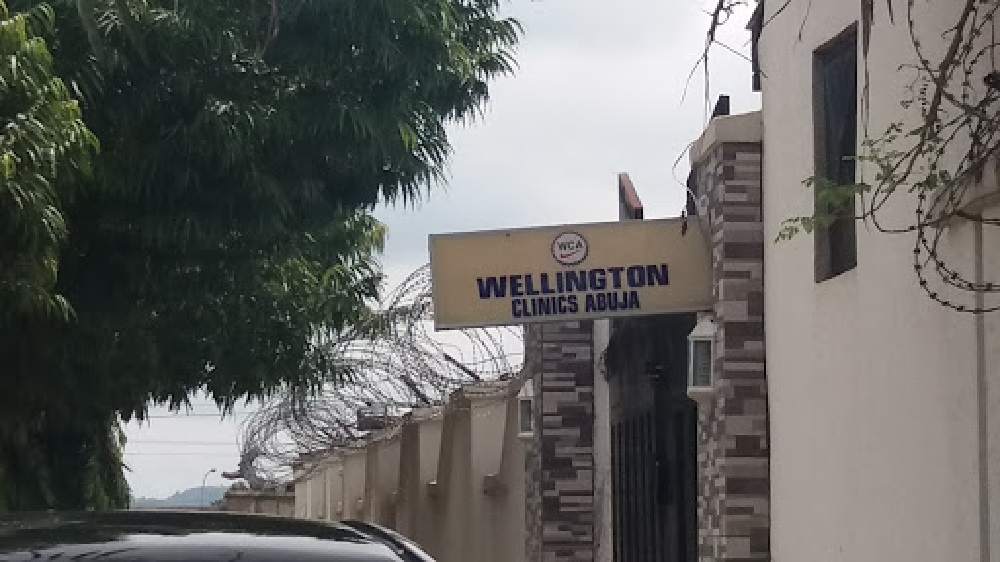
An Abuja-based hospital, Wellington Clinics, has denied involvement in alleged transactional organ harvesting linked to a kidney transplant performed at its facility, saying it neither participated in nor benefited from any financial arrangement involving the donor or recipient.


The hospital also disclosed that it had suspended all renal transplant-related services pending the conclusion of investigations into the circumstances surrounding the April 24, 2026 kidney operation.

The clarification came amid an ongoing investigation by the Nigeria Police Force into an alleged organ-harvesting and human-trafficking syndicate in Abuja and Nasarawa State.

Police recently arrested and paraded four suspects, including two medical doctors linked to Wellington Hospital, over allegations that a 22-year-old man, identified by the police as Samuel Ezekiel, was deceived into undergoing kidney removal at the Abuja facility.

Advertisement

The police alleged that the victim was paid $1,250, approximately N1.7million, for the kidney.

Wellington Clinics, however, said its records showed that the donor was admitted under the name Abubakar Hassan and that the procedure was conducted by a specialist team led by a Senior Consultant Nephrologist and Chief Executive Officer, Crown Medical and Kidney Centre, Dr Benjamin Oyimeh.

In a statement signed by its Director of Administration, Yemi Olatunbosun, and made available to journalists on Tuesday, the hospital said its involvement was limited to providing an equipped operating theatre and an appropriate environment for the procedure under a pre-agreed facility rental arrangement.

The clinic stated, “Wellington Clinics did not participate, facilitate, negotiate, or benefit from any transactional arrangements.”

Advertisement

It added that the procedure was carried out under the supervision of a licensed senior consultant nephrologist, and that the specialist team retained responsibility for the donor and recipient throughout the process.

According to the hospital, its collaboration model with specialist medical teams means that the lead consultant is responsible for patient recruitment, clinical evaluation, donor-recipient compatibility assessment, informed consent, ethical screening and other clinical and medico-legal matters.

The clinic said the consultant and his team were also responsible for ensuring compliance with the National Health Act 2014 and applicable guidelines of the Medical and Dental Council of Nigeria.

Wellington said the donor was admitted on April 24, 2026, as a scheduled kidney donor and underwent a left donor nephrectomy the same day.

Advertisement

The kidney, it said, was subsequently transplanted into a patient suffering from end-stage kidney failure.

The facility stressed that neither the donor nor recipient died as a result of the operation.

The hospital said the donor presented several documents during admission, including a court affidavit, digital National Identification Number slip, birth certificate issued by the National Population Commission, affidavit of consent and statutory declaration of age.

It added that the donor was accompanied by a man identified as Abubakar Isa, who was presented as his brother.

Advertisement

According to the statement, the hospital’s records showed that the donor was admitted as Abubakar Hassan, with a date of birth of February 4, 2000, and hospital number WCA/8066/2026.

Wellington said he was discharged on April 28, four days after the operation.

The hospital further disclosed that he was readmitted on July 11 for wound management and removal of residual stitches and discharged on July 13.

It explained that the donor had informed the hospital that he had travelled and was therefore unable to attend some of his earlier scheduled follow-up appointments.

Advertisement

The hospital’s account comes against the backdrop of the police allegation that the donor’s real name was Samuel Ezekiel and that his identity was allegedly changed for the purpose of the procedure.

The police investigation, according to reports, centres on allegations that vulnerable young people were recruited through deception and that documents were allegedly manipulated to facilitate kidney removal.

The police have not yet made a final determination on the culpability of the hospital, doctors or other persons connected to the case, and the allegations remain subject to investigation and due process.

Wellington, meanwhile, maintained that there was no indication at the time of admission that the documents presented by the donor were false or that his identity had been misrepresented.

Advertisement

The clinic stated, “Since the records department of Wellington relied on the above documents submitted on admission, as per the current level of practice, we were not aware or suspicious of any misrepresentation or manipulation of identity at the time.”

It further said it had no independent information suggesting that there was a financial or other transactional relationship involving the nephrology team, donor, recipient or any other person connected to the transplant.

The hospital argued that its role did not extend to conducting forensic investigations into the personal relationship between donors and recipients beyond the identification documents, declarations and other records presented as part of the medical process.

It said the donor was treated in its records as a consenting adult donor.

Advertisement

Wellington also denied knowledge of any alleged payment for the kidney, insisting that the facility’s understanding was that the transplant was being undertaken to save the life of a patient suffering from end-stage kidney disease.

The clinic said it had nevertheless taken the allegations seriously and decided to suspend its renal transplant-related services while the authorities investigate.

The statement said the hospital was “cooperating fully with the relevant investigative authorities probing the circumstances surrounding the kidney transplant.”

It added that the facility would abide by the outcome of the investigations.

Advertisement

The hospital said, “We remain committed to ethical and evidence-based healthcare and will continue to cooperate with all relevant investigative and regulatory authorities.”

The controversy comes at a particularly sensitive time for Nigeria’s organ-transplantation sector.

In March 2025, the Federal Government launched the Standards and Guidelines for Establishing and Coordinating Organ/Tissue Transplantation Services in Nigeria, aimed at strengthening ethical safeguards, transparency and accountability in transplantation.

The Federal Ministry of Health and Social Welfare said the framework was developed in response to concerns over unethical practices in organ transplantation and was designed to protect both donors and recipients. It identified ethics, donor protection, patient safety, minimum standards and compliance requirements among the key areas covered by the guidelines.

Advertisement

At the launch, the then Minister of State for Health, Dr Iziaq Salako, said the framework was intended to regulate organ and tissue transplantation and restore confidence in the system.

The ministry also said it planned to map and certify health institutions involved in organ donation and transplantation and establish an organ donation and transplantation registry and banking system.

The renewed attention to the issue also follows Nigeria’s broader struggle with ethical concerns surrounding organ transplantation, including allegations of exploitation of vulnerable people.

The Federal Government had acknowledged in 2025 that the country had witnessed troubling incidents involving unethical organ harvesting and other excesses in the transplantation space, stressing the need for stringent safeguards to protect donors and recipients.

Advertisement

Under the National Health Act, the use and allocation of human organs for transplantation are subject to prescribed procedures, while contravention of the relevant provisions, including charging a fee for a human organ, attracts criminal sanctions.

The police investigation gained national attention after allegations surfaced that Samuel Ezekiel, 22, was allegedly recruited and taken to Wellington Hospital in Life Camp, Abuja, for kidney removal. Police subsequently announced the arrest of Emmanuel Ode, Dr Benjamin Oyimeh, Dr Daniel Otukpa and David Idoko in connection with the alleged organ-harvesting and human-trafficking network.
Continue Reading
Advertisement

Health

109 children die as measles spreads to 14 states

Published

on

By

ADVERTISEMENT
Zoom Ad
ADVERTISEMENT
Zoom Ad

No fewer than 109 people have died from measles in Nigeria as outbreaks of the vaccine-preventable disease have been recorded in 71 local government areas across the country, according to data obtained from the Nigeria Centre for Disease Control and Prevention.

The figures were contained in the Measles Situation Report obtained from the NCDC, which showed that 9,308 suspected measles cases were reported across the 36 states and the Federal Capital Territory during the first seven months of the year.

The agency stated that “7,713 of the suspected cases, representing 82.86 per cent, were confirmed, while 522 cases, representing 5.60 per cent, were discarded and 1,073 cases, or 11.52 per cent, were pending.”

The report put the case fatality ratio at 1.41 per cent, with 109 deaths recorded during the period.

Advertisement

According to the NCDC, “a total of 611 LGAs across 36 states and FCT reported at least one suspected case.”

The agency further stated that “the age group 9 – 59 months accounted for over 58.67% of the confirmed cases in 2026,” highlighting the heavy burden among children below five years of age.

The development comes amid continued efforts by the Federal Government and development partners to strengthen routine immunisation and prevent outbreaks of vaccine-preventable diseases across the country.

Measles is one of the most contagious infectious diseases and spreads rapidly among people who are not immune. Children who are unvaccinated or incompletely vaccinated are particularly vulnerable to severe disease and complications.

Advertisement

The NCDC data showed that the northern part of the country carried the larger share of the burden, recording 7,268 suspected cases and 6,601 confirmed cases during the period.

The southern states, meanwhile, recorded 2,040 suspected cases and 1,112 confirmed cases.

“Six northern states — Borno, Zamfara, Yobe, Bauchi, Katsina and Kebbi — accounted for 62.82 per cent of the 9,308 suspected cases reported nationwide,” the report stated.

Borno recorded the highest number of suspected cases, with 2,673, of which 2,660 were confirmed.

Advertisement

Zamfara followed with 1,157 suspected cases and 1,142 confirmed cases, while Yobe recorded 792 suspected and 766 confirmed cases.

Bauchi had 471 suspected cases and 456 confirmed cases, Katsina recorded 414 suspected and 211 confirmed cases, while Kebbi had 341 suspected and 293 confirmed cases.

The concentration of cases in these states means that the six states alone accounted for more than three-fifths of all suspected measles infections recorded nationally during the period.

The report further showed that “282 of the 7,713 confirmed cases were laboratory-confirmed, while 1,802 were epidemiologically linked and 5,629 were clinically compatible.”

Advertisement

The classification indicates that the overwhelming majority of confirmed cases were clinically compatible rather than confirmed through laboratory testing.

The NCDC also reported that 522 suspected cases were discarded, while more than 1,000 remained pending at the time of the report.

The situation became particularly visible in July, when the country recorded 328 suspected measles cases across 27 states.

Of these, 223 cases, representing 67.98 per cent, were confirmed, while 105 cases, or 32.01 per cent, remained pending.

Advertisement

The agency said “a total of 123 LGAs across 27 states reported at least one suspected case” in July.

No death was recorded in the month, while the four laboratory-confirmed cases and 219 clinically compatible cases made up the 223 confirmed infections.

The July cases were heavily concentrated in seven states.

The NCDC reported that Kebbi, Kano, Ekiti, Ondo, Akwa Ibom, Osun and Lagos accounted for 64.94 per cent of the 328 suspected cases recorded during the month.

Advertisement

Kebbi had the highest monthly burden with 54 suspected cases, followed by Kano with 40, Ekiti with 38, Ondo with 24, Akwa Ibom with 23, while Osun and Lagos each recorded 17 suspected cases.

The spread across both northern and southern states demonstrates that measles transmission was not confined to one geographical zone during the reporting period.

The NCDC’s outbreak surveillance also showed that the situation remained fluid, with fresh outbreaks emerging even as others were being brought under control.

The agency reported that three LGAs recorded new measles outbreaks in July.

Advertisement

They were Ijero in Ekiti State, Gabasawa in Kano State and Wase in Plateau State.

Three other LGAs — Kirfi in Bauchi State, Gwoza in Borno State and Langtang South in Plateau State — had ongoing outbreaks as of July 31.

However, the NCDC said 65 LGAs had ended their measles outbreaks by the end of the month.

Overall, 71 LGAs had recorded an outbreak as of July 31, 2026, according to the situation report.

Advertisement

The state-level figures revealed substantial differences in the geographical distribution of suspected and confirmed cases.

In Borno, 24 LGAs reported suspected cases, and all 24 also recorded confirmed cases.

In Zamfara, 15 LGAs reported suspected cases and all 15 recorded confirmed cases, while Yobe had 16 LGAs with suspected cases and all 16 recorded confirmed cases.

Bauchi had 17 LGAs with suspected cases, all of which also recorded confirmed cases.

Advertisement

Katsina recorded suspected cases in 33 LGAs, with 31 reporting confirmed cases.

Kano had 22 LGAs reporting suspected cases, while 19 recorded confirmed cases.

Kebbi recorded suspected cases in 18 LGAs, with confirmed cases reported in 15.

The data from some southern states also showed widespread geographical transmission.

Advertisement

Akwa Ibom had suspected cases in 32 LGAs, with 25 recording confirmed cases.

Oyo recorded suspected cases in 32 LGAs, although only eight recorded confirmed cases.

Osun had 30 LGAs with suspected cases and 18 with confirmed cases, while Imo recorded suspected cases in 27 LGAs and confirmed cases in 23.

Delta recorded suspected cases in 25 LGAs, with 24 having confirmed cases.

Advertisement

Lagos recorded suspected cases in 17 LGAs, with 14 reporting confirmed cases.

The NCDC figures also showed wide variations in the proportion of suspected cases that were subsequently classified as confirmed.

Borno recorded a 99.5 per cent confirmation rate, with 2,660 confirmed cases out of 2,673 suspected cases.

Zamfara recorded 98.7 per cent, while Bauchi had 96.8 per cent and Yobe 96.7 per cent.

Advertisement

At the other end of the scale, Oyo recorded a confirmation rate of 15.8 per cent, Ogun 22.2 per cent, Lagos 29.4 per cent, Osun 31.3 per cent, Plateau 35.6 per cent and Kogi 33.7 per cent.

The report also recorded high confirmation rates in several other states. Abia recorded 94.5 per cent, Delta 91.2 per cent, Rivers 92 per cent, Sokoto 88.3 per cent, and Niger 87.5 per cent.

The NCDC’s findings are particularly important because of the vulnerability of young children to measles complications.

The agency noted that children aged nine to 59 months accounted for 58.67 per cent of confirmed cases in 2026, compared with 47.54 per cent in 2025.

Advertisement

The concentration of confirmed infections within this age group reinforces the importance of ensuring that children receive measles-containing vaccines at the appropriate ages and that missed children are identified and reached through routine and supplementary immunisation activities.

According to the World Health Organisation, measles can cause serious complications including pneumonia, diarrhoea, dehydration, blindness and encephalitis, and vaccination remains the most effective means of prevention.

Nigeria has continued to implement immunisation campaigns aimed at closing immunity gaps and reaching children who may have been missed by routine services.

However, public health experts have continued to identify insecurity, displacement, hard-to-reach communities, weak access to healthcare services, misinformation and other barriers as challenges to achieving consistently high vaccination coverage.

Advertisement

The NCDC’s surveillance figures also highlight the importance of early detection and response at the LGA level.

With 611 LGAs reporting at least one suspected case between January and July, the burden extends far beyond the 71 LGAs that met the criteria for an outbreak.

This means that while outbreak response remains critical, maintaining routine surveillance across communities is equally important to ensure that new clusters are detected before they expand.

The distinction between suspected cases, confirmed cases and outbreak LGAs is also significant. A suspected case does not automatically constitute a confirmed infection, while an outbreak reflects sustained transmission or a cluster meeting the relevant surveillance criteria.

Advertisement

The NCDC’s July report showed that 105 suspected cases remained pending, indicating that surveillance and case classification were still ongoing at the end of the reporting period.

The agency’s public health laboratory services are responsible for diagnostic services for measles and other diseases of public health importance, while laboratory capacity supports confirmation and outbreak response.

The situation report therefore presents a mixed picture: outbreaks have been successfully ended in dozens of LGAs, but new outbreaks continue to emerge, while thousands of confirmed infections and more than 100 deaths have been recorded.

For children aged nine months to five years, who account for the largest proportion of confirmed infections, maintaining high vaccination coverage is particularly critical.

Advertisement

The NCDC figures put the scale of the challenge into sharp perspective: 9,308 suspected cases, 7,713 confirmed cases, 109 deaths, 611 affected LGAs and 71 LGAs with recorded outbreaks between January and July 2026.

With new outbreaks recorded in Ekiti, Kano and Plateau in July, health authorities will need to sustain surveillance, vaccination and rapid response measures to prevent further spread, particularly among children most vulnerable to severe measles disease.

Source: PUNCH

Advertisement
Continue Reading

Health

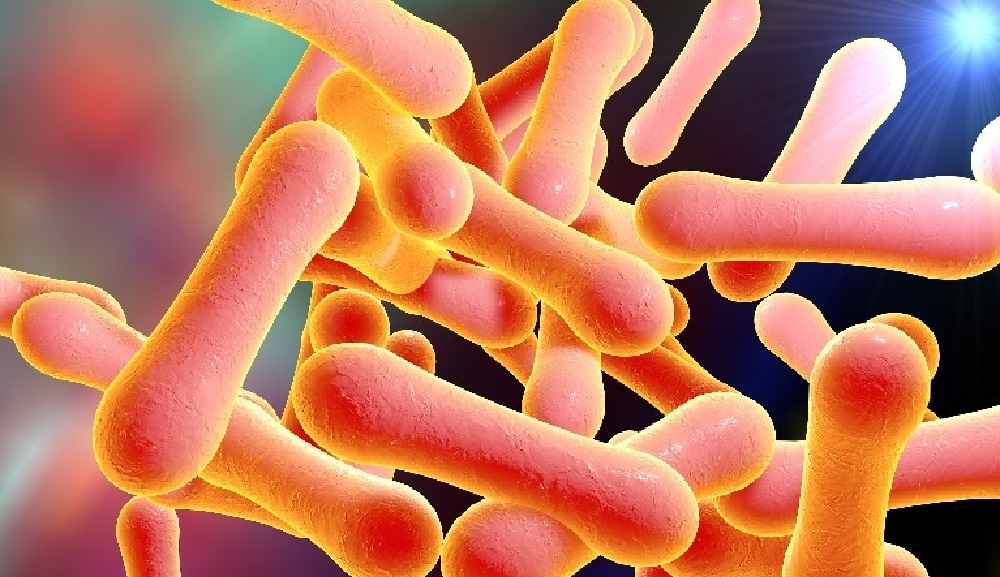
Diphtheria outbreak: Katsina hospital runs out of bed space

Published

on

By

ADVERTISEMENT
Zoom Ad
ADVERTISEMENT
Zoom Ad

The ongoing diphtheria outbreak in Katsina State has placed the Federal Teaching Hospital Katsina under severe pressure, with a surge in suspected and confirmed cases overwhelming its Children’s Ward.

The hospital management, in a statement issued on Saturday, said the facility was receiving a large number of patients referred from other health facilities, stretching its available bed capacity beyond its limits.

According to the hospital, healthcare workers have continued to demonstrate commitment and resilience in ensuring that critically ill children receive the care they need while efforts were being made to respond effectively to the increasing patient load

The statement read, “The ongoing diphtheria outbreak in Katsina State has placed enormous pressure on the Federal Teaching Hospital Katsina, particularly the Children’s Ward.

Advertisement

“The hospital is receiving an overwhelming number of suspected and confirmed cases, as patients are being referred to the facility in large numbers. The situation has resulted in severe overcrowding, stretching available beds beyond capacity.”

“Despite these challenges, FTH Katsina is doing everything within its capacity to provide timely and quality care to affected children. The hospital is making necessary arrangements to accommodate and manage the increasing number of patients, even in the absence of sufficient available bed spaces.

“Healthcare workers continue to demonstrate commitment and resilience in ensuring that critically ill children receive the care they need while efforts are being made to respond effectively to the increasing patient load.”

The management added that necessary arrangements were being made to accommodate and manage the increasing number of patients despite the shortage of available bed spaces.

Advertisement

It also commended the resilience and dedication of healthcare workers, who, it said, had continued to provide care to critically ill children amid the growing pressure on the facility.

The hospital called for stronger coordination among health facilities and other stakeholders involved in the outbreak response, stressing that a concerted effort was needed to effectively manage the increasing patient load and protect affected children.

“FTH Katsina remains committed to supporting the response to the outbreak,” the management said, adding that “a coordinated effort among all relevant health facilities and stakeholders is essential to effectively manage the situation and protect the lives of affected children.”

The hospital did not disclose the number of diphtheria patients currently admitted or the total number of cases recorded in Katsina State.

Advertisement

Meanwhile, 11 people have died following an outbreak of diphtheria in Niger State.

The deaths, which were recorded in the last few days, occurred in Chanchaga and Katcha Local Government Areas of the state.

Sunday PUNCH also learnt that 74 patients were treated and discharged from focal areas of Bida and Agaie Local Government Areas, alongside surveillance in Suleja Local Government.

The Executive Director of the Niger State Primary Health Care Development Agency, Dr Junaidu Inuwa, who made this disclosure on Friday, blamed the casualty rate on parents and guardians who, he said, had denied their children access to vaccinations.

Advertisement

He said at a two-day capacity-building workshop on Strengthening Ward Development Committees on Community Engagement and Accountability to Affected Population in Minna, organised by the State Niger State Primary Health Care Development Agency in collaboration with United Nations Children’s Fund, that the goal was to ensure that community structures were adequately engaged, empowered and educated for prevention of diseases.

“Most parents are not immunizing their children and the community structure needs to do a lot for us.

“I am sure most of you are aware that recently we have an outbreak of some diseases in Chanchaga and Katcha LGAs. There are 10 cases and all of them died. We even lost another patient on Tuesday at the General Hospital, Minna,” he said.

Inuwa appealed to the women to prioritise early child education and charged them to encourage nursing mothers to take their children for immunization.

Advertisement

The Social and Behavioural Change Specialist of the United Nations Child Education Fund, UNICEF Kaduna Field Office, Ibrahim Mohammed, in his remarks, said the main aim of the capacity-building was to strengthen their capacity to be able to provide health, wash, nutrition, child protection and education to the citizens.

“We are looking at an integrative approach to healthcare services across the community,” he said.

Continue Reading

Health

7 Simple Ways To Prevent Typhoid Fever In Your Home

Published

on

By

ADVERTISEMENT
Zoom Ad
ADVERTISEMENT
Zoom Ad

Typhoid fever is an infection caused by Salmonella Typhi, a bacterium that can spread when food or water becomes contaminated with human faeces. This makes everyday food handling an important part of preventing the disease.

In Nigerian homes, where food may be prepared in large quantities and stored for several hours, simple mistakes such as using contaminated water, handling cooked food with unwashed hands or allowing raw and ready-to-eat foods to come into contact can create opportunities for contamination.

Preventing typhoid therefore begins in the kitchen. Safe food preparation, proper hand hygiene, thorough cooking, clean water and appropriate food storage can significantly reduce opportunities for the bacteria to spread.

In this article, Tribune Online explores how you can safely prevent typhoid in your household.

Advertisement

Wash your hands before handling food

Hands can transfer harmful bacteria from contaminated surfaces, toilets, raw food and other sources directly to food. Wash your hands thoroughly with soap and clean running water before preparing food, before eating and after using the toilet. Hands should also be washed after changing nappies, handling rubbish, cleaning dirty surfaces and touching raw meat.

Do not handle cooked food immediately after using the toilet without washing your hands properly.

A person carrying Salmonella Typhi can contaminate food through poor hand hygiene, even when they do not appear sick. Good hand hygiene is therefore one of the most important barriers between contamination and the food eventually eaten by the household.

Advertisement

Keep raw and cooked foods separate

Cross-contamination is a major food-safety concern. Raw meat, poultry and other uncooked foods can carry harmful microorganisms. If a knife or cutting board used for raw food is then used for vegetables, fruit or cooked food without proper washing, bacteria can be transferred to food that may not receive further cooking.

Use separate utensils where possible. If the same cutting board must be used, wash it thoroughly with soap and clean water before using it for another food.

Do not place cooked food on a plate that previously held raw meat unless the plate has been properly washed. The same principle applies to knives, countertops, bowls and other kitchen equipment.

Advertisement

Use safe water for cooking and washing food

Contaminated water can introduce Salmonella Typhi into food. Use water that is known to be safe for drinking and food preparation. Where the safety of the water supply is uncertain, treat the water appropriately before using it for drinking, cooking or preparing food. This is particularly important when washing foods that will be eaten raw.

Do not assume that apparently clear water is necessarily safe. Water can contain disease-causing microorganisms without any obvious change in colour, smell or taste.

Safe water should also be used when making ice, preparing drinks and washing utensils that will come into contact with food.

Advertisement

Cook food thoroughly

Thorough cooking is an important defence against foodborne bacteria. Food should be cooked properly rather than only heated on the surface. Large pieces of meat and thick foods need enough time for heat to reach the centre. When reheating previously cooked food, heat it thoroughly before serving. Avoid repeatedly warming and cooling the same food.

The commonly cited 70°C figure should not be treated as a universal rule for every food. Safe cooking temperatures depend on the type of food and the method being used. What matters is ensuring that food reaches a temperature sufficient to destroy harmful microorganisms throughout the portion.

Wash fruits and vegetables properly

Advertisement

Fresh produce can become contaminated before it reaches the kitchen or while it is being handled at home.

Wash fruits and vegetables thoroughly with safe water before eating or cutting them, particularly when they will be consumed raw. Pay attention to produce that will be eaten without cooking, such as tomatoes, cucumbers, lettuce and fruits.

Washing does not make contaminated produce completely risk-free, but it can help remove dirt and microorganisms from the surface. Where the safety of the water is questionable, it should not be used to wash food that will be eaten raw.

Keep cooked food covered

Advertisement

Cooked food should not be left exposed unnecessarily. Cover food after preparation and keep it protected from flies, dust, dirty hands and other potential sources of contamination. This is particularly important when food is being served outdoors or in areas where flies are common.

Do not leave serving spoons inside food containers where they can be touched repeatedly. Use clean utensils for serving and avoid allowing people to handle food directly.

Store leftovers safely

Food can become unsafe when it is left at room temperature for too long.

Advertisement

After a meal, leftovers should be handled promptly and stored appropriately rather than being left uncovered for several hours. Large quantities of hot food should not simply be left to cool slowly for an extended period.

Divide large portions into smaller containers where appropriate so they can cool more efficiently before refrigeration. Keep refrigerated foods properly chilled and avoid repeatedly removing them from the refrigerator and leaving them at room temperature.

Keep kitchen surfaces and utensils clean

A clean kitchen reduces opportunities for bacteria to move from one food or surface to another.

Advertisement

Wash knives, cutting boards, plates, pots and other utensils after use, particularly after contact with raw food.

Kitchen counters should also be cleaned regularly, especially after preparing raw meat. Sponges and cloths can harbour microorganisms when they remain damp and dirty. Wash and dry reusable cleaning materials properly and replace them when they become difficult to clean.

Protect food from flies and other pests

Flies can move between contaminated waste, faeces and food.Keep food covered and dispose of household waste properly. Use covered bins and clean areas where food is prepared.

Advertisement

Windows and doors should be protected with appropriate screens where practical, particularly in areas with heavy fly activity. Do not leave cooked food uncovered on kitchen counters for long periods. Reducing contact between flies and food limits opportunities for contamination.

Continue Reading

Trending

Copyright © 2024 Naija Blitz News