

The Nigeria Centre for Disease Control and Prevention has approved a weekly payment of N100,000 for people placed in isolation or quarantine as part of measures to contain the Ebola outbreak in the Federal Capital Territory, Abuja.
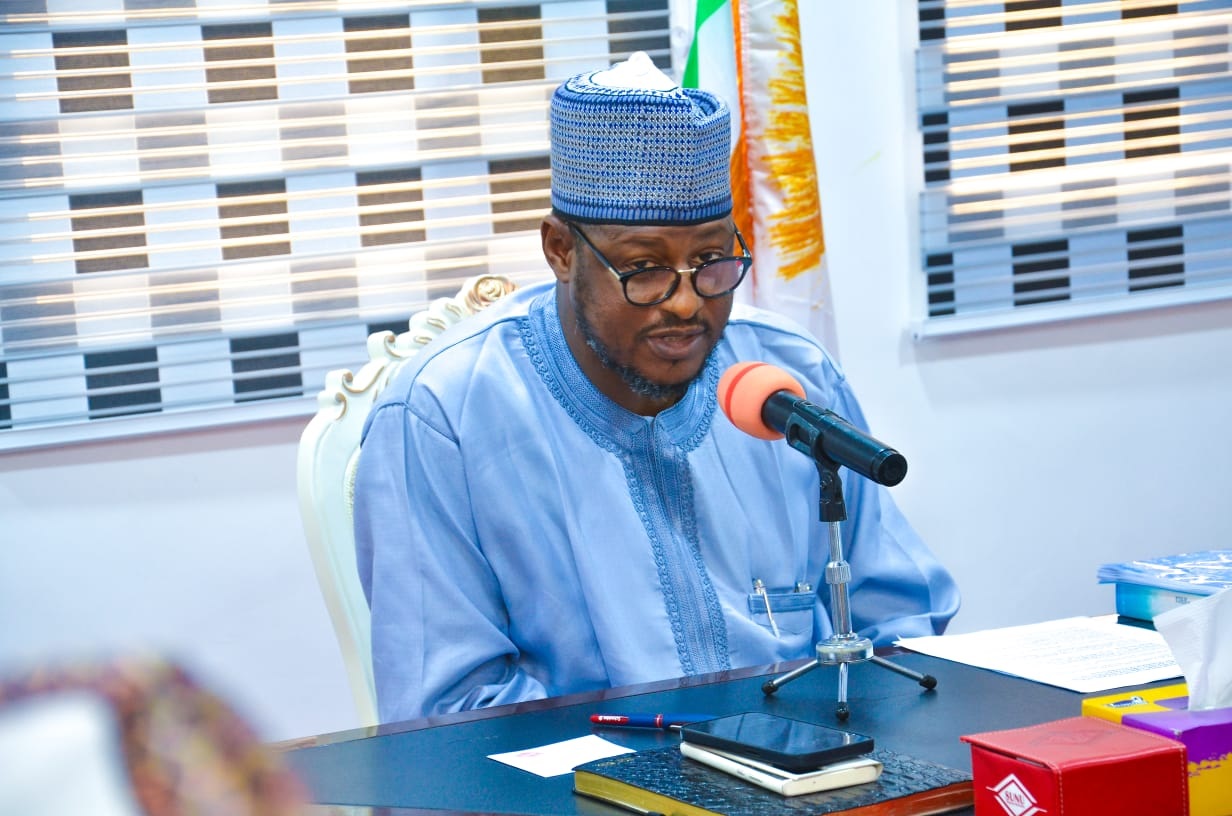
The NCDC Director-General, Dr Jide Idris, disclosed this on Sunday during a media briefing on the agency’s response to the outbreak.
Idris said the financial support was introduced after some contacts complained about the cost of feeding, accommodation and maintaining their families while undergoing public health monitoring.
“We are paying for their accommodation; we are paying for their feeding. Some of them are asking for a stipend to maintain their families,” he said.
He added that each person under the arrangement would receive N100,000 weekly to cushion the financial burden associated with compliance with the monitoring measures.
“We are providing N100,000 per person per week just to maintain their comfort and feeding, because they were complaining,” the NCDC boss said.
According to Idris, the payment was not part of the agency’s initial response plan but became necessary as the emergency situation evolved.
“This was not planned for, but it is an emergency. We will continue to review it as we go along,” he said.
The NCDC chief also said other states must be prepared to provide similar financial and logistical support if Ebola or another public health emergency occurs within their jurisdictions.
“This is not the responsibility of the FCT alone. What we have to do for the FCT, we have to do for any other state, just in case,” Idris said.
He urged state governments to make adequate provisions for contact tracing, isolation, monitoring and other response activities. 
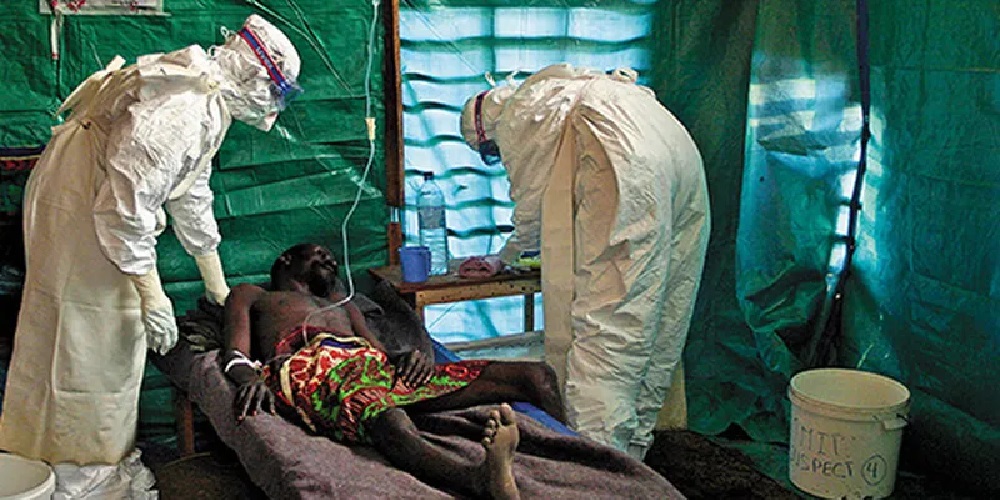
The intervention comes amid intensified efforts by health authorities to prevent further transmission of Ebola following the confirmation of an imported case in Abuja on October 20.
Idris said Nigeria had recorded one confirmed case as of Sunday, with 53 primary contacts identified and placed under monitoring.
The contacts include healthcare workers, household members, domestic staff and personnel involved in collecting samples from the patient.
He said the contacts had been categorised according to their level of exposure and were being followed up by public health teams.
According to him, anyone among the contacts who develops symptoms will be assessed and tested as part of efforts to detect and contain any possible secondary transmission.