

By Gloria Ikibah
Nigeria’s footwear manufacturers could benefit from technology transfer, specialised training and business partnerships with Spanish companies following a series of engagements by Nigeria’s Ambassador to Spain, Dr Okezie Victor Ikpeazu. 
Ikpeazu visited Alicante Province on Monday, 2 November 2026, where he held discussions with the President of the Valencian Association of Footwear Manufacturers Entrepreneurs (AVECAL), Vicente Pastor Perez, and representatives of footwear firms Pikolinos and Hispanitas, as well as the INESCOP Footwear Technology Centre.
According to a statement issued by the Embassy of Nigeria in Madrid, the envoy was accompanied by the Senior Counsellor, Mr Kimiebi Imomotimi Ebienfa, and the First Secretary, Mr Likson Dadi.
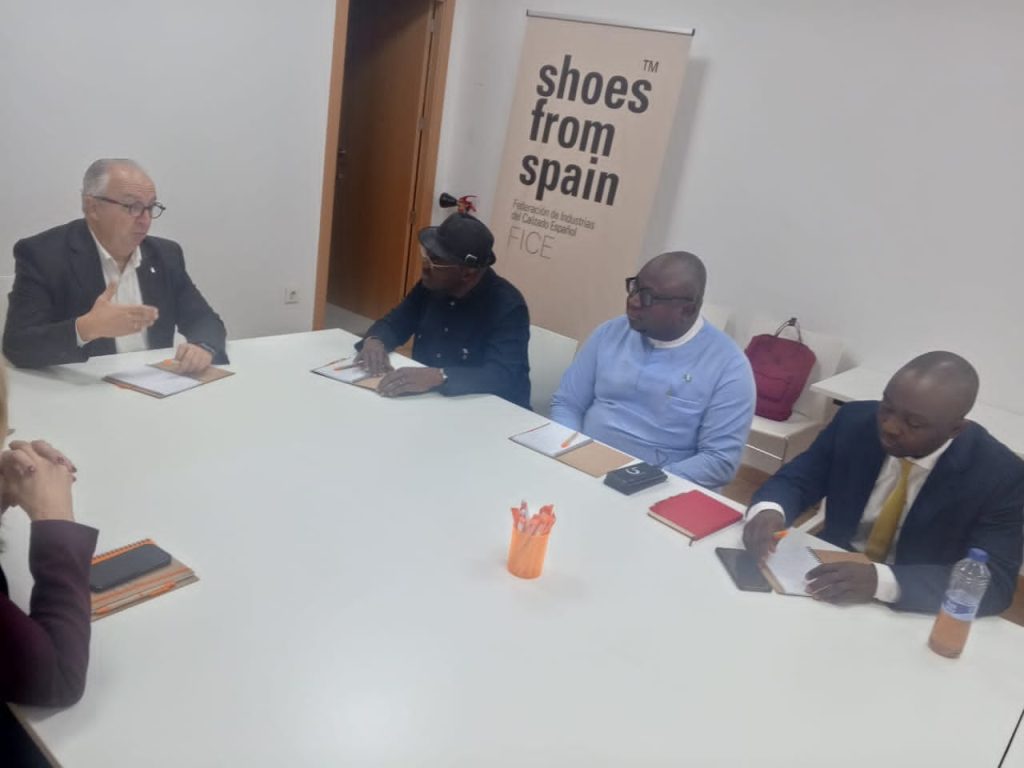
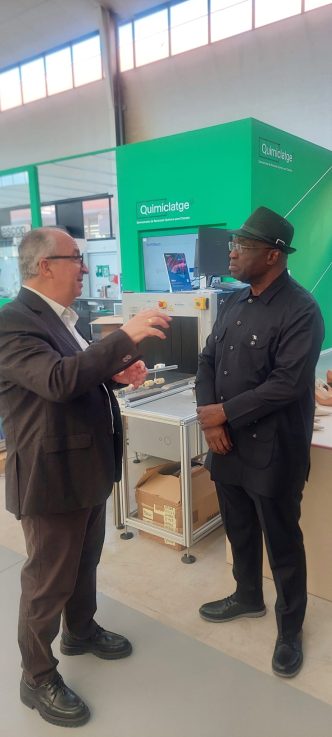
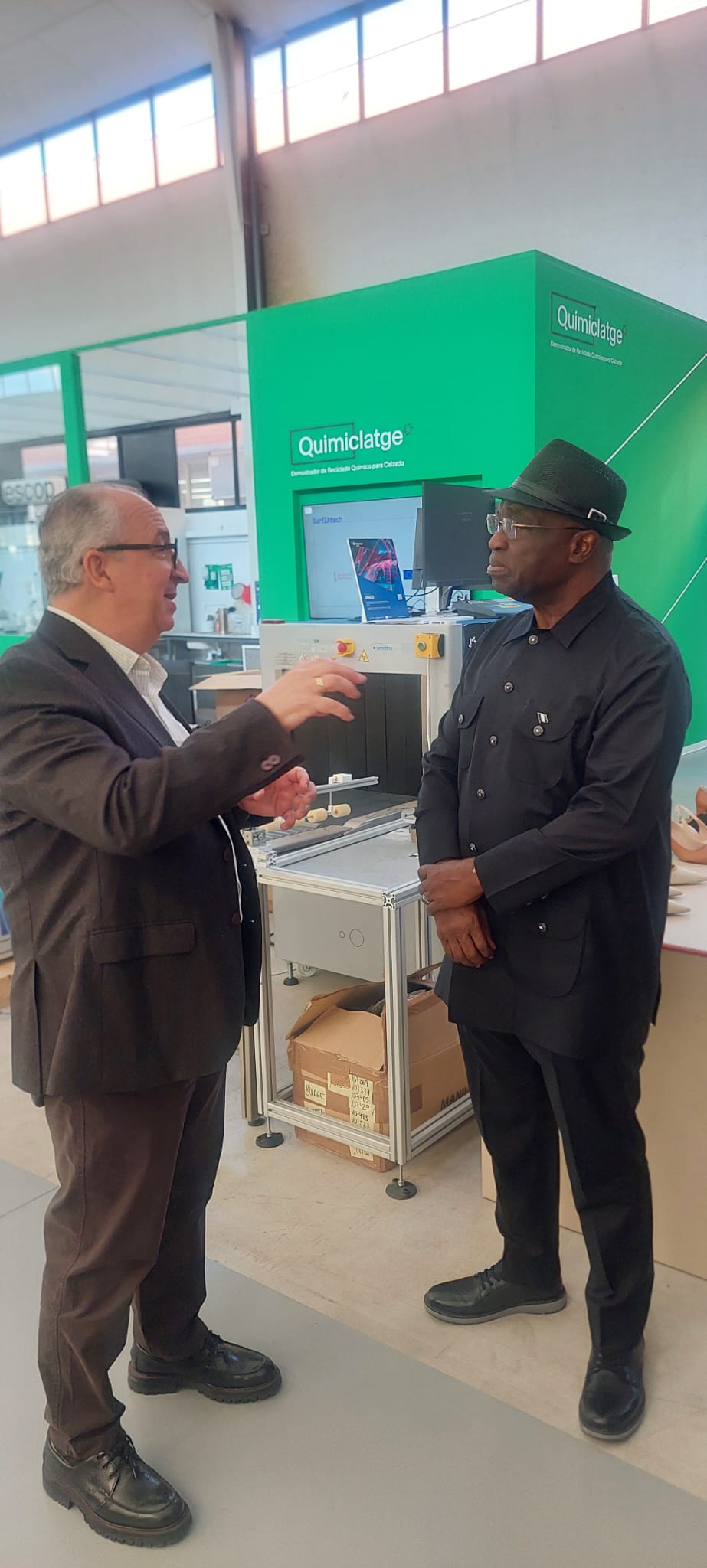
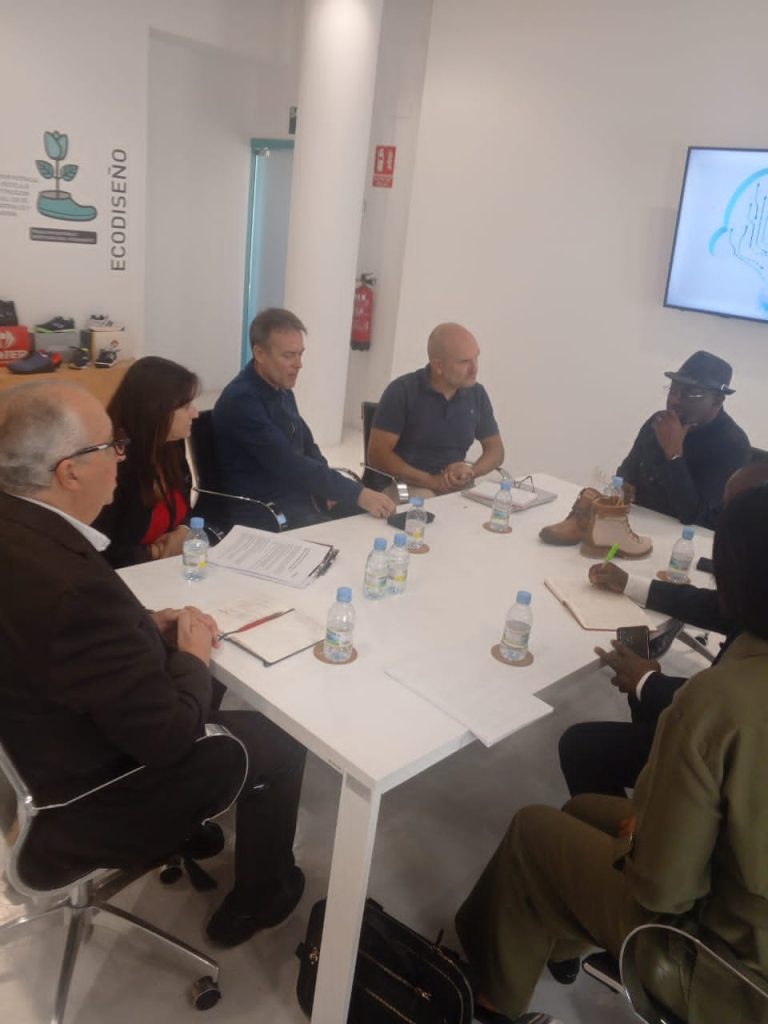
At INESCOP, a technology and innovation centre in Elda, Alicante, Ikpeazu was received by the Director of Technologies and Materials, Elena Orgilés Calpena, who conducted him around the facility.
The centre, which works with more than 400 member companies across different countries, supports advances in footwear design, materials and manufacturing processes.
Discussions focused on technical cooperation, innovation, quality standards and capacity-building programmes that could be adapted for Nigerian manufacturers.
The meeting also explored ways to strengthen the skills of technicians, companies and support organisations in Nigeria’s footwear sector through training, technology transfer, quality management, certification and innovation, with emphasis on sustainability and improved productivity.
At meetings with AVECAL, Pikolinos and Hispanitas, Ikpeazu highlighted the ingenuity and entrepreneurial spirit of Nigerians, noting that local producers already manufacture different categories of footwear manually despite limited access to technology.
He said the Embassy was willing to facilitate meetings between interested Nigerian entrepreneurs and their Spanish counterparts to promote collaboration and business-to-business matchmaking.
Discussions with AVECAL centred on structured partnerships, knowledge-sharing platforms, industry best practices and possible joint programmes to improve the growth and competitiveness of Nigerian footwear businesses.
The engagement with Pikolinos also provided insights into production processes and possible areas of cooperation for Nigerian manufacturers seeking to modernise their operations and expand their markets.
Ikpeazu also visited the facilities of Hispanitas and AVECAL’s headquarters as part of efforts to strengthen ties between Nigerian and Spanish footwear manufacturers.
Pastor Perez assured the ambassador that the association was willing to work with the Embassy to establish the necessary arrangements for easier engagement between Spanish businessmen and their Nigerian counterparts.
The Embassy said the engagements were part of a broader initiative to connect Nigerian shoe manufacturers with Spanish industry players and promote the exchange of ideas, practical cooperation, training, skills development and technology transfer.
The visit also gave the ambassador and accompanying officials first-hand exposure to contemporary Spanish footwear design, manufacturing techniques and operational standards, while helping identify technologies and training models that could be applied in Nigeria.
Ikpeazu emphasised that closer collaboration with Spain’s established footwear cluster in the Valencia region, particularly Alicante, held significant potential for Nigerian manufacturers.
He said technology transfer, specialised training and sustained dialogue were essential to upgrading local production capacity, improving product quality and strengthening competitiveness in domestic and international markets.
The Spanish industry representatives expressed readiness to explore practical cooperation, including technical exchanges, training attachments and knowledge-sharing initiatives that could benefit both countries.
The visit forms part of the Nigerian Mission’s economic diplomacy efforts to facilitate mutually beneficial partnerships and support President Bola Ahmed Tinubu’s ongoing economic reforms aimed at attracting foreign direct investment and promoting development, particularly in the manufacturing sector.