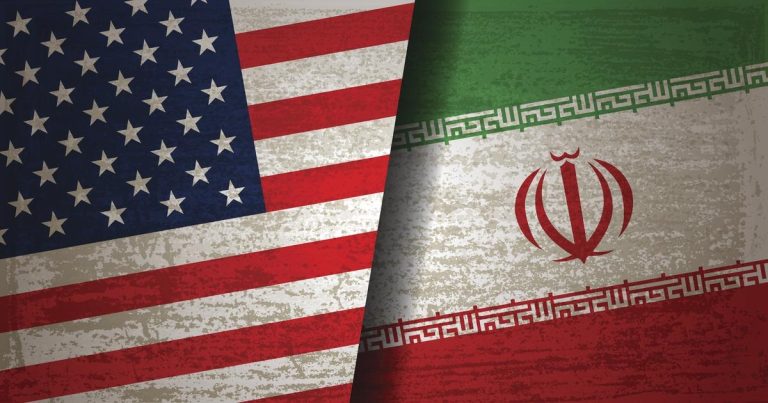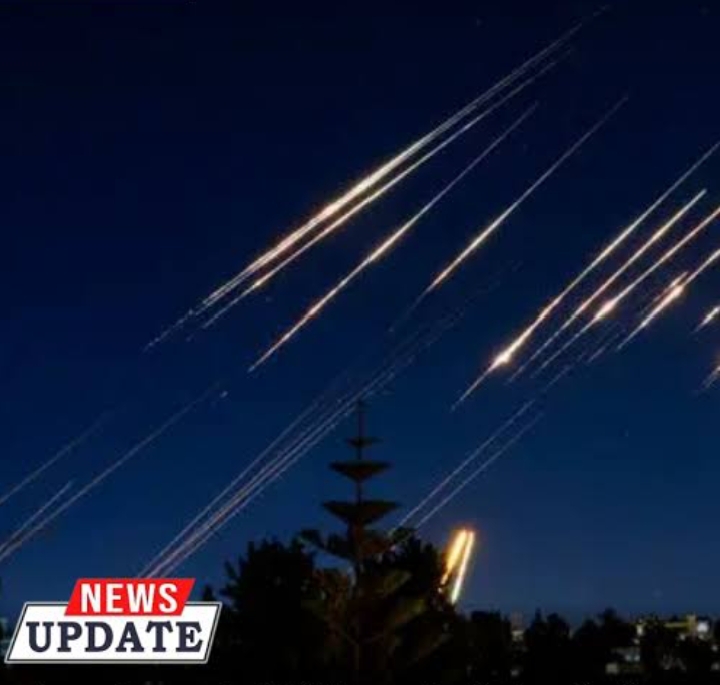

Tensions between the United States and Iran have intensified following the arrival of a third American aircraft carrier in the Middle East, as Tehran warns that it will not wait for Washington to launch another attack before responding.

The development raises fresh concerns about the possibility of renewed military confrontation between the two countries, amid stalled diplomatic efforts and growing military activity across the region.
The USS Theodore Roosevelt carrier strike group entered the US Central Command (CENTCOM) area of operations on Sunday, November 15, joining two other American aircraft carriers already deployed in the region.
The arrival brings the number of US aircraft carrier strike groups operating within the CENTCOM area to three.
The other two carriers are the USS George H.W. Bush and USS George Washington.
According to reports, the deployment comes as Washington maintains pressure on Tehran and considers its options amid uncertainty surrounding diplomatic negotiations.
The presence of the additional carrier also strengthens the United States’ military posture in a region already experiencing heightened security concerns.
Meanwhile, Iran has issued a strong warning to the United States, declaring that it will not wait for Washington to launch another military strike before responding.
Iran’s Deputy Foreign Minister for Legal and International Affairs, Kazem Gharibabadi, accused the United States of potentially using diplomatic negotiations to buy time and prepare for another military operation against Tehran.
Speaking in an interview broadcast on Iranian state television, Gharibabadi said his country was preparing for different possible scenarios in its dealings with Washington.
These include diplomacy, an economic blockade and military aggression.
He expressed doubts about the United States’ commitment to diplomatic engagements, arguing that previous experiences had weakened Tehran’s confidence in negotiations with Washington.
Gharibabadi also indicated that Iran was monitoring developments and would not rely exclusively on diplomatic assurances in determining its response.
His comments reflect Tehran’s growing suspicion that diplomatic discussions could be used as a cover for preparations for renewed military action.
The latest developments come amid increasing uncertainty over the future of US-Iran relations and the possibility of another escalation.
The arrival of the USS Theodore Roosevelt, alongside Iran’s warning, has heightened concerns about the stability of the Middle East.
The situation also carries wider international implications, particularly for global energy markets and shipping activities around the Strait of Hormuz, a strategic waterway through which a significant share of the world’s oil supply passes.
With both countries maintaining firm positions, the combination of military deployments, security threats and stalled diplomatic efforts continues to complicate prospects for de-escalation.
For now, international attention remains focused on Washington and Tehran as concerns grow over whether diplomatic engagement can prevent another phase of military confrontation.
The latest developments underscore the fragile security situation in the Middle East and the potential global consequences of further escalation.
Tags: US-Iran tensions, United States, Iran, USS Theodore Roosevelt, aircraft carrier, Donald Trump, Kazem Gharibabadi, Middle East crisis, CENTCOM, global security, NewsMediang, NewsMediang.com
nfirmation carried by several international outlets on November 16. Iran’s warning was attributed to Deputy Foreign Minister Kazem Gharibabadi. His accusation about Washington’s intentions should remain clearly attributed rather than presented as an independently established fact.
About the Author