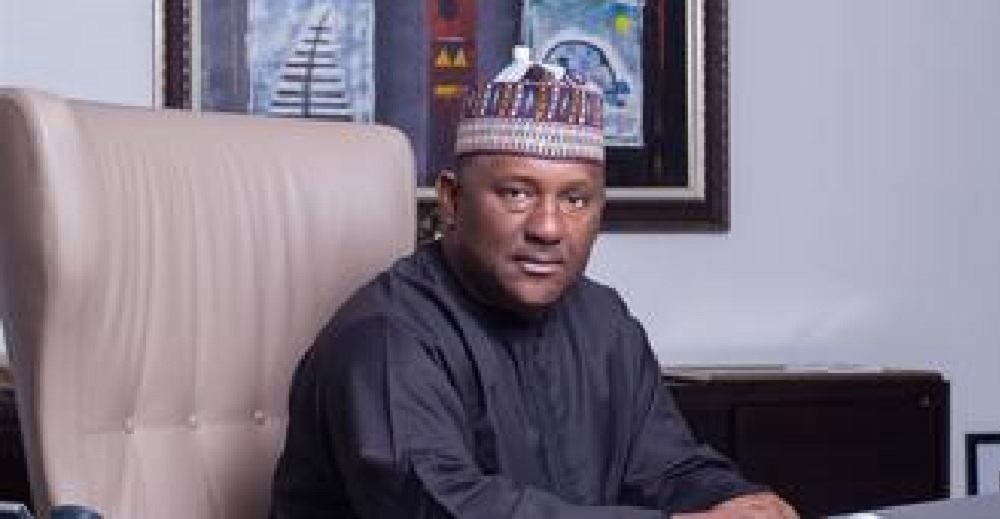
BUA Group Chairman, Alhaji Abdulsamad Rabiu, has explained how late President Muhammadu Buhari saved his business from a cabal when his business was facing one of the gravest threats in its history.
He said Certain government agencies were involved, and powerful interests were pressing their case.
He stated this in his tribute at the public presentation of ‘Buhari: An Authorisesd Biography’ by Dr. Udu Yakubu.
He added that what he had spent years building appeared to be in danger.
“And somewhere at the centre of it all stood Buhari,” he said.
Rabiu said he needed to know where the President stood and what Buhari told him in that moment was something he would never forget.
“He assured me that he would always do what was right, regardless of who was involved or how powerful they might be,” Rabiu recalled.
He added that the response was immediate and deeply personal.
“I was moved to tears by those words and by his genuine concern for me.”
For one of Nigeria’s most prominent industrialists, it was not merely the reassurance of a President. It was the intervention of a man he had come to regard as a father, mentor, trusted friend and pillar of strength – and, as events would later show, a moment Rabiu believes helped save his business.
Rabiu remembered a President under pressure from people who, in his words, wanted him to act differently. Yet Buhari, he said, refused to be swayed.
“At that critical moment, President Buhari stood firmly on the side of justice,” Rabiu said.
“Even in the face of strong resistance and enormous pressure from those who wanted him to act otherwise, he remained resolute.”
For Rabiu, the most powerful part of the encounter appears to have been the certainty with which Buhari spoke.
The assurance was not, in Rabiu’s account, that the President would favour him because of their friendship. It was that Buhari would do what he believed was right regardless of the power or standing of those involved.
Buhari’s position ultimately proved decisive. “His steadfastness and determination to uphold justice saved my business,” he said.
“For that, I will remain eternally grateful to him.”
The episode also helps explain the language Rabiu used elsewhere in his tribute at the public presentation of Buhari: An Authorisesd Biography by Dr. Udu Yakubu. He called Buhari “a father”, “a mentor”, “a trusted friend” and “a pillar of strength”.
He described him as an “iroko tree” upon which he leaned when his own strength was failing.
Those descriptions suggest that the relationship was formed not simply through proximity to power, but through episodes in which Rabiu believed Buhari’s decisions had direct consequences for his life and enterprise.
The public presentation of Buhari: The Authorised Biography also prompted the largest acquisition commitments made at the event. Rabiu authorised a ₦500 million commitment towards the purchase and acquisition of copies of the three-volume biography, saying the gesture was made in honour of a man whose service and legacy should be remembered for generations.
For Rabiu, Buhari’s legacy was a matter of national history. It was connected to a particular memory of vulnerability, uncertainty and reassurance – and to a President who, at a decisive moment, looked him in the eye and promised that power would be exercised according to what he believed was right.
Years later, Rabiu said, the words still remained with him.
So did the emotion. “I was moved to tears.”
Rabiu needed to know where the President stood. What Buhari told him in that moment was something he would never forget.
“He assured me that he would always do what was right, regardless of who was involved or how powerful they might be,” Rabiu recalled.
The response was immediate and deeply personal.
“I was moved to tears by those words and by his genuine concern for me.”
For one of Nigeria’s most prominent industrialists, it was not merely the reassurance of a President. It was the intervention of a man he had come to regard as a father, mentor, trusted friend and pillar of strength – and, as events would later show, a moment Rabiu believes helped save his business.
Rabiu remembered a President under pressure from people who, in his words, wanted him to act differently. Yet Buhari, he said, refused to be swayed.
“At that critical moment, President Buhari stood firmly on the side of justice,” Rabiu said.
“Even in the face of strong resistance and enormous pressure from those who wanted him to act otherwise, he remained resolute.”
For Rabiu, the most powerful part of the encounter appears to have been the certainty with which Buhari spoke.
The assurance was not, in Rabiu’s account, that the President would favour him because of their friendship. It was that Buhari would do what he believed was right regardless of the power or standing of those involved.
Buhari’s position ultimately proved decisive. “His steadfastness and determination to uphold justice saved my business,” he said.
“For that, I will remain eternally grateful to him.”
The episode also helps explain the language Rabiu used elsewhere in his tribute at the public presentation of Buhari: An Authorisesd Biography by Dr. Udu Yakubu. He called Buhari “a father”, “a mentor”, “a trusted friend” and “a pillar of strength”.
He described him as an “iroko tree” upon which he leaned when his own strength was failing.
Those descriptions suggest that the relationship was formed not simply through proximity to power, but through episodes in which Rabiu believed Buhari’s decisions had direct consequences for his life and enterprise.
The public presentation of Buhari: The Authorised Biography also prompted the largest acquisition commitments made at the event. Rabiu authorised a ₦500 million commitment towards the purchase and acquisition of copies of the three-volume biography, saying the gesture was made in honour of a man whose service and legacy should be remembered for generations.
For Rabiu, Buhari’s legacy was a matter of national history. It was connected to a particular memory of vulnerability, uncertainty and reassurance – and to a President who, at a decisive moment, looked him in the eye and promised that power would be exercised according to what he believed was right.
Years later, Rabiu said, the words still remained with him.
So did the emotion. “I was moved to tears.”
About the Author