
Health
How to cope with rainy season illnesses


- /home/naijuinz/public_html/wp-content/plugins/mvp-social-buttons/mvp-social-buttons.php on line 27
https://naijablitznews.com/wp-content/uploads/2024/10/rainfall.jpg&description=How to cope with rainy season illnesses', 'pinterestShare', 'width=750,height=350'); return false;" title="Pin This Post">
- Share
- Tweet /home/naijuinz/public_html/wp-content/plugins/mvp-social-buttons/mvp-social-buttons.php on line 72
https://naijablitznews.com/wp-content/uploads/2024/10/rainfall.jpg&description=How to cope with rainy season illnesses', 'pinterestShare', 'width=750,height=350'); return false;" title="Pin This Post">


For many Nigerians, the arrival of the rainy season brings relief from the scorching heat that characterises the dry months. Farmers look forward to improved crop yields, reservoirs begin to fill up, and residents enjoy cooler temperatures. But alongside these benefits comes a familiar challenge: a rise in illnesses that thrive during the wet season.
Across communities, hospitals and clinics often record increased cases of malaria, typhoid fever, cholera, diarrhoea, respiratory infections and skin diseases. Heavy rainfall frequently leads to flooding, stagnant water, poor sanitation and contamination of food and water sources, creating ideal conditions for disease outbreaks.
In separate chats with Weekend Trust, health experts said that while these illnesses may be common during the rainy season, they are largely preventable when individuals and communities adopt the right coping mechanisms.
Godwin Ekuwke, a medical practitioner at the Kubwa General Hospital, said the key lies in prevention rather than treatment.
“The rainy season does not have to become a season of sickness. Most of the illnesses we see during this period can be prevented through environmental cleanliness, good hygiene and timely medical attention. Communities must understand that prevention is always cheaper and more effective than treatment,” he said.
Experts stress that awareness remains one of the strongest weapons against seasonal diseases. Knowing the health risks associated with the rains can help families take proactive measures before illnesses strike.
Malaria: The most common threat
Malaria remains the most widespread illness during the rainy season. The disease is transmitted by female anopheles mosquitoes, which breed rapidly in stagnant water found in blocked gutters, abandoned containers, potholes and flood-prone areas.
With increased rainfall creating numerous breeding sites, mosquito populations often soar.
Grace Jegede, a public health physician, explained that many malaria cases could be avoided if people paid greater attention to environmental sanitation.
“When rainwater accumulates around homes, it creates perfect breeding grounds for mosquitoes. Residents should ensure that gutters are cleared, water containers are covered, and stagnant water is removed from their surroundings,” she advised.
She further encouraged the consistent use of insecticide-treated mosquito nets.
“Sleeping under treated mosquito nets remains one of the most effective methods of preventing malaria. Families should make it a routine practice, particularly for children and pregnant women who are more vulnerable to severe complications,” she said.
Jegede also warned against self-medication whenever fever develops, saying, “Not every fever is malaria. People should seek a proper diagnosis at health care facilities before taking medication. Early test leads to accurate treatment and reduces complications.”
Health workers say residents can further reduce their risk by wearing protective clothing during the evening hours and using approved mosquito repellents where necessary.
Waterborne diseases lurking in floodwaters
As floodwaters spread through communities during heavy rainfall, another set of health threats emerges. Contaminated water sources often become breeding grounds for dangerous diseases, such as cholera, typhoid fever and acute diarrhoea.
Many outbreaks occur when sewage, refuse, and floodwaters mix with drinking water sources.
A community health practitioner, Dr Aliyu Isah, described water contamination as one of the biggest public health concerns during the rainy season.
“Floodwater carries bacteria, viruses and other harmful organisms into wells, streams and storage containers. Once people consume contaminated water, outbreaks can occur very quickly,” he explained.
To prevent infection, he urged households to prioritise water safety. “Whenever the quality of water is uncertain, it should be boiled before drinking. Water purification tablets and filtration systems can also help. Equally important is keeping storage containers covered at all times,” he advised.
Hand hygiene also plays a significant role in reducing disease transmission.
“Regular hand-washing with soap and clean water before meals and after using the toilet can dramatically reduce cases of diarrhoeal diseases. It is one of the simplest but most effective public health interventions,” he added.
Dr Benjamin Olayiwola, another medical doctor, noted that typhoid fever often increases during periods of poor sanitation.
“People must pay attention to food hygiene. Fruits should be washed thoroughly, meals should be freshly prepared and food should only be purchased from hygienic environments. Prevention begins with the choices we make every day,” Olayiwola said.
He cautioned against indiscriminate use of antibiotics, saying, “Many people treat themselves without proper diagnosis. This can worsen antibiotic resistance and make infections more difficult to manage in the future.”
Respiratory, skin infections on the rise
The rainy season also creates conditions that favour respiratory illnesses, such as common cold, influenza, bronchitis and pneumonia.
Frequent exposure to cold weather, damp clothing and overcrowded indoor environments often contributes to the spread of infections.
According to Dr Amina Abudullahi, a consultant physician, maintaining a healthy immune system is crucial during this period.
She said, “When people spend prolonged periods in wet clothing or poorly ventilated environments, they become more vulnerable to respiratory infections. Staying warm, maintaining good nutrition and practising personal hygiene can significantly reduce the risk.”
She encouraged residents to consume balanced diets rich in fruits and vegetables.
“The body needs adequate nutrients to fight infections. A healthy diet, proper hydration and sufficient rest are important protective measures during the rainy season,” she added.
In addition to respiratory illnesses, skin conditions also become more common.
A dermatologist, Chukwuemeka Ada, said fungal infections frequently increased because of persistent moisture.
“We often see more cases of fungal infections affecting the feet, skin folds and other parts of the body during the rainy season. Moisture creates an environment where fungi thrive,” she said.
She advised residents to maintain proper skin care habits: “After exposure to rain or floodwater, individuals should wash with clean water and soap and dry their skins thoroughly. Footwear should also be kept clean and dry to prevent fungal growth.”
Ada added that cuts and wounds should never be ignored, explaining, “Even small injuries can become infected if they are not cleaned properly. Prompt treatment can prevent more serious complications,” she said.
Prevention remains the best medicine
While health care facilities play an important role in treating illnesses, experts agree that prevention remains the most effective strategy.
Across Nigeria, communities are encouraged to embrace environmental sanitation initiatives aimed at reducing disease risks during the rainy season.
Dr Jegede stressed that collective action is essential. She said, “Individual efforts are important but community participation produces greater results. When residents work together to clear drainages, dispose of waste properly and eliminate stagnant water, everyone benefits.”
Health practitioners also recommend that households prepare basic emergency supplies, including oral rehydration salts, antiseptics, soap, clean drinking water and first-aid materials.
Parents are advised to monitor children closely for symptoms, such as fever, diarrhoea, persistent cough, breathing difficulties or unusual weakness and seek medical care promptly.
Ekuwke believes that public education must continue throughout the rainy season.
“People need consistent reminders about hygiene, sanitation and disease prevention. Awareness saves lives because informed individuals are more likely to take preventive action,” he said.
For vulnerable groups such as pregnant women, infants, elderly persons and those living with chronic illnesses, extra caution is necessary.
“These groups often suffer the most severe consequences when infections occur. Early medical attention can make a significant difference,” he noted.
As the rains continue to fall across the country, experts insist that Nigerians should not view seasonal illnesses as inevitable. With proper sanitation, safe drinking water, mosquito control measures, healthy living habits and prompt medical attention, many rainy season diseases can be prevented.
“The rains should bring growth and renewal, not sickness and suffering. When communities embrace preventive measures, they protect not only themselves but also their neighbours,” Dr Abudullahi said.

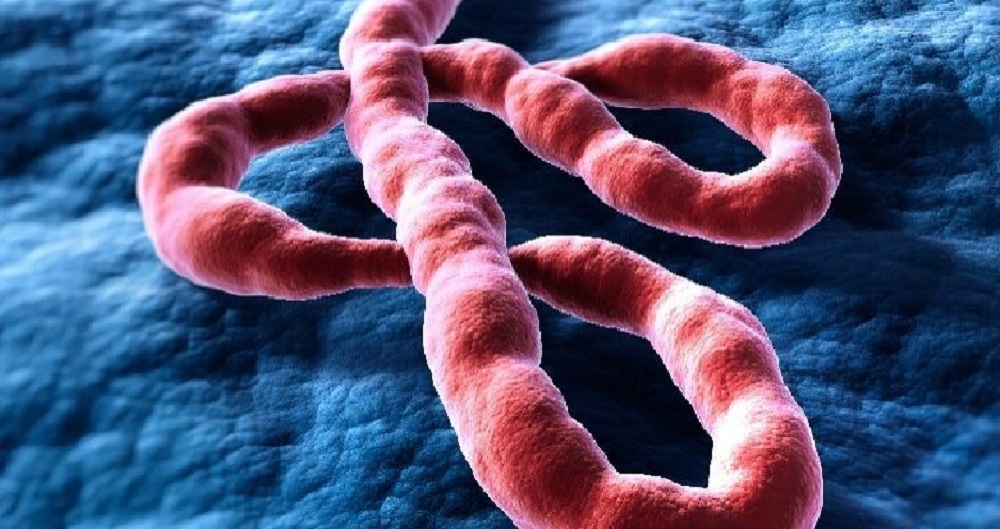
The Federal government has intensified border screening, disease surveillance and emergency response measures nationwide as part of efforts to prevent the possible importation of the Bundibugyo strain of Ebola Virus Disease (EVD), currently circulating in parts of East and Central Africa.
The Federal Ministry of Health and Social Welfare, in a statement on Tuesday by its Assistant Director of Press and Public Relations, Ado Bako, said it has activated enhanced preparedness protocols across the country, including stricter screening procedures at airports, seaports and land borders.
According to the Ministry, arriving travellers are now subject to temperature checks using infrared thermal scanners and handheld thermometers, while health declaration forms, travel history assessments and risk-based screening procedures are being reinforced at designated points of entry.
The Ministry also disclosed that isolation, secondary screening and referral mechanisms have been strengthened for travellers showing symptoms consistent with viral haemorrhagic fevers.
It added that coordination has been expanded among immigration, aviation, maritime and border management agencies to improve early detection and response.
The heightened measures have become imperative following reports of outbreaks of the Bundibugyo ebolavirus disease in parts of the East and Central African region, raising concerns about the risk of cross-border transmission.
Despite the alert, the Ministry reassured Nigerians that there is currently no confirmed case of Ebola Virus Disease in the country.
As part of surveillance efforts, the Ministry said Integrated Disease Surveillance and Response (IDSR) activities have been strengthened nationwide, alongside expanded community-based and event-based surveillance systems.
It said public health alerts and rumours are being actively monitored and investigated, while continuous epidemiological assessments are being conducted in collaboration with regional and international health partners.
To boost emergency response readiness, the Ministry said specimen collection and transportation systems for viral haemorrhagic diseases have been enhanced, while laboratory biosafety and biosecurity measures are being reinforced.
Public Health Emergency Operations Centres have also been placed on alert, with Rapid Response Teams at national and sub-national levels ready for deployment if necessary.
Healthcare facilities have been directed to maintain a high index of suspicion for viral haemorrhagic fevers, strengthen triage systems, promptly isolate suspected cases and comply with established reporting procedures.
The Ministry added that healthcare workers, surveillance officers and other frontline personnel are undergoing continuous preparedness training, while infection prevention and control measures are being reinforced in health facilities nationwide.
It urged Nigerians to remain calm, avoid misinformation and rely only on information from recognised public health authorities.
Members of the public were advised to maintain regular hand hygiene, avoid contact with bodily fluids of symptomatic persons, refrain from handling dead animals or bushmeat from unknown sources, and promptly report unusual illnesses or deaths to the nearest health authority.
The Ministry assured it would continue to monitor developments closely and provide updates as necessary.

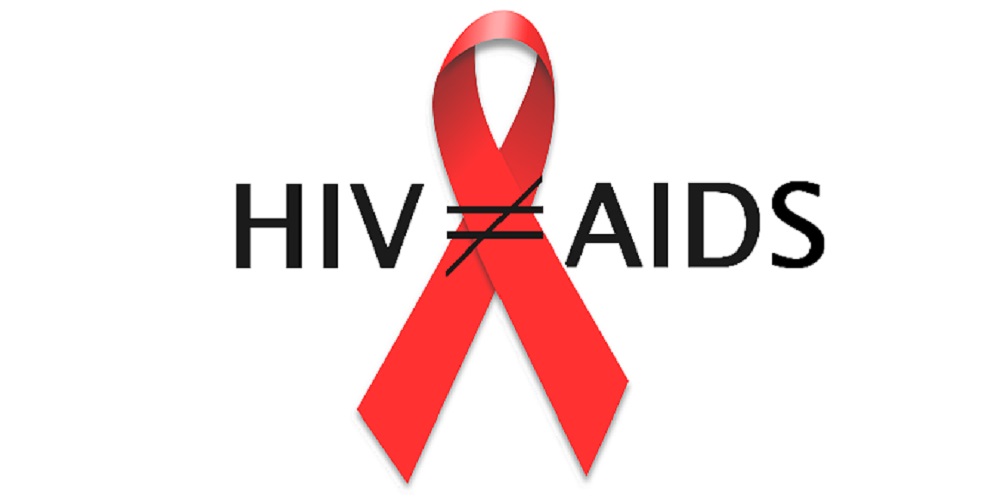
Health experts have assured Nigerians that advances in science, treatment and technology have transformed HIV from a fatal diagnosis into a manageable health condition.
The assurance was given at the weekend in Abuja by the Chief Executive Officer of APIN Public Health Initiatives, Prof. Prosper Okonkwo, during activities marking the organisation’s 25th anniversary.
Okonkwo said people living with HIV can now achieve viral suppression, live healthy lives, have families and pursue their careers without the virus defining their future, describing the progress as the result of years of investment, advocacy and public health interventions.
He noted that APIN currently has more than 314,000 patients on antiretroviral treatment, while about 96 per cent of them have achieved viral load suppression, adding that access to treatment has improved significantly compared to the early years of the epidemic.
The organisation also disclosed that more than 83,000 pregnant women and children who tested positive for HIV in Oyo, Ogun, Ondo, Plateau and Benue states had been placed on treatment as of March 2026, highlighting ongoing efforts to reduce mother-to-child transmission and improve healthcare outcomes.

The National Agency for Food and Drug Administration and Control, NAFDAC, has warned sachet water producers to stop producing unregistered water and to renew expired licences or face punishment.
The warning was given by the Director of NAFDAC in the South-South Zone, Chukwuma Oligbu, after the agency carried out an enforcement operation in parts of Rivers State, including Asari Toru, Akuku Toru, Degema, and Ikwerre Local Government Areas.
During the operation, 16 sachet water factories were shut down and their owners were invited for questioning.
NAFDAC said the factories were found operating in dirty conditions, using unsafe filters, providing wrong addresses, and, in some cases, using expired licences or violating other regulations.
In a statement on Thursday by the Public Relations Officer of the South-South Zone, Cyril Monye, the agency also warned that factories operating illegally or obstructing officials from carrying out their duties would be shut down and their owners prosecuted.
NAFDAC further urged the public to report any illegal water production.
According to the statement, “The sachet water factories include: Obra Bo Table Water, Abalama, Asari Toru LGA; Loilia Table Water, Okpo, Degema LGA; Jima Table Water, Obuama Harry Town, Degema LGA; and Inye Table Water, Obuama Harry Town, Degema LGA.
“Others are Obuta Table Water, Obuama Harry Town, Degema LGA; S.P. Nimi Table Water, Obuama Harry Town, Degema LGA; Soaltam Table Water, Obuama Harry Town, Degema LGA; and Piasso Table Water, Usokun, Degema LGA.
“Also shut down are: Imumsco Table Water, Port Harcourt–Degema Road, Degema LGA; Granpa Table Water, Abonnema, Akuku Toru LGA; Daa Ajuka Table Water, Abonnema, Akuku Toru LGA; and Diob Table Water, Abonnema, Akuku Toru LGA.
“At Ikwerre LGA, four factories were shut down. They include AQUA-TOBSON Table Water, DUCO Table Water, CHISODEK Table Water, and NEO BRAIN Table Water.”

Nigeria seeks greater climate, biodiversity support as GEF-8 ends

How to cope with rainy season illnesses

Naira depreciates to N1,397/$ in parallel market




-

 Economy17 hours ago
See Dollar to Naira exchange rate today, June 5, 2026
-

 News17 hours ago
Just in: Gov Soludo Drags 8 Anambra Pastors To Court Over Fake Miracles, Religious Scam
-

 News17 hours ago
FBI announces fresh Top 10 list of scammers wanted for multibillion-dollar fraud
-

 News17 hours ago
WASSCE candidates again write exams late in the night
-

 News17 hours ago
Legal Education Council unveils updated list of 117 universities accredited to offer Law
-

 News10 hours ago
Xenophobia: FG Set To Repatriate Over 1,000 Nationals From South Africa As Tensions Rise
-

 News17 hours ago
BARC Farm: Stop Hiding Greed Behind Politics, PVD Tells Kefas Ropshik
-

 News17 hours ago
2027: INEC nullifies primaries held after May 30