
By Gloria Ikibah

Members of the ECOWAS Parliament have identified the key drivers of irregular migration across The Gambia and the wider West African region, while proposing a broad range of measures aimed at addressing the growing challenge.
The findings were presented by the forth Deputy Speaker, Hon. Billay Tunkara at the end of a Parliamentary Citizens’ Engagement on the Dangers of Irregular Migration and Modern Slavery, held in Banjul, The Gambia, from 6 to 10 July 2026. 
Speaking on behalf of the parliamentary mission, Tunkara said the engagement reflected the regional parliament’s commitment to ensuring that citizens’ concerns shape policy decisions across the ECOWAS region.
He said: “Such solutions requires listening to communities, empowering young people, supporting survivors and returnees, strengthening families and creating opportunities that enable young people to choose hope, dignity and prosperity at home, rather than the risk of irregular migration.”
According to the report, participants consistently pointed to unemployment, underemployment, poverty, limited access to education and vocational training, as well as inadequate economic opportunities, as the main factors pushing young people towards dangerous migration routes.
The findings stated: “Many young people expressed the view that the opportunities currently available within the country (The Gambia) do not provide a realistic pathway to secure a prosperous future, thereby reinforcing the perception that migration offers a few viable means to improve their livelihood.”
The parliamentarians also found that family expectations, peer influence and misleading portrayals on social media continue to fuel irregular migration.
“Images and stories portraying migrants as successful abroad, together with the financial support sometimes provided by family members to facilitate irregular journeys, continue to encourage young people to migrate despite the known dangers”, the report noted.
The mission further revealed that testimonies from survivors and returnees painted a grim picture of the realities behind irregular migration.
“The testimonies of returnees and survivors confirmed that irregular migration and trafficking in persons are not abstract concerns but lived experience marked by deception, exploitation, forced labour, abuse, detention, family separation, and severe psychosocial trauma”, the report further noted.
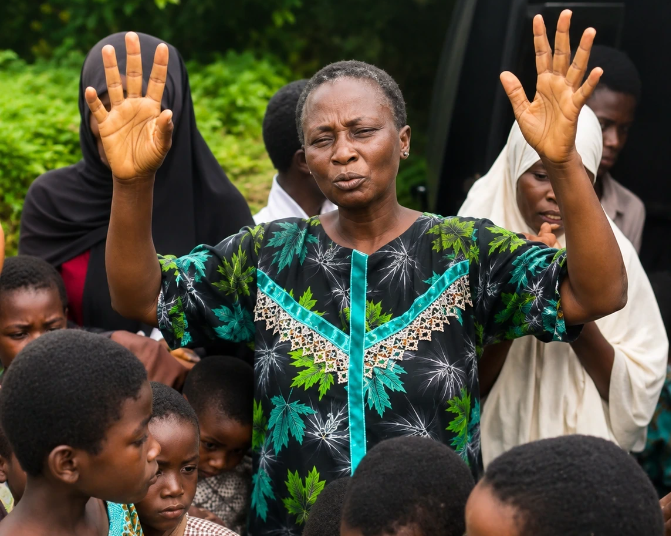
Despite these experiences, the lawmakers observed that returnees could become powerful advocates against irregular migration.
“Participants nevertheless recognized that survivors and returnees can become powerful advocates for prevention. Their testimonies constitute one of the most credible means of sensitising young people in communities” it added.
The delegation stressed that awareness campaigns alone would not solve the problem unless they were backed by meaningful economic opportunities.
“Participants emphasized that awareness raising alone is insufficient to curb irregular migration, since the system must be accompanied by meaningful employment, entrepreneurial support, vocational skill development, agricultural modernisation, access to financing, and sustained investment in youth employment”, report stated.
The report also underscored the need to strengthen support systems for returnees.
“Social reintegration requires not only financial assistance, but also psychosocial care, skills development, livelihood support, job placements, community acceptance, and protection from stigma.
“Participants stressed the need for stronger legislation, more effective enforcement and penalties capable of deterring offenders and dismantling organised criminal networks.”
The engagement further highlighted the importance of direct interaction between lawmakers and citizens in shaping effective policies.
“The engagement also reaffirmed the value of direct interaction between parliamentarians and citizens. The combination of community-based dialogue, local language communication, survivors’ testimonies and support-based outreach helped strengthen trust, promote greater public awareness and encourage meaningful participation of young people and other community members”, it stated.
At the conclusion of the exercise, the ECOWAS Parliament recommended that member states prioritise job creation through greater investment in technology, technical education and vocational training centres.
The lawmakers also called for stronger legislation and closer cross-border collaboration to combat migrant smuggling and human trafficking, alongside improved intelligence sharing among security agencies.
Other recommendations included the establishment of comprehensive reintegration centres offering psychosocial support, vocational training, entrepreneurship assistance, business development services and employment opportunities for returnees and survivors.
The parliament also urged governments to expand access to affordable financing for young entrepreneurs, strengthen investment in education and agricultural training, modernise technical institutions, and incorporate lessons on irregular migration and human trafficking into school curricula.
The report further recommended increased investment in border surveillance technology, faster passage and implementation of The Gambia’s Immigration Bill, and a review of existing anti-trafficking laws to reflect emerging trends.
It also encouraged greater involvement of traditional rulers, religious leaders, civil society organisations, families and the media in sustained public awareness campaigns aimed at countering misinformation surrounding irregular migration.
The lawmakers further urged communities to discourage families from financing irregular migration and to report suspected cases of human trafficking and migrant smuggling to the relevant authorities.
They also advocated greater use of sports, arts and community dialogue as practical tools for educating young people about the dangers of irregular migration.
The delegation proposed institutionalising Parliamentary-Student Engagements across ECOWAS member states to strengthen oversight, public participation and evidence-based policymaking on migration and regional integration.
“The Parliamentary Citizen’s Engagement reaffirmed that irregular migration and trafficking in persons are complex regional challenges that require coordinated and sustained action by governments, parliaments, communities, civil society organisations, development partners and families”, it stated.
The parliamentarians commended the Government of The Gambia, the ECOWAS Resident Representative, development partners, traditional and religious leaders, youth and women groups, fishing associations, returnees, survivors and community members for their contributions throughout the engagement.
“The experience in Bakau, Brikama and Barra demonstrated that lasting solutions cannot be achieved through enforcement measures alone”, the report added.