By Gloria Ikibah


The Federal Government has called for a careful adaptation of China’s development and poverty reduction strategies to Nigeria’s realities, stressing that the country must learn from international models without abandoning its own institutions, values and priorities.
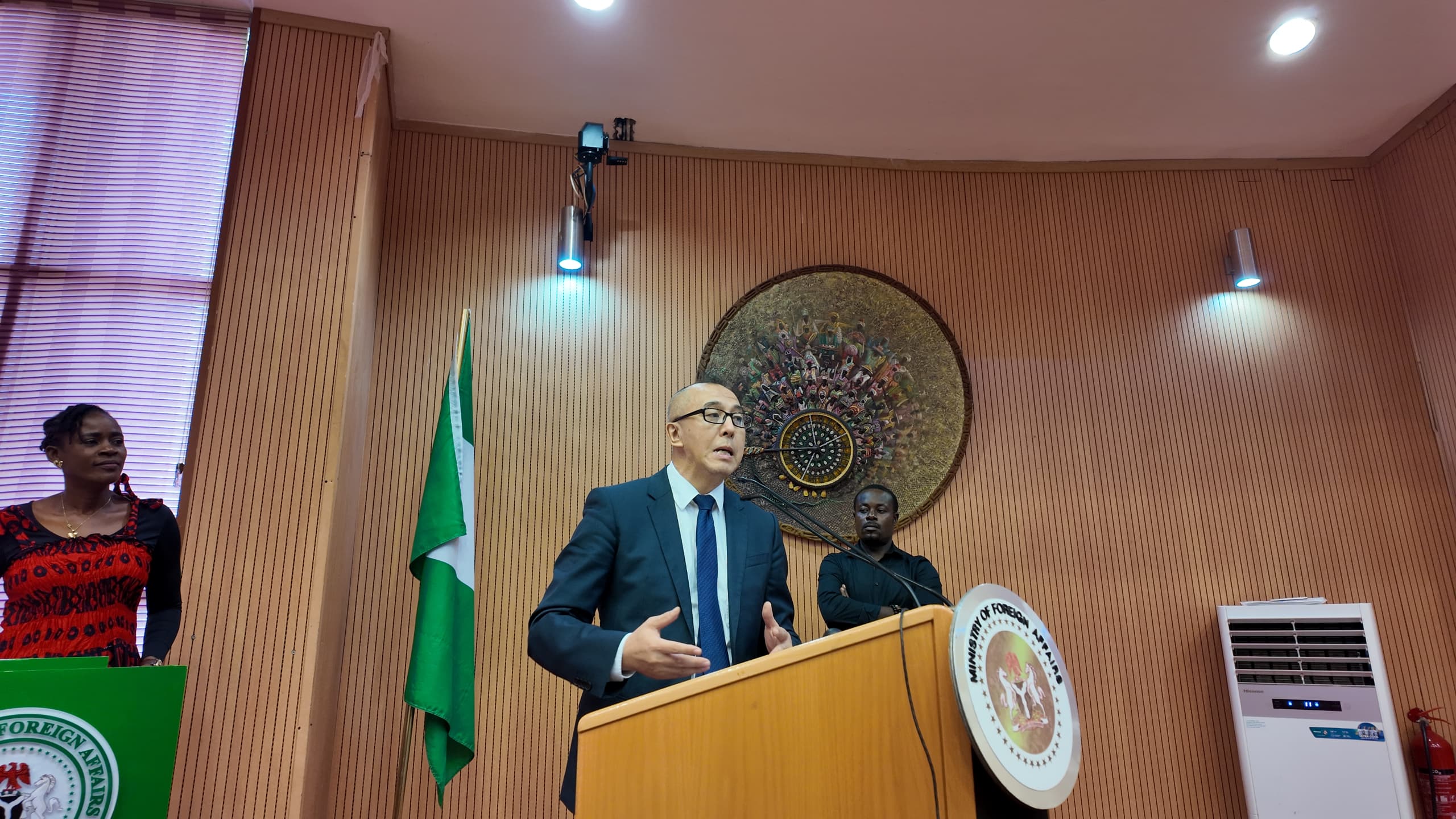
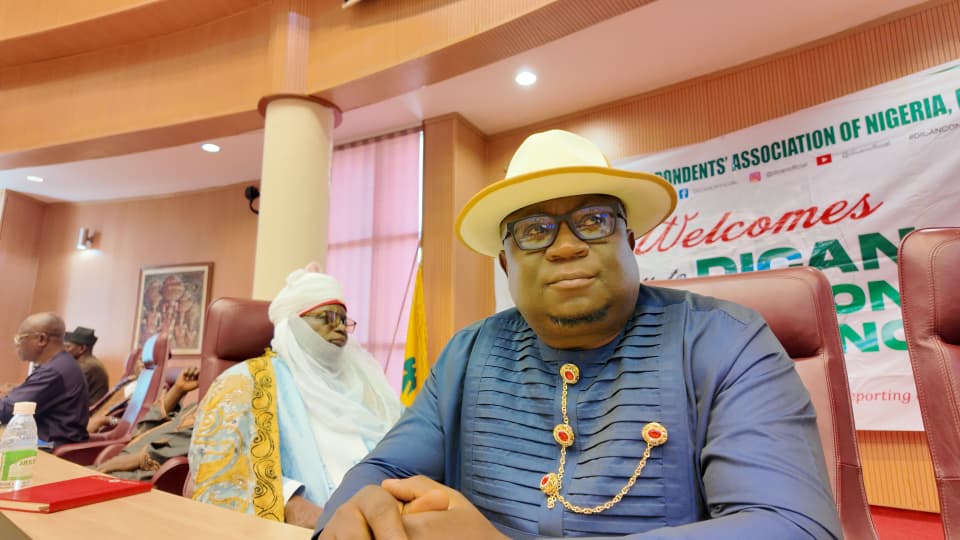
The Permanent Secretary of the Ministry, Ambassador Dunoma Umar Ahmed, made the call at a one-day workshop organised by the Diplomatic Correspondents Association of Nigeria (DICAN) on Tuesday in Abuja. 
The workshop, themed, “Nigeria’s Poverty Alleviation Efforts: Adopting China Modules and Its Relevance in a New Era — The Place of Policy Makers, Development Partners and Diplomatic Reporters,” brought stakeholders together to examine possible lessons from China’s development experience.
Ahmed who was represented by the immediate past Spokesperson of the Ministry, Kimiebi Ebienfa, said Nigeria, like many developing countries, continued to face poverty, unemployment and inequality, making bold and collaborative solutions necessary.
“No single institution or country holds all the answers. That is why the constructive study of international models, the adaptation of best practices, and strengthened partnerships are essential for delivering inclusive progress for our citizens,” he said.
The Permanent Secretary said China’s experience offered useful lessons in long-term planning, infrastructure-led growth, targeted poverty reduction and the mobilisation of domestic resources.
He, however, cautioned against copying the Chinese model wholesale, stressing that Nigeria’s unique institutions, social structure and values must guide any adaptation.
“Yet every country’s path must be shaped by its unique institutions, social fabric and values.
“Our objective should be to assess which elements of the China model can be responsibly contextualized for Nigeria, enhancing agricultural productivity, expanding social protection, leveraging public–private partnerships, and investing in human capital — while ensuring transparency, accountability, and respect for democratic governance,” he said.
Ahmed said policymakers, development partners and the media all had important roles to play in tackling poverty.
He charged policymakers with developing practical frameworks that would translate international lessons into reforms suited to Nigeria, while protecting fiscal sustainability and strengthening institutions.
“Policy makers must design coherent frameworks that translate lessons into context-appropriate reforms, safeguard fiscal sustainability, and build the institutional capacity to implement and monitor results,” he said.
On the role of development partners, the Permanent Secretary said they could provide technical expertise, funding and international experience, but stressed that their interventions must be aligned with Nigeria’s priorities.
“Development partners bring technical expertise, financing and international experience; their support is most effective when aligned with Nigeria’s priorities and subject to rigorous oversight and mutual accountability,” he said.
Ahmed also highlighted the role of diplomatic correspondents and the wider media in shaping public understanding of government policies and holding stakeholders accountable.
“Diplomatic correspondents and the wider media are critical in shaping public understanding, scrutinizing policy choices, and holding stakeholders accountable.
“Clear, accurate and balanced reporting fosters informed public dialogue and helps ensure that poverty-alleviation strategies are responsive to citizens’ needs,” he said.
He said the Ministry of Foreign Affairs will continue to deepen international partnerships to support Nigeria’s development goals through investment, technology transfer and capacity building.
“The Ministry of Foreign Affairs is committed to supporting these efforts by deepening international cooperation, promoting knowledge exchange, and mobilizing partnerships that advance Nigeria’s development objectives.
“We will therefore continue to engage bilateral and multilateral partners to attract responsible investment, technology transfer and capacity-building programs that respect our development priorities,” Ahmed said.
The Permanent Secretary urged participants at the workshop to have frank and evidence-based discussions and produce practical recommendations capable of accelerating poverty reduction.
“As you deliberate over the course of this workshop, I encourage frank, evidence-driven discussions that weigh opportunities against risks, and that prioritize the welfare of Nigeria’s most vulnerable populations.
“Let this forum produce practical recommendations on policy adaptation, partnership modalities, and communication strategies that can accelerate sustainable poverty reduction in our country,” he said.
Ahmed commended DICAN for organising the workshop, saying stronger collaboration between policymakers, development partners and the media would be critical to lifting millions of Nigerians out of poverty.
“On behalf of the Ministry, I wish you productive deliberations and actionable outcomes that will strengthen the contributions of policymakers, development partners and the press in lifting millions of Nigerians out of poverty,” he said.
Earlier in his welcome address, Chairman of DICAN, Comrade Idehai Frederick, called for stronger collaboration between Nigeria and China to tackle poverty and accelerate economic development.
Frederick said China’s experience in lifting more than 800 million people out of extreme poverty offered useful lessons for Nigeria, but stressed that the model must be adapted to the country’s peculiar socio-economic realities.
“China’s historical feat of lifting over 800 million people out of extreme poverty provides a compelling blueprint. However, adaptation rather than direct replication is key to achieving meaningful impact within Nigeria’s unique socio-economic landscape,” he said.
He urged policymakers to move from blanket subsidies to targeted, data-driven interventions at household and community levels, while prioritising infrastructure, industrialisation, the digital economy and stronger economic partnerships.
Frederick also called on the Chinese Government to expand fellowship opportunities, media exchange programmes and technical journalism training for DICAN members.
He further urged the Chinese Embassy to establish stronger links between Chinese businesses in Nigeria and DICAN, saying this would provide a platform for promoting corporate social responsibility, trade achievements and market opportunities.
On trade, the DICAN chairman said Nigeria must take advantage of China’s zero-tariff policy for African exports by strengthening local supply chains, improving product standards and expanding non-oil exports.
“We invite the Chinese Government to expand fellowship opportunities, media exchange programmes, and technical journalism training for DICAN members.
“Fully leveraging this policy requires strengthening local supply chains, improving standardization, and expanding non-oil exports from Nigeria to Chinese markets,” he said.
Frederick said journalists had an important role to play in promoting development and ensuring that policies were properly communicated to the public.
“Media professionals are not merely observers of policy; we are critical partners in documenting and accelerating national development,” he said.
He expressed appreciation to the Ministry of Foreign Affairs and the Chinese Embassy for their support, adding that DICAN will continue to promote informed public understanding of Nigeria’s foreign policy and development partnerships.