

…says beneficiaries must sustain academic excellence as colloquium advocates skills, mentorship and enterprise support for youths
By Gloria Ikibah 
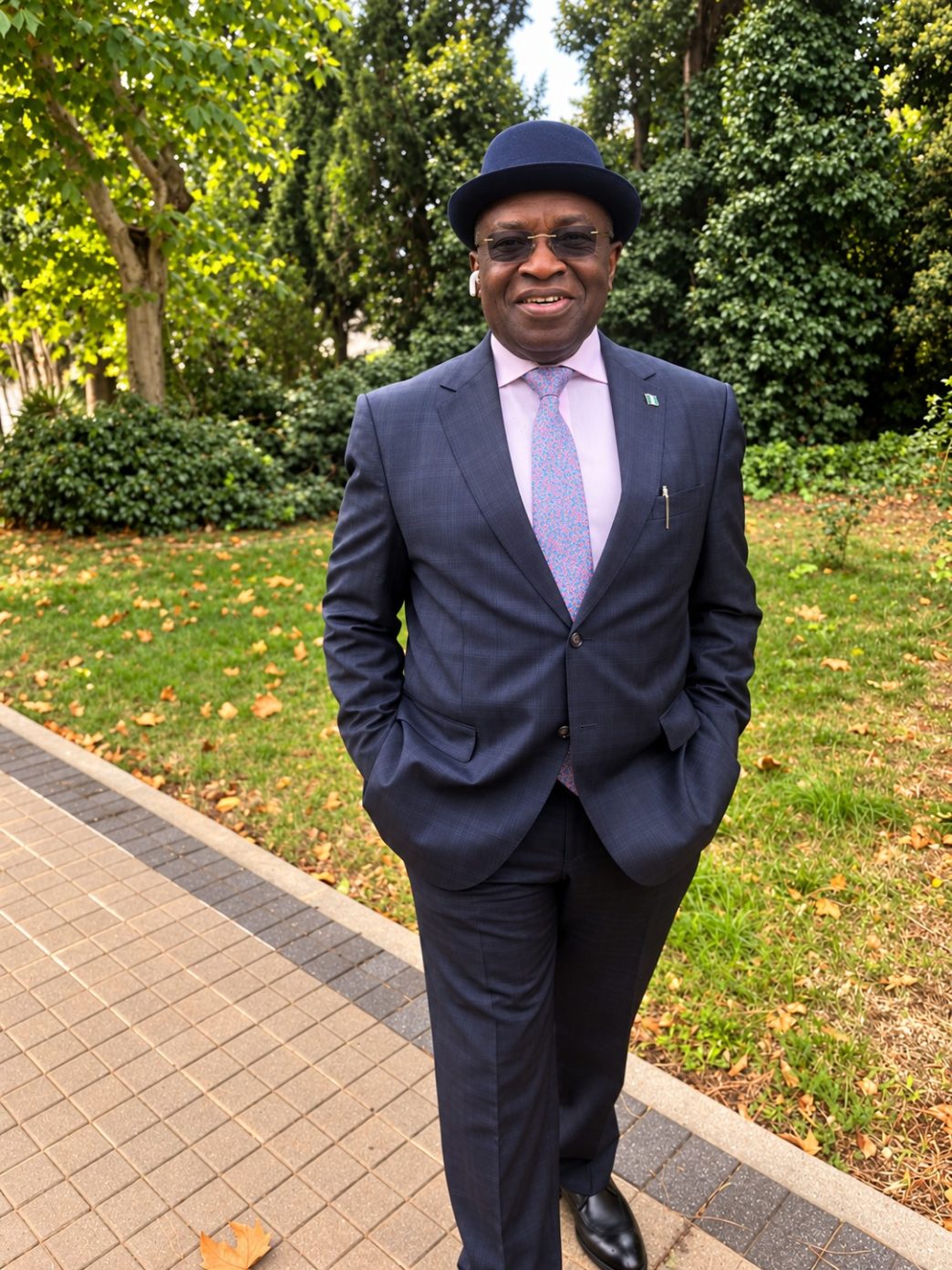
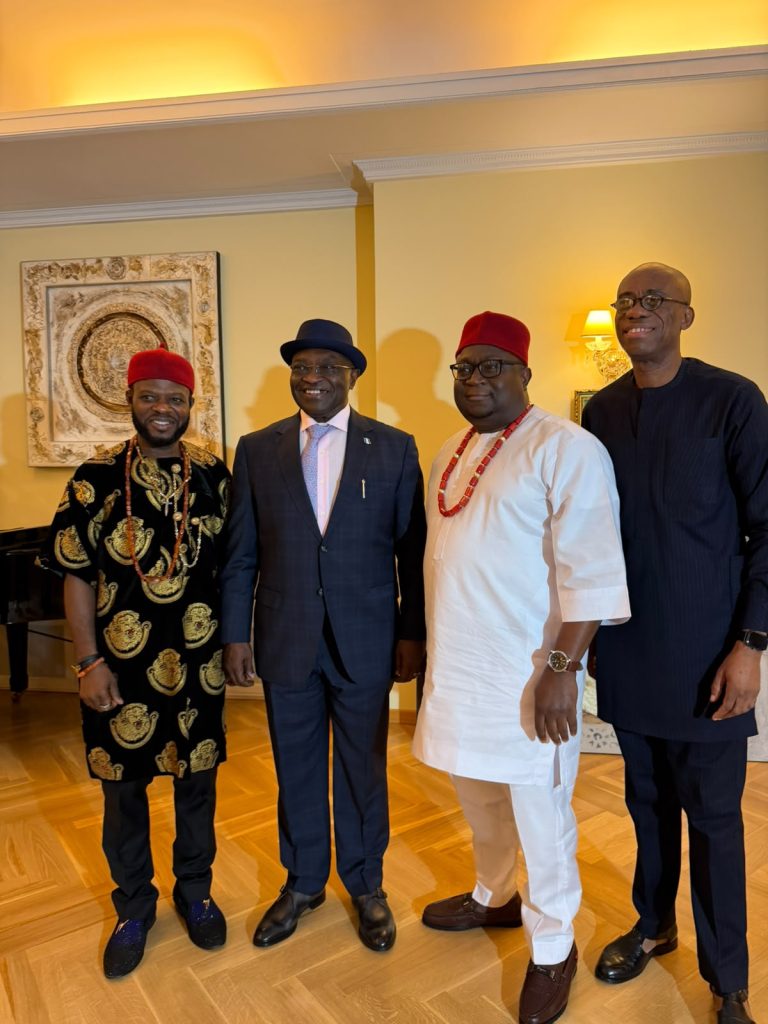
Nigeria’s Ambassador to Spain and former Abia State Governor, Dr Okezie Victor Ikpeazu, has announced plans to establish a scholarship scheme for exceptional first-class students, with continued support dependent on sustained academic excellence.
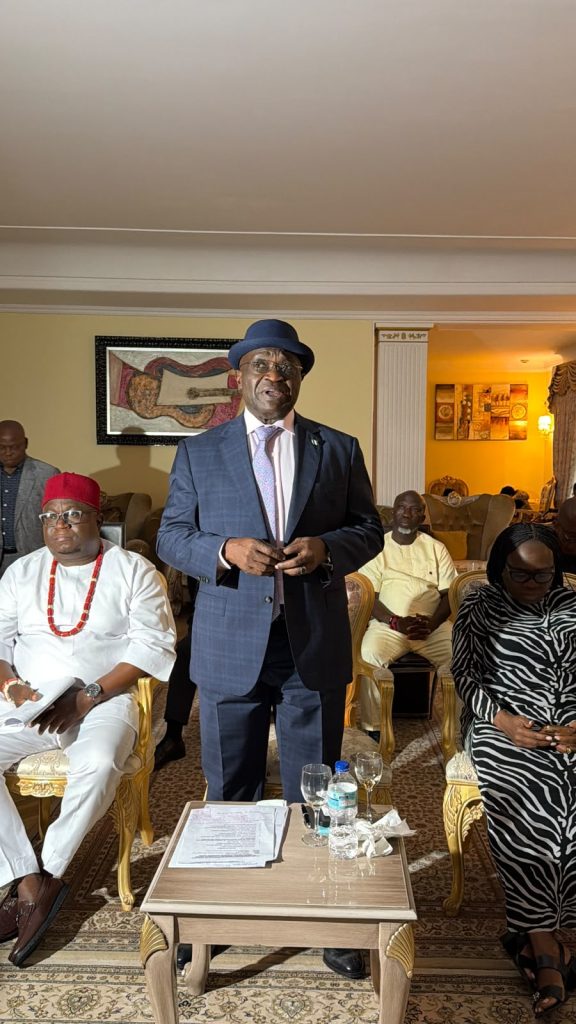
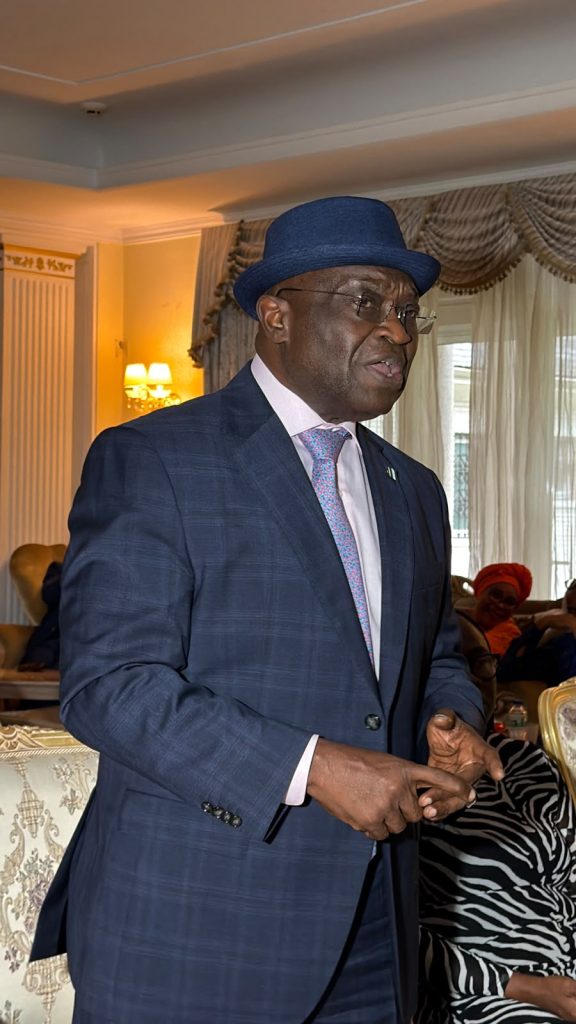
Ambassador Ikpeazu disclosed this during the celebration of his 62nd birthday and the Fifth Okezie Victor Ikpeazu Colloquium, organised by the Pa Ismael Ikpeazu Library and DOVI Scientific Leadership Centre.
The event, themed “Empowerment Beyond Handouts: Building Responsible, Skilled and Self-Reliant Young People for Sustainable Development”, brought together academics, public figures, friends and associates to discuss sustainable approaches to youth empowerment.
Ikpeazu said meaningful empowerment went beyond distributing money and material gifts, stressing the need to invest in education, skills acquisition, mentorship and enterprise development.
He explained that beneficiaries of the proposed Dovis Scholarship Scheme will be expected to maintain high academic standards, adding that support would be suspended if a student’s performance declined.
Reflecting on his years in public service, the former governor said sustainable empowerment required a combination of training, mentorship, practical experience and access to resources.
He cited agricultural programmes introduced during his administration in Abia State, particularly poultry clusters established to equip young people with the skills needed to run their own businesses.
Under the initiative, beneficiaries received poultry pens, feed stores, veterinary clinics and guidance from expert instructors. They underwent classroom training and practical farm management before transitioning into independent poultry businesses.

According to Ikpeazu, the approach helped reduce business failure by ensuring that participants acquired the necessary knowledge and hands-on experience before setting out on their own.
The ambassador also expressed gratitude to President Bola Ahmed Tinubu for appointing him to represent Nigeria in Spain.
He commended the President’s economic reforms, which he said had placed the country on a positive economic trajectory, and thanked his family, friends and political associates for supporting him throughout his academic, professional and political journey.
The highlight of the colloquium was a virtual keynote lecture delivered by Professor John Uzoma Ihendinihu, a Professor of Accounting and Taxation at Michael Okpara University of Agriculture, Umudike.

Prof. Ihendinihu argued that the success of empowerment programmes should be measured by the capabilities beneficiaries acquire rather than the material benefits they receive.
He said sustainable youth development required an integrated approach that built character, knowledge, competence and self-reliance.
The professor urged governments and other stakeholders to move beyond cash transfers and material gifts to invest in education, vocational training, mentorship, entrepreneurship support and access to markets.
He described Ikpeazu’s life and career as an example of how education, discipline and public service could contribute to empowerment.
Among the initiatives he highlighted from Ikpeazu’s tenure as governor were the promotion of the Made-in-Aba campaign, sponsorship of local artisans for international training, and the establishment of the Enyimba Automated Shoe Company and the Enyimba Automated Garment Factory.
He also cited efforts to secure institutional markets for products manufactured by Aba-based entrepreneurs.
According to the scholar, the initiatives demonstrated the value of shifting from consumption-based empowerment to sustainable capacity building that creates jobs, boosts productivity and promotes self-reliance.
He called on governments, educational institutions, businesses and community leaders to prioritise the development of responsible, skilled and productive young people capable of driving long-term economic growth and national development.
Earlier, the former spokesperson of the Ministry of Foreign Affairs, Kimiebi Ebienfa, described Ikpeazu as a scholar, statesman, diplomat and public servant whose career had been defined by scholarship, humility and service.
Ebienfa said the annual colloquium had consistently addressed issues of economic development, entrepreneurship and sustainable empowerment.
He noted that this year’s theme highlighted the need to equip young people with the knowledge, skills and values required to become self-reliant.
According to him, discussions at the colloquium had evolved from entrepreneurship and economic growth to examining why many empowerment programmes fail and how human capital development could produce more sustainable results.
Friends of the ambassador and other guests, who attended physically and virtually from different parts of the world, paid tribute to him, commending his contributions to public service, youth development, education and community advancement.
The event ended with goodwill messages, birthday tributes and a birthday song in honour of Ikpeazu as family members, friends, associates and well-wishers celebrated his 62nd birthday.