
News
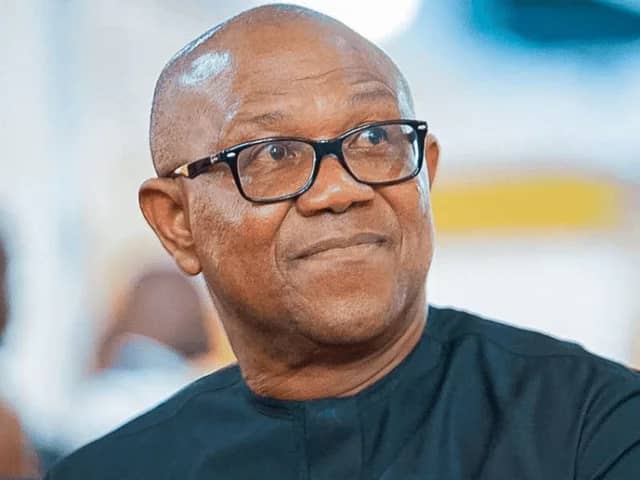
New year message: Peter Obi advises Tinubu to spend holidays in different states

- /home/naijuinz/public_html/wp-content/plugins/mvp-social-buttons/mvp-social-buttons.php on line 27
https://naijablitznews.com/wp-content/uploads/2025/01/IMG-20250102-WA0001.jpg&description=New year message: Peter Obi advises Tinubu to spend holidays in different states', 'pinterestShare', 'width=750,height=350'); return false;" title="Pin This Post">
- Share
- Tweet /home/naijuinz/public_html/wp-content/plugins/mvp-social-buttons/mvp-social-buttons.php on line 72
https://naijablitznews.com/wp-content/uploads/2025/01/IMG-20250102-WA0001.jpg&description=New year message: Peter Obi advises Tinubu to spend holidays in different states', 'pinterestShare', 'width=750,height=350'); return false;" title="Pin This Post">


…to understand the pains of Nigerians
…outlines good governance indicators
Peter Obi, ex- Governor of Anambra State and Labour Party Presidential Candidate in Nigeria’s 2023 Presidential Election has advised President Bola Tinubu to spend his holidays in different states of Nigeria.
READ FULL MESSAGE BELOW:
My Fellow Nigerians, Happy New Year!
As we begin the New Year 2025, it has become imperative for me to speak to you as a Nigerian interested in the progress of the country.
The political, economic and security situation of our country is worsening daily, despite contrary positions and claims by the government of improvement in different spheres of human endeavour. Our national challenges are visibly worsening. Our nation and its fortunes are in clear reverse.
“The indices are clearly indicative of our decline, thus:Our national indices tell a disconcerting story Nigeria remains one of the poverty capitals of the world, with over 100 million people living in extreme poverty and more than 150 million in multidimensional poverty.
“The situation has deteriorated significantly over the past 18 months under the current administration. As a nation, we have fallen from being the largest economy in Africa, with a GDP of $574 billion and a per capita income of over $3,500 in 2014, to now ranking fourth on the continent. Our current GDP is less than 50% of what it was a decade ago, standing at approximately $200 billion, with a per capita income of barely $1,000.Nigeria remains one of the most insecure and least peaceful nations in the world, with countless communities and families displaced from their homes and now living in IDP camps.
According to the Global Peace Index (GPI), Nigeria ranks 143rd out of 163 countries in terms of peacefulness – an indication of a high level of distress.Food insecurity has become our new national norm, making Nigeria one of the hungriest countries in the world.
” Gainfully employed and middle-income Nigerians now spend nearly their entire incomes on feeding, with some even resorting to borrowing just to eat. For those living on the margins – low-income earners and the unemployed – the situation is even more dire.
“The newly approved minimum wage of N70,000 cannot afford a bag of rice or even half a bag of beans. As a result, many Nigerians go to bed hungry, while a significant number now rely on palliatives and charitable support.
“Tragically, this has recently led to several avoidable deaths. Nigeria’s ranking on the 2024 Global Hunger Index is 110th out of 127 countries, reflecting a critical level of hunger and food insecurity in the nation.We have earned the dubious distinction of being one of the countries with the largest number of people without access to electricity.
“In 2024, despite abysmal and unacceptable power generation and distribution, the frequency of National Grid collapse increased significantly, with the Grid failing 12 times in 12 months. As a result, we are now mockingly referred to as the “generator country.”
“This persistent lack of adequate energy supply continues to hinder our national development.Corruption, official malfeasance, fiscal profligacy, and the mismanagement of public resources continue to rise astronomically in our country, spreading across all spheres of government.
“Similarly, nepotism and the disregard for the Constitution, the rule of law, and due process have become the norm.
“Our national debt has risen astronomically, from approximately N15 trillion in 2015 to N100 trillion today.
” This sharp increase has occurred within the past 18 months under the current administration. Ironically, these borrowings are largely allocated to non-regenerative programmes and projects, leaving little to no tangible developmental assets to show for the debt.Inflation remains at an all-time high, businesses are collapsing, and manufacturing companies are barely surviving, further contributing to the already high unemployment rate.
“We hold periodic elections that are no longer genuine. Our electoral processes are visibly flawed, lacking transparency and credibility.
” Although Nigeria is a democratic country, the electoral processes fall far below acceptable standards, with the people’s votes often not counting.Suggestions on the way forwardFrom all indications, Nigeria urgently needs selfless and exemplary leadership across the three arms and tiers of government. However, this much-needed exemplary leadership must begin at the very top.
“Since the ultimate responsibility lies with Mr. President, I will direct my attention to him.
“Mr. President, present-day Nigeria aligns closely with Dr. Martin Luther King Jr.’s powerful words: “We are confronted with the fierce urgency of now. This is no time for apathy or complacency. This is a time for vigorous and positive actions.”
” Because we all love Nigeria and desire its prosperity, I would like to suggest some actions I would have personally approached differently. It is time to confront our national problems boldly, decisively, and with a sense of urgency. My suggestions are as follows: Commence a visible and verifiable reduction in the cost of governance to allocate much-needed resources to critical areas of development, such as security, health, education, and poverty alleviation.Aggressive and visible attention should be given to combating corruption effectively.
“While addressing past corrupt activities, we must ensure proper investigations and recoveries related to missing funds or their sources.
“The focus should be on eliminating current and future official malfeasance through increased transparency and accountability in public procurement and contract award processes, as well as thorough monitoring of execution to ensure that limited resources are efficiently utilized and applied productively.
“All future borrowing must be tied to regenerative investments and visible, productive assets that benefit the nation.
” This will ensure both productivity and the ability to service and amortize such loans, rather than continuing the current practice of accumulating massive debt with no tangible returns, which places undue strain on future development revenue.Mr. President, out of the approximately 580 days you have been in office, it is reported that you have spent over 30%, or around 180 days, on more than 30 publicly recorded overseas trips.
” My appeal is that you dedicate at least 20% of 2025 – roughly 72 days – to visit each of Nigeria’s 36 states for two days each. As President, such visits would give you the opportunity to better understand the dire economic and security situations across the country.
” Furthermore, it is time for you to visit our national hospitals. Consider, for example, that your next medical examination be conducted at one of our National Hospitals or Regional Federal Medical Centres, such as the FMC in Sokoto or Birnin Kebbi or Calabar or Umuahia or Akure, among others. This will allow you to assess the state of healthcare facilities available to Nigerians.
” It will also help you understand the condition of our hospitals and clinics, enabling you to make informed decisions on how to upgrade and make them efficient.
“Endeavour to travel by road to observe the condition of most highways.
” You can take short trips, for example, from Calabar in Cross River State to Uyo in Akwa Ibom State, a distance of less than 100 km, or from Benin in Edo State to Warri in Delta State.
” I recall taking President Olusegun Obasanjo on a trip from Awka to Onitsha on a federal highway when I was the Governor of Anambra State.
“That journey prompted him to immediately approve the reconstruction of parts of the road by the Anambra State government, with subsequent reimbursement by the federal government.
” Such actions are immensely valuable.
“Make both impromptu and planned visits to our tertiary institutions, where our children and future leaders are being trained, are essential to familiarize yourself with the available infrastructure, facilities, and amenities.
“These visits will provide valuable insight into whether the resources of the Tertiary Education Trust Fund (TETFund) are being utilized optimally and what is needed to sustain the education system.
” I recall President Shagari visiting the University of Nigeria, Nsukka, when I was a student there and telling us, ‘I have seen the facilities myself, and I assure you of my intervention.’
Institutional facilities improved significantly thereafter. As Commander-in-Chief, visit our military formations and security agencies, especially during their field operations, and provide them with morale-boosting assurances and support for operational efficiency.
Reiterate that they and their families will always be taken care of Mr. President, many Nigerians are ‘refugees’ and ‘exiles’ in their own country.
Visit various IDP camps and assure these Nigerians that they will soon return to their communities, and that you are working hard to restore peace and normalcy to the country. Nigeria is not a war-torn nation.
The proliferation of IDP camps is a troubling sign as President, you are no longer the Governor of Lagos State; therefore, consider spending your holidays in different parts of the country.
Let your next Sallah, Easter, and Christmas holidays be spent in places like Adamawa, Sokoto, Jos, Akure, Yenagoa, or Abakaliki, among others.
The single most challenging test you face is ensuring that future elections are credible and truly reflect the will of the people..
Finally, Mr. President, Nigerians need to hear directly from you, not through your proxies.
Quarterly updates on what you are doing to improve the situation in Nigeria is crucial.
God bless the Federal Republic of Nigeria.







By Kayode Sanni-Arewa
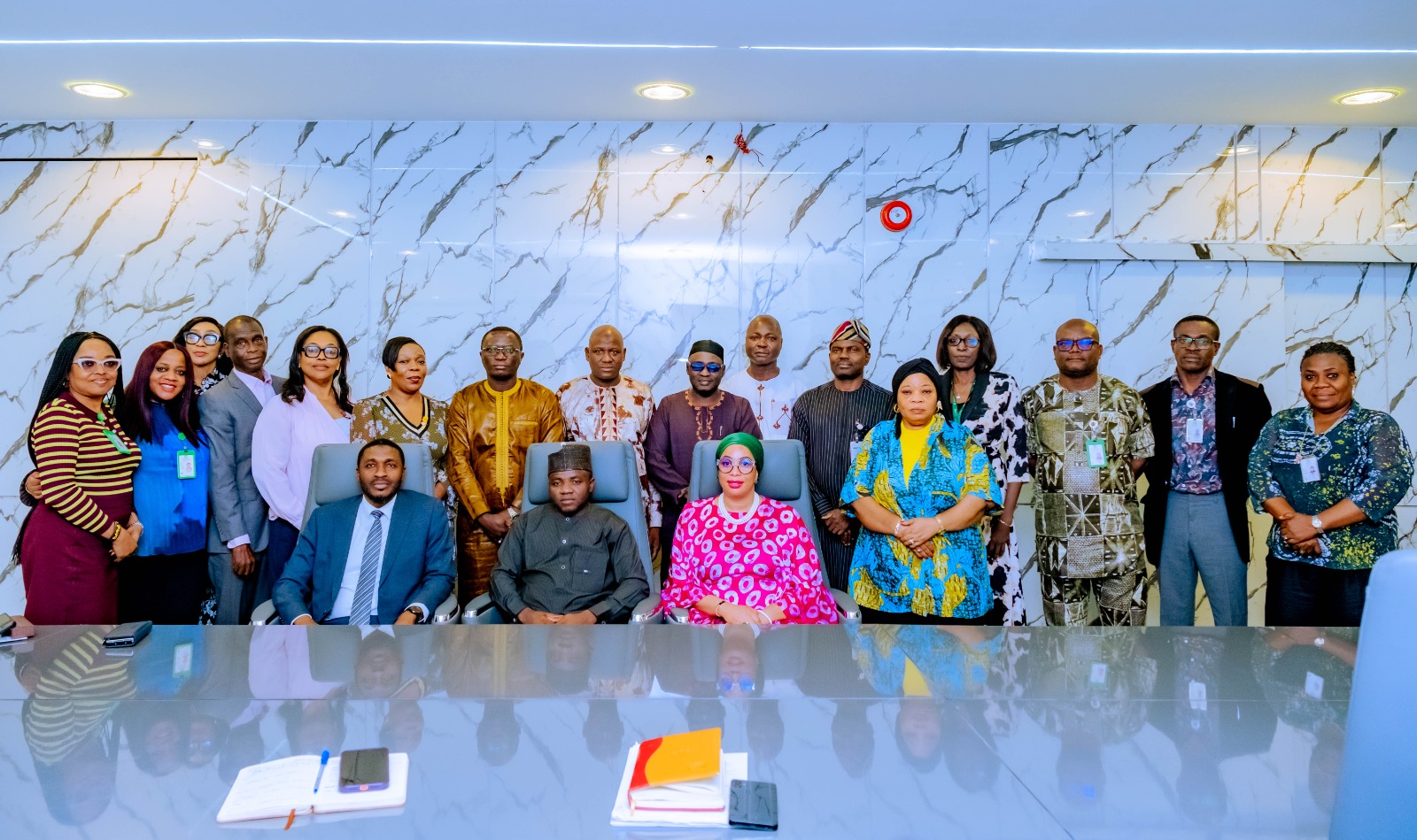
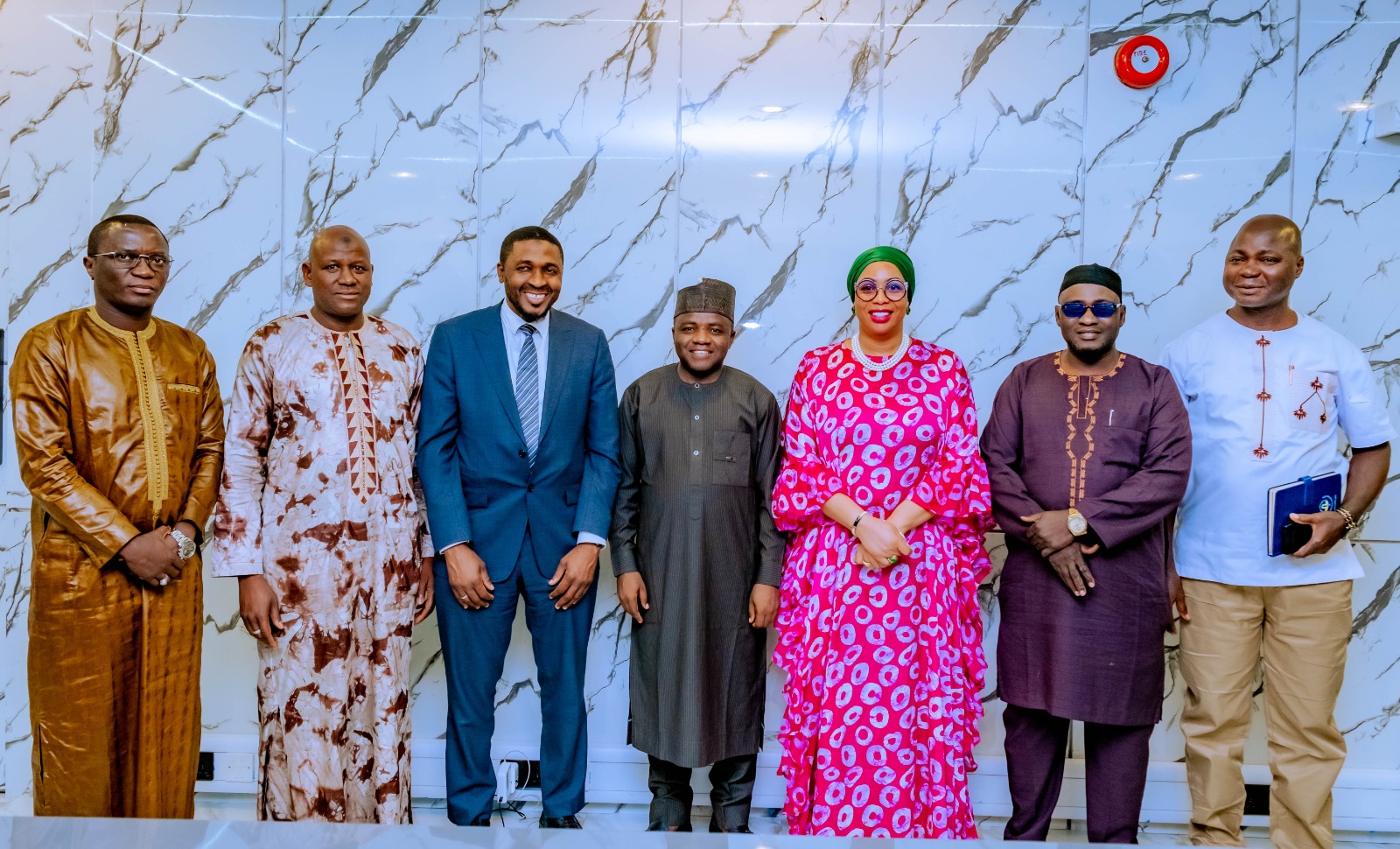
The Nigeria Social Insurance Trust Fund (NSITF) has promised to provide technical support while continuing to share knowledge with the Industrial Injuries Compensation Fund (IICF), Social Security and Housing Finance Corporation (SSHFC) of the Gambia in advancing social protection and workers’ welfare in the West African sub-region.
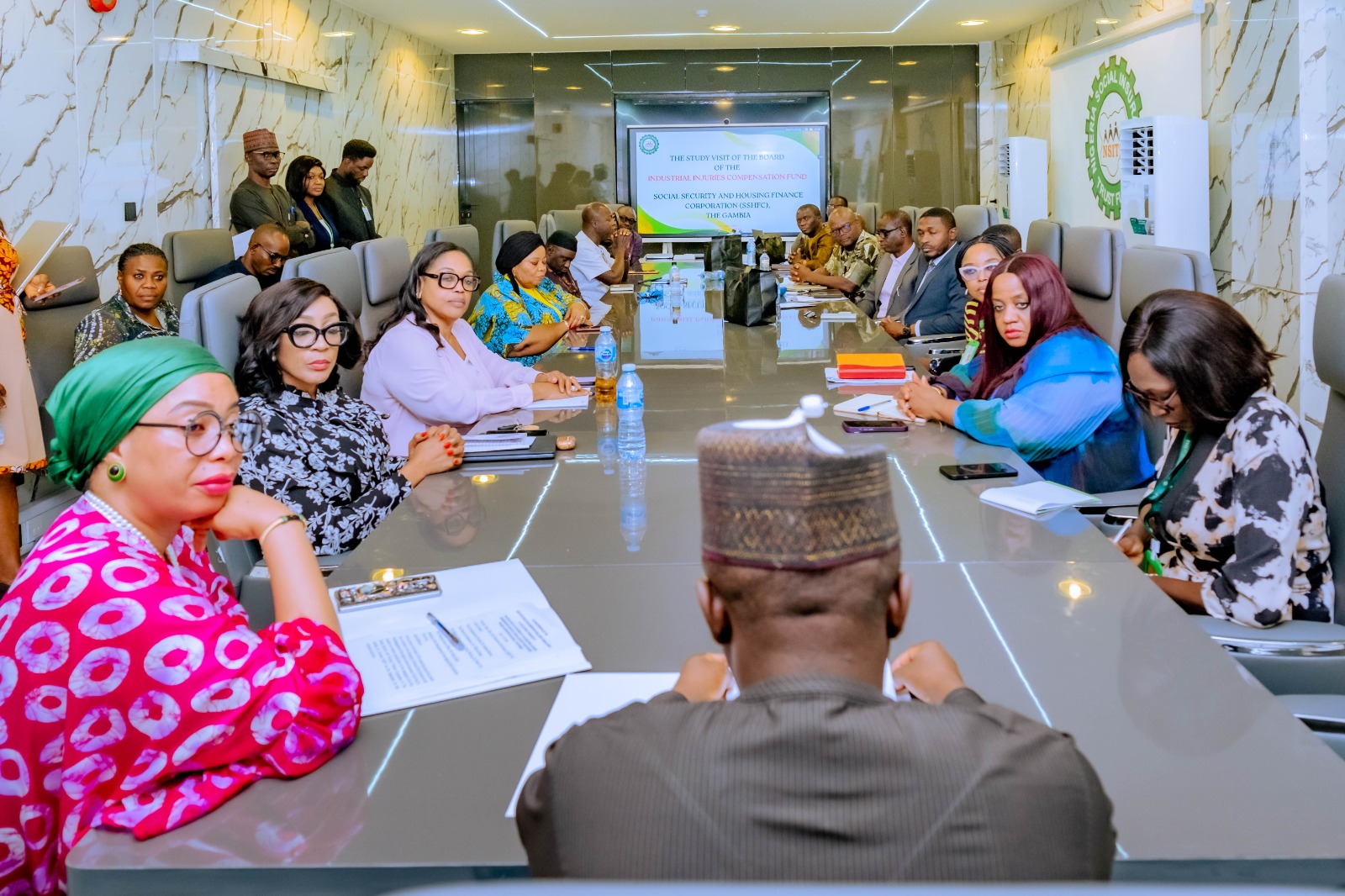
Managing Director/CE of NSITF, Barr. Oluwaseun Faleye, gave the assurance at the closing ceremony of the one-week study tour by the Board of the Industrial Injuries Compensation Fund (IICF), Social Security and Housing Finance Corporation (SSHFC) of the Gambia to the Fund.
He said the “NSITF will continue to support the Industrial Injuries Compensation Fund under the SSHFC by sharing technical knowledge, exchanging experiences and providing guidance wherever we can.
“We see this as a partnership between brothers, working together towards the common goal of strengthening social protection and advancing the welfare of workers across our sub-region”.
Faleye, who was represented by the Executive Director (Administration), Barr. Samaila Abdu, said, “I therefore wish to assure you that this relationship does not end with today’s closing ceremony. Rather, it marks the beginning of an even stronger partnership between our two institutions.
“As you return home, please convey our warm regards to the Managing Director, the Board, Management and the entire Social Security and Housing Finance Corporation of The Gambia.
“As we come to the close of this week-long study visit, permit me to express our sincere appreciation to the delegation from the Social Security and Housing Finance Corporation of The Gambia for choosing NSITF as the destination for this important study tour.
“Your decision to understudy our institution is both an honour and a demonstration of the growing spirit of collaboration among social security institutions within our sub-region. We are grateful for the openness, professionalism and mutual respect that have defined our engagements throughout the week,” the MD enthused.
“Over the course of this engagement, we have shared experiences, exchanged ideas and explored practical approaches to strengthening the administration of employment injury compensation and social security,” he continued, adding that “beyond the presentations and technical sessions, what has been most rewarding has been the quality of our interactions. We have engaged in frank discussions, asked important questions and learned from one another. That, indeed, is the true value of a study visit”.
Speaking further on the collaboration by the two agencies, the NSITF helmsman stated that “We are particularly delighted by your invitation for NSITF to visit The Gambia and witness first-hand how some of the lessons from this engagement will be adapted and domesticated within your institution. We deeply appreciate that invitation and will certainly give it due consideration.
“As an institution, we readily acknowledge that we are still strengthening and expanding our own social security implementation. Like every progressive institution, we continue to learn, innovate, and improve. However, we remain committed to sharing our experiences and best practices in areas where we have made meaningful progress”.
Giving a summary of what transpired during the tour, the Managing Director said, “We began by examining the evolution of social security administration in Nigeria, tracing the journey from the National Provident Fund through the NSITF and ultimately to the Employees’ Compensation Scheme established under the Employees’ Compensation Act, 2010.
“We also had the opportunity to exchange views on institutional governance, policy evolution and the future direction of social security within our respective countries.
“We examined the operational backbone of the Scheme, employer registration, compliance management and contribution assessment. Discussions centred on the legal obligations of employers, our compliance strategies, assessment methodologies and the role of technology in enhancing transparency and accountability.
“The interactive exchanges demonstrated our shared commitment to improving compliance while expanding coverage, particularly within underserved sectors of the economy.
“We explored claims administration, compensation delivery, rehabilitation and return-to-work programmes. Beyond the statutory obligation to compensate injured workers, we highlighted the importance of restoring dignity through medical rehabilitation, vocational training and economic reintegration.
“Our discussions also focused on research, evidence-based policy formulation, actuarial planning and the role of digital transformation in modern social security administration,” he highlited, adding that “the demonstration of the Employees Compensation Scheme Application (ECSA) illustrated how technology is enhancing efficiency, improving compliance and strengthening service delivery within the Fund. More importantly, our discussions on future cooperation reaffirmed our collective resolve to sustain this partnership beyond the confines of this study visit.”
Faleye maintained that together, the two social security agencies have reaffirmed that effective social security administration is not a destination but a continuous journey of learning, innovation and improvement.
“Perhaps the most important outcome of this engagement is our shared commitment to continue working together. The invitation extended to NSITF to visit The Gambia and witness your own reform journey is one we sincerely appreciate, he summed.
In his response, the leader of the Gambian delegation, Permanent Secretary, Ministry of Trade and Employment, Lamine Camara, expressed appreciation for the opportunity, expressing the desire to improve on their operations.
“We are very pleased and not happy that this tour is coming to an end. We want to take this collaboration further in every area of social security. We are also looking at improving capacity from this collaboration.
“We are eager to learn from the NSITF experience. We also want to improve the areas of research we are behind in that area, and this will help improve us, and our experience can also be of great benefit to Nigeria. We also use this opportunity to invite NSITF to visit us in the Gambia, and we are very happy,” he stated.

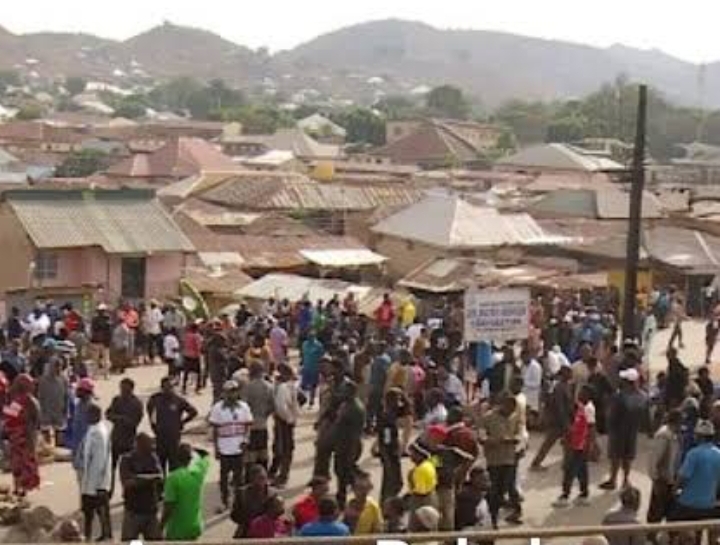
No fewer than nine members of the same family, including a two-month-old baby, were killed in a fresh attack by suspected gunmen on Kum and Wereng-Camp communities in Riyom Local Government Area of Plateau State late Saturday night.
The attack, according to residents, began at about 11:30 p.m. on Saturday and lasted for more than one hour, leaving the village head of the community critically injured after he was allegedly attacked by the assailants.
A resident, Precious Tok, told Vanguard that the victims were slaughtered in their home during the coordinated assault, describing the incident as one of the deadliest attacks witnessed in the area in recent times.
He said the gunmen invaded the communities in large numbers, shooting indiscriminately and forcing terrified residents to flee into nearby bushes for safety.
The National Publicity Secretary of the Berom Youth Moulders Association, Rwang Tengwong, who confirmed the attack, said the assailants struck under the cover of darkness and unleashed violence on helpless residents.
According to him, the attack wiped out nine members of one family, including a two-month-old infant, while the village head sustained life-threatening injuries and was rushed to hospital for treatment.
He added that security agencies had been alerted and expressed hope that the perpetrators would be apprehended and brought to justice.
The latest attack has thrown the affected communities into mourning, with residents urging the Federal and Plateau State governments to strengthen security across Riyom and other vulnerable communities to halt the recurring attacks.
As of the time of filing this report, security personnel had reportedly been deployed to the affected communities, while many residents remained displaced and fearful of further attacks.
Efforts to obtain official confirmation from the Plateau State Police Command were unsuccessful. (Sunday Vanguard)

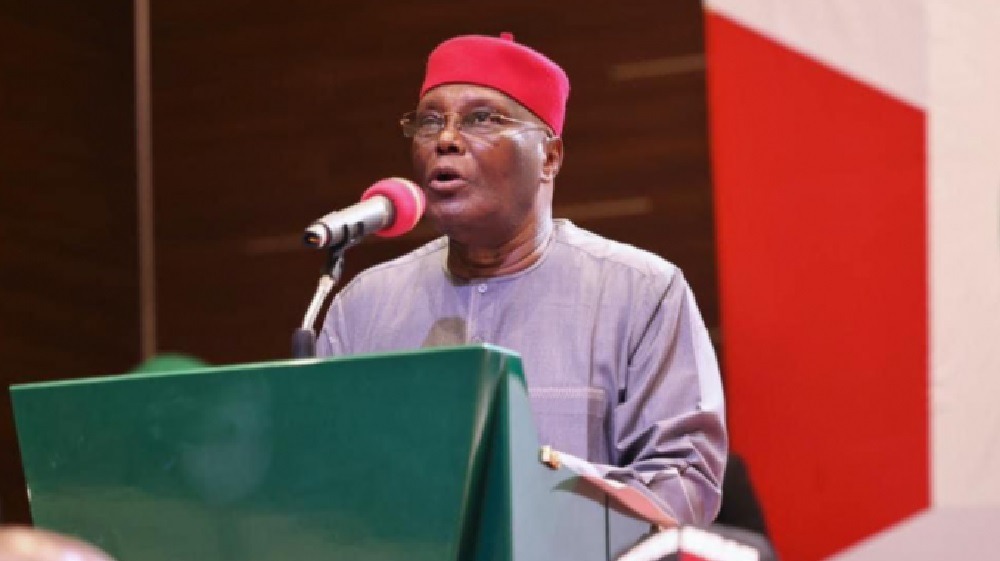
Former Vice President Atiku Abubakar has criticised the Federal Government’s decision to approve a uniform N50,000 registration fee for the Senior Secondary School Certificate Examinations (SSCE) conducted by the West African Examinations Council (WAEC) and the National Examinations Council (NECO), warning that the policy could further limit access to education for millions of Nigerian students.
The Federal Government, through the Federal Ministry of Education, approved the adoption of a uniform N50,000 registration fee for WAEC and NECO SSCE internal examinations, effective from 2027.
Under the new arrangement, NECO’s registration fee will increase from N30,000 to N50,000 per candidate, while WAEC’s fee will rise from N27,000 to the same amount.
The approval was contained in a memo dated June 18, 2026, signed by the Director of Senior Secondary Education at the Federal Ministry of Education, Adeniji Ibrahim, on behalf of the Minister of Education. The memo, addressed to the Registrar of NECO, stated that the decision followed a meeting between the ministry and examination bodies held on March 31, 2026, where stakeholders agreed to adopt a harmonised fee structure.
Reacting in a statement issued by his Senior Special Assistant on Public Communication, Phrank Shaibu, Atiku described the planned increase as “cruel, economically insensitive and fundamentally incompatible” with the government’s obligation to make education accessible to every Nigerian child.
He argued that the policy comes at a time when many households are grappling with rising inflation, escalating food and transportation costs, higher electricity tariffs, unemployment and declining purchasing power.
“It is unconscionable that at a time when Nigerian families are battling record inflation, soaring food prices, rising transportation costs, crippling electricity tariffs, stagnant incomes and widespread unemployment, the Tinubu administration has chosen to make education even more expensive,” Atiku said.
The former vice president maintained that education remains one of the most important pathways to social mobility, warning that higher examination fees could force more children out of school and deny qualified students the opportunity to pursue higher education.
“Every additional financial burden imposed on parents translates into another child being denied the opportunity to learn, dream and contribute meaningfully to society,” he said.
He noted that Nigeria already has one of the world’s largest populations of out-of-school children and argued that government efforts should be focused on reducing educational barriers rather than introducing policies that could worsen the situation.
“Nigeria already bears the painful distinction of having one of the largest populations of out-of-school children in the world. Any government confronted with such a national emergency should be investing aggressively to bring these children back into school,” he added.
Atiku further warned that the increase in WAEC and NECO fees, alongside the recent hike in fees for Federal Unity Colleges, would disproportionately affect low- and middle-income families already struggling to meet basic needs.
According to him, many academically qualified students may be unable to sit for the qualifying examinations required for admission into tertiary institutions due to financial constraints.
“The recent increase in WAEC and NECO examination fees represents far more than another financial burden on parents. It is a systemic filter that will inevitably restrict access to tertiary education for thousands of indigent but academically qualified Nigerian students,” he stated.
He also criticised the Federal Government’s reliance on the Nigerian Education Loan Fund (NELFUND), arguing that student loans cannot solve the challenges facing children who are unable to complete secondary education or afford examination fees.
“A university loan offers little comfort to a child who has already been priced out of secondary education or cannot afford the qualifying examination required to secure admission,” he said.
Atiku called on the Federal Government to prioritise investment in educational infrastructure, recruit more qualified teachers, expand the capacity of public tertiary institutions and implement policies that ensure poverty does not determine a child’s access to education.
He urged President Bola Tinubu’s administration to immediately reverse the increase in Unity School fees and the proposed N50,000 WAEC and NECO examination fees, while convening stakeholders to develop sustainable funding mechanisms for public education.

NSITF promises Gambia of technical support, stronger partnership …As study tour ends in Abuja

Plateau in panic mode as nine members of same family 2 month old baby killed in renewed attack

Nigeria’s crude oil output hits 74-month high, beats OPEC quota




-

 Entertainment23 hours ago
Finally, Peller, Jarvis pick date for white wedding
-
 News23 hours ago
NDLEA arrests South African lady with 3-yr-old son as cover up to traffic heroin
-
 News24 hours ago
NDLEA nabs South African lady with 3-year-old son as cover to traffic heroin(Photos)
-
 Sports23 hours ago
FIFA Rubbishes Claims of Referee Bias in Argentina’s World Cup Victory Over Egypt
-
 News22 hours ago
DANGEROUS DEVT: Bandits abduct corpse of FRSC Cmdr, mourners, demand almost half a billion Naira ransom
-

 News19 hours ago
Military identifies Army lieutenant who paid supreme sacrifice in rescue of abducted Oyo pupils, teachers
-

 News19 hours ago
Iranian Newspaper lists Trump, European leaders as alleged revenge targets
-
 News23 hours ago
Notorious bandit kingpin Sani Yellow eliminated in Zamfara
Warning: Undefined variable $user_ID in /home/naijuinz/public_html/wp-content/themes/zox-news/comments.php on line 49
You must be logged in to post a comment Login