
News
Zulum cuts short leave to receive foreign envoys, UN delegation in Maiduguri

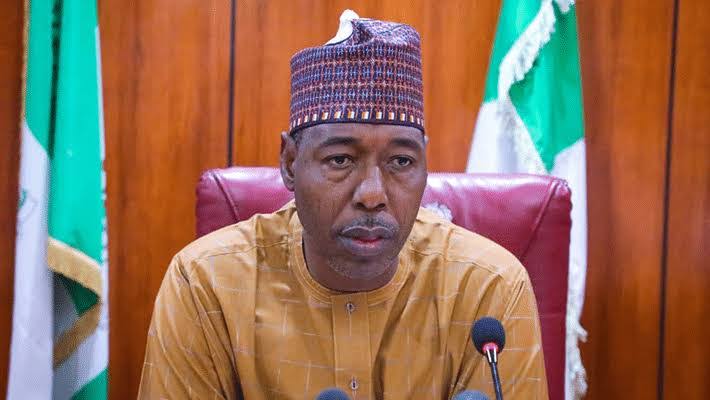


Borno State Governor, Babagana Umara Zulum, on Tuesday suspended his annual leave to receive ambassadors from India, Egypt, Indonesia, the Philippines, Turkey, Malaysia and Qatar in Maiduguri.
The diplomatic delegation was accompanied by the United Nations Resident and Humanitarian Coordinator in Nigeria, Mohamed Malick Fall, as well as the Minister of Humanitarian Affairs and Poverty Alleviation, Bernard Doro.
The visit provided development partners with an opportunity to evaluate the humanitarian conditions in Borno State, which has faced insurgency-related challenges for more than a decade.
During the visit, the delegation inspected selected projects executed by the Zulum administration in the areas of education, healthcare and human capital development. The projects were showcased by the Acting Governor of the state, Umar Usman Kadafur.
Speaking after the tour, Fall praised Zulum’s infrastructure drive, noting that the state was recording meaningful progress despite persistent security concerns.
“Beyond the headlines around security issues, there are transformative developments taking place in Borno State,” he said.
Fall highlighted education programmes, girl-child education initiatives, vocational training centres and facilities for the treatment of malnutrition as critical measures designed to tackle the root causes of the crisis.
He noted that sustained investment in education reflected the state government’s recognition that lasting stability depends on addressing factors fuelling conflict, particularly limited access to quality education.
Similarly, the Minister of Humanitarian Affairs and Poverty Alleviation, Bernard Doro, expressed satisfaction with the pace of development in the state despite years of insurgency.
“I am happy with what I have seen. Considering the crises the state has faced for over 10 years, the level of development is commendable,” Doro said.
He praised the governor’s leadership, adding that the vocational training centres and comprehensive schools visited were equipped to empower beneficiaries and support poverty reduction efforts.
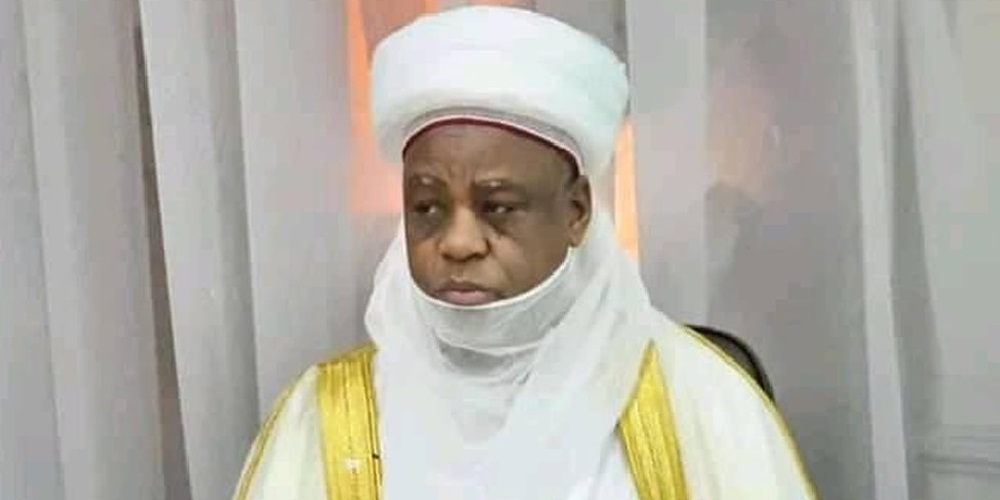
The Sultan of Sokoto, Alhaji Muhammad Sa’ad Abubakar III, has cautioned politicians and public office holders against using stolen or corruptly obtained public funds to sponsor pilgrimages to the holy lands of Mecca and Jerusalem.
The Sultan gave the warning on Wednesday in Abuja while speaking at the opening ceremony of a stakeholders’ meeting organised by the Nigeria Inter-Religious Council (NIREC).
Speaking to Christian and Muslim leaders, government officials, security representatives and other participants at the meeting, the Sultan stressed that religious leaders have an important role to play in the fight against corruption and the promotion of moral values in society.
He maintained that corruption should not be given religious justification, warning that public officials cannot divert public resources and subsequently use such funds to sponsor religious activities while expecting spiritual acceptance.
The Sultan said religious leaders must become active partners in efforts to tackle corruption and should work closely with relevant anti-corruption institutions.
Sultan: Religious Leaders Must Fight Corruption
According to the Sultan, religious leaders have a responsibility to speak against corruption because of its damaging effects on society and governance.
He stressed that the sanctity of religious activities should not be used to shield individuals who have obtained wealth through corrupt means.
The Sultan specifically referenced pilgrimage to Mecca and Jerusalem, saying stolen public funds should not be used to sponsor people for religious journeys.
He said God does not accept corruption and urged religious leaders to consistently reinforce the message against corrupt practices from their various religious platforms.
Sultan Backs EFCC Action Against Corrupt Individuals
The Sultan also called on the Economic and Financial Crimes Commission (EFCC) to deal firmly with individuals found to have engaged in corrupt practices, irrespective of their political, religious or social affiliations.
He said religious identity or status should not be used as a shield against accountability when an individual is required to face the law.
The Sultan urged religious leaders and members of the public not to interfere with lawful investigations or prosecution simply because the person involved is a pastor, imam, relative, friend or prominent member of a religious community.
He also called on the EFCC to carry out its responsibilities without political interference, stressing the need for institutions responsible for fighting corruption to operate according to the law.
Sultan Calls for Stronger Christian-Muslim Understanding
The Sultan further highlighted the importance of NIREC as a platform for promoting dialogue and understanding between Christians and Muslims in Nigeria.
He said regular engagement between the two major religious communities remains essential to maintaining peace, stability and national development.
Rather than merely tolerating one another, the Sultan urged Christians and Muslims to pursue genuine mutual understanding.
He explained that tolerance alone could mean enduring differences without necessarily understanding the other person, while genuine understanding could create room for cooperation and peaceful coexistence.
The Sultan said Nigerians would be better positioned to work together when they understand their differences, responsibilities and common interests.
Clerics Warned Against Incendiary Political Statements
The Sultan also urged religious leaders to exercise caution in their public utterances, particularly from the pulpit and other religious platforms during election periods.
He advised clerics to avoid using religious platforms to attack public office holders, incite division or deepen political tensions.
Instead, he encouraged religious leaders to pray for national leaders and promote messages capable of strengthening peace, unity and responsible citizenship.
The call comes against the backdrop of the important role religious institutions and their leaders play in shaping public opinion and influencing communities across Nigeria.
Sultan Commends Outgoing NIREC Executive Secretary
The Sultan paid tribute to the outgoing Executive Secretary of NIREC, Prof. Cornelius Omonokhua, commending his eight-year tenure and contributions to the development of the council.
He described the period as one in which NIREC was transformed into a more vibrant platform for national dialogue and inter-religious engagement.
The Sultan urged participants at the stakeholders’ meeting to engage openly on national issues and contribute ideas capable of addressing challenges confronting the country.
He also cautioned participants against spreading rumours after returning to their respective communities, urging them to communicate responsibly and promote peace.
Anti-Corruption Manuals Target Religious Platforms
An overview of the Interfaith Anti-Corruption Manuals Project was presented by Prof. Adedibu Ojerinde, Chairman of the Interfaith Anti-Corruption Advisory Committee (IAAC).
Ojerinde described the manuals as a joint strategic initiative involving the EFCC and Nigeria’s religious leadership, designed to address corruption and the wider moral challenges confronting the country.
According to him, the initiative emerged from the outcome of the 2007 National Interfaith Forum on Corruption and seeks to mobilise religious platforms, including the pulpit and minbar, in the campaign for improved public morality.
He said the preaching manuals are anchored in biblical and Qur’anic texts and are designed to provide religious leaders with materials for addressing corruption and related social challenges.
Ojerinde explained that the manuals, originally inaugurated in 2014 and re-inaugurated in January 2024 by President Bola Ahmed Tinubu, were expanded to address contemporary issues.
These include challenges affecting young people, cybercrime and vulnerabilities relating to money laundering within religious institutions.
NIREC Receives Anti-Corruption Manuals
Ojerinde said the formal handover of the anti-corruption manuals to NIREC represented an important transition from the production of the materials to their practical implementation.
He called on religious leaders to incorporate anti-corruption messages into regular religious teachings, including Friday sermons and Sunday messages.
The objective, he said, is to ensure that the fight against corruption is not limited to government institutions but also becomes part of moral and religious education within communities.
The stakeholders’ meeting brought together Christian and Muslim leaders, government officials, security representatives and members of the media.
The meeting provided a platform for participants to discuss corruption, interfaith relations, national unity, responsible religious leadership and the role of faith communities in promoting peace and good governance.

By Gloria Ikibah
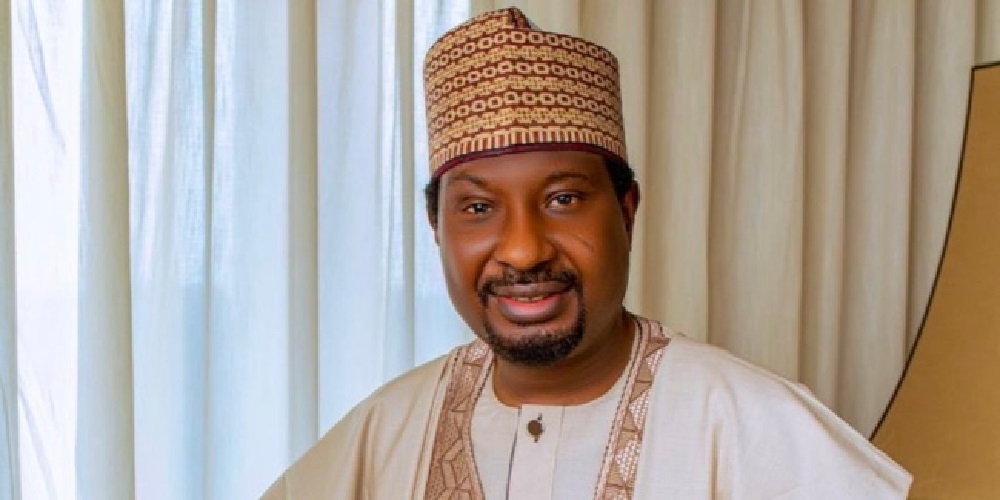
Deputy President of the Nigerian Senate and First Deputy Speaker of the ECOWAS Parliament, Senator Barau Jibrin, has urged West African countries to draw lessons from Nigeria’s experience with farmer-herder conflicts and the humanitarian crises arising from them.
First Deputy Speaker made the call in a presentation titled, “Strategies for addressing internal displacement and farmer-herder conflicts in Nigeria”, delivered on his behalf by Senator Sadiq Umar during the Second Extraordinary Session and Seminar of the ECOWAS Parliament in Accra, Ghana.
He said Nigeria’s experience offered important lessons for the region and the African continent, particularly in addressing conflicts linked to competition for land and water.
According to him, Nigeria has extensive agricultural and pastoral economies, with a large proportion of the population depending on farming and livestock production for their livelihoods.
He, however, said increasing pressure on land and water resources had contributed to conflicts, banditry, terrorism and other humanitarian disasters.
Barau said the Federal Government had introduced measures to address the humanitarian consequences of the conflicts, including the creation of the Ministry of Humanitarian Affairs and Poverty Reduction.
He said the ministry was, among other responsibilities, established to manage emergency relief operations and responses to internally displaced persons (IDPs).
He said: “Nigeria’s approach is increasingly consistent with the international shift from short-term humanitarian response towards government-led development-orientated solutions.
“Nigeria is also one of the countries selected under the United Nations Secretary-General’s Action Agenda on Internally Displaced and Focused National Pathways towards Durable Solutions.
“Nigeria’s commitment to the protection of internally displaced persons has also been strengthened through its engagement with the African Union Convention for the Protection and Assistance of Internally Displaced Persons in Africa, commonly known as the Kampala Convention”.
Despite these interventions, Barau expressed concern that the crisis had continued to defy efforts to resolve it, with more than three million Nigerians still living in internally displaced persons’ camps across the country.
He argued that internal displacement should not be regarded as the sole responsibility of humanitarian agencies, but should involve coordinated action by relevant Ministries, Departments and Agencies (MDAs), traditional institutions and other stakeholders.
First Deputy Speaker also called for greater attention to early warning systems, conflict prevention mechanisms and climate adaptation as part of efforts to prevent conflicts before they escalate.
He said livestock should not be viewed merely as a security issue but also as an important economic sector capable of contributing to livelihoods and national development.
According to him, investment in ranching, animal feeding and breeding could help reduce some of the pressures associated with uncontrolled livestock movement.
Barau also urged ECOWAS parliamentarians to develop appropriate legislative frameworks for the protection of displaced persons and the regulation of land and livestock management.
“Parliamentary committees should conduct evidence-based oversight of government programmes and expenditure relating to displacement, security, agriculture, livestock and reconstruction,” he said.
He stressed that Nigeria’s experience had shown that internal displacement and farmer-herder conflicts were complex challenges that could not be resolved through isolated interventions.
The Senator said effective implementation of policies and programmes was equally important to ensuring that farmers and herders could pursue their lawful and productive livelihoods without unnecessary conflict.
Barau’s presentation focused on Nigeria’s internal security challenges and their socio-economic consequences, while urging other countries in the region to focus more on preventing similar crises rather than waiting to respond after they occur.
“For Africa, the challenge extends beyond responding to crises after they occur, it requires building resilient institutions, economies and communities capable of preventing conflicts and protracted displacement.
“As parliamentarians, we have a responsibility to support appropriate legislation, strengthen oversight, promote inclusive dialogue and ensure that public resources are directed towards sustainable solutions,” he added.
By Gloria Ikibah
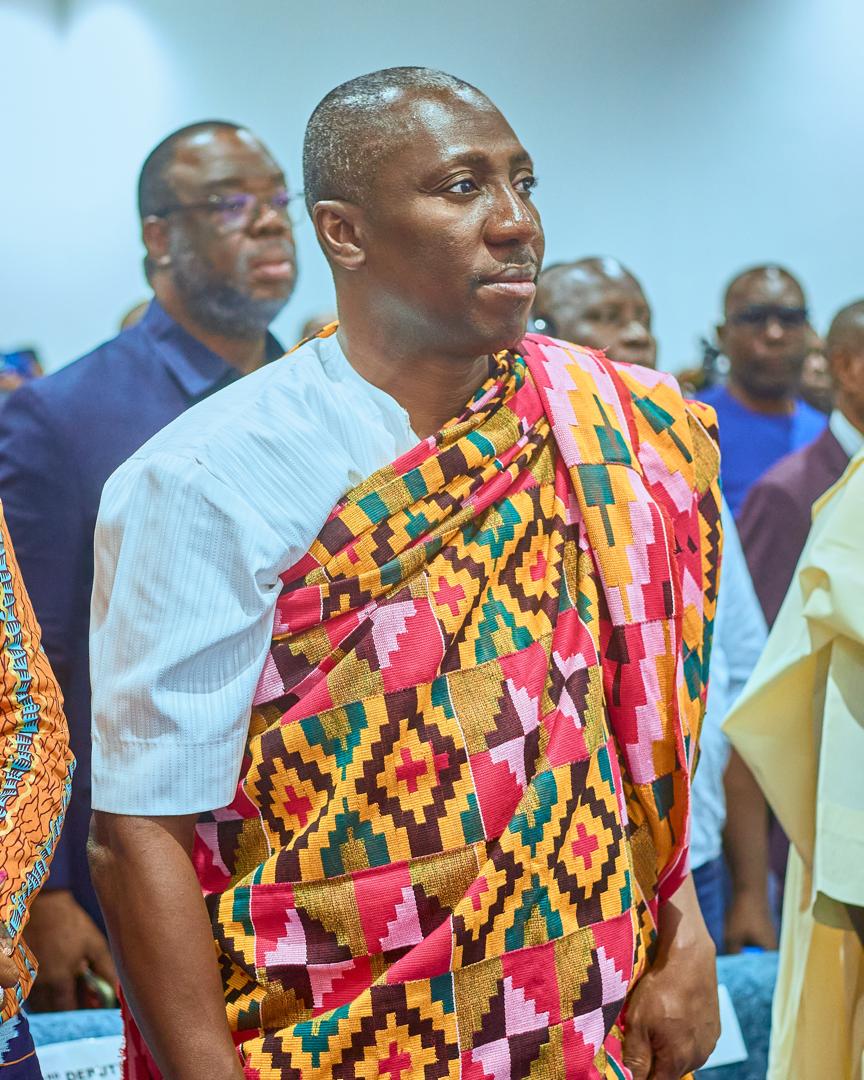
Third Deputy Speaker of the ECOWAS Parliament and member of Ghana’s delegation, Alexander Kwamena Afenyo-Markin, has called on parliamentarians to remain close to the people they represent and ensure that regional integration delivers tangible benefits to citizens.
Afenyo-Markin made the call during the ongoing Second Extraordinary Session and Seminar of the ECOWAS Parliament in Accra, Ghana, where he formally handed over his responsibilities to George Kweku-Ricketts Hagan of Cape Coast South, following the completion of his tenure.
The outgoing Deputy Speaker said regional integration must go beyond treaties, protocols and meetings among institutions, insisting that its impact must be visible in the daily lives of citizens across West Africa.
“Regional integration must be understood beyond treaties, protocols and meetings of institutions. Its true value must be felt in our communities, in the opportunities available to our young people, in the movement of our citizens and businesses across borders,” he said.
He said no single member state could successfully confront the challenges facing the region alone, stressing the need for collective action and stronger regional cooperation.
Afenyo-Markin also drew attention to the connection between climate change, poverty and insecurity in the region.
He said climate change could intensify existing pressures, worsen poverty, increase competition over land and water resources and threaten livelihoods.
He, however, cautioned against attributing every conflict in the region to climate change, urging policymakers to understand the relationship between environmental stress and insecurity without oversimplifying complex conflicts.
The outgoing Deputy Speaker also highlighted the importance of taking parliamentary activities beyond national capitals as part of efforts to bring regional institutions closer to the people.
He recalled the parliamentary seminar held in Congo Town, Liberia, in 2019 and the decision to take parliamentary activities to Winneba, the capital of his constituency, in 2021.
According to him, the initiative demonstrated the importance of taking the parliament to communities rather than limiting its activities to traditional political centres.
“Winneba subsequently hosted parliamentary activities on four occasions by 2024,” he said.
Afenyo-Markin said the visits provided residents with opportunities to interact directly with the regional institution, including traditional rulers, members of the business community, young people and the University of Education, Winneba.
“We must from time to time, leave the familiar surroundings of our national capital and meet our citizens where they live,” he said.
He noted that the approach had subsequently been extended to other locations, including Kano and Port Harcourt in Nigeria.
The lawmaker, who took time to highlight some of his contributions to his constituency and the wider region, said greater engagement with citizens remained central to strengthening the relevance of the ECOWAS Parliament.
At the handover ceremony, Afenyo-Markin expressed confidence in his successor, describing Hagan as a worthy parliamentarian with the experience required for the responsibility.
“He is a worthy member of Parliament, who I believe will succeed me in this responsibility. He is bringing his experience in parliamentary diplomacy and an understanding of regional integration to the role.
“Leadership is ultimately about service and continuity,” Afenyo-Markin said.
He also pledged his continued support to the ECOWAS Parliament, assuring that Ghana’s delegation would continue to contribute meaningfully to the work of the regional legislature.
Sultan Warns Politicians Against Using Stolen Funds for Hajj, Jerusalem Pilgrimages
Ecoparl: Senator Barau Urges ECOWAS to Tackle Root Causes of Farmer-herder Conflicts

ECOWAS Parliament Must Stay Close to Citizens – Afenyo-Markin





-

 News24 hours ago
Osun assembly endorses state police
-
 News24 hours ago
Alleged Phone Tapping: Court to Rule in El-Rufai’s No-case Submission Oct 26
-

 Metro24 hours ago
Enugu: Man ‘kills’ girlfriend over HIV argument
-
 News24 hours ago
37 miners’ deaths: FG inaugurates probe panel, gives ultimatum
-

 Economy24 hours ago
Japa: Essential Things Nigerians Should Pack Before Leaving Nigeria
-
 News24 hours ago
Court ruling against Magu’s EFCC tenure vindicates me – Saraki