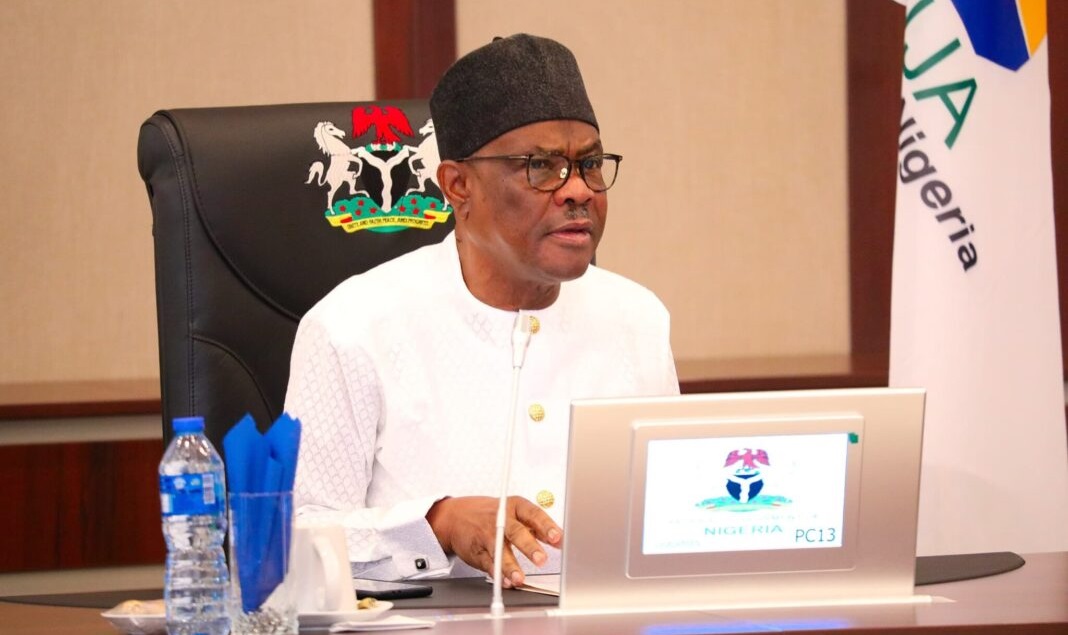
The Honourable Minister of Finance and Coordinating Minister of the Economy, Taiwo Oyedele, has charged Local Government Chairmen across the country to embrace data-driven planning, transparency, accountability and inclusive leadership as critical tools for delivering sustainable development and effective social protection to Nigerians at the grassroots.


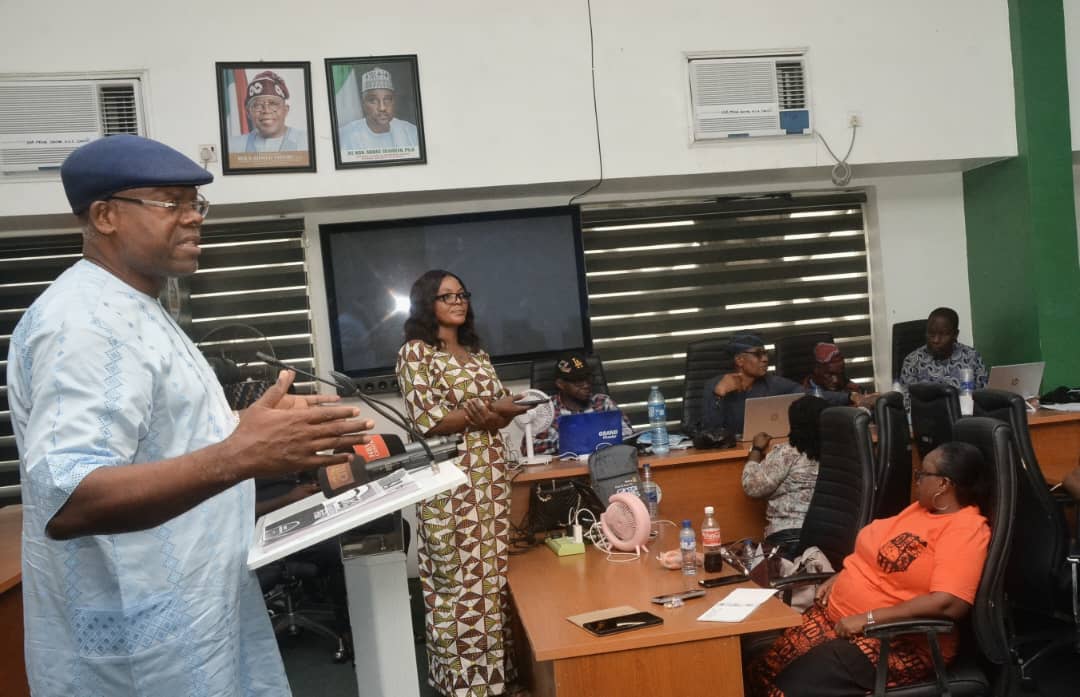
The Minister gave the charge virtually while delivering a keynote address via Zoom at the National Social Safety Nets Coordinating Office (NASSCO) Stakeholder Engagement Conference with Local Government Chairmen themed “Strengthening Local Government Leadership for Inclusive Development and Social Protection Delivery.”
The Minister who is away on official assignment with President Bola Ahmed Tinubu joined the Conference remotely. 
The engagement brought together key stakeholders including the Governor of Zamfara State, Dauda Lawal, the Minister of Humanitarian Affairs and Poverty Reduction, Bernard Doro, the Minister of Budget and Economic Planning, Abubakar Bagudu, the Minister of Women Affairs and Social Development, Imaan Suleiman-Ibrahim, members of the National Assembly, representatives of development partners, the World Bank, ALGON, NIMC, NEXIM Bank, NDDC and Local Government Chairmen from across Nigeria.
Speaking on the significance of the conference, the Minister described local governments as the frontline institutions of governance where the realities of poverty, vulnerability and public trust are most directly experienced by citizens.
He stressed that national policies can only achieve meaningful impact when translated into tangible outcomes at the community level.
According to him, strengthening local government leadership has become a national development imperative, particularly as the Federal Government continues to implement strategic economic and fiscal reforms aimed at restoring macroeconomic stability, improving revenue mobilisation, attracting investment and creating long-term prosperity for Nigerians.
The Minister explained that while government reforms are designed to reposition the economy, their success ultimately depends on inclusiveness and the ability of government institutions to protect vulnerable citizens during periods of transition.
He noted that social protection must not be viewed as charity but as a strategic economic policy instrument capable of reducing poverty, improving resilience and expanding opportunities for citizens.
“Economic stability without social protection creates exclusion, while growth without local participation deepens inequality. This is why social protection and effective local governance must remain central to our national reform agenda,” the Minister stated.
Highlighting the importance of credible data in governance and social intervention programmes, the Minister underscored the ongoing integration of the National Social Register with the National Identification Number framework as a necessary step towards improving transparency, targeting efficiency and accountability in government interventions.
He observed that local governments possess the closest understanding of community realities and therefore play a critical role in ensuring that social intervention programmes effectively reach deserving beneficiaries.
On fiscal reforms, the Minister reiterated the Federal Government’s commitment to building a more transparent, efficient and sustainable public finance system through tax reforms, improved compliance mechanisms and enhanced revenue administration.
He noted that the reforms are designed not merely to increase revenue generation but to create fiscal space for affordable healthcare, quality education, infrastructure development and stronger social protection systems.
Addressing the Local Government Chairmen directly, the Minister called for a new era of responsive and accountable leadership capable of meeting the growing expectations of citizens.
He urged the Chairmen to prioritise medium-term development planning anchored on credible data, maintain transparency through accessible public financial records, and ensure that development initiatives are inclusive of women, youths, persons with disabilities, minority groups and vulnerable communities.
The Minister further stressed that Nigeria’s future would largely be determined by the quality of leadership and governance at the grassroots level rather than only at federal and state capitals.
He therefore called for stronger collaboration among federal, state and local governments, development partners and communities in order to build a more inclusive and resilient economy.
The Honourable Minister also commended the continued support of the World Bank and other development partners towards strengthening Nigeria’s social protection architecture and institutional capacity.
He reaffirmed the commitment of the Federal Government to ensuring that ongoing reforms translate into practical opportunities and improved living conditions for Nigerians across all communities.
“Let us work together to build a Nigeria where economic reform is matched with opportunities, where fiscal discipline is balanced with compassion, and where development reaches every community,” the Minister concluded.