
Health
Meningitis outbreak kills 20 Nigerian school students


By Francesca Hangeior
A meningitis outbreak has killed at least 20 boarding school students and infected hundreds more, the education commissioner in northeastern Yobe state said on Wednesday.
“We have recorded an outbreak of meningitis in six secondary schools in the state which led to the death of 20 students out of the 473 infected,” Mohammed Sani Idriss said.
The epicentre of the outbreak is the city of Potiskum and its Government Technical College has been worst hit, accounting for 17 of the deaths, Idriss said.
The schools are under medical surveillance with isolation centres and emergency care facilities, he said.
“The situation is under control because we have not recorded any new cases in the past two days while 370 of those hospitalised have recovered and been discharged,” Idriss added.
Meningitis is an infection of the lining around the brain and spinal cord, transmitted through respiratory droplets or throat secretions.
It has a high fatality rate and children are especially at risk.
Nigeria lies in the so-called “meningitis belt” of sub-Saharan Africa, stretching from Senegal in the west to Ethiopia in the east, where outbreaks of the disease are common.


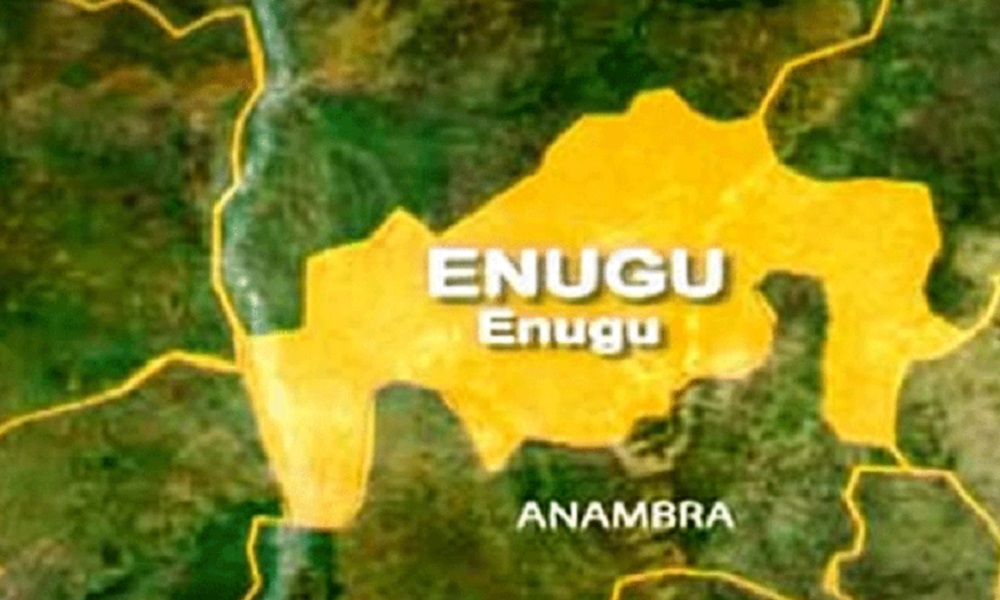
The Enugu State Ministry of Health has confirmed the death of 10 people following a cholera outbreak in the state.
In a letter addressed to the Guild of Medical Directors on behalf of the Commissioner for Health, Prof. Emmanuel Obi, Dr Egwuonwu Samuel, Director of Medical Services, announced the outbreak and the swift actions being taken to prevent further spread.
The ministry reported several alarming cases of cholera, resulting in 10 fatalities so far. Efforts are already underway by the State Ministry of Health and its partners to contain the outbreak.
“Health facilities and personnel are advised to stay alert for symptoms like acute diarrhea, abdominal cramps, and vomiting,” said Dr. Egwuonwu.
“We are calling for the immediate implementation of heightened Infection Prevention and Control (IPC) measures in all medical facilities to stop the spread.”
He urged medical practitioners to take extra precautions and report suspected cases swiftly.
“This outbreak poses a significant public health threat, as cholera is a highly contagious disease typically spread through contaminated water or food. The ministry’s swift action is critical to containing the outbreak and protecting public health.”
Dr. Egwuonwu also appealed to the public to practice strict hygiene measures, including boiling water before drinking, frequent hand washing, and avoiding poorly handled food.
He noted that the Enugu State government would provide further guidelines and updates as the situation develops, while efforts continue in collaboration with local and international health partners to mitigate the outbreak.
(NAN)
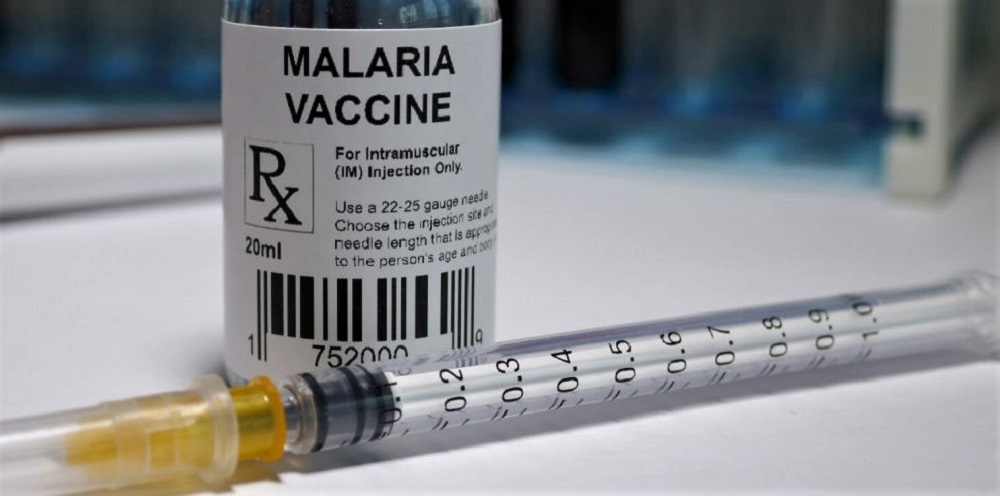
Nigeria has received 846,000 doses of the RTS, S/AS01 (Mosquirix) vaccine from Gavi, the Vaccine Alliance, to combat malaria.
This vaccine, proven to reduce malaria cases and mortality among young children in large clinical trials across Africa, makes Nigeria the third country to adopt it, following Ghana and Kenya, which started using it in 2023.
The vaccine rollout is set to begin next month in two high-prevalence states, Kebbi and Bayelsa, the Executive Director of the National Primary Health Care Development Agency (NPHCDA), Muyi Aina, said yesterday.
Malaria, which is transmitted year-round in southern Nigeria and lasts up to three months in the northern regions, remains a major public health concern, affecting about 97 percent of the population.
During the handover of the RTS, S/AS01 vaccines in Abuja, the Coordinating Minister of Health and Social Welfare, Prof. Muhammad Pate, emphasized the pivotal role the vaccine will play in reducing malaria cases and deaths.
He noted that the arrival of the vaccine marks a historic milestone in Nigeria’s fight against malaria and will significantly enhance the country’s ongoing efforts to eliminate the disease, revealing that the rollout would begin in high-burden regions before expanding nationwide.
The Minister said: “Our target is to prioritize regions most affected by malaria, particularly in rural areas where access to healthcare is limited.
“With proper infrastructure, political will, and continued international collaboration, Nigeria is poised to make substantial progress in reducing the disease’s toll and moving toward malaria elimination”.
Asserting that global health partners such as the World Health Organization (WHO), United Nations Children’s Fund (UNICEF), and Gavi, the Vaccine Alliance, are providing both technical and financial support to ensure the successful rollout of the malaria vaccine, Pate said, “USAID and other partners are pushing for rapid scale-up beyond the initial two States.
“The aim issue for a nationwide rollout to cover all regions of the country,” Pate added.
Aina, also underscored the importance of the vaccine, noting that Nigeria is among the top 10 contributors to the global burden of malaria, accounting for approximately 27 percent of the global burden and 31 percent of malaria deaths worldwide.
“In 2022, nearly 200,000 deaths from malaria occurred in Nigeria. Children under five years of age, and pregnant women are the most affected, with a national malaria prevalence rate of 22% in children aged 6-59 months as of 2021.
“The vaccine would quicken our malaria control and elimination efforts, as we expect about a 13% reduction in all-cause mortality in children under five and a 22% reduction in hospitalized severe malaria cases.
He however assured that the agency would not compromise deployment of the vaccine for whatever reason, saying, “The WHO recommends prioritization of the vaccine in areas of high to moderate transmission and this is guiding our phased introduction strategy.
“Consequently, we are commencing the first phase of the introduction in November, in two States – Kebbi and Bayelsa, with high prevalence of malaria.
“Kebbi because it has the highest prevalence rate in the country (52%); while Bayelsa is selected because its target population of 69,935, and that of Kebbi’s 162,014, aligns with the one million doses available for this phase, thereby ensuring that the vaccine supply is effectively utilized.
“The vaccine will be administered to children aged 5 months to 15 months as part of Routine Immunization.
“Each child requires four doses, given at 5, 6, 7, and 15 months of age, to be fully protected”.
Expressing optimism about the vaccine’s life-saving potential, WHO’s representative in Nigeria, Walter Mulombo, voiced confidence that the vaccine, when combined with other preventive measures, will significantly reduce the malaria burden in Nigeria and bring the country closer to the goal of a malaria-free Africa.
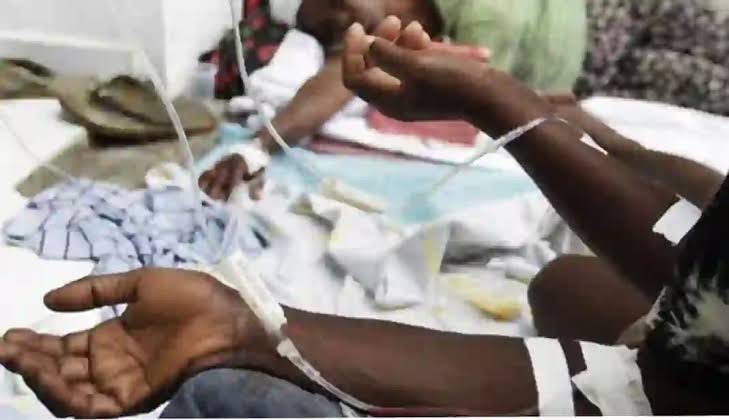
Cholera outbreaks have killed 20 persons in Lagos and Niger states in the past week.
In Lagos, a couple died on Sunday at the Isolo General Hospital, after contracting the disease.
Mr. Emeto and his wife, Augustina, their daughter and a neighbour were allegedly rushed to the Accident and Emergency Unit of the hospital in the wee hours of Sunday.
Besides the couple, another man and a three-year-old were said to have died aslo in Isolo area of Lagos, making four deaths.
It was gathered that the victims started stooling, vomiting and exhibiting other symptoms after eating African salad, popularly called Abacha.
The Nation reported yesterday that hospitals on Ago Palace Way in Okota, Isolo, and environs were overfilled with cholera patients, an upsurge that started since October 9.
A three-year-old died at the weekend in one of the hospitals on Ago Palace Way; a mother and her three children were also brought in unconscious to another private facility.
All the cases, sources said, were traceable to the consumption of the staple at Cele Bus Stop in the area.
Checks by our correspondent indicated that the Abacha seller at the bus stop had also been a contact point whenever there was a cholera outbreak in the state.
Abacha is a local delicacy made from fermented cassava and garnished with other ingredients like oil bean seeds, palm oil, potash, and garden eggs. However, there have been concerns about the hygiene condition during its preparation and at the point of sale.
The deaths of the Emetos, who were described as devoted Catholics, rattled fellow parishioners at St. Mary’s Catholic Church in Isolo.
The residents have been advised to steer clear of the staple.
One of the voice notes shared by a man, identified simply as Romanus, confirmed the couple’s death.
He said: “Around 1 a.m (on Sunday), we got a call that we lost one of our brothers (Emeto). The report was that his wife and daughter were vomiting and stooling and he took them to the hospital.
“On getting to the hospital, he also started to stool and vomit. It was discovered that they ate Abacha on Saturday (said to have been) bought from a woman at Cele Bus Stop. The man died first and the body has been taken to the village.
“The daughter was treated.”
Another church member, who announced Mrs. Emeto’s death on Monday, said a neighbour who joined Mrs. Emeto in eating the staple also started to stool and vomit.
In Niger State, 16 persons have died out of the 165 recorded cases across the state, representing nine per cent mortality rate.
The Commissioner for Primary Healthcare, Dr. Dangana Ibrahim, announced the deaths in Minna, the state capital.
The commissioner said 145 patients had been treated and discharged from various hospitals.
“To prevent further spread, contingency measures have been implemented, including the distribution of essential medical supplies to affected areas and health facilities,” he said.
Ibrahim listed affected local government areas as Paiko, Gurara, Suleja, Bosso, and Katcha, saying the disease surveillance system had been activated.
The commissioner also said the government had begun active contact tracing and case management in all affected communities.
Also, the Minister of Water Resources and Sanitation, Prof. Joseph Utsev, attributed poor hygiene to cholera outbreaks.
Speaking at the Global Hand-washing Day in Abuja, the minister emphasised that inadequate sanitation and hand-washing habits put public health at serious risk.
He said: “Hand-washing with soap remains the first line of defence against outbreaks and reducing the spread of waterborne diseases.”
The minister called for accelerated investment in hygiene infrastructure in homes, schools, and public spaces to close existing gaps.
According to him, better hygiene practices are essential to improving health outcomes, reducing school absenteeism, and boosting productivity.


At last, Tinubu sacks five ministers, makes seven fresh nomination

Reps To Consider Increase In Derivation Fund From 13% to 50%
Reps Pass For Second Reading Bill To Create National Honours Award Commission

Just in: Terrorists ambush military truck, kill all soldiers on board

Nigerian Dancer, Korra Obidi Attacked with acid, stabbed on stage In UK

Meet Rare Gem 16 Years Old Chiaza, CEO of ‘RUN MARKET PLACE’
-
 News22 hours ago
Reps Pass For Second Reading Bill To Create New Oyo State
-
News22 hours ago
Reps Examine Bill Seeking Military Involvement In Farming, Ranching
-

 News17 hours ago
Just in; FG to remove VAT on essential commodities
-

 News8 hours ago
Death Toll Hits 181, another 80 in Critical Condition in Hospital
-

 News23 hours ago
Reps Want 50% Agricultural Lending For Small Holder Farmers
-

 News22 hours ago
Constitution Review: Reps to Engage NGF, NGE, LG Chairmen, CSOs, Others
-

 News15 hours ago
Man who allegedly murdered lover, baby appears in court
-

 Politics16 hours ago
Just in: Palaver in PDP nosedives as court halts Mohammed and co from holding NEC meeting