
News
Abdulrahman led PDP Caretaker C’ttee vows to take over secretariat after INEC’s endorsement



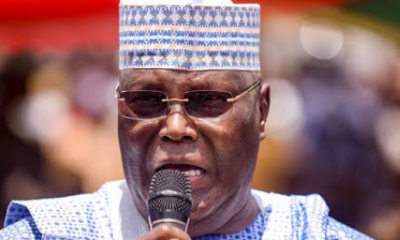
The Abdulrahman Mohammed led Peoples Democratic Party, PDP, has vowed that it would take over the party’s headquarters next Monday.
This is coming barely hours after the Independent National Electoral Commission, INEC, on Thursday endorsed the Committee.
The commission allowed representatives from the Caretaker Commttee to attend its first quarterly stakeholders’ meeting with political parties in 2026.
Briefing newsmen after the meeting, factional National Secretary of the PDP, Samuel Anyanwu, said “by next Monday, we will take over the PDP headquarters”.
The party has been facing an unending leadership imbroglio, splitting it into two factions.
The endorsed national committee recently scheduled a national convention for March 28–29, 2026.




News
Northern Senators Forum condemns recent attacks in Benue, Kwara, Katsina, condoles with bereaved families
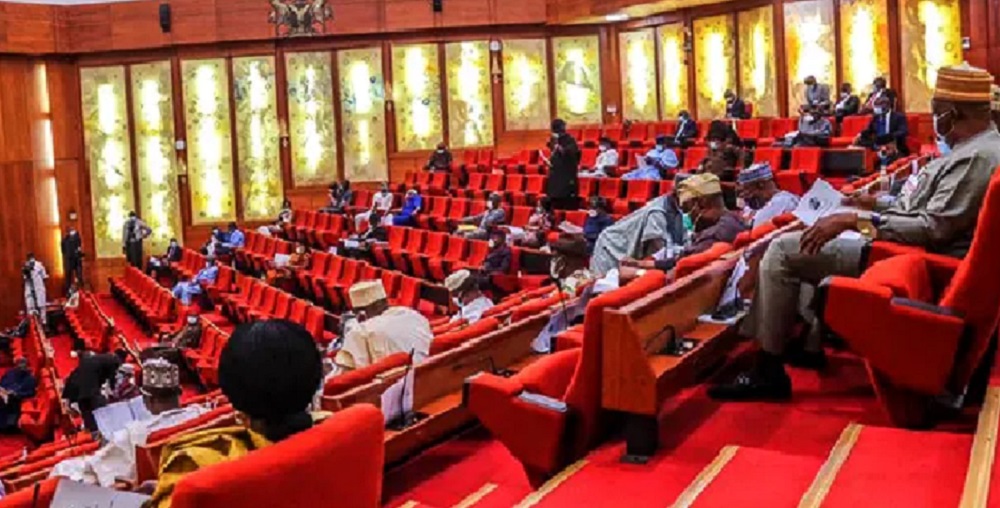
Northern Senators Forum on Thursday slammed recent attacks in Benue, Kwara, Katsina states, promising to support efforts to combat insecurity.
This was contained in a press release signed Sen. Abdulaziz Musa Yaradua
Chairman, Senate Committee on Army stating that:
“On behalf of the Northern Senators Forum, I express our deepest condolences to the governments and people of Kwara, Katsina, and Benue states on the recent brutal attacks that have claimed over 130 lives.
“We sympathize with the families of the victims and pray for the repose of the departed souls.
” These senseless acts of violence are a stark reminder of the insecurity plaguing our nation.
“We acknowledge the efforts of security agencies and urge citizens to cooperate with them by reporting suspicious activities. We call on the federal government to increase security personnel recruitment to combat these threats.
“May the affected communities find solace in these trying times.
“We assure the governments and people of these states of our commitment to supporting efforts to address the root causes of insecurity and promote national stability.

By Raphael Oni
February 10, 2026, marks a significant milestone in Nigeria-China relations, as the two countries celebrate 55 years of diplomatic ties. Over the years, their partnership has blossomed into a comprehensive strategic cooperation, with China emerging as one of Nigeria’s largest trading partners and investors.
“China and Nigeria are entering a new phase in their bilateral relationship — one that aims to move beyond the traditional, trade-heavy dynamic towards a mutually beneficial development model,” said President Xi Jinping.
The relationship between Nigeria and China is built on mutual respect, trust, and cooperation. The Forum on China-Africa Cooperation (FOCAC) has played a pivotal role in strengthening ties between China and Africa, including Nigeria. Established in 2000, FOCAC has provided a platform for China and African countries to discuss issues of mutual interest, promote economic cooperation, and enhance cultural exchanges.
“Over the years, China and Nigeria have built a strategic partnership anchored on mutual respect, shared aspirations and practical cooperation,” said Hon. Yakubu.
One of the key areas of cooperation between Nigeria and China is infrastructure development. China’s Belt and Road Initiative (BRI) has been instrumental in transforming Nigeria’s infrastructure landscape. The BRI has facilitated the construction of critical infrastructure projects, including the Abuja-Kaduna, Lagos-Ibadan, and Ibadan-Kano rail lines, as well as the expansion and modernization of Nigeria’s international airports.
“The synergy between Nigeria’s resource-rich economy and China’s technological prowess presents vast opportunities for cooperation in areas such as infrastructure development, trade, and security,” noted Ambassador Amedu Ode while speaking on the partnership between the two countries.
The Lekki Deep Seaport, a flagship BRI project, has become a game-changer for Nigeria’s economy, enhancing the country’s trade capacity and positioning it as a major logistics hub in West Africa. China’s investments in Nigeria’s infrastructure have not only improved transportation networks but also created jobs and stimulated economic growth.
The Ministry of Foreign Affairs has reaffirmed Nigeria’s commitment to strengthening bilateral relations with the People’s Republic of China following a courtesy visit by the Chargé d’Affaires of the Chinese Embassy, Zhou Hongyou, to the Spokesperson of the Ministry, Kimiebi Ebienfa, in his office recently. The Spokesperson in a chat with media said, “Nigeria have very cordial relations with the People’s Republic of China. It is a relationship based on mutual respect and cooperation in various areas that spans across economic, cultural, technological transfer etc to mention but few.” He noted that the relationship has direct impact on Nigeria economy, creating jobs, building capacity, technology transfer and many more.
Ebienfa said both sides reaffirmed at the meeting the shared commitment of Nigeria and China toward deepening diplomatic engagement, enhancing institutional cooperation and expanding people-to-people exchanges for mutual benefit. The discussions also focused on the importance of reciprocal visits, study tours and exposure programmes for diplomats to enhance mutual understanding, including short-term and specialized training programmes in governance, administration, strategic communication and public diplomacy. Reference was made to training initiatives coordinated by Chinese academic institutions, particularly Peking University, aimed at promoting experience-sharing among developing countries. “China is prepared to be a partner of Nigeria to stand up to challenges,” said Zhou Hongyou.
Nigeria and China have also strengthened their cooperation in the areas of trade, investment, and technology. China is Nigeria’s largest trading partner, with bilateral trade reaching $21.89 billion in 2024. Nigeria exports crude oil, liquefied natural gas, and other commodities to China, while China exports machinery, electronics, and textiles to Nigeria.
In 2018, Nigeria and China signed a $2.4 billion currency swap deal, which has helped to boost trade and investment between the two countries. China has also established a number of industrial parks and special economic zones in Nigeria, providing a platform for Chinese companies to invest and operate in the country.
“The relationship between Nigeria and China has yielded tangible benefits for both countries, from infrastructure to technology, trade, education and cultural exchanges,” said Joseph Tegbe, Director-General of Nigeria-China Strategic Partnership.
In addition to economic cooperation, Nigeria and China have also strengthened their cultural and educational ties. China has established Confucius Institutes in several Nigerian universities, promoting Chinese language and culture. Nigeria and China have also signed agreements on cooperation in education, science, and technology. “Nigeria has consistently upheld the One-China principle as the basis of its relations with the People’s Republic of China,” stated the Nigeria-China Strategic Partnership.
Nigeria and China have strengthened their bilateral ties, elevating their relationship to a Comprehensive Strategic Partnership in September 2024. This partnership aims to enhance cooperation in infrastructure, technology, education, and cultural exchanges.
Key Areas of Cooperation: China’s involvement in Nigeria spans multiple sectors, driving development across the country. While China maintains a policy of non-interference in Nigeria’s internal politics, its footprint is evident in various key areas. Let us examine the following:
Infrastructure Development: China has contributed significantly to Nigeria’s infrastructure growth, including the construction of roads, bridges, railways (e.g., Abuja-Kaduna and Lagos-Ibadan rail projects), and ports.
Economic Ties: Nigeria is China’s largest engineering contract recipient in Africa and its second-largest export market. Bilateral trade reached $21.89 billion in 2024, with China’s imports from Nigeria totaling $2.99 billion.
Energy and Power: China has invested in Nigeria’s energy sector, supporting projects like the Mambilla Hydroelectric Power Plant and providing solar energy solutions.
Belt and Road Initiative (BRI): Nigeria is a key partner in China’s BRI, with projects like the Lekki Deep Seaport enhancing Nigeria’s trade capacity and positioning it as a major logistics hub in West Africa.
Telecommunications: Chinese companies like Huawei and ZTE have played a major role in expanding Nigeria’s telecom infrastructure, including 4G networks and fibre-optic cables.
Manufacturing and Industrialization: China has established manufacturing hubs in Nigeria, focusing on industries like textiles, cement, and steel production.
Agriculture: China has supported Nigeria’s agricultural development through initiatives like the China-Nigeria Agricultural Technology Demonstration Centre.
Healthcare: China has contributed to Nigeria’s healthcare sector through medical infrastructure development, equipment supply, and training programs.
Education and Capacity Building: China offers scholarships and training programs for Nigerian professionals, promoting knowledge transfer and capacity development.
People-to-People Exchanges: The China-Nigeria Friendship Hospital in Abuja provides medical services to Nigerians, with 200,000 patient visits annually and training for over 1,000 medical professionals.
Strategic Partnership: The Comprehensive Strategic Partnership establishes cooperation in technology, education, and cultural exchanges, promoting mutual growth and global stability.
The diplomatic relations between Nigeria and China, established on February 10, 1971, have been marked by a series of high-level visits that underscore the deepening ties between the two nations. Over the years, these exchanges have fostered cooperation, mutual understanding, and robust partnerships.
“The Comprehensive Strategic Partnership between Nigeria and China is expected to drive economic growth, improve infrastructure, and enhance Nigeria’s global standing,” said Yu Dunhai, Chinese Ambassador to Nigeria.
The comprehensive strategic partnership between Nigeria and China has yielded significant benefits for both countries. Nigeria has gained access to much-needed infrastructure financing and technical expertise, while China has secured a reliable source of energy and a growing market for its goods and services. As Nigeria and China look to the future, there are opportunities for further cooperation in areas such as agriculture, healthcare, and renewable energy. The two countries can also work together to promote regional integration and stability in Africa.
The diplomatic relations between Nigeria and China, established on February 10, 1971, have been marked by a series of high-level visits that underscore the deepening ties between the two nations. Over the years, these exchanges have fostered cooperation, mutual understanding, and robust partnerships.
Chinese leaders have played a significant role in shaping the relationship. Vice Premier Geng Biao’s visit in October 1978 laid the groundwork for strengthened bilateral relations. This was followed by Vice Premier Huang Hua’s visit in November 1981, which further solidified ties. Vice Premier Tian Jiyun’s visit in November 1984 marked a significant milestone in economic cooperation. President Hu Jintao’s visits in 2004 and 2006 underscored China’s commitment to Nigeria’s development. Most recently, Wang Yi, Member of the Political Bureau of the CPC Central Committee and Foreign Minister, visited Nigeria in January 2025, highlighting the growing strategic partnership.
Nigerian leaders have also made significant contributions to the relationship. Head of State, Gen. Yakubu Gowon’s visit in September 1974 was a pioneering step in Nigeria-China relations. President Olusegun Obasanjo’s visits in April 1999 and August 2001 strengthened economic ties. President Goodluck Jonathan’s state visit in July 2013 marked a significant milestone in bilateral cooperation. President Muhammadu Buhari’s visit in April 2018 further deepened ties. Vice President Kashim Shettima’s participation in the Third Belt and Road Forum in October 2023 highlighted Nigeria’s engagement with China’s global initiatives. President Bola Tinubu’s visit in September 2024, attending the Beijing Summit of the Forum on China-Africa Cooperation, reinforced Nigeria’s commitment to the partnership.
These high-level visits have woven a tapestry of cooperation, driving progress in trade, investment, infrastructure, and cultural exchange. As Nigeria and China continue to navigate the complexities of a rapidly changing world, their partnership remains a beacon of mutual respect and shared aspirations. These visits have strengthened bilateral ties, with agreements signed on trade, investment, infrastructure development, and cultural exchange.
President Goodluck Jonathan’s 2013 visit led to agreements on a $1.1 billion loan for infrastructure projects, defense cooperation, economic and technical cooperation, and visa exemptions for diplomatic and official passport holders.
In January 2017, Wang Yi’s Visit to Nigeria, Nigeria signed the One China Principle, acknowledging Taiwan as part of China. Nigeria obtained a $40 billion investment pledge from China.
In April 2018, President Muhammadu Buhari’s Visit to China and Signed agreements worth over $6 billion, including: $1 billion for the Ogun-Guangdong Free Trade Zone, $200 million for gas facilities, $478 million for a 300MW solar power project, $55 million for a granite mining plant, Agreed on a $2.4 billion currency swap deal.
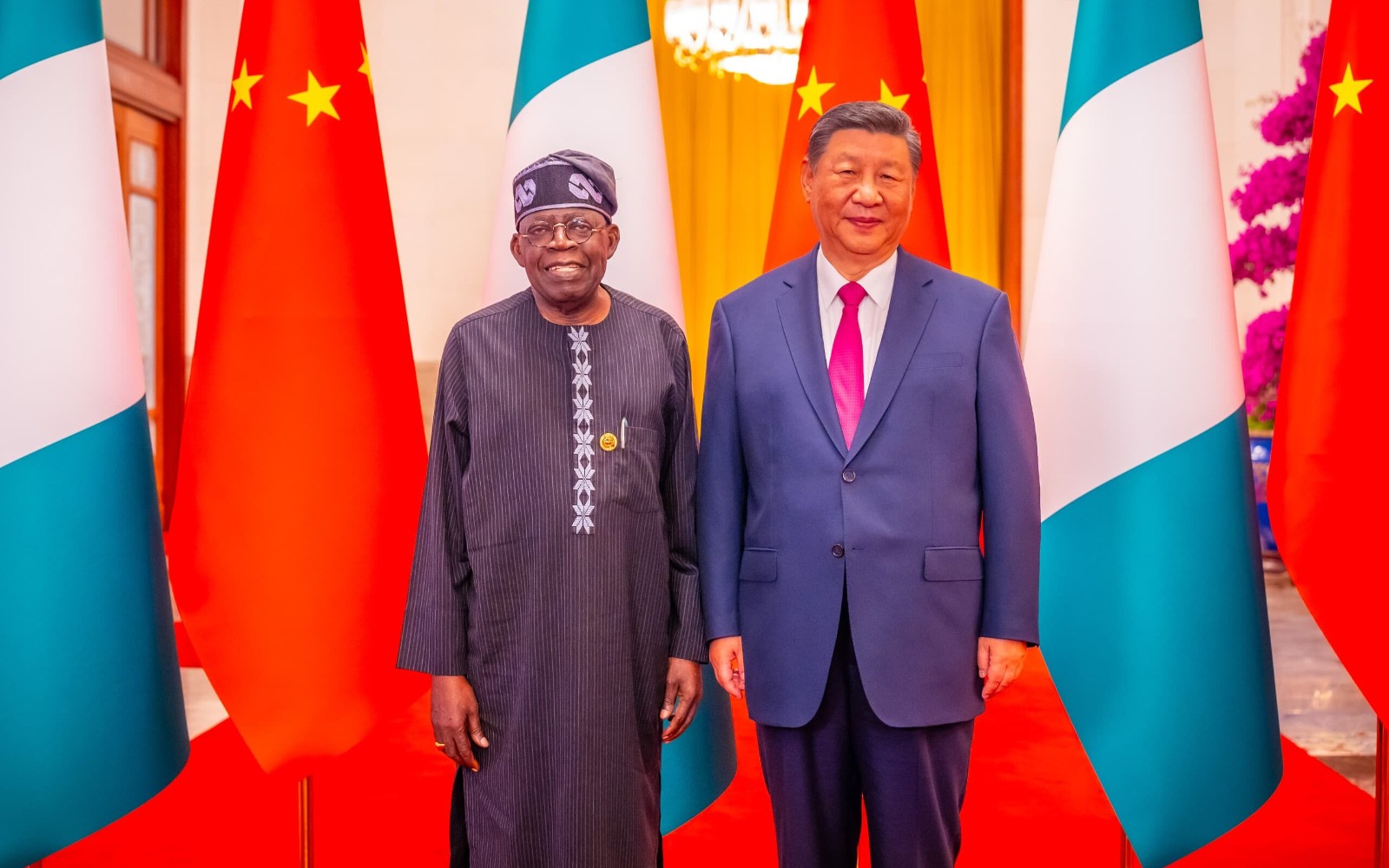
In September 2024, Presidents Xi Jinping and Bola Tinubu announced the elevation of China-Nigeria relations to a comprehensive strategic partnership. Agreements signed during the visits includes; Belt and Road Initiative cooperation, Nuclear energy cooperation, Human resource development, Media exchange and cooperation. His Excellency Wang Yi’s Visit to Nigeria in January 2025 witnessed discussion on cooperation in clean energy, defense, and finance, Nigeria and China agreed to expand the $2 billion currency swap agreement. “China’s commitment to Africa, including Nigeria, is guided by the principle of sincerity, real results, amity and good faith” said Ms. Yan Yuqing, Consul General in Nigeria.
Following President Tinubu’s visit to Beijing in September 2024, Nigeria established a Comprehensive Strategic Partnership with China, with Joseph Tegbe serving as Director General. Tegbe’s extensive international experience has been a significant asset in strengthening China-Nigeria relations. He has led several strategic visits to China and hosted high-level Chinese delegations in Nigeria, contributing to the growth of the partnership between these fraternal nation.
One of the visit hosted by the Nigeria-China Strategic Partnership (NCSP) included a high-powered delegation from the Central Party School of the Communist Party of China (CPC) in Abuja, marking a significant milestone in bilateral institutional cooperation. The visit focused on governance, public service reform, investment, and strategic development planning.
The Chinese delegation, led by Vice President of the Central Party School, Professor Gong Weibin, during the dicussion with the Director General of NCSP reaffirmed Nigeria’s commitment to the One China Policy. Tegbe emphasized Nigeria’s desire to build a forward-looking development partnership founded on mutual respect, strategic coordination, and shared prosperity.
The Director-General of the Nigeria-China Strategic Partnership (NCSP), Mr. Joseph Tegbe in one of his high-level working visit to China, secured key partnerships aimed at driving Nigeria’s development. During his visit, Mr. Tegbe engaged with prominent Chinese companies, exploring opportunities for industrial cooperation and strategic development projects.
These strategic engagements are part of NCSP’s broader mission to build transformative partnerships that leverage China’s technological expertise while addressing Nigeria’s development priorities. The partnerships are expected to drive economic growth, improve infrastructure, and enhance the quality of life for Nigerians.
The NCSP DG’s visit to China demonstrates the organization’s commitment to fostering mutually beneficial relationships between Nigeria and China. The partnerships secured during the visit are expected to have a significant impact on Nigeria’s development, particularly in the areas of infrastructure, healthcare, and environmental sustainability.
These high-level visits have woven a tapestry of cooperation, driving progress in trade, investment, infrastructure, and cultural exchange. As Nigeria and China continue to navigate the complexities of a rapidly changing world, their partnership remains a beacon of mutual respect and shared aspirations.
In conclusion, the multifaceted engagements between Nigeria and China, spanning governmental collaborations and people-to-people connections, underscore a robust foundation for bilateral relations. As a student of international relations, it’s evident that the strategic partnership between these two nations is poised for significant growth, driven by mutual interests and shared developmental goals.
The synergy between Nigeria’s resource-rich economy and China’s technological prowess presents vast opportunities for cooperation in areas such as infrastructure development, trade, and security. Moreover, the cultural exchanges and people-to-people diplomacy initiatives have fostered a sense of camaraderie and shared destiny between the two nations.
As Nigeria and China continue to navigate the complexities of global geopolitics, their partnership is likely to play a pivotal role in shaping regional and international dynamics. With a strong foundation in place, a brighter shared future for China-Nigeria relations seems not only plausible but inevitable, promising benefits for both nations and the broader global community.
Raphael Oni, a renowned Nigerian journalist, diplomatic correspondent, and media consultant with over two decades of experience covering national and international news, focusing on diplomacy, politics, and global affairs. He’s been dubbed the “Dean of Diplomatic Reporters” due to his extensive expertise in diplomatic reporting.
#NigeriaChinaPartnership
#ChinaNigeriaRelations
#Balancing the Narratives
#ComprehensiveStrategicPartnership
#BeltAndRoadInitiative
#FOCAC
#AfricaChinaCooperation
#NigeriaChinaTies
#GlobalSouthCooperation
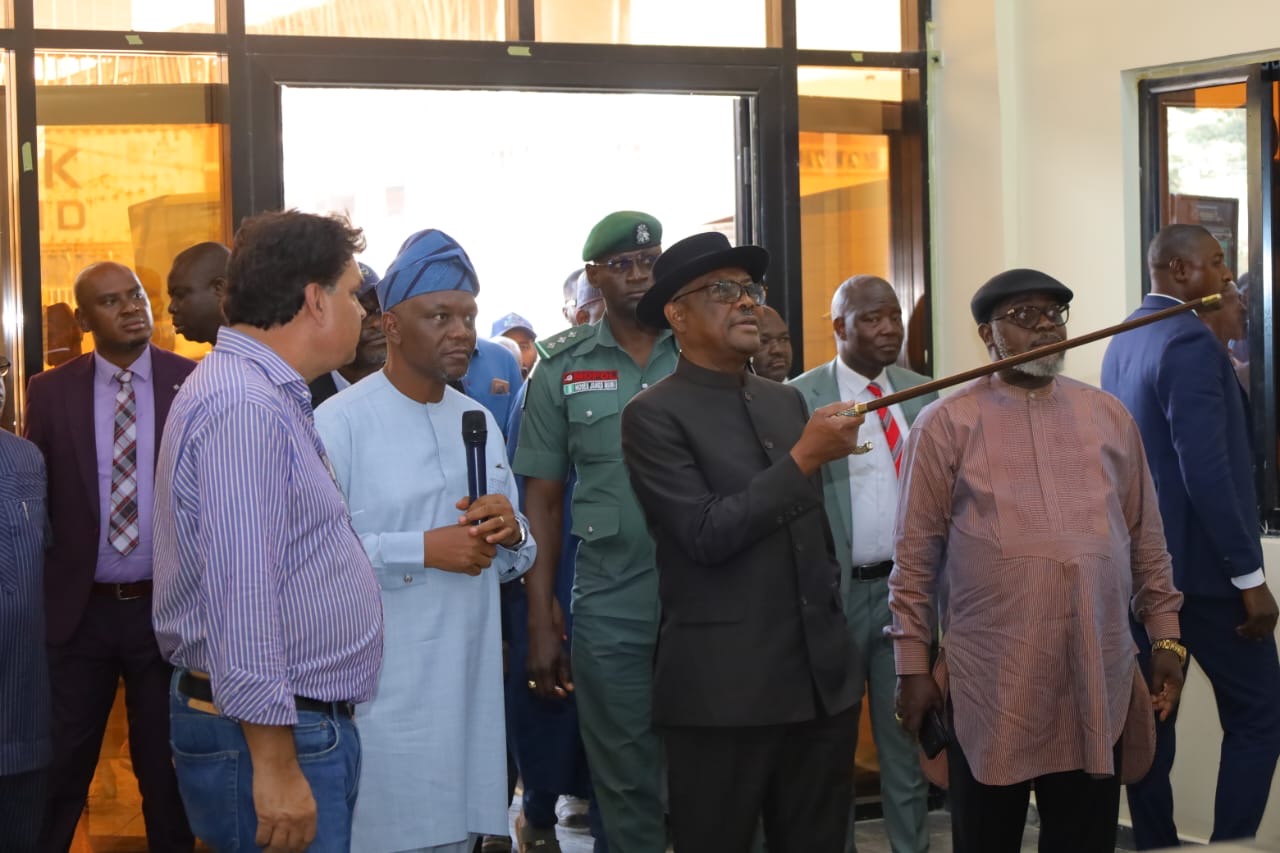
The Minister of the Nigerian Federal Capital Territory (FCT), Mr Nyesom Wike, has dismissed claims that ongoing judicial infrastructure projects in Abuja could compromise the independence of the judiciary.
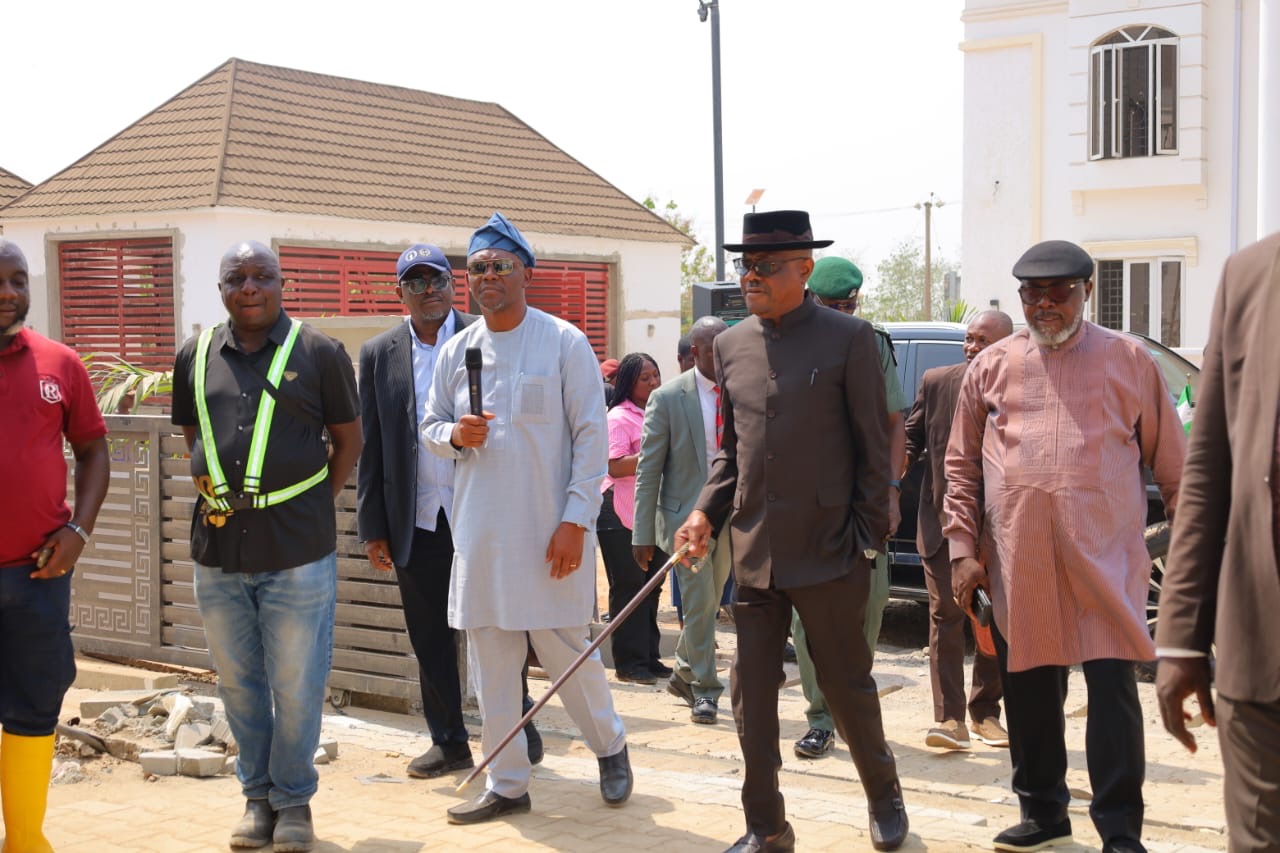
Wike spoke on Thursday after inspecting several judicial projects in the nation’s capital, Abuja.
The projects inspected include the Court of Appeal complex Judges Quarters and heads of courts of Appeal.
The projects which he said are presidential interventions to the third arm of government to ensure its independence is being executed by the Federal Capital Territory Administration (FCTA) through the supervision of Federal Capital Development Authority (FCDA).
Minister Wike insisted that the intervention is solely aimed at improving welfare, security and efficiency within the third arm of government.
He added that, “There is nothing you would do that critics will not criticise. Before now, people complained that judges had nowhere to stay to do their work effectively. Now that government is providing accommodation, they say it is an attempt to buy them. How many people can you buy?.
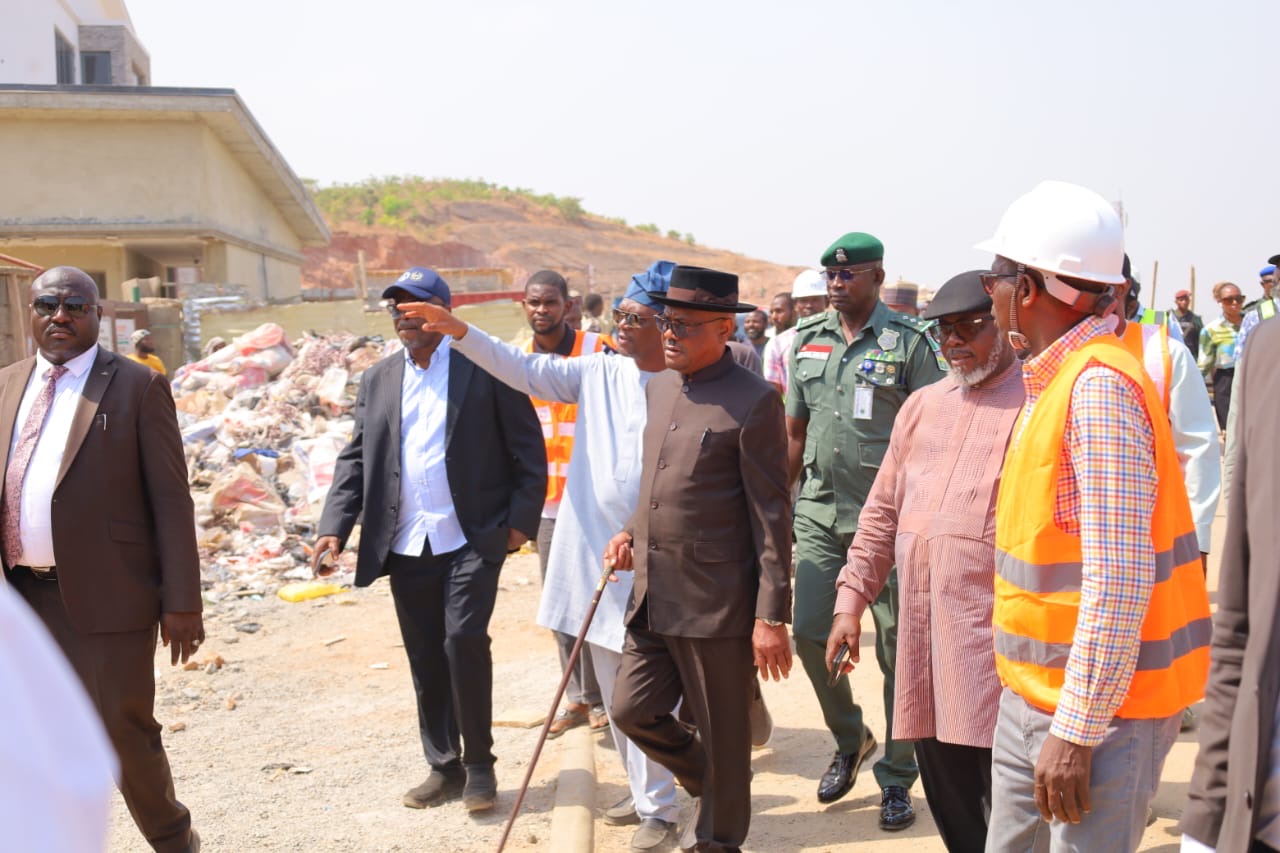
He stressed that no democracy can function without a strong and independent judiciary, noting that providing decent accommodation and a secure environment for judges does not in any way undermine their constitutional independence.
“You can’t talk about democracy without talking about the judiciary. You also can’t expect them to perform efficiently when they don’t have befitting places to stay. Even when funds are released to the judiciary, it is still the executive that provides those funds,” Wike stated.

The minister explained that the projects followed a clear directive by President Bola Ahmed Tinubu shortly after his inauguration in May 2023, mandating the Administration to reduce the accommodation burden on judges and improve their welfare.
According to him, one of the key projects a Court of Appeal division with a separate administrative headquarters is already between 85 and 90 per cent completed.
“We were there this morning and saw that the work is almost finished. That directive was very clear, and we are glad that it is being faithfully implemented,” he said.
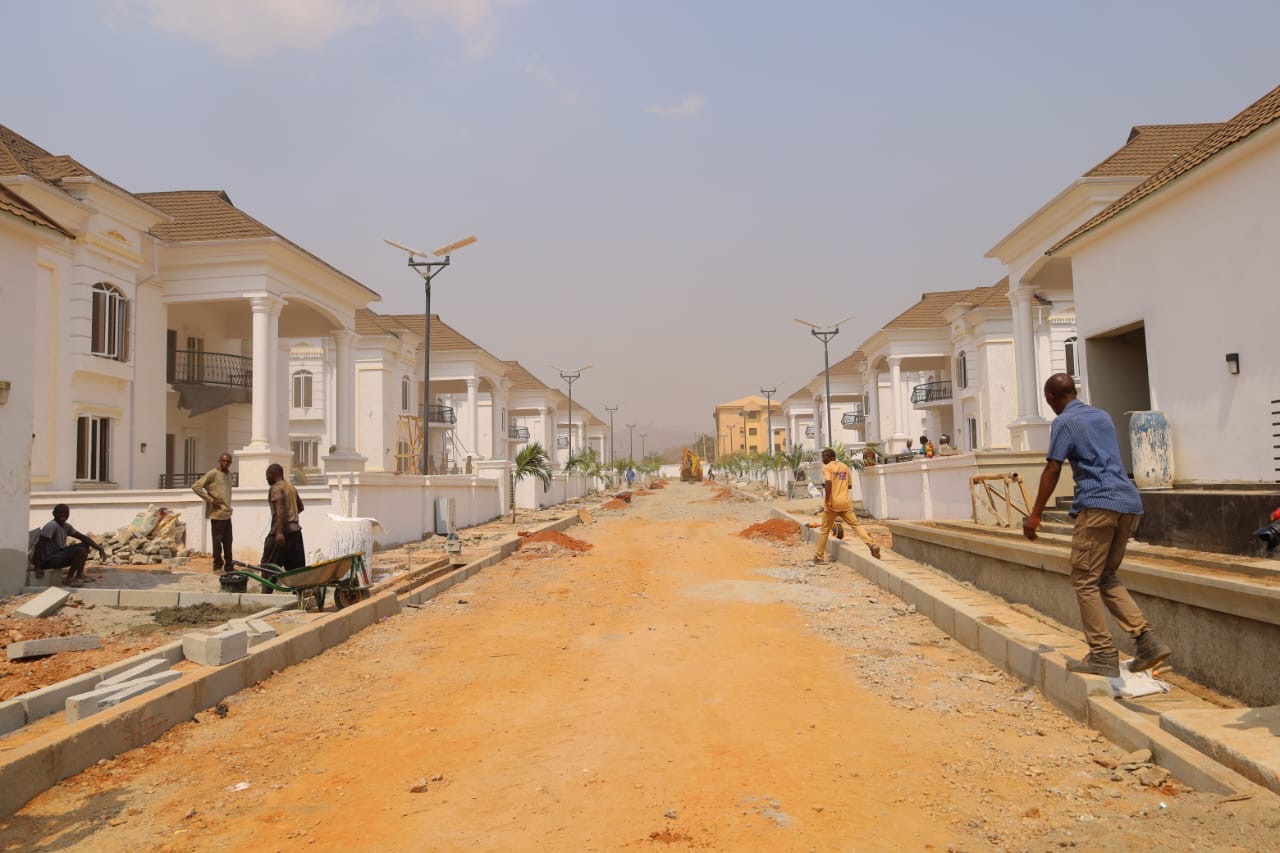
He disclosed that the FCT Administration is also constructing 40 residential houses for judges, 20 for the FCT High Court, 10 for the Court of Appeal and 10 for the Federal High Court with plans underway to commence similar housing for the National Industrial Court.
Wike further revealed that official residences, referred to as “Houses of Courts,” are being built for heads of courts, including the President of the Court of Appeal, the President of the National Industrial Court, the Chief Judge of the Federal High Court and the Chief Judge of the FCT High Court.
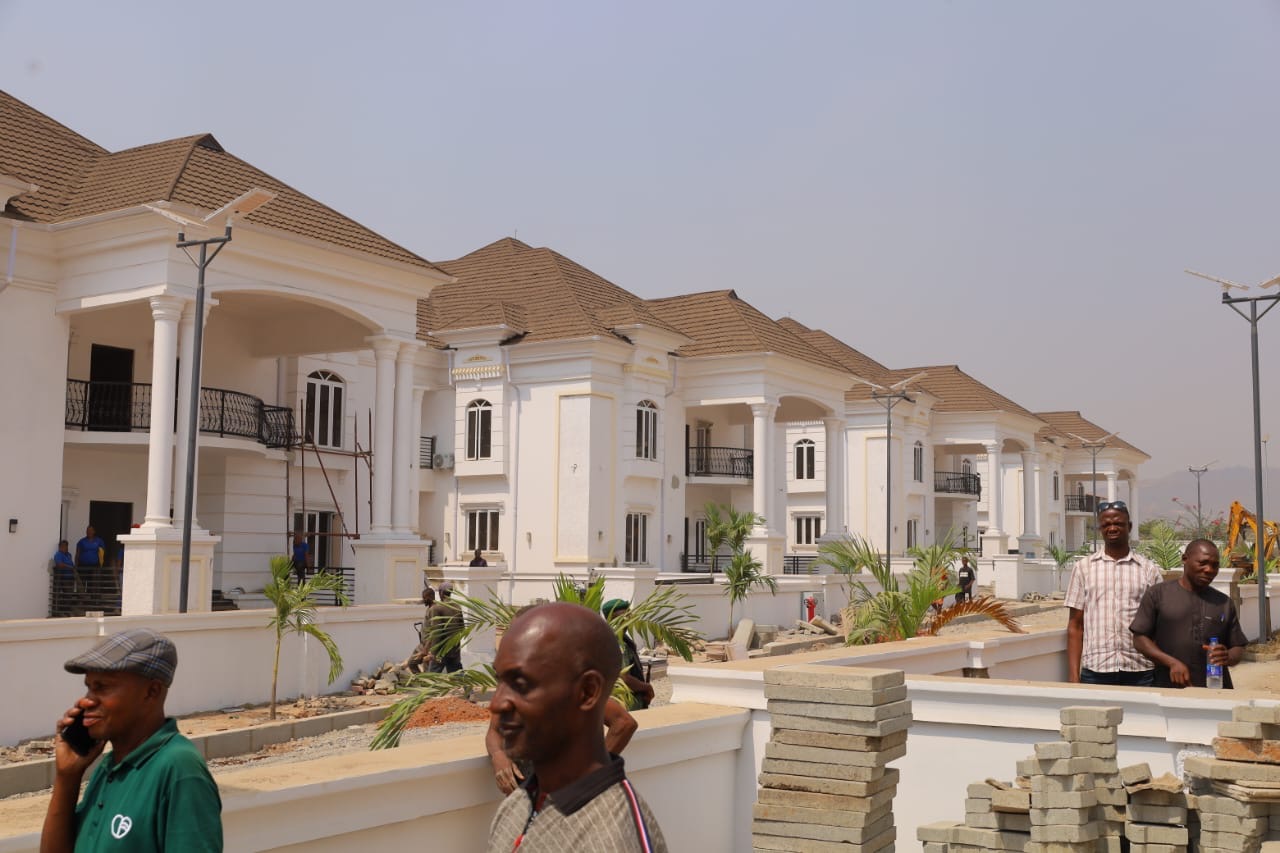
“We believe that by June or July, with the speed of work we are seeing, these projects will be handed over for Mr. President to formally present to the judiciary,” he said.
Wike describee the development as unprecedented in Nigeria’s history.
Addressing concerns over delays in completing the Court of Appeal complex, Wike attributed the setback to last year’s unusually heavy rainfall but assured that the project is now nearing completion and would be commissioned during President Tinubu’s third year in office.
He expressed satisfaction with the pace and quality of work, reiterating the commitment of the Tinubu administration to strengthening the judiciary as a vital pillar of Nigeria’s democratic system.

Northern Senators Forum condemns recent attacks in Benue, Kwara, Katsina, condoles with bereaved families

55 Years of Win-Win: Nigeria and China’s Growing Partnership

Wike dismisses claims of compromising the Judiciary(Photos)

Edo Killings: Jibrin Shares Details of His Discussion with Okpebholo

Jail break: One of Seven Escaped Ilesha Inmates re-arrested in Lagos

Police neutralise bandit, rescue 5 kidnapped victims in Katsina
-

 News23 hours ago
Reps Step Into Gurara II Power Row as FG, Abuja Power Clash Over Hydropower Project
-

 News23 hours ago
Just in: Finally, Senate passes Electoral Act amendment bill after six-hour session
-

 News23 hours ago
FAAN to shut down Lagos Airport Terminal 1 for renovation.
-

 News8 hours ago
Sad: 4 Nigerians Killed In Russian-Ukraine War
-

 News16 hours ago
Strange: Another snake found under ambulance conveying Ifunaya’s remains back home
-
 News11 hours ago
“Breathe Clean Air”: FCTA, IHS Nigeria transform lives in Gwagwalada with free gas, insurance
-
 News17 hours ago
Bandits massacred 75 Muslims in Kwara community – Gov Abdulrazaq
-

 News9 hours ago
Just in: What caused death of popular Nollywood actress, Aunty Ajara revealed