Connect with us

News

FIRS Boss Reveals Multiple Revenue Collection Agencies Responsible For leakages

Published

on

ADVERTISEMENT
Zoom Ad
ADVERTISEMENT
Zoom Ad
By Gloria Ikibah
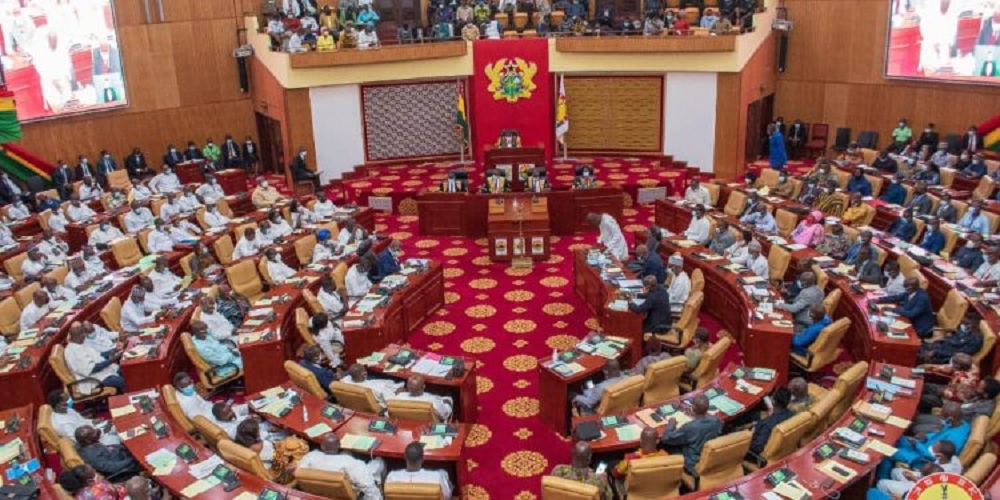
The Executive Chairman of Federal Inland Revenue Service (FIRS), Zach Adedeji, has said that the collection of revenue by over 60 government agencies is the major cause of leakage of funds.
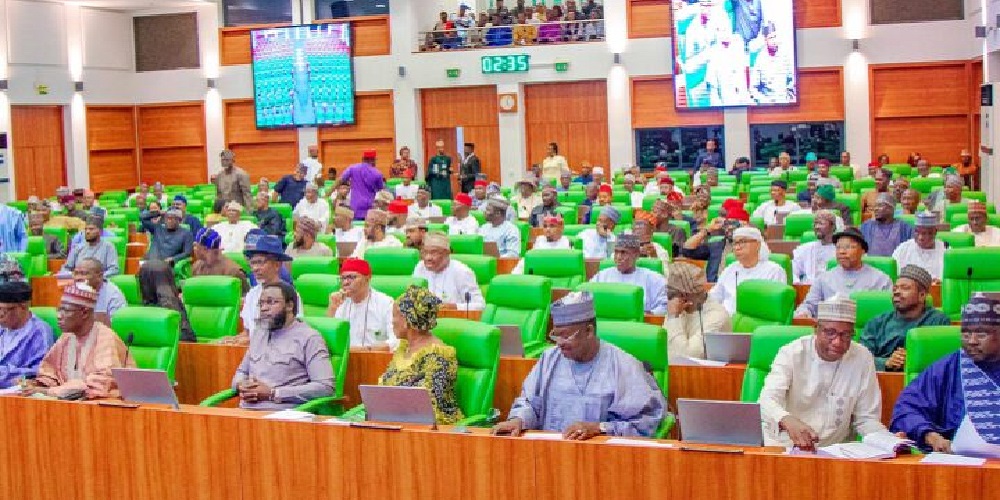
Adedeji who disclosed this when he appeared before the House of Representatives Committee on Finance, chaired by Rep. for bugdet hearing, said this duty should solely be the responsibility of the Service to ensure greater accountability in the system.
He asserted that other revenue collection agencies of government should focus on their various core mandates; and further advocated for a single window method of tax collection to make the process less cumbersome and check the loss of government funds.
According to the FIRS boss, one of the challenges facing this was lack of verifiable data in the country.
He said a bill would be sent to the National Assembly to ensure all Nigerians have one single number of identification.
He said, “We are doing a lot of reforms including the single window because if you look at FIRS, what we collect mainly is company income tax. The problem we have is that we do not have verifiable data in the country. So one of the major things we are doing which hopefully in the next two weeks or one month maximum, a law would be sent to the House to change so that all Nigerians must have one single number of identification which by law today is NIN. The plan is to make sure everything we do as citizens is linked directly to this NIN. This would also help address issue of tax leakage.”
Adedeji said the Services was given a mandate to collect the sum of N10 trillion based on the Medium Term Expenditure Framework (MTEF) that was passed in 2023 which was reviewed upward to N11 trillion during the year.
He noted that the Service was able to deliver N12.3 trillion as the revenue collected for the year 2023 which was 11 percent above the target set by government.
Adedeji said the performance was as a result of the internal reform that they embarked upon and the favourable economic policy decision by the President.
The FIRS Boss said the mandate of the Service for 2024 through the MTEF is to collect N19 trillion which is an additional N7 trillion compared to what was collected in 2023.
He said the bulk of it is coming from positive projection from oil and gas revenue.
He however said if this ambitious target of N19 trillion is to be met there is need to restructure the service to be more focused.
Adedeji said, “So instead of having types of taxes, what we do now is to categorise by the turn over which is customer focused. Now we have large tax if your turnover is above N5 billion. Between N1 and N5 billion is medium and anything less than N1 billion is a small tax payer.
“The reason for this is simple. We want to provide a one stop shop for tax payers. Where one can do all forms of taxes. This would reduce multiple audits and distraction to the businesses. It is our intention that 80 percent of core service job is done by the service.
“The tax to GDP is very low compared to our peers and that is why we have to come up with those reforms that Mr President has approved. One of it is the setting up of that tax reform committee. What we see is that in other climes, you have single revenue collecting agents. But here in Nigeria we have more than 62 agencies collecting one way or the other on behalf of Federal Government.
“And when you see people focussing on revenue instead of going to their area of strength, when everybody tries to collect, the leakage is all there. Two is the law that we have. Most of them are obsolete. For example the digital tax that we are talking about there is no law in Nigeria that empowers us to effectively tax all these digital businesses which we know is on the rise.
“Also our processes, Mr Presidnent approved that going forward we should pay our contractor’s directly instead of moving money to MDAs, most especially capital funding. What that would do is that we can deduct tax and also help us in cash management.
“We are also doing a lot of reforms including the single window. Because if you look at FIRS what we collect mainly is company income tax which is result of the difference between cost of sales and gross sales. But cost of sales if inflated means you would have less profits and less taxes.
“Today we don’t have anywhere to confirm the major cost of sales of all these companies because when they do the valuation sometimes, they do not have verifiable value to do that”, he noted.
Chairman, House Committee on Finance,, Rep. James Faleke, queried if the proposed single window revenue would mean whether Customs, NIMASA, NPA and all the major revenue collectors would be subject to the FIRS or the Service would be collecting revenue on their behalf.
In response, Adedeji said these agencies should rather concentrate on their individual primary mandates and leave the revenue collection to the FIRS.
He said, “This is the way. If you look at the basis of collection like you mentioned, I use NIMASA as example, the basis of collection for NIMASA is 3 percern of FOB. That has nothing to do with Marine. FOB, if you have the single window, you know the total number of vessels coming into the country and going out and the fee is just 3 percent, so what does NIMASA need to do about that.
“What we are saying is that these agencies were set up to do core duties. When you talk about Customs, they are border and trade facilitation. Revenue is not core mandate of Customs. Customs is about border and trade facilitation. So when you have single window, all what you say Customs collects because the real principle of single window is that everything coming to the country is in advance notified, so you know the number of containers coming, the volume, what is there and you know the amount and they pay you once.
“When you do that, the Customs collecting this and that or the NPA collecting also, this would go. When we talk about single that is why they say revenue service. If you go to UK or South Africa, you don’t see Customs Customs collecting revenue. They are merged.
“I am not saying it is bad but it is not the duty of FIRS to be approving payment for roads. I don’t have people who would monitor whether that road is done or not. So my duty is to access, collect and account for all revenue due to Federation. So any other  job may be good and laudable but that is not my core duty. So the same things happens when you see a lot of other agencies collecting revenue. And that is when you see leakages,” he added.
The Chairman commended the initiative to ensure payments are made directly to the contractors and not the MDAs.
He reiterated the commitment of the Committee to ensure that leakages are addressed and revenue increased to make life better for the ordinary Nigerian.
He said, “No one here will doubt your capability, it’s just the political will. Thank God that we have a president who has given you the authority and of course back you with that political will to reform our tax system. What you have to do is to look inward and ensure that you have directors and staffers who will not and negotiate you out.
“We have document to show that we have operators of our revenue collection who also negotiate and say you can pay this, we will do this. That is exactly what we are facing.
“With all the things you have enumerated, only you cannot do the job. You also have to delegate. So what this means is that every one of your staff who are on oath will ensure that they do the right thing.”

Continue Reading
Advertisement

News

Atiku And Other Northern Muslims Reject INEC 2027 Elections Dates

Published

on

By

ADVERTISEMENT
Zoom Ad
ADVERTISEMENT
Zoom Ad

The announcement by the Independent National Electoral Commission (INEC) fixing dates for the 2027 general elections has sparked widespread criticism, particularly among northern Muslim leaders and political figures who argue that the schedule coincides with the Islamic holy month of Ramadan.

Former Vice President Atiku Abubakar has demanded an immediate change of the date released by the Independent National Electoral Commission for the 2027 general elections, stating it falls within the Ramadan period.

“The Independent National Electoral Commission (INEC) must urgently reconsider the February 20, 2027 date it has announced for the general elections,” Mr Abubakar said in a statement on Friday. “That date falls squarely within the Ramadan period (February 7 – March 8, 2027), a sacred season of fasting, reflection, and spiritual devotion for millions of Nigerian Muslims.”

INEC had earlier released the official elections timetable, outlining dates for campaigns, voters’ registration, political parties’ primary elections and general elections.

Advertisement

However, Mr Abubakar blasted INEC for fixing the elections within the holy month of Ramadan, accusing the electoral umpire of poor judgement and insensitivity to the country’s socio-religious realities.

“Elections are not mere administrative rituals; they are national exercises that demand maximum participation, physical endurance, and collective focus. Fixing such a critical civic exercise in the middle of a major religious observance reflects poor judgment and a troubling lack of sensitivity to the nation’s socio-religious realities,” the ADC chieftain said.

While noting that inclusive planning was fundamental, the former vice president said INEC’s poor handling of election timing casts doubt on the capacity of the body to deliver free and fair elections to Nigerians.

“In a diverse country like Nigeria, inclusive planning is not optional, it is fundamental. Something as basic as choosing a broadly acceptable date should not be mishandled. It speaks to competence, foresight, and respect for citizens.

Advertisement

“If INEC struggles with getting a simple matter of timing right, Nigerians are justified in asking: what assurance do we have that it will competently deliver free, fair, and credible elections in 2027?” Mr Abubakar stated.

We have recently deactivated our website’s comment provider in favour of other channels of distribution and commentary. We encourage you to join the conversation on our stories via our Facebook, Twitter and other social media pages.

Ramadan is a sacred period in Islam marked by fasting from dawn to sunset, increased prayers, and spiritual reflection. For many Muslims, the month involves physical restraint, heightened devotion, and communal religious activities that can be physically demanding.

Critics argue that conducting national elections during this period could suppress voter turnout, especially in predominantly Muslim regions of northern Nigeria. They maintain that elections require physical endurance, long hours at polling units, and active participation in vote protection and monitoring — activities that may prove challenging while fasting.

Advertisement

A statement circulating online described the move as “a troubling lack of sensitivity to Nigeria’s socio-religious realities,” emphasizing that election planning in a diverse country must take religious observances into account.

In Nigeria, where religion plays a significant role in public life, stakeholders insist that inclusive planning is not optional but fundamental to democratic credibility.

Atiku and Other Northern Voices React

Another northern commentator, Hamma Hayatu, declared confidently on social media that “the date for elections 2027 just released shall be changed,” reflecting a growing sentiment among critics that public pressure may force a review.

Advertisement

Several social media users echoed similar concerns, with one post reading: “There’s no way the Muslim majority will participate in the casting and protection of votes during Ramadan.”

Questions About Consultation and Planning

Observers say the controversy raises broader questions about the consultative process that preceded the announcement.

In past election cycles, INEC has often engaged political parties, civil society organizations, and security agencies in discussions around logistics and scheduling. However, critics argue that the Ramadan overlap suggests either insufficient consultation with religious and community leaders or an oversight in evaluating the socio-cultural implications of the dates.

Advertisement

Some commentators have framed the issue as a test of INEC’s foresight and administrative competence.

“If INEC struggles with getting a simple matter of timing right, Nigerians are justified in asking what assurance we have that it will competently deliver free, fair, and credible elections in 2027,” one political analyst wrote.

The concern is not merely symbolic. Analysts warn that even a marginal decline in voter turnout in key regions could influence electoral outcomes and fuel post-election disputes.

Risks to Voter Participation and Credibility

Advertisement

The primary fear expressed by critics is the potential suppression of voter turnout among Muslims observing the fast. During Ramadan, many adherents limit strenuous activities, especially under the hot sun, which characterizes much of Nigeria’s dry season in February and March.

Long queues at polling units, delays in accreditation, and potential security challenges could further discourage participation.

Election observers also note that reduced turnout in certain demographics may affect perceptions of legitimacy. In a country already grappling with concerns about voter apathy and trust in electoral institutions, any factor that appears to limit participation could undermine public confidence.

Moreover, Ramadan evenings are often dedicated to special prayers known as Taraweeh, meaning extended polling delays could clash with religious commitments.

Advertisement

Broader Political Implications

Beyond religious considerations, the controversy comes at a politically sensitive time as parties begin early maneuvering ahead of the 2027 race.

The northern region remains a crucial voting bloc in presidential elections. Any perception that its predominantly Muslim population is disadvantaged could become a major campaign issue.

Political strategists suggest that opposition parties may seize on the controversy to question INEC’s neutrality or competence, potentially escalating tensions.

Advertisement

At the same time, some voices have urged calm, noting that Ramadan does not automatically preclude civic participation and that Muslims in other countries have voted during the holy month. However, they acknowledge that Nigeria’s logistical and climatic realities differ significantly.

Pressure Mounts on INEC

As criticism intensifies, pressure is mounting on INEC to review the announced dates. Civil society groups and commentators argue that adjusting the calendar now would demonstrate responsiveness and strengthen public trust.

So far, INEC has not issued a formal statement addressing the Ramadan concerns. The Commission’s leadership may face increasing calls to clarify whether alternative dates were considered and what consultations informed the decision.

Advertisement

Election experts emphasize that revising the schedule at this early stage would not pose significant logistical challenges, given that 2027 is still over a year away.

A Test of Inclusivity

Ultimately, the debate over the 2027 election dates underscores Nigeria’s delicate balance of religion, politics, and democracy.

In a multi-ethnic, multi-religious society, national institutions are expected to demonstrate sensitivity to diverse realities. Critics insist that something as fundamental as election timing should reflect inclusive planning.

Advertisement

Whether INEC will reconsider its decision remains to be seen. However, the immediate public outcry signals that the issue resonates deeply, particularly among northern Muslim communities.

As the 2027 elections approach, the controversy serves as an early reminder that beyond logistics and ballots, the credibility of Nigeria’s democracy rests heavily on public trust — and that trust often begins with decisions that show respect for the nation’s diversity.

Continue Reading

News

Bashir Ahmad urges INEC to review 2027 election timetable, cites Ramadan

Published

on

By

ADVERTISEMENT
Zoom Ad
ADVERTISEMENT
Zoom Ad

Former presidential aide Bashir Ahmad has urged the Independent National Electoral Commission (INEC) to reconsider the dates announced for the 2027 general elections, saying the proposed timetable falls within the Muslim holy month of Ramadan and could affect participation.

INEC, in a notice issued on Friday, fixed February 20, 2027, for the presidential and National Assembly elections, while governorship and state assembly elections are scheduled for March 6, 2027.

The dates were announced at a news conference in Abuja by the commission’s chairman, Joash Amupitan.

Reacting in a post on X, Ahmad addressed Independent National Electoral Commission, expressing concern that both election days fall within Ramadan.

Advertisement

“Dear INEC Nigeria, this is a respectful observation following the announcement of February 20th and March 6th, 2027, as the date for the next presidential and National Assembly and governorship and state assembly elections respectively,” he wrote.

“The proposed dates fall within the holy month of Ramadan, a period during which many Muslims devote significant time to fasting, prayer, and spiritual reflection,” Ahmad added.

He warned that holding the elections during the period could pose challenges for many voters.

“If the intention is to encourage full and inclusive participation in the electoral process, scheduling such a critical national exercise during Ramadan may present challenges for a large segment of the population,” he said.

Advertisement

According to him, many Muslims reduce engagement in demanding activities during the fasting period in order to focus on religious obligations.

“Given the significant Muslim population in this country, it may be worthwhile to reconsider the timing to ensure broader participation and convenience for all citizens,” Ahmad stated.

He added that his observation was made “in the spirit of inclusiveness and national cohesion.”

Advertisement
Continue Reading

News

‘I’ll Never Let My Child Go There’: Niger State Parents Reject School Reopening Over Insecurity Fears

Published

on

By

ADVERTISEMENT
Zoom Ad
ADVERTISEMENT
Zoom Ad

Parents and community leaders in Niger State have expressed concern over the reopening of schools, citing the continued risks to children and education workers in areas affected by insecurity.

Several schools in Shiroro, Agwara, Rafi, and Mariga local government areas are located in communities that have experienced repeated attacks, kidnappings, and threats.

The November 2025 attack on St. Mary’s Catholic School in Papiri, Agwara, which prompted a state-wide closure, remains a reference point for assessing safety in schools across the state. Residents have said reopening without adequate security could expose students to similar risks.

Mohammed Musa Alawa, Deputy Imam of Allawa Central Mosque in Shiroro LGA questioned the government’s handling of school closures and reopening, saying the situation remains unsafe, Saharareporters can report.

Advertisement

“Firstly, I need to question the government’s act on school closure; is school closure actually meant to combat insecurity? If it’s a yes, then I guess reopening schools at this moment is not safe,” Alawa said.

He also highlighted specific schools in insecure areas as unsafe for children to attend.

“For instance, Model Primary School, Allawa, as listed among the schools reopened, I will never let my child go there as there has been no one in Allawa since April 25, 2024 when the government withdrew the military stationed there,” he said.

“Actually, the only modalities I would like the government to put in place is none other than to take necessary measures on combating these cruel beings. Wiping them or driving them out of the state is the only solution that will guarantee the safety of our children,” Alawa added.

Advertisement

Alawa raised concerns about the effect of armed presence near schools.

He said, “While I understand that in some areas vigilantes are guarding schools, the presence of armed men on school premises can instill fear in students and hinder their ability to focus on their studies.”

The Lapkama Freedom Fighters (LFF) said schools could only be reopened where there is “visible, sustained and credible security presence alongside clear emergency response mechanisms.”

They warned that reopening schools in areas with ongoing threats “exposes innocent children and education workers to grave dangers.”

Advertisement

LFF said they had engaged security agencies, conducted public awareness campaigns, and advocated for a coordinated school safety framework involving government, communities, and security forces.

They said they were “willing and ready to collaborate with government and security agencies on school safety assessment, support community-based early warning and protection initiatives around schools.”

Recent incidents have underscored ongoing risks.

An IED explosion between Kududu and Chukuba in Shiroro, along with repeated attacks in Papiri, indicates that some schools officially cleared for reopening remain in areas of concern. Parents said children should only return “where there is safety, protection and a chance for our children to learn in peace.”

Advertisement

Schools approved for reopening in Agwara, Rafi, and Mariga LGAs include Alhaji Zakari Mohammed Sani Nursery and Primary School; Army Children School, Wawa; Federal Government Girls College Staff Nursery and Primary School; and Waziri Primary School.

Some residents said insecurity in these areas has raised doubts about whether reopening is feasible without additional safety measures.

The Niger State Government has emphasised that schools in unsafe areas remain closed until credible security is restored.

Authorities have urged stakeholders to comply with reopening directives while prioritising the safety and educational development of students.

Advertisement

As of the time of filing this report, Niger State Police Public Relations Officer, Wasiu Abiodun, had not responded to SaharaReporters’ requests for comment on the safety of schools in the affected areas.

Continue Reading

Trending

Copyright © 2024 Naija Blitz News