

By Gloria Ikibah 
The House of Representatives has urged the federal government to adopt professional and environmentally friendly methods for disposing of crude oil and associated materials recovered from oil thieves and illegal refineries.
This call was directed at the Operation Delta Safe Joint Task Force, which is responsible for handling such operations.
The House emphasized the need to halt practices that harm the environment and to involve environmental experts in supervising the disposal of seized crude oil.
Lawmakers proposed that recovered crude oil should be reabsorbed into the national oil stock to minimize oil spills and reduce pollution in the Niger Delta region.
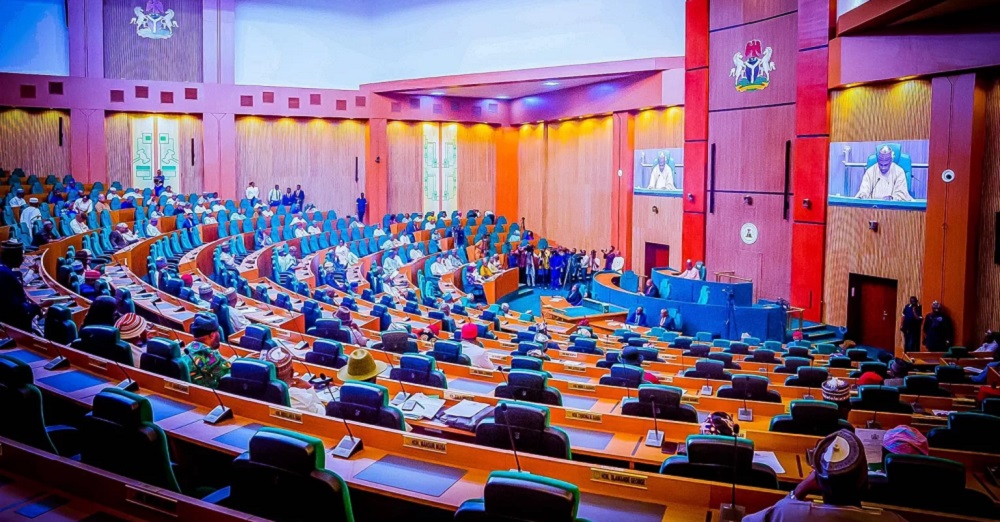
These resolutions was sequel to a motion by Rep. Marie Ebikake, lawmaker representing Brass/Nembe Federal Constituency of Bayelsa State, on Thursday at plenary.
Rep. Ebikake highlighted the alarming rise in crude oil theft and illegal refining activities in the Niger Delta, and noted the massive financial losses incurred daily. She also raised concerns about reports of security personnel colluding with those involved in these illegal activities.
She stated, “The standard practice of reintroducing seized crude into the environment and the unprofessional incineration of vessels and illegal refineries cause further damage to an already devastated ecosystem. This approach has failed to deter crude oil theft and illegal refining operations.”
Ebikake warned that these practices, combined with illegal refineries, contribute to increasing toxicity levels in the Niger Delta environment.
According to her, this is causing severe ecological and health issues, including:
- Increased cases of neonatal mortality
- Poisoning of the liver and lungs
- Breathing difficulties
- Kidney damage
- Skin ulcers from acid rain
- High blood pressure and muscle weakness
- Depletion of mangrove vegetation
- Poor crop harvests
- Destruction of aquatic and marine life
The House unanimously adopted the motion and called for amendments to the Petroleum Industry Act (PIA) 2021.
The lawmakers proposed that oil companies should reserve employment quotas for eligible indigenes of host communities to enhance economic security and make pipeline vandalism less attractive.