

ECOWAS @ 50: Leaders Project Hope, Unity Amidst Challenges

By Gloria Ikibah

ADVERTISEMENT
Zoom Ad
ADVERTISEMENT
Zoom Ad

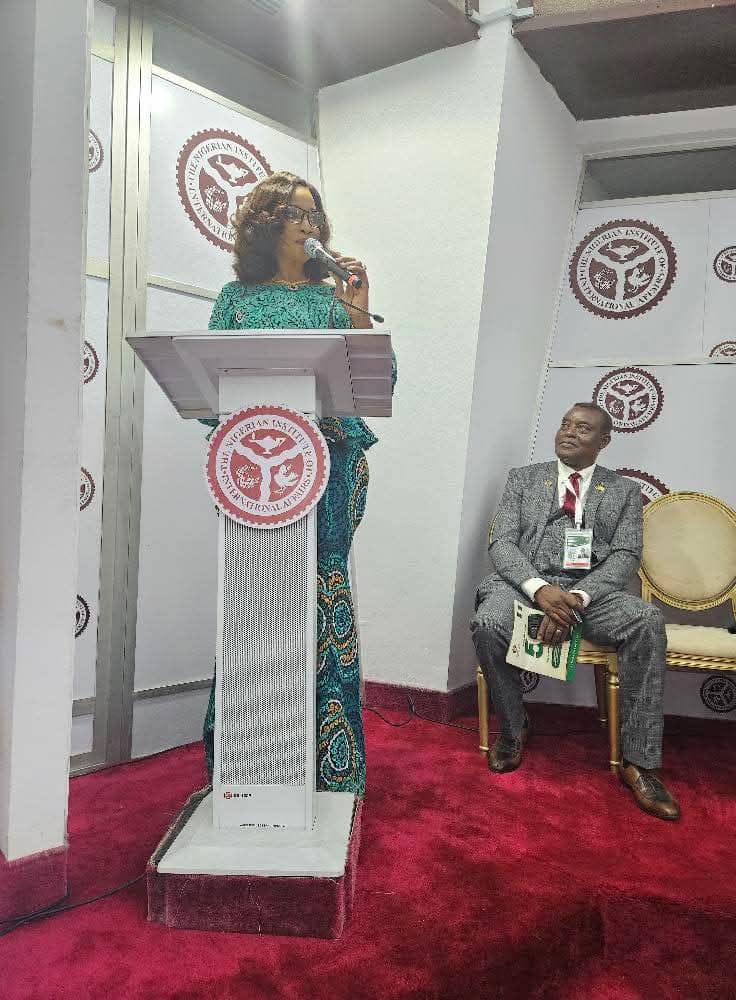
A powerful gathering of West African statesmen, diplomats, and scholars struck a hopeful chord for the future of the Economic Community of West African States (ECOWAS), as the organisation marked its 50th anniversary in Lagos on Thursday.

Speaking at a high-level roundtable organised by the Nigerian Institute of International Affairs (NIIA), Nigeria’s Minister of State for Foreign Affairs, Ambassador Bianca Odumegwu-Ojukwu, expressed confidence that the golden jubilee would open a new chapter for regional integration.

Advertisement

“This milestone presents an opportunity for renewal, a reaffirmation of our collective resolve to advance peace, unity, and sustainable development in West Africa,” she declared.

The conference, themed “ECOWAS, An African Model @ 50: Resilience and Future Prospects,” was chaired by General Yakubu Gowon (rtd.), Nigeria’s former Head of State and a founding architect of ECOWAS. Gowon, who remains the sole surviving founding leader of the bloc, called for optimism and dialogue, noting that despite the recent withdrawals of Burkina Faso, Mali, and Niger to form the Alliance of Sahel States (AES), “there remains room for reconciliation and reintegration.”

Adding intellectual weight to the discussions was Prof. Bolaji Akinyemi, former Minister of External Affairs, who delivered the keynote address, echoed Gowon’s sentiments, stating that the departures, though concerning, need not be permanent fractures.

“History teaches us that regional bodies survive turbulence when leaders act with vision and flexibility,” he noted.

Other speakers included President of ECOWAS, Dr. Alieu Touray; his predecessor, Dr. Ibn Chambas; former Guinean Prime Minister, Lansana Kouyate; and the Vice Chairperson of the African Union Commission, Selma Malika Haddadi.

The forum saw robust discussions on regional security, economic integration, and the political future of ECOWAS.

Odumegwu-Ojukwu paid homage to the founders of the organization, lauding their foresight in fostering unity in the region. She also commended the contributions of the day’s speakers, calling their insights “a reaffirmation of the enduring relevance of the ECOWAS vision.”

Despite current challenges, the tone of the event was far from pessimistic. The consensus among participants was clear: ECOWAS, while tested, remains a vital platform for regional cooperation—and its brightest days may still lie ahead.
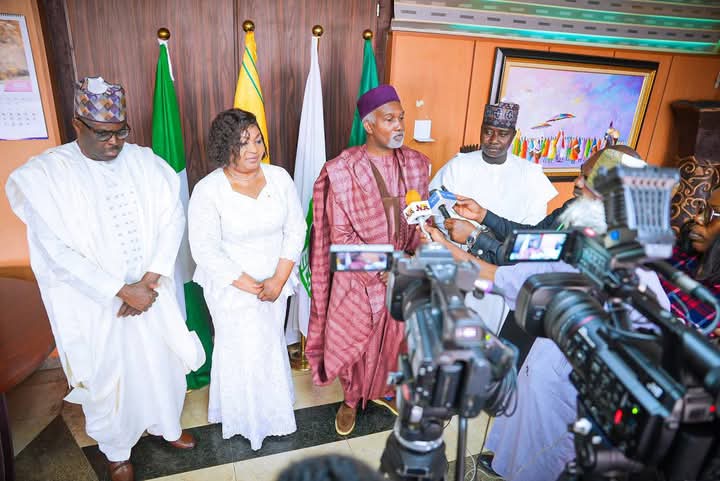
“Over the course of our discussions, we have been afforded a unique opportunity to reflect on the remarkable journey of ECOWAS as a regional body. We have examined its significant contributions to peacekeeping, economic integration, harmonization of sectoral policies and promotion of democratic governance to strengthen regional solidarity.
“Equally important, this forum granted us the opportunity to critically examine the pressing challenges confronting the Community, from political instability and governance deficits to economic disparities. Looking ahead, this rich exchanges of ideas and perspectives we have shared today has laid the groundwork for charting a more resilient, inclusive and visionary path for ECOWAS.
“As we bring this important gathering to a close, allow me to express my sincere appreciation to each and every one of you for your presence, your thoughtful contributions and insights, as well as your unwavering commitments to the vision and ideals that inspired the founding of our Regional Economic Community five decades ago,” Odumegwu-Ojukwu said.
Akinyemi who listed the numerous achievements of ECOWAS particularly, in peacekeeping, free movement of people and goods, regional integration and peer review, urged the remaining members to be compassionate with Burkina Faso, Mali and Niger.
He said: “When the Sahel countries realize that in pulling out of ECOWAS, they were not able to contain the Jihadists, the insecurity in the region, then they will know that pulling out was not the solution. When they see that the energy crisis is still there and other challenges they faced, then, they will begin to consider the essence of regional integration.
“So, I share the optimism expressed this morning by our President and Gen. Gowon, that they will find their way back. And as Gen. Gowon advised, we should threat them with compassion, we shouldn’t rub it on their face.”
In his presentation, ECOWAS President, Dr. Alieu Touray, reiterated that the three exited member States of ECOWAS were key to the security of the region including the free movement of people and regional integration.
He also spoke on the plans for the ECOWAS in the next phase of its trajectory.
“We are thinking of a summit on the future of ECOWAS. We must mainstream the need for poverty alleviation. Secondly, is working together on how to confront insecurity. The disunity in the region threatens our security.
“Peace and security must be of priority to ECOWAS. Governance too must be a priority to ECOWAS, accountability. If you have good governance, you have development. To boost intra community trade, we must address on infrastructure,” the ECOWAS Commission’s President said.
Also, remarking, the United Nations Special Representative for ECOWAS and the Sahel, Leonardo Santos Simão, saluted ECOWAS for the capacity displayed in handling the conflict concerning the exit of the Sahel States.
According to him, the organisation was able to manage the sentiments involved and went to Bamako for discussions.
“I must tell you that I was in Niger last week and I know how they received that move. This is an achievement that only a mature organisation can pull through.
“As UN, we congratulate ECOWAS on its 50th anniversary and would continue to look out for collaborations,” he stated.
Add a Comment

Leave a Reply

Keep Up to Date with the Most Important News

By pressing the Subscribe button, you confirm that you have read and are agreeing to our Privacy Policy and Terms of Use
Advertisement