Reps Raise Concern Over WAEC Operations, Call for System Improvements

…as council cite security breaches, logistics issues in response to exam irregularities

ADVERTISEMENT
Zoom Ad
ADVERTISEMENT
Zoom Ad

By Gloria Ikibah

The House of Representatives Committee on Basic Education and Examination Bodies has expressed serious concern regarding recent challenges in the administration of national examinations by the West African Examinations Council (WAEC).

Advertisement

During a review session held on Monday, June 2, 2025, in Abuja, members of the committee queried the Head of WAEC Nigeria, Dr. Amos Josiah Dangut, about procedural lapses that they believe have affected the integrity and smooth delivery of exams across the country.

Committee Chairman, Rep. Oforji Oboku, member representing Yenagoa/Opokuma Federal Constituency of Bayelsa State, began the session by acknowledging the dedication of lawmakers present and highlighted the importance of strengthening institutional systems to support credible academic assessments.

He said: “This oversight meeting is a testament to our collective determination to salvage the integrity of our education system. 
 
“We owe Nigerian parents, guardians, and students an apology for the dysfunction that characterized the last WAEC examinations. It is our duty to ensure this disgrace does not repeat itself.”
 
Recounting insights from a previous engagement with the West African Examinations Council on May 30, Oboku decried disturbing revelations, including reports that some candidates were forced to write exams late at night using torchlights due to logistical mishaps.
 
“It’s unthinkable that in this day and age, students are writing exams at 11 p.m. under torchlight. 
 
“This isn’t merely a logistical error, it reflects a deep leadership crisis.”
 
Oboku clarified that the probe was not a vendetta but a genuine effort to uncover the root causes of repeated examination failures and restore credibility to the process.
 
“What we seek is not scapegoats, but solutions. Those responsible must be held accountable, and systemic weaknesses must be addressed with urgency,” he noted.
 
The atmosphere turned tense as lawmakers unleashed a barrage of questions and criticisms at Dr. Dangut, with some accusing WAEC of habitual negligence and poor planning.
 
One visibly upset lawmaker exclaimed, “Admit your failure to Nigerians. If you must shed tears, do so. But when you’re done, be honourable enough to resign.”
 
The committee also dismissed WAEC’s proposed nationwide rollout of computer-based testing (CBT) by 2026 as unrealistic. Legislators argued that most communities lack the basic infrastructure required to support such a transition.
 
“You’re talking about CBT like you have the infrastructure ready. “It’s like saying you have a vehicle and a driver, but no roads. That’s not readiness, that’s delusion”, one lawmaker retorted. 
 
Another member added, “How can we talk of CBT when many schools don’t even have electricity? Let’s be truthful, this is not feasible without foundational infrastructure.”
 
Calling for a national education summit, the committee urged a comprehensive audit of secondary school infrastructure, particularly in underserved areas. Members lamented WAEC’s inability to provide a reliable database of ICT-compliant schools, warning that planning in the dark was a recipe for repeated failure.
 
Beyond technical issues, the lawmakers voiced concern over Nigeria’s deteriorating image in the region due to these exam-related shortcomings.
 
“Our neighbours in West Africa ridicule us. To think that Nigeria, the so-called giant of Africa, is now conducting examinations in torchlight conditions, it’s beyond embarrassing. It’s disgraceful”, he added.
 
Moral accountability was also brought into focus, with lawmakers suggesting that resignations should follow where institutional lapses have become habitual.
 
“This goes beyond administrative blunders, it reflects a deeper moral failing. When leadership can no longer inspire trust, stepping aside is the honourable thing to do”, a member said.
 
Despite their criticisms, lawmakers reiterated that they do not advocate the dissolution of the West African Examinations Council but rather a complete overhaul of its operations.
 
“We’re not calling for WAEC to be scrapped. But sweeping reforms are urgently needed. We cannot afford to toy with the futures of nearly two million students”, a member clarified. 
 
Responding to the committee’s concerns, Dr. Dangut pointed to a range of issues including regional security disruptions and unforeseen logistical constraints as contributing factors. Despite this, members of the committee urged WAEC to move beyond explanations and focus on concrete measures to prevent recurrence.

After extensive discussions, the committee adopted a set of resolutions aimed at improving the council’s performance. Among them was a request for a comprehensive review of WAEC’s digital systems, with special emphasis on access and reliability in remote communities, as well as a forward-looking plan for adopting computer-based testing.

Additionally, WAEC was instructed to furnish the National Assembly with documentation on its internal procedures and detailed records addressing examination integrity and past breaches.

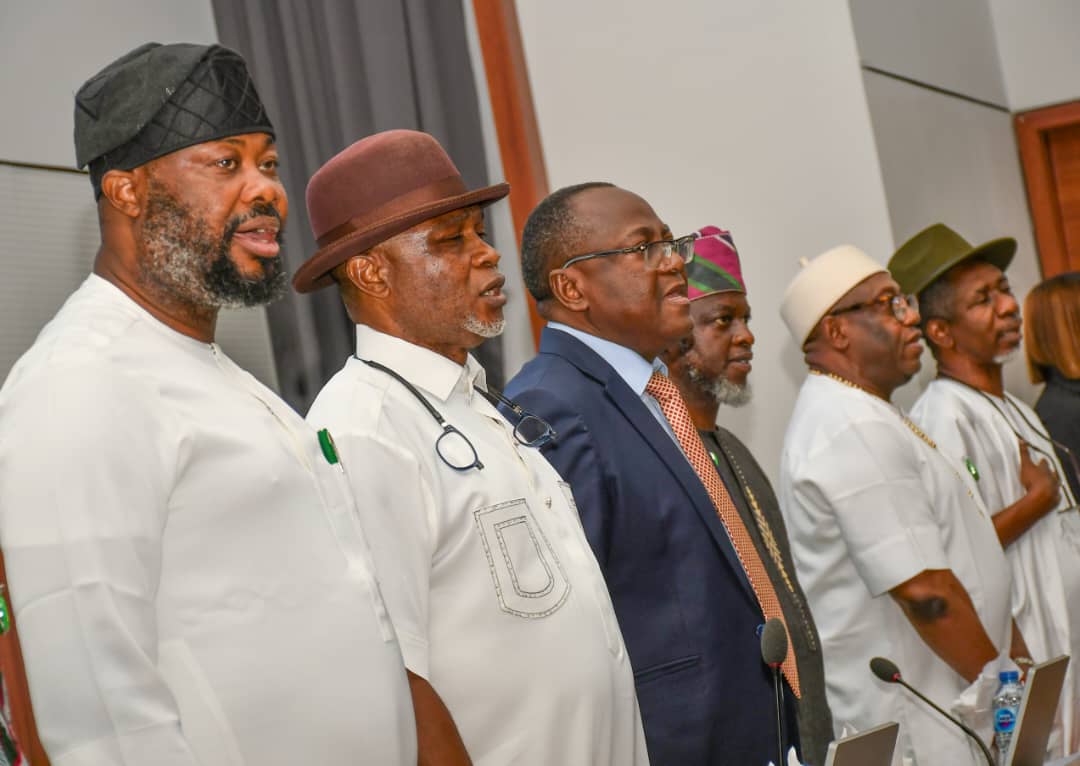
“This is a pivotal moment. We must insist on transparency, competence, and genuine reform. Education is too vital to be mismanaged. The future of our nation rests on the success of our children”, Oboku warned. 
Add a Comment

Leave a Reply

Keep Up to Date with the Most Important News

By pressing the Subscribe button, you confirm that you have read and are agreeing to our Privacy Policy and Terms of Use
Advertisement