
News
Appeal Court affirms Musa Mohammed as RTEAN president




The Court of Appeal in Abuja has reaffirmed Musa Mohammed as the duly elected Executive President of the Road Transport Employers’ Association of Nigeria (RTEAN), effectively putting an end to a prolonged leadership dispute within the union.
Delivering its judgment, the three-member panel, led by Justice Hamma Barka and read by Justice Abba Mohammed, struck out the appeal filed by Eriyo Osakpamwan, ruling that the case had become academic and of no practical relevance. The court noted that the disputed tenure (2018–2023) had already elapsed and a new election had since taken place.
The panel held unanimously that the appeal had been overtaken by events and pursuing it further would serve no useful legal purpose.
In the lead judgment, Justice Mohammed stated “A suit is academic when it is of no practical value to the parties involved. The tenure in question expired in 2023, and a new leadership is already in place. This court cannot turn back the clock. Courts are not forums for academic debate, but for resolving live disputes with tangible legal consequences.”
Concurring, Justice Eberechi Nyesom-Wike said “The tenure of Alhaji Musa Mohammed, which is being challenged, elapsed in 2023, while we are now in 2025. This appeal is therefore of no utilitarian value to any of the parties. Even as at the time the appeal was entered in 2021, there was a live issue between the parties. I concur that the appeal, being academic, ought to be struck out.”
The dispute originated from a 2020 decision of the National Industrial Court (NIC), which nullified the emergence of Osakpamwan and Yusuf Ibrahim Adeniyi as National President and Secretary-General of RTEAN respectively. The court upheld RTEAN’s 2018 and 2019 National Executive Council (NEC) resolutions, recognising Musa Mohammed as the association’s legitimate president.
Osakpamwan subsequently filed an appeal on seven grounds but withdrew six, leaving only a jurisdictional issue — whether the NIC had authority to hear the matter without first resorting to conciliation or arbitration, as required by the Trade Disputes Act.
Although the Appeal Court agreed that conciliation ought to precede litigation under the Act, it ruled that the question had become moot since the tenure in question had already expired.
The decision marks the end of a five-year legal battle over the union’s leadership.
In his response, Musa Mohammed praised the judiciary for upholding the rule of law and commended RTEAN members nationwide for their loyalty and patience throughout the legal process.
“This ruling is a testament to the strength of our democratic institutions and the resilience of RTEAN’s internal governance. We are moving forward — united, focused, and ready to serve the interests of all transport employers across Nigeria,” he said.
He also extended an olive branch to past challengers and urged all members to work together in the interest of unity and progress.
“Let us put the past behind us and focus on building a stronger RTEAN that will contribute meaningfully to national development.”
In a separate statement, Deputy National President Muhammed Bishara reaffirmed RTEAN’s commitment to transparency, lawful governance, and the welfare of its members, pledging that the association will continue to act in the best interests of the road transport sector and its stakeholders.


By Gloria Ikibah
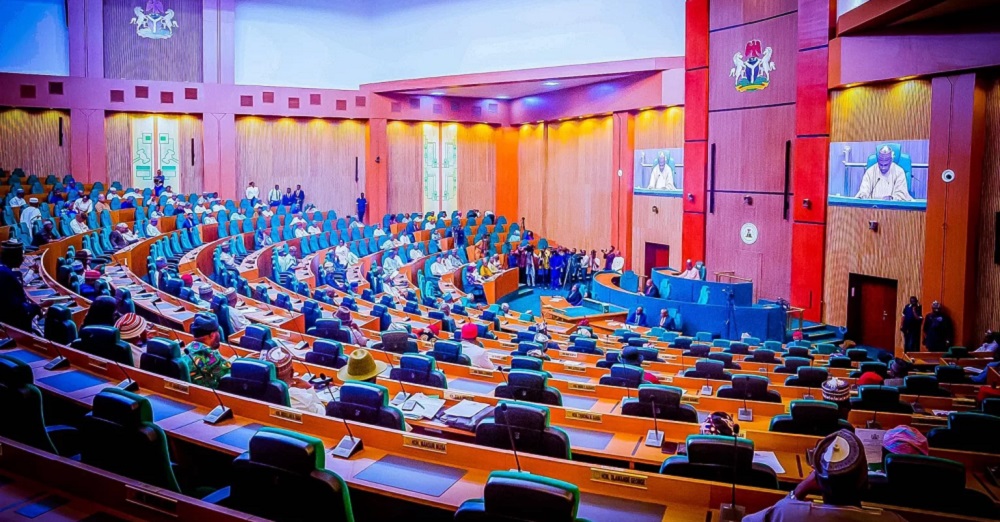
The House of Representatives has urged the immediate installation of Automated External Defibrillators (AEDs) in public buildings across Nigeria following a series of sudden deaths in government environments.
This resolution was a sequel to the adoption of a motion on Thursday during plenary sponsored by Rep. Muktar Tolani Shagaya, who raised concerns about the absence of critical emergency medical equipment in many public institutions despite the heavy daily movement of people through such facilities.
Rep. Shaga noted that cardiac arrest remains a major cause of sudden death globally and can occur without warning, often requiring rapid medical response within minutes to save lives. They observed that the chances of survival fall sharply when defibrillation is delayed, highlighting the importance of AEDs, which are designed to restore a normal heart rhythm during cardiac emergencies.
Concern was expressed over the widespread lack of emergency medical devices and trained responders in government offices, ministries, legislative buildings, courts and schools across the country.
The motion drew attention to several recent incidents involving sudden deaths in public offices. Among them was the case of a female public servant, Pharmacist Bilkisu, who collapsed and died while addressing colleagues in her office on 5 January 2026. Another incident involved Andrew Essien, a senior official of the Nigerian Customs Service, who slumped during a public engagement on 24 June 2024.
Lawmakers also referenced the death of the Deputy Governor of Bayelsa State, who collapsed while carrying out official duties on 11 December 2025.
Members of the House noted that these incidents occurred in government environments where the presence of Automated External Defibrillators could have provided an opportunity for rapid medical intervention.
They also pointed out that in several countries, including the United States, Canada and the United Arab Emirates, the placement of defibrillators in public offices and government facilities forms part of standard public safety requirements.
Following the adoption of the motion, the House urged the Federal Ministry of Health and Social Welfare to ensure the immediate installation of AEDs in federal government institutions, schools, National Youth Service Corps camps, religious centres and other public buildings across the country, including the National Assembly complex.
Ministries, Departments and Agencies were also encouraged to ensure the devices are clearly visible, properly maintained and supported by staff training in cardiopulmonary resuscitation and the use of defibrillators.
The House also mandated its committees on Health and Legislative Compliance to monitor and ensure the prompt implementation of the resolution.
By Gloria Ikibah
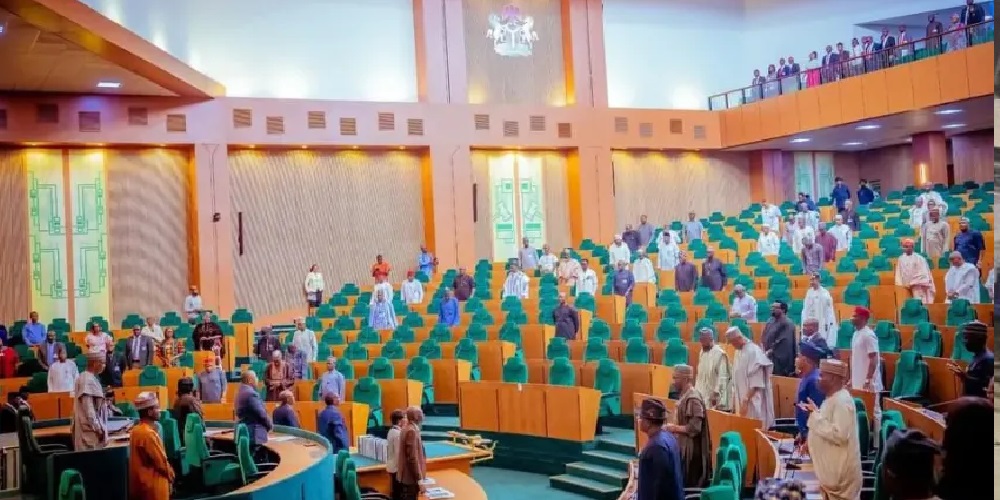
The House of Representatives has raised alarm over the continuing killings in communities within the Kwande/Ushongo Federal Constituency of Benue State, calling on the Federal Government and security agencies to immediately intensify military operations to halt the violence.
The concern was brought before lawmakers during plenary on Thursday through a motion of urgent public importance sponsored by Rep. Terseer Ugbor.
He drew attention to a series of recent attacks carried out by armed groups believed to be mercenaries and bandits in several communities in Kwande Local Government Area.
According to the lawmaker, the assaults have left many people dead and injured while homes, farmlands and other property have been destroyed. The violence has also forced numerous residents to flee their communities.
Rep. Ugbor highlighted a deadly incident on 3 February 2026 when gunmen stormed the Abande and Anwase communities in the Turan district. At least 17 people were killed during the attack, including a Mobile Police officer. Several others sustained injuries as houses were razed and livelihoods wiped out.
He noted that other communities have also come under similar assaults, including Anem and Tomataan in the Ikyurav-Ya area, as well as parts of Ikyov in Ushongo Local Government Area.
The lawmaker further informed the House of another violent episode on 5 March 2026, when armed attackers struck Mbaav community in Mbadura Council Ward and Mbachoon community, along with nearby settlements in Yaav Council Ward. Sixteen people lost their lives in that incident, while several others were left wounded.
The motion has intensified calls within the chamber for stronger security intervention to restore safety in the affected communities and prevent further bloodshed.
“As we speak here today Mr Speaker, a mass burial is currently planned to bury some of the people who recently lost their lives to these attacks,” Ugbor said.
The lawmaker disclosed that during an on the spot assessment of the affected areas on March 8, he observed that although a full battalion of the Nigerian Army had been deployed to the area, the troops were facing operational constraints that hinder effective response.
He also noted that the operational mandate of the deployed forces appeared unclear, raising questions about whether the mission was intended as a peacekeeping effort or a full combat operation aimed at flushing out armed groups and bandits operating in the area.
Ugbor further warned that the porous Nigeria Cameroon border corridor in Benue State has created easy entry and exit routes for armed groups, providing safe havens in ungoverned spaces.
He added that illegal mining activities in the mineral rich border region were also attracting criminal networks and fueling illicit activities that worsen insecurity.
The lawmaker also expressed concern that the Kashimbila area in neighbouring Taraba State had become a staging ground for attackers, warning that without urgent intervention the violence could escalate and deepen the humanitarian crisis.
The House unanimously adopted the motion urgi g the Federal Government and security agencies to immediately deploy additional technological and logistical support, including drones, surveillance assets and modern combat equipment, to security forces operating in Kwande Local Government Area.
The lawmakers also called on the Federal Government to transform the Benue Nigeria Cameroon border area into an Export Processing Zone (EPZ) with strong security and economic infrastructure to promote legitimate economic activities and deny criminal groups safe havens.
The House further urged the government to impose an immediate ban on illegal mining in the affected areas and establish strict regulatory monitoring to prevent criminal exploitation of mineral resources.
It also mandated the House Committees on Defence, and National Security and Intelligence to liaise with relevant agencies for the prompt implementation of the resolutions and report back to the House.
The House observed a one-minute silence in honour of victims of the attacks.

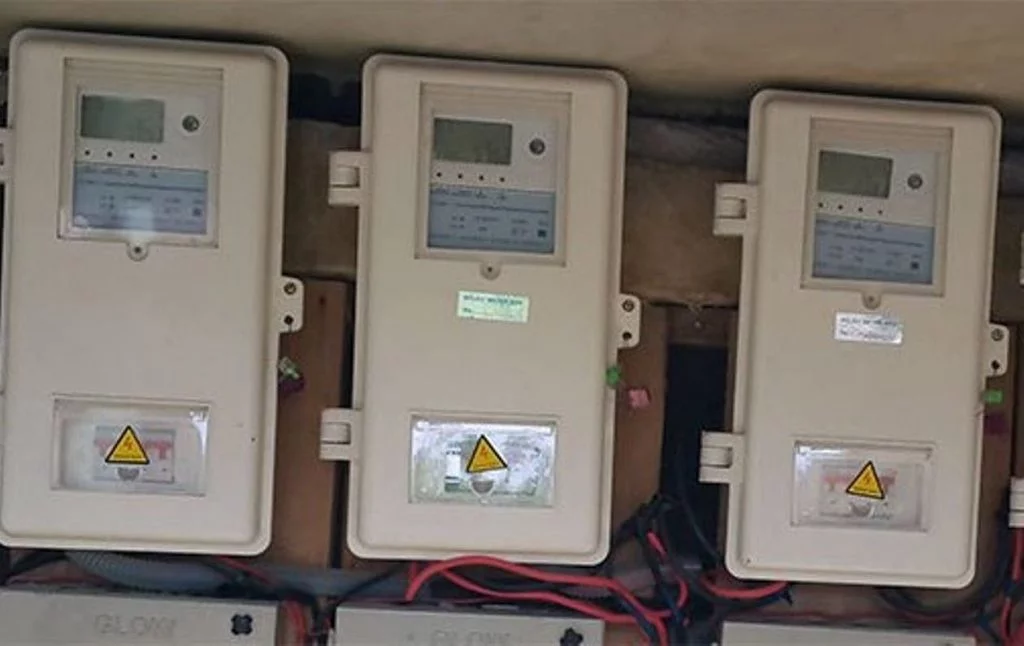
Electricity distribution companies (DisCos) in Nigeria are facing fresh financial pressure following a directive by the Nigerian Electricity Regulatory Commission (NERC) ordering them to refund N20.33 billion to customers who purchased prepaid meters under the Meter Asset Provider (MAP) scheme.
The directive, contained in an amended order issued by the regulator on March 1, 2026, requires the power distribution companies to reimburse affected customers within 12 months.
According to the order, the refunds will be credited directly to customers’ electricity bills in equal instalments throughout the repayment period.
Industry stakeholders say the directive comes at a time when many distribution companies are already grappling with severe liquidity challenges across the Nigerian Electricity Supply Industry.
A senior manager at the Abuja Electricity Distribution Company (AEDC) said the directive could further strain the financial capacity of operators.
These challenges have significantly constrained the cash flow available to distribution companies for infrastructure maintenance, network expansion, and metering investments,” the official said.
Power sector analyst Ayodele Oni said although the directive supports consumer protection, it could worsen the financial difficulties faced by many DisCos.
“While the directive is understandable from a consumer protection perspective, the reality is that most DisCos are already financially distressed,” Oni said.
If we do not address the underlying tariff gaps and revenue recovery challenges, policies like this could worsen liquidity problems and affect the ability of operators to invest in network improvements.”
Energy economist Dr Benjamin Emmanuel, in an interview with journalists, warned that the scale of the refund requirement could create additional pressure on companies.
“Requiring DisCos to refund such a large amount within a short period without improving sector liquidity could put additional pressure on already weak balance sheets,” he said.
Similarly, power-sector consultant Adedayo Ademiluyi said the directive underscores the longstanding financial fragility of Nigeria’s electricity distribution sector.
“DisCos are operating in an environment where tariffs are not fully cost-reflective, and revenue collection remains weak. Introducing additional financial obligations without addressing these structural challenges could make compliance difficult for some operators,” he noted.
Nigeria introduced the Meter Asset Provider (MAP) scheme to address the country’s longstanding metering gap and reduce disputes arising from estimated billing.
Under the programme, third-party investors supply prepaid meters to electricity consumers, who pay upfront for the meters and later recover the cost through reimbursements from distribution companies.
However, implementation challenges, funding constraints and operational delays have slowed the pace of meter installations, while complaints over delayed refunds have persisted among customers.
Experts say the refund directive also reflects broader structural problems within Nigeria’s electricity market, including tariff gaps, weak revenue collection and electricity theft.
Distribution companies also face mounting losses due to ageing infrastructure, unpaid electricity bills from some government institutions and high operational costs, factors that continue to strain the financial stability of the power sector.
Under the amended order, NERC directed that all refunds must be completed within 12 months, with reimbursements credited directly to customers’ electricity bills in equal instalments during the period.
Industry observers say the ability of distribution companies to comply with the directive will depend largely on their financial capacity and operational performance.

Reps Call for Defibrillators in Public Buildings After Rising Sudden Deaths

Benue Killings: Reps Demand Urgent Military Action as Attacks Spread Across Kwande, Ushongo

NERC directs DisCos to refund N20.33bn to prepaid meter subscribers




-

 Politics18 hours ago
Three More Senators Defect From PDP To APC
-

 News9 hours ago
Former House Of Reps Speaker Dumps Party, Joins ADC
-

 News17 hours ago
Just in: PDP NEC approves conduct of zonal congresses towards national convention and timetable (Photos)
-

 Economy11 hours ago
Dollar, Pound, Euro Rates in Nigeria Today – See Full Exchange for March 12, 2026
-

 News9 hours ago
Woman Writes Billionaire Femi Otedola, Wants Permission to Marry His Son Fewa
-

 Entertainment18 hours ago
VIDEO: BBNaija Winner Undergoes Facelift Surgery To Look Younger
-

 News17 hours ago
Popular Nigerian Lawyer ‘Quits’ Law Practice
-

 News17 hours ago
Lagos International Trade Fair Complex Shut Down
You must be logged in to post a comment Login