Health
Lassa Fever Outbreak Infects 15 Healthcare Workers, Kills Two — NCDC Issues Urgent Alert
The Director-General of the Nigeria Centre for Disease Control and Prevention (NCDC) has raised an urgent alert to healthcare workers amid a worrying surge in Lassa fever infections among medical personnel. In a public advisory issued during the peak of the 2025/2026 transmission season, the NCDC confirmed that 15 healthcare workers have tested positive, with two fatalities recorded as of Epidemiological Week 7.

“The safety of healthcare workers remains our top priority,” the DG emphasized. “We urge all personnel to take every precaution to prevent infection and protect lives.”
Healthcare worker infections have been reported across several states, notably in Ondo, Edo, Bauchi, Taraba, Ebonyi, and Benue, with some outbreaks traced to specific local government areas. Investigations revealed significant gaps in infection prevention and control (IPC) practices, including inconsistent use of personal protective equipment (PPE), low awareness of exposure risks, and underestimation of threats in outpatient units and general wards.

“Undiagnosed patients often appear in general wards and outpatient departments,” the NCDC warned. “It is dangerous to assume that only isolation units carry risk.”
The advisory stressed that non-clinical staff, such as cleaners, porters, and administrative workers, are equally vulnerable and must be included in IPC training and safety measures. Alarmingly, surveillance data indicated an average six-day delay between symptom onset and seeking care among infected healthcare workers, often due to stigma or self-medication.
Infections typically occur through contact with contaminated blood, urine, vomit, or other body fluids, performing clinical procedures without adequate PPE, poor hand hygiene, handling contaminated instruments, or delayed isolation of suspected cases. The NCDC reiterated that standard precautions must be applied to all patients at all times, with proper handwashing and use of alcohol-based sanitizers as the first line of defense.
Health facilities are directed to ensure the availability of gloves, masks, respirators, gowns, disinfectants, and proper waste disposal systems, while establishing functional isolation areas and clear referral pathways for suspected cases. Rapid Response Teams have been deployed to high-burden states, alongside the distribution of essential PPE, targeted sensitization campaigns, and issuance of state-specific advisories.
“We commend states like Edo that have successfully controlled outbreaks in their jurisdictions,” the DG noted. “Protecting healthcare workers is central to controlling Lassa fever. Strict IPC practices, early detection, and coordinated state-level action will save lives and prevent further spread.”
Health
Breast Cancer Cases in Women Predicted to Rise by a Third Globally
Health experts have warned that breast cancer cases among women worldwide could increase significantly in the coming decades if stronger prevention and early detection measures are not implemented.
According to recent global health research, the number of women diagnosed with breast cancer each year is expected to rise by about one-third by the year 2050. The projections indicate that annual cases could increase from roughly 2.3 million cases recorded in 2023 to about 3.5 million cases by mid-century.
Breast cancer remains the most commonly diagnosed cancer among women globally, and the rising numbers highlight the growing burden the disease may place on healthcare systems around the world.
In addition to the projected rise in new cases, the number of breast cancer-related deaths is also expected to increase significantly. Experts estimate that annual deaths could grow from around 764,000 currently to nearly 1.4 million by 2050, representing an increase of about 44 percent.
Impact Expected to Be Greater in Developing Countries
Although breast cancer affects women in all parts of the world, researchers say the projected increase will likely have a more severe impact on low- and middle-income countries.
Many of these countries face major challenges in providing adequate cancer screening, diagnosis, and treatment services. Limited access to modern healthcare facilities often leads to late detection of the disease, which reduces the chances of successful treatment.
In contrast, wealthier nations generally have better screening programmes, improved medical technology, and greater access to specialised treatment. This allows many cases to be detected earlier, increasing survival rates.
Health experts warn that without major improvements in healthcare systems in developing regions, the gap in survival rates between high-income and low-income countries could continue to widen.
Lifestyle Factors Linked to Breast Cancer
The study also highlights the role of lifestyle choices and health conditions that can increase a woman’s risk of developing breast cancer.
Researchers estimate that about 28 percent of breast cancer cases globally are linked to several modifiable risk factors. These include unhealthy lifestyle habits and certain medical conditions that may be preventable.
Some of the key risk factors identified include excessive alcohol consumption, smoking, obesity, high blood sugar levels, low physical activity, and high intake of red meat.
Health professionals say that addressing these factors through public education, improved nutrition, and healthier lifestyle choices could help reduce the number of future breast cancer cases.
Rising Cases Among Younger Women
Another concern raised by researchers is the increasing number of breast cancer diagnoses among younger women, particularly those between the ages of 20 and 54.
Although breast cancer is still more common among women aged 55 and above, experts say cases among younger women have been gradually rising over the years. Changes in lifestyle, environmental factors, and reproductive patterns are believed to contribute to this trend.
Call for Stronger Global Action
Medical experts are calling for greater global efforts to combat breast cancer, including expanded screening programmes, improved access to treatment, and stronger public health campaigns focused on prevention.
They stress that early detection remains one of the most effective ways to reduce deaths from breast cancer. When the disease is identified early, treatment options are often more successful and survival rates are significantly higher.
Researchers also emphasize the need for governments and health institutions to invest more in cancer care infrastructure, especially in countries where access to healthcare services remains limited.
With the number of cases expected to rise sharply in the coming decades, experts say coordinated global action will be essential to reduce the future impact of breast cancer and protect the health of millions of women worldwide.
Health
HIV Prevention Drug Set To Arrive Nigeria
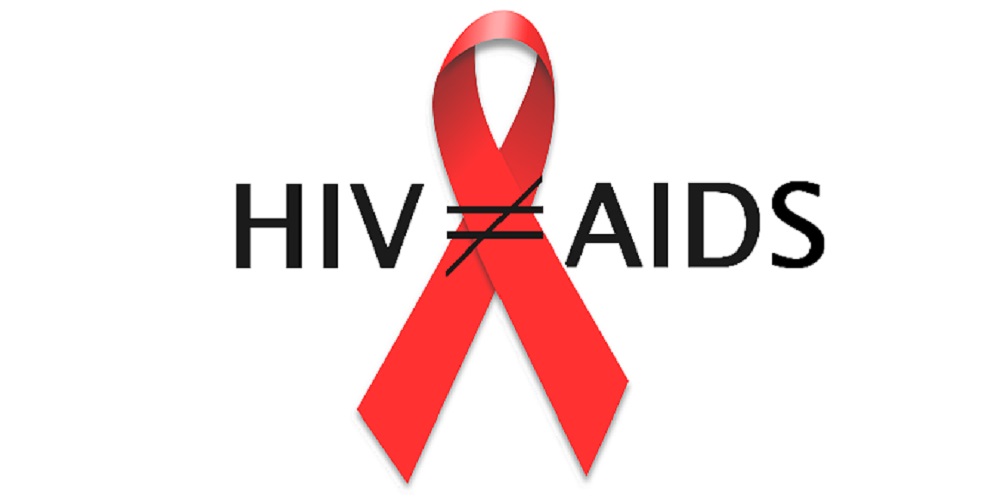
The National Agency for the Control of AIDS has announced that Nigeria will take delivery of Lenacapavir, a groundbreaking HIV prevention drug that has shown 100% effectiveness in preventing HIV infection in clinical trials.
A short statement released by the Head of Public Relations, NACA, Toyin Aderibigbe, on Monday said the agency has secured regulatory approval from the National Agency for Food and Drug Administration and Control.
Lenacapavir is an injectable treatment administered twice a year, making it a more convenient alternative to daily oral prevention drugs.
The drug is expected to be available in Nigeria and 119 other low- and middle-income countries at an affordable price of $40 per person annually, thanks to voluntary licensing agreements with generic manufacturers.
“The Government of Nigeria is advancing preparations for the introduction and rollout of Lenacapavir as Pre-Exposure Prophylaxis (PrEP).
“This is part of the government’s commitment to strengthen HIV prevention and accelerate progress toward epidemic control,” the statement read.
NACA listed some significant milestones achieved, including completion of landscape and readiness assessments across ten states: Akwa Ibom, Anambra, Benue, Cross River, Ebonyi, FCT, Gombe, Kano, Kwara, and Lagos, alongside regulatory approval by NAFDAC.
“The commodities are expected in the country in March 2026,” NACA noted.
Nigeria has approximately 1.9 million people living with HIV, with a national prevalence of 1.3% among adults aged 15-49 years.
The country recorded 74,000 new HIV infections and 51,000 AIDS-related deaths in 2021.
The South-South zone has the highest HIV prevalence at 3.1%, while women aged 15-49 years are more than twice as likely to be living with HIV as men.
Health
Warehouse With ₦3bn Fake, Banned Cosmetics Uncovered In Lagos
Over N3 billion worth of illegal cosmetics has been discovered in a warehouse at the APT Trade Fair Complex in Lagos State.
According to the National Agency For Food and Drug Administration Control, NAFDAC, the warehouse, concealed in an uncompleted building, was discovered during an enforcement operation.
Items recovered from the facility include 728 cartons of Crusader soap, 718 cartons of E45 soap, and Extract Gold whitening soap, all of which are products banned by the Federal Government.
Advertisement
NAFDAC also said that other items found in the warehouse are assorted perfumes, body oils and cooking oils which have been placed on hold for further regulatory assessment.
“All seized products have been evacuated to prevent distribution,” the agency stated.
NAFDAC disclosed that the manager of the warehouse has been invited for further investigation as enforcement actions continue.
The agency warned that the sale and usage of banned, fake and illegal cosmetics products pose serious health risks to consumers.
NAFDAC further advised members of the public to remain vigilant and report suspicious activities to the agency’s nearest office, stressing the importance of public corporation in curbing the circulation of unsafe products.
-
Economy19 hours agoDollar, Pound, Euro Rates in Nigeria Today – See Full Exchange for March 12, 2026
-
News17 hours agoFormer House Of Reps Speaker Dumps Party, Joins ADC
-
News17 hours agoWoman Writes Billionaire Femi Otedola, Wants Permission to Marry His Son Fewa
-
News15 hours agoCeding oil wells: FG losing 780 hectares of maritime water to corruption -CSOs(Video/Photos)
-
News15 hours agoJust in: Nine senators dump their parties for ADC
-
News16 hours agoGroup Defends Pipeline Surveillance Contracts
-
News16 hours agoPakistan Sends Naval warships to protect commercial ships in Strait of Hormuz
-
News13 hours agoJust in: ADC Wuse Ward suspends FCT Senator, Kingibe