The Senate has revealed that the moribund Ajaokuta Steel Company was at times indebted N2 billion in electricity payments, despite not producing.


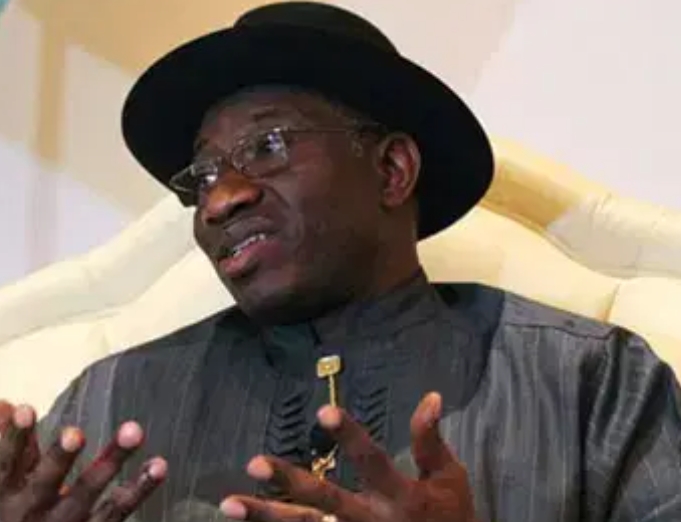
The Chairman of the Senate Committee on Steel Development, Patrick Ndubueze, made this known at the maiden edition of the National Steel Summit in Abuja on Wednesday, August 13, 2025.
Ndubueze said: “Once in Ajaokuta, I cried for my beloved country. Ajaokuta can produce brake parts, ball bearings, seals, engine blocks and other parts. 
“It is in some time indebted to the tune of over N2 billion in electricity payments, yet not producing.
Ajaokuta is a limited liability company; unfortunately, the shattered power of Ajaokuta till date is N500,000 for trillions of naira investment.”
He said there should be corporate governance in Ajaokuta and a review of its status.
The senator also urged the delegates at the summit to ensure that it becomes a defining moment in Nigeria’s national resolve to harness the full potential of its steel industry.
Ndubueze added that the deliberations should position Nigeria as a hub for industrial activities in Africa.
He assured of the Senate’s commitment to working with the executive and all stakeholders to deliver a vibrant, sustainable, and competitive steel industry.
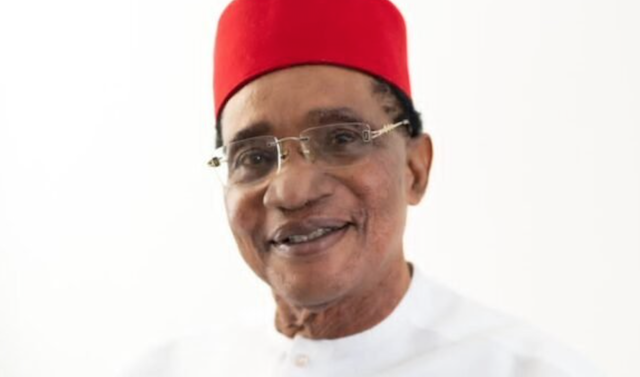
Also speaking at the event, the Minister of Steel Development, Shuiabu Audu, said though Nigeria was well endowed with steel-making raw materials, it had yet to fully exploit its potential for industrial development.
Audu stated that this was due to the absence of operational integrated Steel Plants as off-takers.
The minister said the federal government conceptualised the idea of establishing an Iron and Steel Industry in Nigeria as far back as 1958.
He explained that initially, the interest was in the establishment of Rolling Mills.
Audu, however, said with the growing awareness of the existence of relevant raw materials deposits like iron ore, limestone and coal in the country, emphasis was later shifted to the establishment of integrated Steel Plants.
According to him, the privatisation policy of the government in early 2000 led to the sale of the inland rolling mills at Oshogbo, Katsina and Jos, Delta Steel Company, and Aluminium Smelter Company of Nigeria.
“I must add that none are in operation as of date. This privatisation policy changed the role of government from operator to regulator cum administrator of the industry,” Audu said.