…as experts call for stronger community action qgainst polio


By Gloria Ikibah
Rotary District 9127 Nigeria has called on stakeholders and communities to remain firm in the campaign against polio until the disease is completely eliminated from the country. 
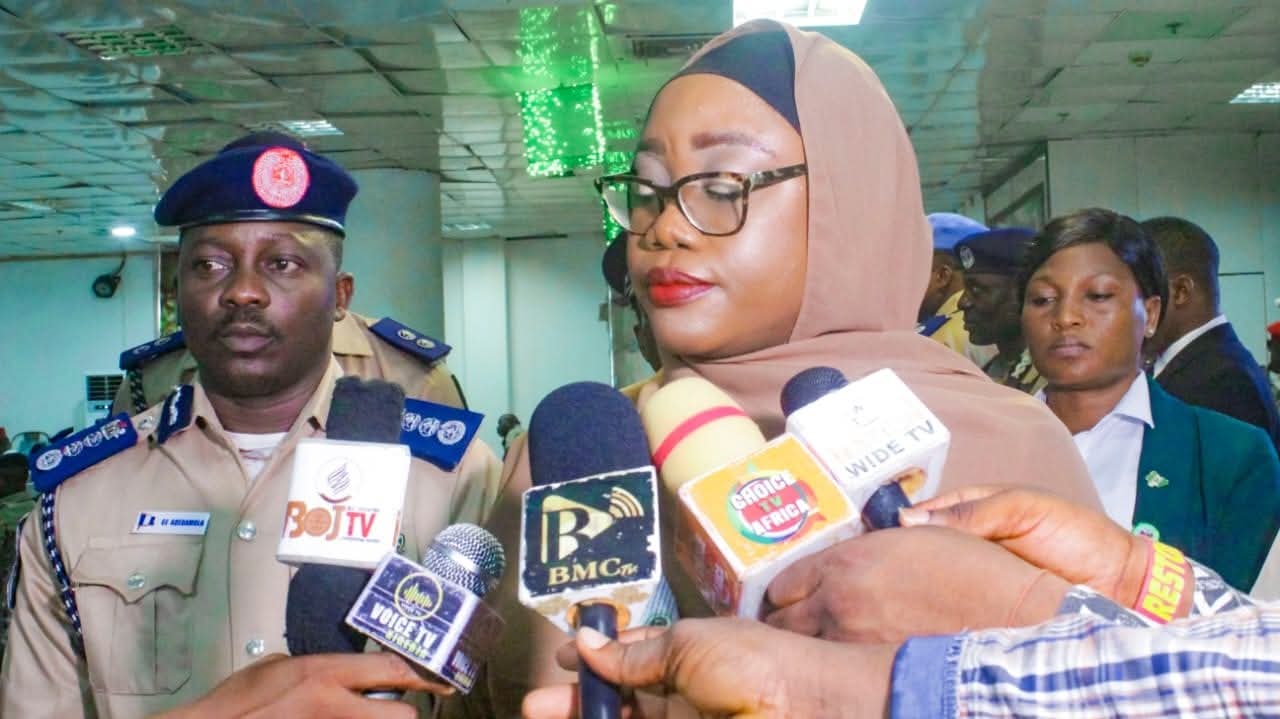
Speaking at the 2025/2026 Polio Seminar in Abuja, District Governor Dr. Joy Nky-Okoro described polio as a “devastating” disease that no child should have to endure.
Naijablitznews.com reports that the seminar brought together over 200 Rotarians from Zones 1 and 2.
“Polio has no cure, and its effect on children is something we must never allow to resurface. Our duty as Rotarians is to equip ourselves, work closely with health workers, and ensure that every household with children is reached during vaccination drives,” she stressed.
Dr. Nky-Okoro who applauded the partnership of organisations such as WHO, UNICEF, and the Nigeria National Polio Plus Committee, explained that Rotary’s role goes beyond providing funds, extending to advocacy, technical guidance, and mobilizing communities.
Although Nigeria was declared free of wild polio five years ago, the District Governor reminded participants that this achievement does not signal the end of the battle. She urged members to sustain vigilance and demonstrate consistency during all immunization campaigns.
“Sometimes health teams say they have finished the houses, but you may still find schools or communities left out. We must have the patience and commitment to follow through,” she added.
The Vice Chairman of the Nigeria National Polio Plus Committee, Dr. Kazeem Mustapha, also called for intensified grassroots efforts to strengthen surveillance and increase vaccination coverage across the country.
In her remarks the UNICEF Health Specialist for Social and Behavior Change, Tessa Rintala, stressed that community involvement is vital in addressing vaccine hesitancy.
Delivering a paper titled “Advocacy and Communications for Social Mobilization in Polio Eradication,” she emphasised that families are more likely to accept vaccines when information is delivered clearly and by trusted voices.
“Some parents still reject the vaccine even when it is free and safe. Our task is to provide accurate information, listen to their concerns, and ensure every child receives the two polio drops in each campaign.”
She further noted, however, that refusal rates declined during the 2025 campaign. “We are seeing fewer missed children because of refusals, and more parents are open to dialogue. This is encouraging and something we must sustain,” she added.
In a related presentation, National Surveillance Officer of WHO, Dr. Salisu Idris warned that while Nigeria has eliminated wild poliovirus, variant strains remain a threat.
“This year, we have recorded 41 cases of circulating variant poliovirus. That figure is lower than last year’s, but 41 is still too many.
“Polio has no cure, but vaccination prevents it. To succeed, government agencies, development partners, traditional rulers, religious leaders, and local communities must act together”, DR. Idris said.
Polio which is also known as poliomyelitis, is a highly contagious viral illness that mostly affects young children. In severe cases, it can cause irreversible paralysis or even death.