
News
Read Details Why FG Cancelled Nigeria’s Independence Day Parade



The Federal Government of Nigeria has announced the cancellation of the country’s Independence Day parade, a long-standing tradition that marks the anniversary of Nigeria’s sovereignty.
The decision, confirmed through official channels, has drawn widespread attention due to its significance for national identity, unity, and historical memory.
Background of Independence Day in Nigeria Nigeria commemorates its independence from British colonial rule every October 1st. Since 1960, the day has been observed with various ceremonies, including parades, cultural displays, presidential addresses, and other activities symbolizing national pride. Over the decades, the Independence Day parade — typically held at Eagle Square in Abuja or other designated state venues — has become a focal point of the celebrations. Military formations, paramilitary groups, schoolchildren, and cultural troops usually participate, showcasing Nigeria’s diversity and unity.
Recall that the cancellation of the parade is unusual, as it has historically been viewed as a symbolic reminder of Nigeria’s sovereignty and a rallying point for citizens across the country.
Reasons Behind the Cancellation Although the Federal Government has not provided exhaustive details, sources close to the Presidency indicated that the decision was influenced by a combination of security concerns, financial constraints, and logistical challenges. Security Concerns:
Rising cases of insecurity across several states have forced security agencies to deploy more resources toward critical national assignments, reducing their capacity to manage large gatherings in Abuja and state capitals.
Financial Constraints: Organizing a national parade involves significant expenditure, including mobilization of security operatives, logistics, and ceremonial displays.
Given current fiscal challenges, the government may be redirecting funds toward essential services. Logistical Challenges: Officials also highlighted the difficulty of coordinating participants nationwide under present circumstances, particularly with ongoing strikes, protests, and socio-economic pressures.
Historical Precedents This is not the first time Nigeria’s Independence Day parade has been suspended. In 2010, a bomb blast near Eagle Square disrupted the parade, leading to heightened security concerns. In 2015, the Buhari administration opted for a low-key event to cut costs. More recently, scaled-down or symbolic celebrations have replaced full parades in times of national tension.
The latest cancellation follows this pattern, reflecting how economic and security realities shape national celebrations.
Reactions from Nigerians News of the cancellation has triggered mixed reactions across the country: Civil Society Groups described the move as a blow to national morale, stressing that Nigerians need symbols of unity in difficult times.
Security Experts welcomed the decision, noting that it reduces the risk of mass-casualty incidents in case of attacks. Opposition Figures have criticized the government, arguing that cancelling a symbolic event reflects a failure to secure the nation. Ordinary Citizens expressed disappointment, especially students and cultural groups who had prepared for the celebrations.
Implications for National Unity The Independence Day parade is more than a ceremonial event; it reinforces a collective sense of identity.
Analysts suggest that cancelling the parade may: Affect Public Morale: Citizens often look forward to the parade as a unifying tradition. Reinforce Economic Realities: The move underscores fiscal challenges confronting the nation. Shift Focus to Reflection:
Without the parade, greater attention may be given to the President’s Independence Day broadcast and smaller community-based events.
Alternative Plans Government officials have hinted that while the parade is cancelled, other symbolic activities will proceed, including: The President’s national broadcast, expected to address key policy directions.
Interdenominational prayers and Jumat services, focusing on peace and unity.
Low-key flag hoisting ceremonies at federal and state levels. This approach suggests the government aims to balance national reflection with safety and resource management.
Global Comparisons Other nations have occasionally scaled down or cancelled independence celebrations for similar reasons.
For instance: Sri Lanka has cancelled parades due to economic crises. France once limited Bastille Day parades due to security risks.
United States scaled down July 4th events in wartime periods.
Nigeria’s decision therefore reflects a global trend of adapting national celebrations to prevailing realities. What Nigerians Should Expect on Independence Day Even with the parade cancelled, Nigerians can expect: A presidential address focusing on security, economy, and reforms. Religious gatherings emphasizing prayer for unity and peace. Media programs and documentaries highlighting Nigeria’s history. Community-level events, especially among youth and cultural groups.

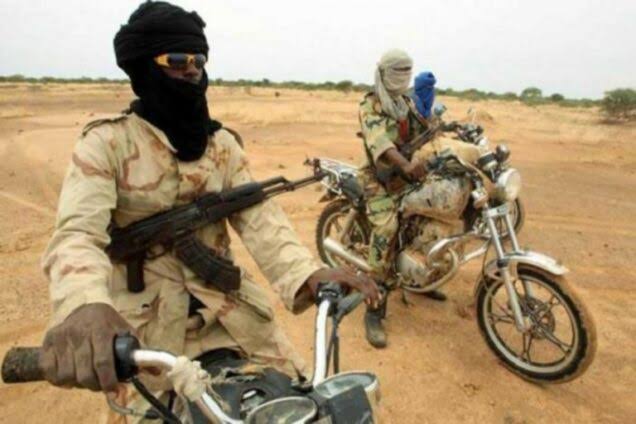
Bandits have killed a monarch,his wife, his son, and three other residents in a deadly night attack on Olegabulu community in Agatu Local Government Area of Benue State.
Residents said the attack happened on Thursday night when the armed men, numbering about four and arriving on two motorcycles, stormed the palace of the monarch and opened fire on him and his family members.
According to a resident who requested anonymity, the attackers entered the community without raising suspicion, reportedly exchanging greetings with locals in the native dialect before heading straight to the royal residence. Once inside, they opened fire, killing the traditional ruler, his wife, and his son on the spot.
The attackers were said to have spent about 20 minutes in the community. After the assault on the palace, they reportedly moved to a nearby compound where they killed two additional residents and left another person injured before fleeing the scene.
Eyewitnesses described the incident as coordinated and deceptive, noting that the gunmen initially blended in with residents before launching the attack.
The Chairman of Agatu Local Government Area, Melvin Ejeh, confirmed the incident, stating that five people were killed and one person sustained injuries.
He added that security operatives, including police personnel, have since visited the scene.
Meanwhile, the Police Public Relations Officer in Benue State, DSP Udeme Edet, said she was yet to receive full details of the attack at the time of filing this report.
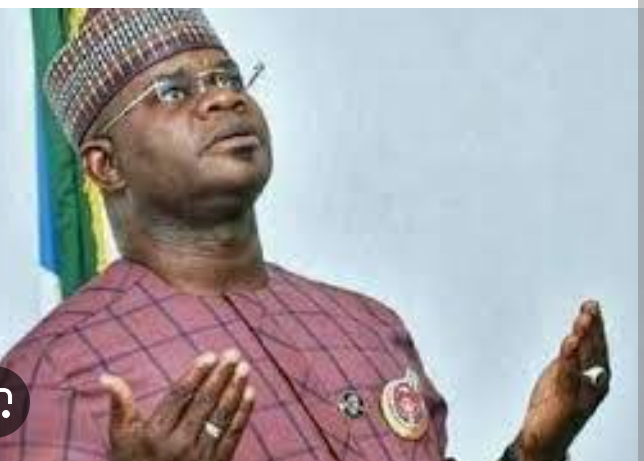
Proceedings in the case involving former Kogi State governor, Yahaya Bello, were on Thursday adjourned till May 6, 2026, by Justice Emeka Nwite of the Federal High Court, Abuja.
At the resumed hearing, counsel to the Economic and Financial Crimes Commission, EFCC, Kemi Pinheiro, SAN, represented the prosecution, while Bello was represented by his lead counsel, Mr Joseph Daudu.
During proceedings, the prosecution informed the court of the need for more time to respond to applications filed by the defence, while Bello’s legal team urged the court to consider their submissions and move the matter forward.
Justice Nwite, in his ruling, adjourned the case to May 6 to allow all parties to adequately prepare and ensure a fair hearing.
Mr Bello is currently facing charges bordering on alleged financial misappropriation during his tenure as governor, allegations he has repeatedly denied.
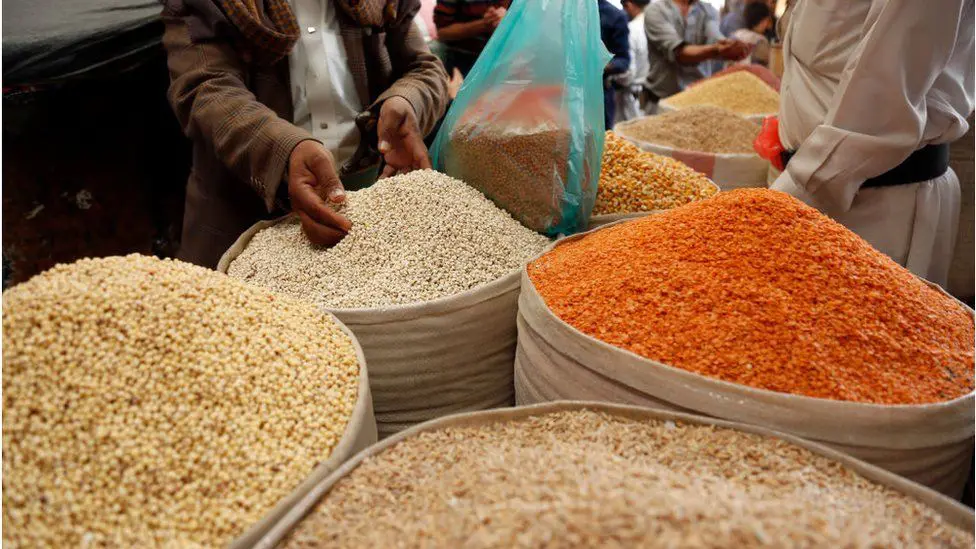
Nigeria is set to experience one of the highest increases in food insecurity worldwide in 2026, according to the latest Global Report on Food Crises released on April 24, 2026.
The report, compiled by agencies including the Food and Agriculture Organization and World Food Programme, raised fresh concerns over worsening hunger levels driven by insecurity, economic hardship and declining humanitarian funding.
According to FAO findings, about 4.1 million additional Nigerians could fall into acute food insecurity in 2026, placing the country among those with the largest increases globally.
Reacting to the development, President of the International Fund for Agricultural Development, Mr Alvaro Lario, said “the crisis is becoming more prolonged and difficult to contain”.
“We are no longer seeing just temporary shocks, but persistent shocks over time,” warning that the situation is placing growing pressure on global stability.
FAO noted that about 266 million people across 47 countries face high levels of acute hunger in 2025, with conditions expected to remain severe into 2026.
In Nigeria, the situation is being worsened by continued insecurity in key farming regions, rising inflation and limited access to food.
According FAO projections, over 34 million Nigerians may experience crisis level hunger between June and August 2026, during the peak of the lean season.
The FAO Country Representative in Nigeria, Mr Hussein Gadain, said the combined impact of armed conflict, climate shocks, high food prices and cuts in global aid funding is pushing more Nigerians into hunger.
The report called for urgent and sustained intervention, warning that without immediate action, millions more could slide into emergency levels of food insecurity in the coming months.

BREAKING: Benue boils again as bandits invade palace, kill monarch ,wife, son three others

Yahaya Bello to know fate on May 6 as Court adjourns financial infractions case

Nigeria set to record largest surge in food insecurity globally in 2026-Reports




-
 Metro22 hours ago
Two Injured as Police Foil Kidnapping Plot in Ibadan
-

 News22 hours ago
Tight Security as Court Arraigns Suspects Over Jos Killings
-

 News22 hours ago
Tinubu Unveils ₦25 Trillion Pension Fund to Strengthen Workers’ Retirement Security
-

 News22 hours ago
OAU Medical Student Slumps, Dies During Clinical Examination
-

 Politics22 hours ago
Lagos 2027: Obasa Hosts Hamzat,Promises Support For Governorship Bid
-

 News22 hours ago
$516m loan request: Tinubu’s borrowing bonanza mortgaging Nigeria’s future
-

 News22 hours ago
Ex-footballer Jailed 3 Years For Rape
-
 Politics22 hours ago
APC shifts presidential primary to May 23, 2026, releases revised 2027 election timetable