Connect with us

Economy

Nigeria’s foreign reserves now at five-year high of $43bn – CBN

Published

on

ADVERTISEMENT
Zoom Ad
ADVERTISEMENT
Zoom Ad

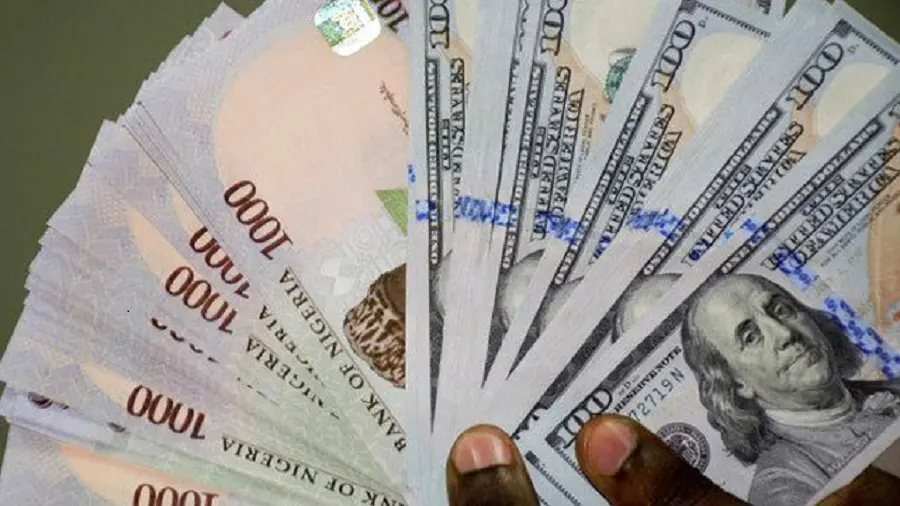
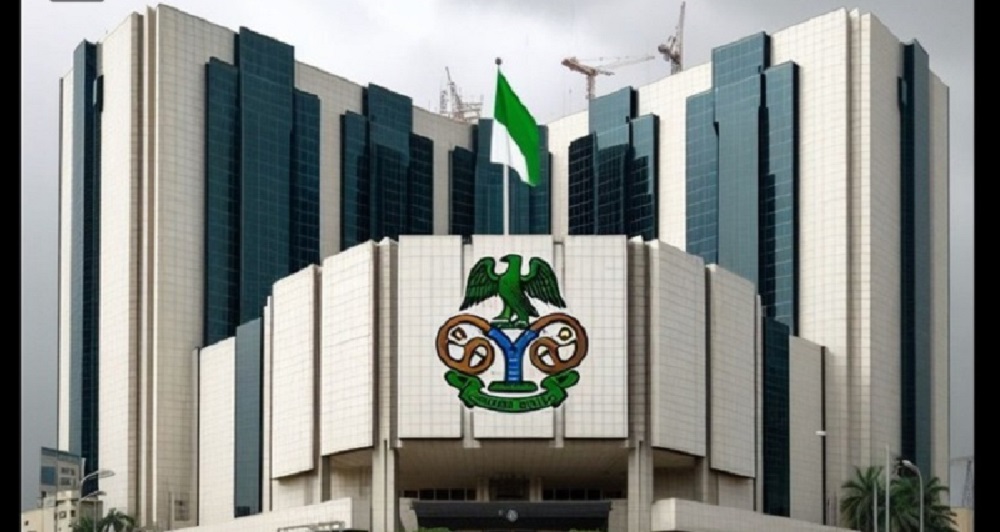
The Central Bank of Nigeria (CBN) has announced that the country’s foreign exchange (FX) reserves have climbed to a five-year high of $43.4 billion, despite recent efforts to clear FX backlogs and stabilise the currency market.


The disclosure was made by Mohammed Abdullahi, the CBN Deputy Governor for Economic Policy, during the Nigeria Investors Forum held in Washington, D.C., United States, on the sidelines of the IMF–World Bank Annual Meetings. Abdullahi led discussions on Nigeria’s economic outlook and reform progress.

“Our gross reserves are at a five-year high of $43.4 billion as of October 10, enough to cover 11 months of imports,” Abdullahi said. “This growth comes after clearing FX backlogs and improving liquidity across the market.”

He noted that the naira has remained stable, with the exchange rate premium between the official and parallel markets narrowing to less than 3 percent, compared to over 50 percent in 2022.

Advertisement

Abdullahi also revealed that inflation has declined to 18.02 percent, the lowest level in three years, while capital inflows and remittances have continued to strengthen Nigeria’s balance of payments.

He emphasised that the CBN remains committed to orthodox monetary policy, transparency in FX management, and close coordination with fiscal authorities to sustain macroeconomic stability.

Also speaking at the forum, Olayemi Cardoso, the Governor of the Central Bank of Nigeria, said the increase in external reserves demonstrates renewed investor confidence and the positive impact of ongoing economic reforms.

“The rise in external reserves reflects the cumulative effect of fiscal and monetary coordination, improved FX flows, and renewed trust in Nigeria’s policy direction,” Cardoso said. “Nigeria’s focus remains clear; strengthening our fundamentals, advancing reforms, and unlocking opportunities for sustainable investment and growth.”

Advertisement

He added that the CBN and the Ministry of Finance have been working “hand in hand” to stabilise macroeconomic indicators, rebuild buffers, and restore transparency in monetary policy.

Cardoso concluded that sound macroeconomic management is beginning to yield tangible results, stressing that “there’s a strong correlation between disciplined economic management, growth, and disinflation.”

Continue Reading
Advertisement

Economy

NCC unveils incentives for local smartphone production

Published

on

By

ADVERTISEMENT
Zoom Ad
ADVERTISEMENT
Zoom Ad

The Nigerian Communications Commission (NCC) has unveiled a package of incentives aimed at encouraging the local manufacture of smartphones, tablets and other telecommunications equipment as part of efforts to make digital devices more affordable and expand access to technology across the country.

Chairman of the NCC Governing Board, Chief Idris Ibikunle Olorunnimbe, said the Commission was taking a more active role in driving industrial growth by creating an enabling environment for investors to establish device manufacturing plants in Nigeria.

He said the initiative would be backed by policy measures, including tax holidays and streamlined customs processes, to lower production costs and boost local manufacturing capacity.

According to Olorunnimbe, effective regulation remains essential to ensuring consumers have access to quality and affordable digital devices.

Advertisement

“Regulation and market integrity are what make a market affordable in the first place. They are the precondition for it. A phone is only truly cheap if it is real, if it is safe, if it connects properly, and if it carries a warranty the buyer can rely on,” he said.

He observed that while Nigeria has recorded significant improvements in telecommunications coverage, the high cost of smartphones continues to limit digital participation for many citizens.

The NCC chairman said reducing the cost of devices would complement ongoing investments in network infrastructure and help bridge the country’s digital divide.

He also called for a shift from the traditional model of outright phone purchases, saying more flexible financing arrangements would make devices accessible to a larger segment of the population.

Advertisement

“Retire the assumption that a Nigerian must buy a phone outright, in one payment, on the day. That is not how it works anywhere else in the world,” he added.

As part of the broader strategy, Olorunnimbe said locally manufactured smartphones, routers and MiFi devices would be integrated into the Commission’s digital inclusion initiatives.

He explained that the devices are expected to come with built-in links to educational platforms under the NCC’s zero-rated education programme, allowing students and other users to access learning materials without incurring data charges.

The devices will also feature direct access to key government digital services, including civic registration, tax administration and e-health platforms, to improve citizens’ access to essential public services.

Advertisement

According to him, the initiative is designed not only to expand internet access but also to ensure that digital connectivity translates into better educational opportunities, improved public service delivery and greater economic participation.

The NCC said the policy reflects its commitment to promoting indigenous technology development while supporting Nigeria’s drive towards a more inclusive and self-reliant digital economy.

Continue Reading

Economy

SEE Black Market Dollar To Naira Exchange Rate Today 24th June 2026

Published

on

ADVERTISEMENT
Zoom Ad
ADVERTISEMENT
Zoom Ad

See Exchange Rate As Naira Gains 0.07%

The Black Market Dollar-to-Naira Exchange Rate for 24th June 2026 Can Be Accessed Below.

NOTE: The exchange rate changes hourly. It depends on the volume of dollars available and the Demand. This means…you can buy or sell 1 dollar at a certain rate, and the price can change (high or low) within hours.

The official naira black market exchange rate in Nigeria today, including the Black Market rates, Bureau De Change (BDC), and CBN rates.

Advertisement

Note that the exchange rate is subject to hourly fluctuations influenced by the supply and demand of dollars in the market.

What’s the dollar to naira black market today, 24th June 2026?

The exchange rate for a dollar to naira at Lagos Parallel Market (Black Market) players sell a dollar for ₦1395 and buy at ₦1385 on Wednesday, 24th June, 2026, according to sources at Bureau De Change (BDC).
Please note that the Central Bank of Nigeria (CBN) does not recognize the parallel market (black market), as it has directed individuals who want to engage in Forex to approach their respective banks.

Dollar to Naira Black Market Rate Today
Dollar to Naira (USD to NGN) Black Market Exchange Rate Today
Selling Rate ₦1395
Buying Rate ₦1385
Dollar to Naira CBN Rate Today
Dollar to Naira (USD to NGN) CBN Rate Today
Highest Rate ₦1375
Lowest Rate ₦1365

Advertisement
Continue Reading

Economy

SEE Dollar to Naira exchange rate today, June 23, 2026

Published

on

ADVERTISEMENT
Zoom Ad
ADVERTISEMENT
Zoom Ad

The Nigerian naira traded at relatively stable levels against the United States dollar on Tuesday, June 23, 2026, across both the official and parallel foreign exchange markets, as market participants continued to monitor liquidity conditions and foreign exchange demand.

Latest data from the Nigerian Foreign Exchange Market (NFEM) showed that the naira exchanged at approximately ₦1,366.41 per dollar at the official market. The NFEM rate, which is published by the Central Bank of Nigeria, represents the volume-weighted average exchange rate for the day.

The official exchange rate has remained within the ₦1,350-₦1,370 range in recent weeks, supported by improved liquidity and sustained foreign portfolio inflows into local assets.

In the parallel market, also known as the black market, the dollar traded at around ₦1,400 for buying and between ₦1,410 and ₦1,420 for selling, depending on location and dealer quotations.

Advertisement

The spread between the official and parallel market rates remained relatively narrow compared with previous years, reflecting ongoing reforms aimed at improving transparency and efficiency in Nigeria’s foreign exchange market.

Currency traders said demand for dollars from importers, travellers and businesses remained steady, although the naira has benefited from increased confidence in the foreign exchange market and improved dollar supply.

Analysts noted that exchange rates could continue to fluctuate in response to changes in foreign exchange inflows, global oil prices and domestic economic conditions.

As of the prevailing rates, $100 would exchange for about ₦136,641 at the official NFEM window, while the same amount could fetch between ₦141,000 and ₦142,000 in the parallel market.

Advertisement

Foreign exchange rates remain subject to intraday movements and may vary across banks, bureaux de change operators and other market participants.

Continue Reading

Trending

Copyright © 2024 Naija Blitz News