Connect with us

News

Speaker Abbas Says Actualisation of Nigeria’s Trillion-Dollar Economy Lies In SMEs

Published

on

ADVERTISEMENT
Zoom Ad
ADVERTISEMENT
Zoom Ad

By Gloria Ikibah

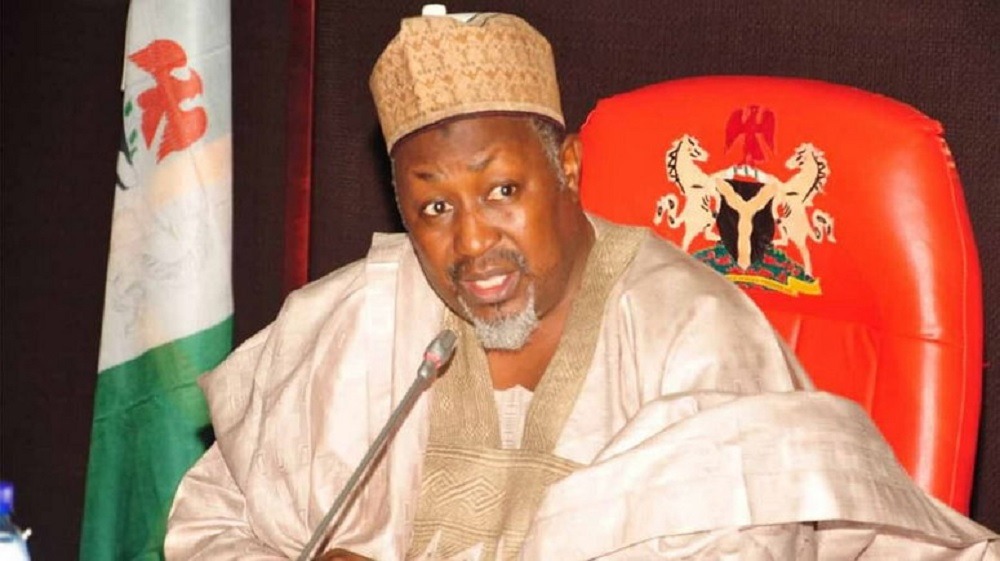
Speaker of the House of Representatives, Rt. Hon. Tajudeen Abbas, has said that deliberate policy interventions and institutional coordination are critical for the success of any economy.

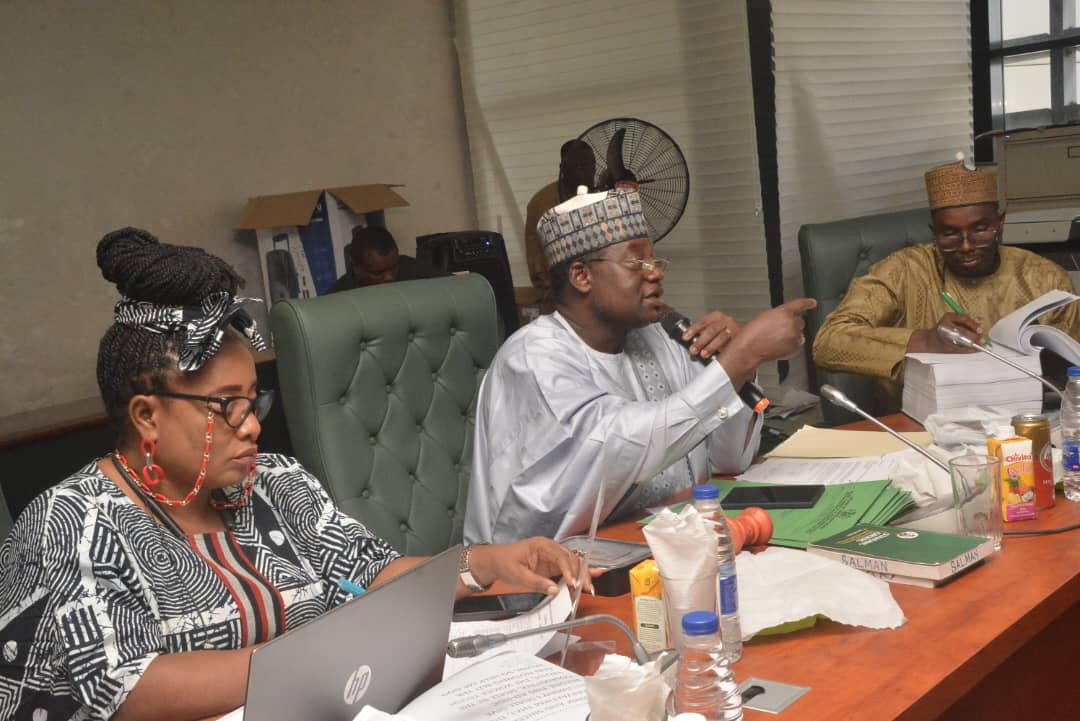
Speaker Abbas who stated this during the Enterprise Nexus Summit, held on Monday in Abuja, with the theme “Strengthening Local Enterprise Through Policy Support and Access”.

He said Nigeria’s journey toward a trillion-dollar economy is dependent on the growth and empowerment of small and medium-sized enterprises (SMEs).

Advertisement

The speaker who was represented by Deputy Speaker, Rt. Hon. Benjamin Kalu, said the summit was designed as a working platform where policy, ambition and opportunity meet in one room to produce outcomes measurable in livelihoods.

He lamented that despite Nigeria’s entrepreneurial potential, structural gaps in access to finance, infrastructure, technology, and supportive policies have hindered SMEs from reaching their full potential.

According to him, Nigeria’s entrepreneurs have never lacked ideas or courage, but lacked a system designed to match their energy.

The speaker said: “Renewed Hope Agenda aims to propel Nigeria into a trillion dollar economy in the next five years through the facility of small and medium scale enterprises. Global economic reports already show that small and medium-sized enterprises (SMEs) account for over 90 per cent of businesses worldwide, contributing nearly 70 per cent of employment in many developing economies.

Advertisement

“The PriceWaterhouseCooper’s 2024 survey in Nigeria shows that SMSEs account for over 84 per cent of businesses and contribute about 48 per cent to the National Gross Domestic Product (GDP), and make up 96.8 per cent of total number of registered businesses in Nigeria.

“Sadly, whole half of these businesses fail within their first year of operation largely because of poor access to formal credit, poor infrastructure, poor access to technology, and poor management skills.

“As we have noted, in order to address these identifiable challenges, policy support is important. Governments must enact, and implement, reforms that incentivise financial institutions to lend to SMEs. However, policy support extends beyond access to credit. It encompasses regulatory environments that nurture rather than stifle growth. If our regulatory environment is burdened with complex licensing, high compliance costs, and opaque tax systems, we would only be stopping the growth of SMEs.”

He also urged that policies must be inclusive, to empower women, youth, rural artisans, and underserved communities.

Advertisement

Speaker Abbas outlined legislative measures currently underway to strengthen SMEs.

These, according to him, include the Innovation and Entrepreneurship Support Bill, 2025, which proposes a national framework for innovation hubs, tax incentives for tech startups, and private sector mentorship partnerships.

He said concurrently, the Senate’s amendment to the Nigerian Export-Import Bank Act (NEXIM), 1991, seeks to unlock $1 billion in trade opportunities for small-scale exporters, particularly in agriculture and manufacturing.

Other reforms, according to Abbas include the Factoring and Invoice Discounting Bill, designed to convert SME receivables into immediate working capital, and the Nigeria Tax Act 2025, which provides zero percent Companies Income Tax for small businesses with annual turnover under N100 million.

Advertisement

He noted the link between economic empowerment and youth development, and said that providing young Nigerians with viable economic opportunities, will reduce vulnerability to drug abuse, aligning with the National Drug Law Enforcement Agency (NDLEA) initiatives.

“Economic empowerment is a powerful tool for drug-use prevention. When young people are engaged in meaningful work, the possibility and incentive to experiment with substances reduces dramatically,” he said.

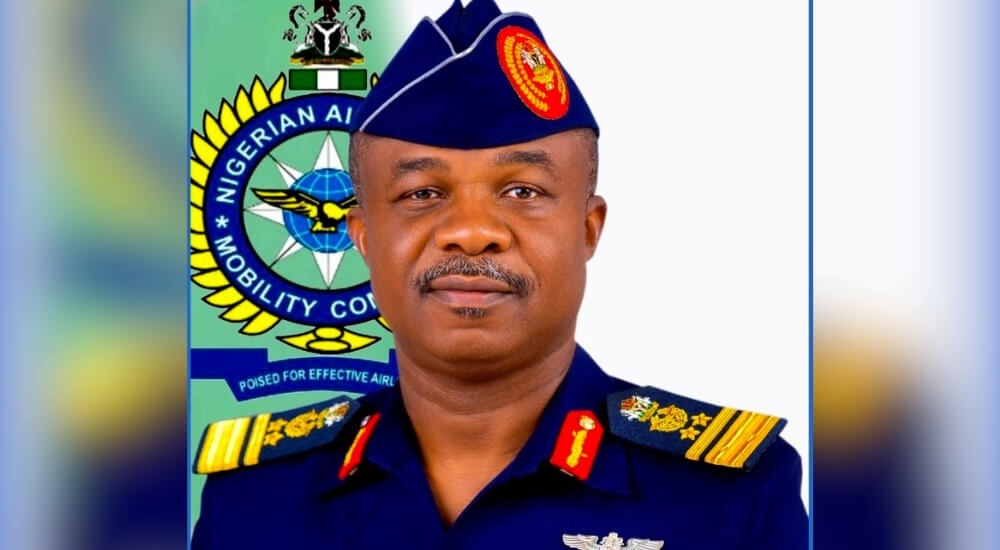
Chairman of the National Drug Law Enforcement Agency (NDLEA), Brig. Gen. Mohammed Buba Marwa, (Rtd), explained that there is a strong link between youth empowerment and drug abuse prevention.

Marwa, who was represented by the Director of Prevention and Sensitisation, Assistant Commander General of Narcotics, Dankolo Mohammed, said that while Nigerian youths possess enormous creativity and potential, many face structural barriers that hinder their journey to sustainable livelihoods.

Advertisement

According to him, these challenges are compounded by rising threats of drug and substance abuse, which undermine both individual prospects and the broader future of the country.

Citing the 2018 UNODC National Drug Use Survey, he noted that about 14.3 million Nigerians aged 15 to 64, approximately 14.4 percent, had used psychoactive substances in the preceding year.

He warned that the prevalence rate, nearly triple the global average, is concentrated among those aged 18 to 35, the nation’s most economically active population comprising entrepreneurs, innovators, and future leaders.

He explained that young people who use drugs face barriers to treatment and rehabilitation, including stigma, inadequate support systems, and limited access to services.

Advertisement

He saif that while the NDLEA strengthened supply reduction efforts, tackling demand is equally crucial.

He pledged continued collaboration with the National Assembly and partners to strengthen youth-friendly entrepreneurship programs, expand access to drug education, support community-based rehabilitation, and incentivize private sector participation in youth employment.
Continue Reading
Advertisement

News

Video: Sowore collapses after police tear-gassed Abuja protesters

Published

on

By

ADVERTISEMENT
Zoom Ad
ADVERTISEMENT
Zoom Ad

Human rights activist and former presidential candidate, Omoyele Sowore, has reportedly collapsed and was subsequently taken to a hospital following a confrontation with the Nigerian police during a Democracy Day protest.

Witnesses at the scene alleged that Sowore collapsed after police operatives moved to disperse protesters gathered to demonstrate against insecurity, economic hardship and what they described as poor governance, at the Phase 1 Bridge before Federal Secretariate.

The protest, which attracted scores of activists and civil society groups, was disrupted after security personnel deployed tear gas canisters in an apparent attempt to break up the gathering.

It was reported that chaos erupted as protesters scampered for safety amid clouds of tear gas. In the confusion, Sowore was reportedly affected by the tear gas and subsequently lost consciousness.

Advertisement

Supporters and fellow activists immediately rushed to his aid and evacuated him from the protest ground. Sources close to the activist said he regained consciousness while being transported away from the scene in a vehicle.

Following the incident, Sowore has now been reportedly taken to an undisclosed hospital for further examination and treatment.

The incident heightened tensions at the Democracy Day protest, where demonstrators had gathered to express concerns over rising insecurity, economic challenges and governance issues in the country.

Watch video below:

Advertisement

Continue Reading

News

2027: We’re Focused On Taking Aso Rock – NDC Dismisses ‘Crisis’ Reports

Published

on

By

ADVERTISEMENT
Zoom Ad
ADVERTISEMENT
Zoom Ad

The Nigeria Democratic Congress, NDC, has said it is focused on taking over Aso Rock in 2027.

The party made the assertion in a statement posted on its verified X handle on Friday.

The statement insisted that there is no crisis in the party as widely reported.

This is coming after the national leader of the party, Seriake Dickson, on Friday held a closed-door meeting with the presidential candidate, Peter Obi.

Advertisement

“There are no issues in the NDC.

We are focused on taking Aso Rock,” the statement said.

Speaking on the meeting with Obi, Dickson said they reviewed activities of party and discussed recent issues that have been a source of concern to all sides.

He said all the issues were amicably resolved.

Advertisement

According to him, the party’s members would continue to consult and engage with one another to address and resolve all concerns and strengthen their unity.

Continue Reading

News

Uzodinma Releases N300 Million Support For South Africa Returnees, Imo Law Students

Published

on

By

ADVERTISEMENT
Zoom Ad
ADVERTISEMENT
Zoom Ad

Imo State Governor, Hope Uzodimma, has approved the release of ₦300m to support Imo indigenes studying at the Nigerian Law School and returnees from South Africa.

Under the arrangement, 250 Imo indigenes who returned from South Africa will receive ₦1m each to support their rehabilitation and reintegration into society.

Also, 100 Imo students at the Nigerian Law School will receive ₦500,000 each to help them cope with the rising cost of living.

The state Commissioner for Information, Public Orientation and Strategy, Declan Emelumba, disclosed this in a statement issued in Owerri, the state capital.

Advertisement

Emelumba said the governor approved the intervention after considering the difficult circumstances faced by the beneficiaries.

According to him, the law students had appealed to the governor for support following the rising cost of living and other financial pressures affecting their studies.

“The law students made a passionate appeal to His Excellency to support them to cushion the global inflation as regards the cost of living. As a caring father, he responded promptly,” the commissioner said.

He added that the governor considered the request urgent and necessary because of the importance of supporting young Imo indigenes pursuing professional education.

Advertisement

The commissioner said the support for the South Africa returnees was approved out of empathy for the affected indigenes.

He explained that the governor believed the returnees, who had gone through difficult experiences, needed immediate assistance to help them settle down again.

According to Emelumba, the ₦1m support for each of the 250 returnees was approved as a reintegration fund.

He said Uzodimma was convinced that the returnees needed a helping hand from the state government to enable them to rebuild their lives and reintegrate into society with minimal hardship.

Advertisement

Emelumba said the gesture was in line with the shared prosperity agenda of the Uzodimma administration.

He noted that the governor remained committed to the welfare of Imo citizens, whether within or outside the state.

According to him, the administration’s focus is not limited to infrastructure but also includes social support for citizens facing hardship.

He said the governor had continued to demonstrate that every Imo citizen mattered under his administration’s development plan.

Advertisement

Speaking further, the commissioner said this was not the first time Uzodimma would be supporting Imo students at the Nigerian Law School.

He said many of the students were already beneficiaries of the state government’s scholarship scheme.

“Most of them are on the scholarship list of the state government, and from time to time, the governor extends a helping hand to them,” Emelumba added.

He said the latest approval was another demonstration of the governor’s commitment to education, youth development and the welfare of Imo indigenes in difficult circumstances.

Advertisement
Continue Reading

Trending

Copyright © 2024 Naija Blitz News