By Gloria Ikibah


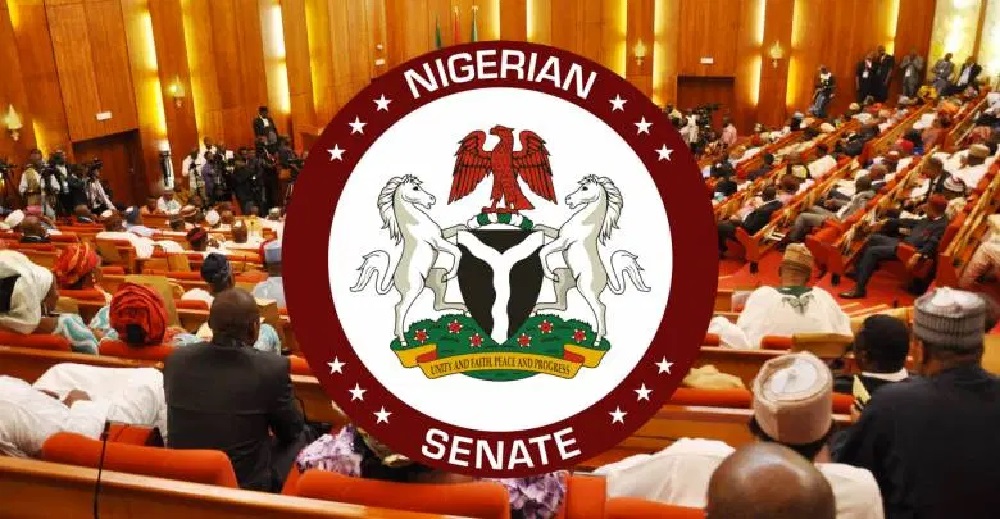
The House of Representatives Ad-hoc committee Investigating Multi-billion-naira Power Sector Reforms on Tuesday questioned senior officials of the Transmission Company of Nigeria (TCN), bringing to light the widening gap between the country’s installed power capacity and the electricity that actually reaches homes and businesses.
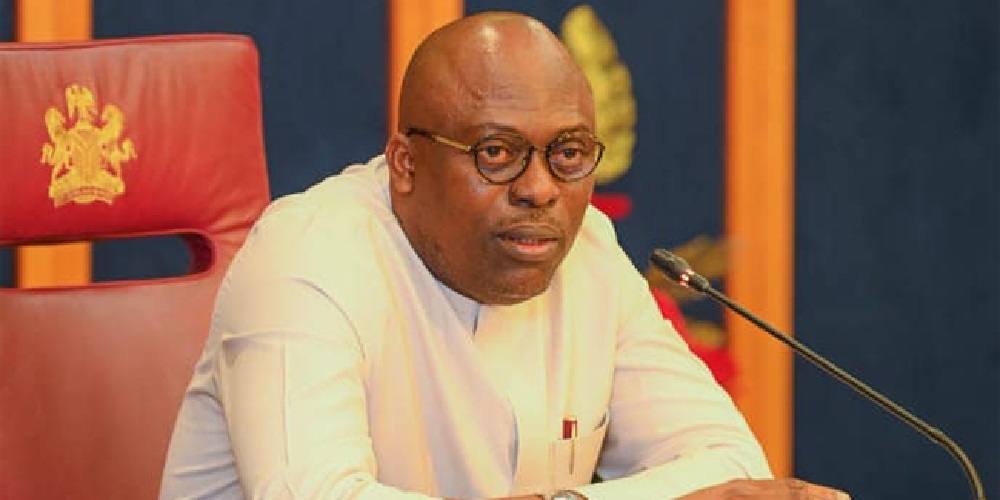
The TCN Managing Director, Dr Sule Ahmad Abdulaziz, who appeared before the committee chaired by Rep. Ibrahim Aliyu, on Tuesday in Abuja, dismissed long-held assumptions that Nigeria currently generates 13,000 megawatts of power. He explained that the figure often quoted represents installed capacity rather than what the national grid has ever delivered. 
He said: “The highest ever generated this year was 5,801MW. Nigeria has never produced 13,000MW on the national grid. That number is installed capacity, not generated capacity.”
The TCN boss said the National Control Centre, which compiles and verifies daily generation and dispatch data, remained under TCN’s direct supervision until April 2024, ensuring the accuracy of the company’s records.
Member of the committee, Rep. Abubakar Fulata, queried on why only around 6,000MW is typically transmitted despite claims of higher available generation, but Abdulaziz maintained that TCN has always been able to move whatever power is produced.
“Our transmission capacity today is 8,600MW. At no time has power been generated that TCN could not evacuate. Anyone claiming otherwise should produce the data”, he said.
TCN’s Executive Director of Finance also told lawmakers that the company is grappling with huge debts owed by electricity distribution companies.
He highlighted N217 billion in electricity subsidy debt from January 2015 to December 2020, now taken over by the Federal Government, and N450 billion owed by DisCos from January 2021 to date. The committee has requested documents to verify the figures.
Addressing recent controversies over grid instability, a senior system operations official reported that the company recorded 11 grid collapses rather than the 22 or 23 frequently cited. He said six of the incidents stemmed from generation issues, including gas shortages, four were linked to vandalism of transmission towers causing abrupt load loss, and one resulted from distribution network failures triggered by rainfall-induced feeder trips.
He emphasised that all three segments generation, transmission and distribution can trigger system collapse, adding that the Nigerian Electricity Regulatory Commission (NERC), with Central Bank support, had implemented Service Level Agreement (SLA) interventions to address systemic bottlenecks.
TCN officials further disclosed the company has over 100 ongoing transmission projects, many of which are 65%–90% complete but stalled for lack of funding.
“Power infrastructure cannot be energised at 99%. It must be 100% complete,” an official noted.
“If outstanding debts are paid, we can finish priority projects and strengthen the grid.”
He explained that the Transmission Company of Nigeria is working towards raising its wheeling capacity to 10,000MW by March next year, relying on planned network upgrades and improved grid optimisation based on system simulations.
Committee chairman Rep. Ibrahim Aliyu noted that the briefing helped dispel some of the long-held misunderstandings about the company’s responsibilities within the power sector. However, he voiced concern over the sluggish pace of infrastructure development and said the House would step in at the appropriate time to help correct the situation.