
News
China’s Belt and Road Initiative: Transforming Nigeria and Africa’s Infrastructure Landscape



By Gloria Ikibah
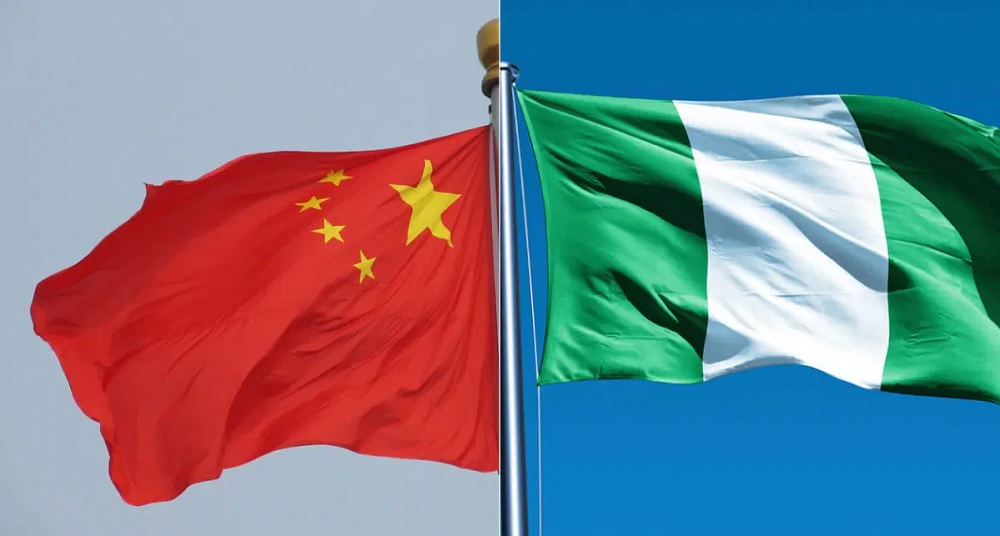
Since Nigeria formally in joined China’s ambitious Belt and Road Initiative (BRI)in September 2018, the global infrastructure and economic cooperation framework has significantly reshaped parts of the nation’s transport networks, trade routes, and public services.
What began as a vision to connect Asia to Europe through vast corridors of rail, road, and maritime routes has expanded its reach across Africa, bringing both opportunities and challenges to countries like Nigeria.
A Strategic Partnership Takes Root
The Belt and Road Initiative, launched by China in 2013, aims to strengthen global connectivity through massive infrastructure projects and deeper economic engagement among participating countries. Over the last decade, China’s engagement with Nigeria and other African nations has grown in scale and complexity. Africa’s infrastructure gaps, from inadequate transport networks to energy deficits have presented opportunities for Beijing to cooperate with local governments on development projects.
Nigeria’s membership in the BRI has unlocked significant investments that align with the country’s development priorities. Chinese financial institutions have been critical partners in funding major projects, particularly in transport and logistics – key sectors for broad economic growth across Africa.
Roads and Railways Linking People and Markets
One of the most visible impacts of the BRI in Nigeria has been the development of rail and road infrastructure financed and constructed with Chinese support. The Kaduna-to-Kano rail line has improved safety, connectivity, and efficiency for passengers travelling through the northern region. In Lagos, China-backed transport initiatives have eased the movement of goods and commuters.
A major new road financed by the China Exim Bank will link the strategic Lekki Deep Sea Port with the Dangote Petroleum Refinery and other southern states, enhancing the flow of goods and underpinning the operations of some of Nigeria’s most important commercial assets.
Ports, Power, and Water: Beyond Transport
BRI investments in Nigeria extend beyond mobility. Facilities like the Lekki Deep Sea Port are poised to become economic game-changers, unlocking hundreds of billions of dollars in value and generating thousands of jobs. Energy infrastructure under the initiative has also expanded, with Chinese-backed funding helping to bring larger power generation projects online.
On the social front, the initiative has contributed to improvements in digital access and educational infrastructure in rural communities.
People’s Views and Economic Benefits
Public sentiment in areas directly affected by major BRI projects has often shifted over time. Communities living near Chinese-built transport infrastructure grew more positive about Chinese involvement after completion of the works, associating the improvements with job creation and increased mobility.
Challenges and Local Perspectives
Despite tangible benefits, the Belt and Road Initiative has its critics. Questions remain about the distribution of economic gains, employment opportunities for local workers, and long-term debt sustainability. Concerns about transparency and community involvement have surfaced in several African states.
What More Can Be Done
Experts suggest practical ways to maximise the benefits of Belt and Road engagement for Nigeria and other African partners:
– Encourage policies that require local content in projects
– Strengthen institutional frameworks for project oversight and transparency
– Target investments that feed into local supply chains and small business development
– Establish formal programmes to train Nigerian professionals in technical and project management roles
– Ensure robust environmental assessments and community engagement
A Balanced Future
China’s Belt and Road Initiative remains a major force in reshaping Nigeria’s infrastructure and economic landscape. The challenge now is to transform these foundations into broad-based, locally anchored benefits that resonate across society.
With thoughtful policies and inclusive partnerships, the promise of the Belt and Road can align with Nigeria’s aspirations for sustainable growth and improved living standards.


The African Democratic Congress (ADC) led by David Mark has written to the Chief Justice of Nigeria, Olukayode Ariwoola, seeking an urgent hearing and judgement from the Supreme Court over the lingering leadership crisis in the party.
In a letter dated April 28, the group urged the CJN to intervene by constituting a panel of the Supreme Court of Nigeria to hear and determine the dispute without further delay.
The group expressed concern that the prolonged legal battle over the party’s leadership has continued to create uncertainty within its ranks, affecting its activities and preparations ahead of future political engagements.
The letter said the matter requires urgent judicial attention in the interest of justice and internal party stability.
“The continued delay in resolving this dispute is detrimental to the party and its members nationwide,” the faction stated.
They further appealed to the CJN to use his constitutional powers to ensure that the case is expedited at the apex court.
The leadership tussle within the ADC has been the subject of multiple legal proceedings, with opposing factions laying claim to the party’s structure and control.
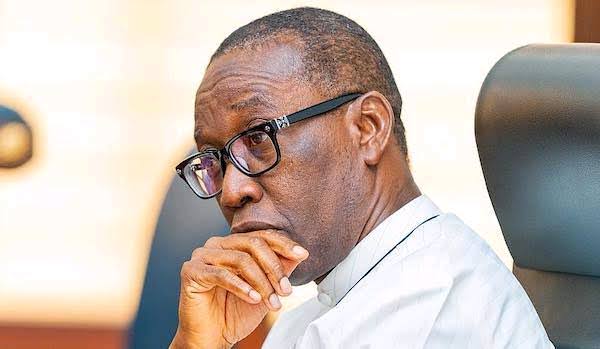
A socio-political group, Friends of Hilary (FOH), has thrown its weight behind the possible return of former Delta State governor, Ifeanyi Okowa, to the Senate, saying his comeback would significantly enhance the quality of representation for Delta North Senatorial District.
In a statement issued on Monday, the group said Okowa’s previous tenure as senator between 2011 and 2015 remains a benchmark in effective and responsive representation. According to FOH, his time in the National Assembly was marked by impactful legislative contributions, grassroots engagement, and consistent advocacy for the socio-economic development of the district.
“Senator Okowa’s previous outing remains a benchmark in Delta North. His possible return to the Senate will not only restore effective representation but also deepen the voice of our people at the national level,” the group stated.
The group noted that Okowa distinguished himself during his earlier stint through the sponsorship of bills and motions aimed at improving healthcare, education, and infrastructure, while also maintaining close ties with his constituents through empowerment initiatives and regular consultations.
FOH further argued that at a time when strategic influence and experience are critical in national politics, Okowa’s network and legislative experience would be invaluable in advancing the interests of Delta North.
The endorsement comes amid growing political permutations ahead of the 2027 general elections, with stakeholders in the district weighing options for stronger and more impactful representation at the National Assembly.
In a significant development for Nigeria’s telecommunications sector, two divisions of the Federal High Court have issued interim injunctions restoring airtime lending services and restraining the enforcement of the contentious regulations introduced by the Federal Competition and Consumer Protection Commission (FCCPC).
The FCCPC had introduced the controversial Digital, Electronic, Online or Non-Traditional (DEON) Consumer Lending Regulations in 2025 prompting the legal action.
The rulings, delivered in Lagos and Abuja, restored services relied upon by millions of Nigerians and offerred relief to licensed Value Added Service providers caught in the dispute.
In Lagos, Justice A. Lewis-Allagoa on April 15, 2026 granted four interim injunctions in suit marked FHC/L/CS/760/2026, filed by the Wireless Application Service Providers Association of Nigeria (WASPA) against the FCCPC.
The court restrained the commission, its officers and agents from enforcing the DEON Regulations, including several key provisions of the framework.
The court further barred the FCCPC from interfering with the operations of WASPA members, imposing sanctions or fines for alleged non-compliance, or issuing directives connected to the enforcement of the regulations and adjourned to 27 April 2026 for further hearing.
Relatedly, the Federal High Court in Abuja on April 24, 2026 granted an interim order in suit marked FHC/ABJ/CS/779/2026 following an ex parte application by Nairtime Holdings Limited and Nairtime Nigeria Limited against MTN Nigeria Communications Plc and Airtel Networks Limited.
The court restrained both telecom operators, their officers and agents from suspending, restricting or otherwise interfering with Nairtime Nigeria Limited’s access to their platforms, including short codes, SMS, USSD and billing services.
The order applies for the duration of Nairtime’s valid licence issued by the Nigerian Communications Commission (NCC) and prevents the operators from relying on the FCCPC regulations as a basis for any disruption.
The applicants had argued that the planned suspension of services was based on a directive linked to the DEON Regulations, despite their compliance with contractual obligations and the absence of any established breach or required notice.
The court found sufficient grounds to grant interim relief pending the determination of the substantive suit.
Taken together, the two rulings effectively place the enforcement of the DEON Regulations on hold, creating a temporary legal framework that allows airtime lending and related services to continue.
The FCCPC is restrained from acting against VAS providers, while telecom operators are prevented from using the regulations to deny licensed operators access to their networks.
The DEON Regulations, introduced by the FCCPC in July 2025, were designed to extend regulatory oversight to unsecured digital lending, including airtime and data credit services.
However, the move triggered strong opposition from industry stakeholders, particularly the Association of Licensed Telecommunications Operators of Nigeria (ALTON), which argued that the regulations encroached on the statutory mandate of the NCC, created overlapping compliance obligations and conflicted with an existing memorandum of understanding between both regulators.
ALTON had raised these concerns with the NCC as far back as August 2025, warning that unresolved jurisdictional conflicts could disrupt the market.
The current litigation and its consequences appear to have validated those concerns.
Although the rulings provide immediate relief for operators and consumers, they remain interim measures.
The substantive suits before the courts will ultimately determine the legality and scope of the FCCPC’s authority over digital lending within the telecommunications sector. (Guardian)

Mark’s ADC writes CJN, wants urgent Supreme Court judgement

2027: FOH Endorses Okowa, Says Delta North Needs Him

Court orders MTN, AIRTEL to resume airtime lending services




-

 News16 hours ago
Xenophobia: Two Nigerians K!lled in South Africa
-
 Entertainment16 hours ago
Veteran Nollywood Actor Dies In His Sleep
-

 News16 hours ago
Sowore mocks Malami at court, says ‘ You see how it feels now to be persecuted’
-

 News12 hours ago
EXPOSED! Senator Kingibe Allegedly Collected $65,000 For A Contract That Never Existed, Dragged To ICPC As Bizman Insists She Used Her Office To Defraud Him
-

 Politics16 hours ago
Ekiti 2026: Oyebanji’s Re-Election Already Won, Says APC Chairman, Yilwatda, Governors
-

 News11 hours ago
US Considering Latest Iranian Proposal
-

 Politics16 hours ago
Senator Natasha Declares Second Term Bid, Set To Battle Ex-Governor Yahaya Bello In Kogi Central
-
 News24 hours ago
2027: Obi, Igbo leaders, consult with Jonathan in a closed-door meeting in Abuja