By Kayode Sanni-Arewa


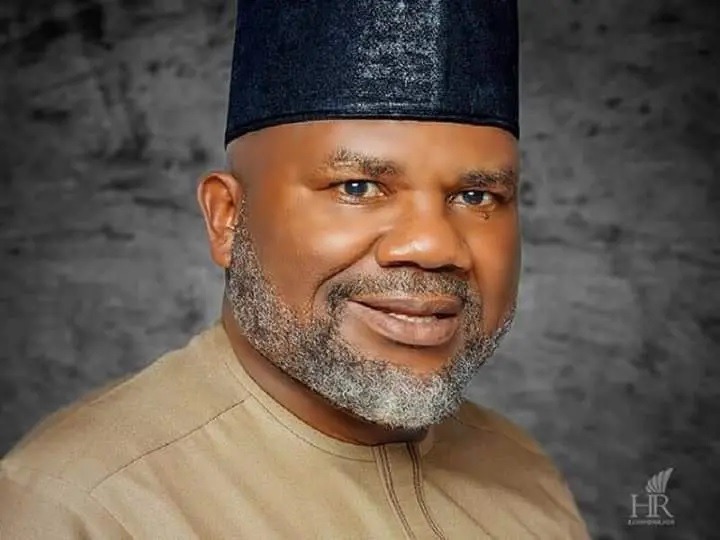
Kano State Governor, Abba Kabir Yusuf, has formally resigned from the New Nigeria People’s Party (NNPP), dealing a major blow to the political structure built around the party in Kano and raising fresh questions about the future of the Rabiu Musa Kwankwaso–led movement.
The governor’s resignation, which takes effect from January 25, 2026, was announced on Friday in a statement issued by his spokesperson, Sunusi Bature Dawakin Tofa. 
According to the statement, Yusuf communicated his decision in a letter addressed to the Chairman of the NNPP in Diso-Chiranchi Ward, Gwale Local Government Area, where he is registered as a party member.
In the letter, Governor Yusuf expressed appreciation to the NNPP for providing him with a political platform and for the support he received from party leaders and members across Kano State since 2022. However, he said persistent leadership crises, unresolved internal disputes, and protracted legal battles within the party had made it impossible for him to continue under the NNPP banner.
The growing disenfranchisement among party members has created deep divisions within the party structure, resulting in cracks that appear increasingly irreconcilable and have generated uncertainty at both state and national levels,” Yusuf wrote. He noted that the situation had weakened internal cohesion and distracted the party from its core mission of governance and service delivery.
The governor explained that his decision followed careful reflection and extensive consultations, stressing that it was taken in what he believes to be the best interest of the people of Kano State. He added that his resignation was made in good faith and without bitterness, reaffirming his commitment to peace, unity, and the overall development of the state.
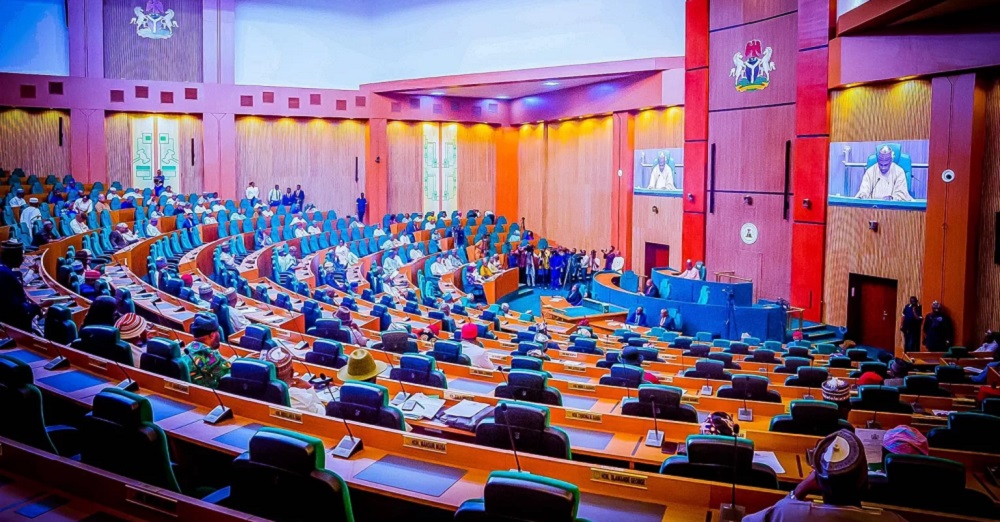
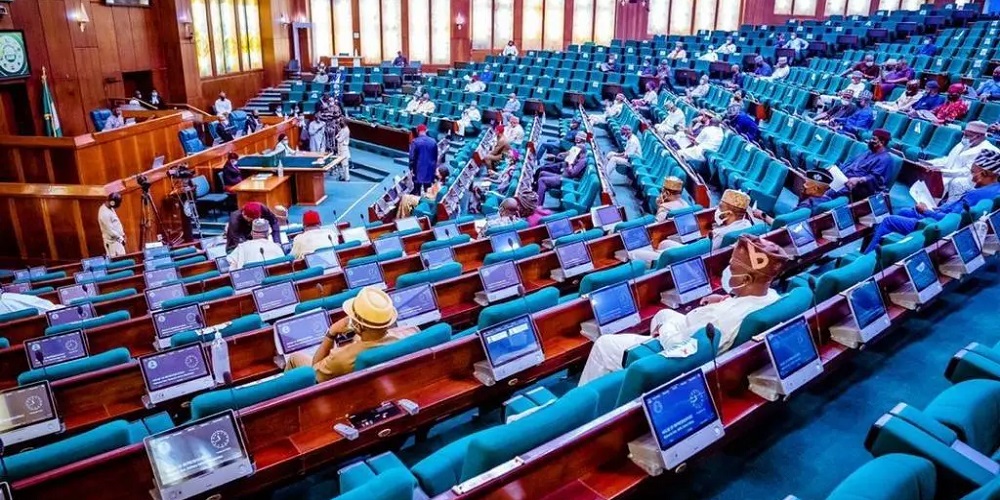
Yusuf’s exit from the NNPP has triggered a massive wave of defections that further exposes the scale of the crisis within the party. Alongside the governor, no fewer than 21 members of the Kano State House of Assembly also resigned from the NNPP. In addition, eight members of the House of Representatives elected on the party’s platform, as well as 44 local government chairmen across the state, have followed suit
The coordinated nature of the resignations suggests a deep-rooted dissatisfaction within the party’s ranks, particularly in Kano, which has been the NNPP’s strongest political base since the 2023 general elections. Political observers say the development represents one of the most significant internal collapses of a ruling party structure in the state’s recent history.
Hon. Kabiru Zubairu, the NNPP Secretary of Diso-Chiranchi Ward, confirmed receipt of Governor Yusuf’s resignation letter and acknowledged the difficulty the party faces in managing the unfolding crisis. He described Yusuf as one of the most impactful governors produced by the NNPP and admitted that the party was struggling to contain the situation.
“We are trying our best to contain the ongoing crisis, but we have no option than to accept the resignation of one of the most performing governors of the NNPP,” Zubairu said. He praised Yusuf’s record in office, highlighting achievements in infrastructure development, urban renewal, healthcare delivery, education reforms, and economic empowerment initiatives across Kano State.
Governor Yusuf came into office in 2023 under the NNPP platform after a keenly contested election that restored the Kwankwasiyya political movement to power in Kano. His administration has since focused on reviving abandoned projects, improving public healthcare facilities, expanding access to education, and addressing urban decay in Kano metropolis. Supporters argue that his performance strengthened the NNPP’s grip on the state, making his departure even more consequential.
The crisis within the NNPP has been brewing for months, fueled by leadership tussles, court cases over party control, and disagreements among key stakeholders at both the state and national levels. These disputes have often spilled into the public space, creating uncertainty and weakening party discipline. Analysts say the inability of the party’s leadership to resolve these issues may have pushed Yusuf and other elected officials to seek political alternatives.
While Governor Yusuf did not announce his next political destination in his resignation letter, speculation is already rife that he and his supporters may be preparing to align with another major political platform ahead of future elections. The mass resignation of lawmakers and local government chairmen suggests that whatever decision Yusuf takes next could significantly reshape Kano’s political landscape.
For the NNPP, Yusuf’s exit represents a major setback. Kano has been the party’s most visible stronghold and the center of its national relevance. Losing a sitting governor, along with a substantial number of elected officials, could weaken the party’s influence not only in the state but also at the national level.
As the dust settles, attention will likely shift to how the NNPP leadership responds to the crisis and whether efforts will be made to reconcile aggrieved members or reorganize the party structure. Meanwhile, Kano residents and political watchers will be keenly observing Governor Yusuf’s next move, which could redefine political alignments in the state and beyond.
What is clear for now is that the resignation of Governor Abba Kabir Yusuf and dozens of NNPP officeholders marks a turning point in Kano politics, underscoring the fragility of party unity in Nigeria’s often turbulent political environment.