Health
Ebola outbreak will get worse as cases rise in DRC, Uganda – WHO
- /home/naijuinz/public_html/wp-content/plugins/mvp-social-buttons/mvp-social-buttons.php on line 27
https://naijablitznews.com/wp-content/uploads/2026/05/who.jpg&description=Ebola outbreak will get worse as cases rise in DRC, Uganda – WHO', 'pinterestShare', 'width=750,height=350'); return false;" title="Pin This Post">
- Share
- Tweet /home/naijuinz/public_html/wp-content/plugins/mvp-social-buttons/mvp-social-buttons.php on line 72
https://naijablitznews.com/wp-content/uploads/2026/05/who.jpg&description=Ebola outbreak will get worse as cases rise in DRC, Uganda – WHO', 'pinterestShare', 'width=750,height=350'); return false;" title="Pin This Post">
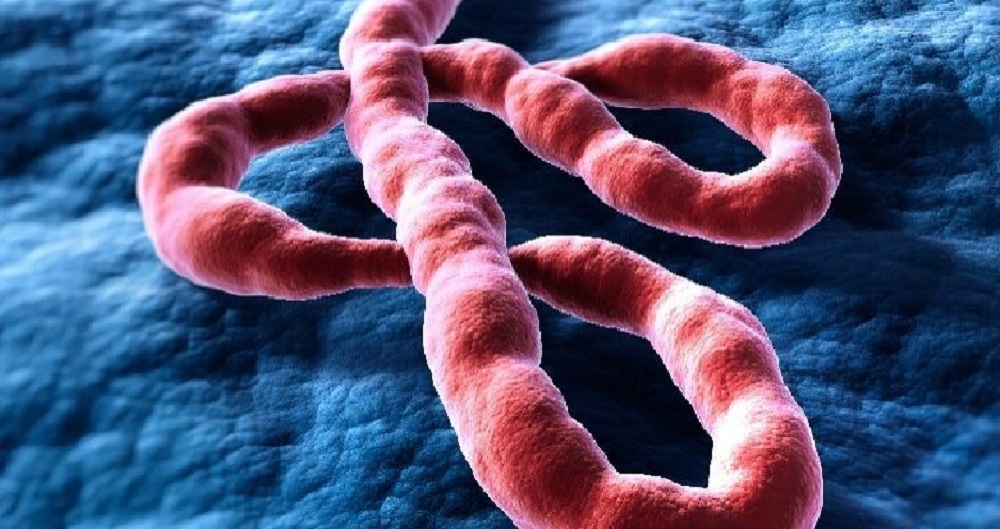
The World Health Organisation, WHO, on Monday raised fresh alarm over the rapidly spreading Bundibugyo Ebola outbreak in the Democratic Republic of Congo, DRC, and neighbouring Uganda, warning that the epidemic is outpacing response efforts and could worsen in the coming weeks.

Speaking at a virtual ministerial briefing convened by the Africa Centres for Disease Control and Prevention, WHO Director-General Tedros Ghebreyesus described the outbreak as extremely serious and difficult, revealing that more than 900 suspected cases and 220 suspected deaths have already been recorded in DRC.
“So far, 101 cases have been confirmed in DRC, with 10 confirmed deaths. But we know the epidemic in DRC is much larger. In the early hours of Sunday, May 17, I declared the Ebola outbreak in DRC a Public Health Emergency of International Concern after consulting the Ministers of Health of both DRC and Uganda, and following Africa CDC’s notification,” Tedros said.

He disclosed that WHO had upgraded the national risk assessment in DRC from “high” to “very high,” while maintaining regional risk at “high.”
Countries bordering DRC, he warned, are particularly vulnerable and must take immediate preventive action.
“In Uganda, there are five confirmed cases and one death,” he said, commending President Yoweri Museveni for cancelling this year’s Martyrs’ Day celebrations, an annual religious event that attracts nearly two million people.
“I appreciate the leadership of President Museveni in cancelling the Martyrs’ Day commemoration to prevent further spread of the virus,” he added.
Tedros noted that insecurity and public distrust in eastern DRC are worsening the crisis.
“The delay in detecting the outbreak means that we are now playing catch-up with a very fast-moving epidemic. We are urgently scaling up operations, but at the moment, the epidemic is outpacing us.”
According to him, intensified fighting in the provinces of Ituri and North Kivu has displaced more than 100,000 people in recent months, complicating surveillance and response operations.
“There is also significant distrust of outside authorities among the local population. In the past week, there have been two security incidents at health facilities,” he stated.
“Building trust in affected communities is critical to a successful response and is one of our highest priorities.”
The WHO chief further disclosed that there are currently no approved vaccines or therapeutics specifically for the Bundibugyo strain of Ebola, which has only caused two previous outbreaks — in Uganda in 2007 and DRC in 2012.
“Last week, WHO convened leaders of several partner organisations to review the pipeline of vaccines, therapeutics and diagnostics,” he said.
“WHO has recommended prioritising two monoclonal antibodies to advance in clinical trials. We are also recommending evaluation of the antiviral obeldesivir in a clinical trial as post-exposure prophylaxis for high-risk contacts.”
He added that the clinical trial is being jointly developed with Africa CDC and the Collaborative Open Research Consortium on Filoviruses.
Tedros said WHO had already released $3.9 million from its Contingency Fund for Emergencies to support response efforts and announced plans to travel to DRC alongside Chikwe Ihekweazu.
He stressed that unity among African nations and international partners would determine how quickly the outbreak could be contained.
“We are facing an extremely serious and difficult outbreak. It will get worse before it gets better. But we know this virus, and we know how to stop it. We have stopped every previous Ebola outbreak, and we will stop this one too.
“The question is just how quickly we can do it, and how many more lives will be lost before we do,” he said.
Health
Fed govt moves to prevent Ebola outbreak, sets up presidential task force
The federal government on Thursday inaugurated a Presidential Task Force on Ebola Virus Disease Preparedness, declaring that Nigeria would not wait for an outbreak before taking action and vowing to prevent a repeat of the 2014 Ebola scare.
Chief of Staff to the President, Femi Gbajabiamila, said the task force was established as a proactive measure to ensure the country is fully prepared against any possible outbreak of the deadly disease, even as he confirmed that no case of Ebola has been reported in Nigeria.
Speaking with State House correspondents after inaugurating the task force at the State House, Abuja, Gbajabiamila said the government’s focus is on prevention rather than response, stressing that authorities were determined not to be caught unprepared.
“We did the inauguration today on the preparedness of Nigeria for the Ebola virus disease. We’ve covered a lot of ground. Right now, there’s no reported case, which is good news, and that’s why all hands have to be on deck to make sure the measures we are taking are preventive, not curative.
“We don’t want to be in the situation we were last time, where we had a carrier in the country and we’re all running helter-skelter”, he said.
He disclosed that the task force had established several subcommittees to coordinate critical areas of preparedness, including surveillance, border control, immigration management and emergency response.
According to him, one of the key lessons from the 2014 outbreak is the need for stronger coordination among all stakeholders, particularly between the Federal Government and states with international points of entry.
Gbajabiamila noted that governors and representatives of states hosting international airports, including Lagos, Rivers, Enugu and the Federal Capital Territory, participated in the meeting, describing the collaboration as essential to preventing the virus from entering the country.
He said special attention was also being given to Nigeria’s extensive land borders, warning that disease transmission through informal migration routes posed a significant risk.
“Normally, when people talk about emergency preparedness and cross-border diseases such as this, they think about airports. But now we’re covering not just airports; we’re placing greater emphasis on land borders.
“We have a lot of cross-migration through the land borders, and the Border Control Development Agency is involved, immigration is involved, and a lot of the border communities are involved”, he said.
The Chief of Staff said the government had drawn valuable lessons from the country’s successful containment of the Ebola outbreak in 2014 and was building stronger structures to eliminate gaps in preparedness.
“What we want is a zero case, as we have now. We want to maintain a zero case”, he added.
Also speaking, Director-General of the Nigeria Centre for Disease Control and Prevention (NCDC), Dr. Jide Idris, said surveillance systems had already been strengthened at major points of entry across the country, particularly airports.
He confirmed that Nigeria currently has no recorded case of Ebola but stressed that preparedness remained critical given recent developments in parts of Africa.
“The focus is to be prepared. We don’t have any Ebola case here now, but we need to be prepared. We need to ensure that we don’t get that Ebola virus here.
“However, just in case one slips in, we want to be prepared nationally to identify and deal with the case”, Idris said.
The NCDC boss explained that existing disease surveillance and emergency response structures were being upgraded and adapted specifically to address Ebola-related threats.
He said the preparedness framework brings together multiple government institutions, including the ministries of health, interior and education, as well as immigration, border control agencies and state governments.
According to him, emergency preparedness requires a coordinated national response built on teamwork, clearly defined responsibilities and an effective command-and-control structure.
“The bottom line is that the objective is that we do not allow Ebola to come in. If it does come in, we are prepared to rapidly identify and manage the case nationally”, he said.
Idris added that state governments across the federation had already been mobilised as part of the preparedness strategy, with efforts focused on surveillance, early detection, rapid response and public health coordination.
The inauguration of the task force comes amid heightened vigilance across several African countries following renewed concerns over Ebola outbreaks in parts of the continent.
Health
NARD Issues 21-Day Ultimatum To FG Over Attacks On Doctors
The Nigerian Association of Resident Doctors (NARD) has issued a 21-day ultimatum to the Federal Government to start implementing a national framework for the protection of healthcare workers, following a growing wave of attacks on medical personnel across the country.
NARD issued the ultimatum at a press briefing to end its Ordinary General Meeting (OGM), which took place in Kano. It also declared an industrial dispute with the government over 14 unresolved demands affecting the health sector.
According to the union’s president, Mohammad Suleiman, the rising cases of assault, intimidation, harassment and violent attacks on doctors pose a serious threat to Nigeria’s already fragile healthcare system.
“The OGM observed with grave concern the disturbing rise in cases of assault, harassment, intimidation and violent attacks against doctors across the country while discharging their professional duties.”
Suleiman described the trend as “barbaric, unacceptable and a dangerous threat” to the survival of the health system.
As part of its resolutions, the association demanded the immediate investigation, arrest, and prosecution of perpetrators of attacks on health workers, while urging the government and security agencies to strengthen protection for medical personnel and facilities nationwide. He further added that,
“Consequently, the OGM gives the Federal Government a 21-day window to commence concrete actions towards the development and implementation of a National Healthcare Workers Assault Prevention and Response Protocol, as well as the initiation of the necessary legislative process to address this menace.”
These include the immediate release and payment of the 2026 Medical Residency Training Fund (MRTF), which the association noted remains unpaid despite repeated assurances.
“The OGM demands the release and payment of the 2026 Medical Residency Training Fund to all eligible resident doctors nationwide within the next 21 days,” Suleiman said.
The association also demanded payment of outstanding 25/35 per cent CONMESS arrears, settlement of 19 months of unpaid professional allowance arrears, and clearance of salary and promotion arrears across federal and state health institutions.
It called for correction of discrepancies in professional allowance payments made in May 2026 and settlement of all related arrears.
Welfare and Recruitment Concerns
NARD raised concerns over worsening welfare conditions for house officers, including salary delays, unpaid arrears, and challenges in internship placement and onboarding.
It also demanded full implementation of outstanding provisions in the Medical and Health Workers’ Collective Bargaining Agreement (CBA) and urged government action on excessive workload, prolonged call-duty hours, casualisation of doctors, and abusive locum appointments.
Suleiman criticised delays by the Federal Character Commission (FCC) in issuing compliance letters, saying it has stalled recruitment and worsened manpower shortages in the health sector.
“The OGM demands the immediate issuance of a letter of compliance by the Chairperson of the FCC within the next 21 days to facilitate employment of healthcare workers and avert further worsening of the brain drain crisis,” the NARD chief said.
The association also called on federal and state tertiary health institutions to urgently address welfare, remuneration, infrastructure, and staffing challenges.
It specifically highlighted unresolved disputes at the Obafemi Awolowo University Teaching Hospitals Complex (OAUTHC), Ile-Ife, and the Lagos University Teaching Hospital (LUTH), including provision of call meals and alleged victimisation of doctors.
Industrial Dispute Declared
While commending the governors of Osun and Kano states, Ademola Adeleke and Abba Kabir Yusuf, respectively, for interventions in the health sector, NARD warned that failure to meet its demands could trigger further industrial action.
“The Association hereby declares an industrial dispute with the Federal Government on the outlined matters above and cannot guarantee industrial harmony after the 21-day window,” it said.
He added that the association’s National Officers Committee would engage stakeholders during the ultimatum period, after which the National Executive Council would determine the next line of action.
Health
How to cope with rainy season illnesses
For many Nigerians, the arrival of the rainy season brings relief from the scorching heat that characterises the dry months. Farmers look forward to improved crop yields, reservoirs begin to fill up, and residents enjoy cooler temperatures. But alongside these benefits comes a familiar challenge: a rise in illnesses that thrive during the wet season.
Across communities, hospitals and clinics often record increased cases of malaria, typhoid fever, cholera, diarrhoea, respiratory infections and skin diseases. Heavy rainfall frequently leads to flooding, stagnant water, poor sanitation and contamination of food and water sources, creating ideal conditions for disease outbreaks.
In separate chats with Weekend Trust, health experts said that while these illnesses may be common during the rainy season, they are largely preventable when individuals and communities adopt the right coping mechanisms.
Godwin Ekuwke, a medical practitioner at the Kubwa General Hospital, said the key lies in prevention rather than treatment.
“The rainy season does not have to become a season of sickness. Most of the illnesses we see during this period can be prevented through environmental cleanliness, good hygiene and timely medical attention. Communities must understand that prevention is always cheaper and more effective than treatment,” he said.
Experts stress that awareness remains one of the strongest weapons against seasonal diseases. Knowing the health risks associated with the rains can help families take proactive measures before illnesses strike.
Malaria: The most common threat
Malaria remains the most widespread illness during the rainy season. The disease is transmitted by female anopheles mosquitoes, which breed rapidly in stagnant water found in blocked gutters, abandoned containers, potholes and flood-prone areas.
With increased rainfall creating numerous breeding sites, mosquito populations often soar.
Grace Jegede, a public health physician, explained that many malaria cases could be avoided if people paid greater attention to environmental sanitation.
“When rainwater accumulates around homes, it creates perfect breeding grounds for mosquitoes. Residents should ensure that gutters are cleared, water containers are covered, and stagnant water is removed from their surroundings,” she advised.
She further encouraged the consistent use of insecticide-treated mosquito nets.
“Sleeping under treated mosquito nets remains one of the most effective methods of preventing malaria. Families should make it a routine practice, particularly for children and pregnant women who are more vulnerable to severe complications,” she said.
Jegede also warned against self-medication whenever fever develops, saying, “Not every fever is malaria. People should seek a proper diagnosis at health care facilities before taking medication. Early test leads to accurate treatment and reduces complications.”
Health workers say residents can further reduce their risk by wearing protective clothing during the evening hours and using approved mosquito repellents where necessary.
Waterborne diseases lurking in floodwaters
As floodwaters spread through communities during heavy rainfall, another set of health threats emerges. Contaminated water sources often become breeding grounds for dangerous diseases, such as cholera, typhoid fever and acute diarrhoea.
Many outbreaks occur when sewage, refuse, and floodwaters mix with drinking water sources.
A community health practitioner, Dr Aliyu Isah, described water contamination as one of the biggest public health concerns during the rainy season.
“Floodwater carries bacteria, viruses and other harmful organisms into wells, streams and storage containers. Once people consume contaminated water, outbreaks can occur very quickly,” he explained.
To prevent infection, he urged households to prioritise water safety. “Whenever the quality of water is uncertain, it should be boiled before drinking. Water purification tablets and filtration systems can also help. Equally important is keeping storage containers covered at all times,” he advised.
Hand hygiene also plays a significant role in reducing disease transmission.
“Regular hand-washing with soap and clean water before meals and after using the toilet can dramatically reduce cases of diarrhoeal diseases. It is one of the simplest but most effective public health interventions,” he added.
Dr Benjamin Olayiwola, another medical doctor, noted that typhoid fever often increases during periods of poor sanitation.
“People must pay attention to food hygiene. Fruits should be washed thoroughly, meals should be freshly prepared and food should only be purchased from hygienic environments. Prevention begins with the choices we make every day,” Olayiwola said.
He cautioned against indiscriminate use of antibiotics, saying, “Many people treat themselves without proper diagnosis. This can worsen antibiotic resistance and make infections more difficult to manage in the future.”
Respiratory, skin infections on the rise
The rainy season also creates conditions that favour respiratory illnesses, such as common cold, influenza, bronchitis and pneumonia.
Frequent exposure to cold weather, damp clothing and overcrowded indoor environments often contributes to the spread of infections.
According to Dr Amina Abudullahi, a consultant physician, maintaining a healthy immune system is crucial during this period.
She said, “When people spend prolonged periods in wet clothing or poorly ventilated environments, they become more vulnerable to respiratory infections. Staying warm, maintaining good nutrition and practising personal hygiene can significantly reduce the risk.”
She encouraged residents to consume balanced diets rich in fruits and vegetables.
“The body needs adequate nutrients to fight infections. A healthy diet, proper hydration and sufficient rest are important protective measures during the rainy season,” she added.
In addition to respiratory illnesses, skin conditions also become more common.
A dermatologist, Chukwuemeka Ada, said fungal infections frequently increased because of persistent moisture.
“We often see more cases of fungal infections affecting the feet, skin folds and other parts of the body during the rainy season. Moisture creates an environment where fungi thrive,” she said.
She advised residents to maintain proper skin care habits: “After exposure to rain or floodwater, individuals should wash with clean water and soap and dry their skins thoroughly. Footwear should also be kept clean and dry to prevent fungal growth.”
Ada added that cuts and wounds should never be ignored, explaining, “Even small injuries can become infected if they are not cleaned properly. Prompt treatment can prevent more serious complications,” she said.
Prevention remains the best medicine
While health care facilities play an important role in treating illnesses, experts agree that prevention remains the most effective strategy.
Across Nigeria, communities are encouraged to embrace environmental sanitation initiatives aimed at reducing disease risks during the rainy season.
Dr Jegede stressed that collective action is essential. She said, “Individual efforts are important but community participation produces greater results. When residents work together to clear drainages, dispose of waste properly and eliminate stagnant water, everyone benefits.”
Health practitioners also recommend that households prepare basic emergency supplies, including oral rehydration salts, antiseptics, soap, clean drinking water and first-aid materials.
Parents are advised to monitor children closely for symptoms, such as fever, diarrhoea, persistent cough, breathing difficulties or unusual weakness and seek medical care promptly.
Ekuwke believes that public education must continue throughout the rainy season.
“People need consistent reminders about hygiene, sanitation and disease prevention. Awareness saves lives because informed individuals are more likely to take preventive action,” he said.
For vulnerable groups such as pregnant women, infants, elderly persons and those living with chronic illnesses, extra caution is necessary.
“These groups often suffer the most severe consequences when infections occur. Early medical attention can make a significant difference,” he noted.
As the rains continue to fall across the country, experts insist that Nigerians should not view seasonal illnesses as inevitable. With proper sanitation, safe drinking water, mosquito control measures, healthy living habits and prompt medical attention, many rainy season diseases can be prevented.
“The rains should bring growth and renewal, not sickness and suffering. When communities embrace preventive measures, they protect not only themselves but also their neighbours,” Dr Abudullahi said.
-
News19 hours agoTrump Unveils New Air Force One Jet Gifted By Qatar, Calls It ‘Flying White House.’
-
Metro19 hours agoLady leaks s£xt@pes of FUEYO SUG president after ‘failing to meet her financial demands’
-
Entertainment10 hours agoPopular Singer Davido Dashes Loyal Fan ₦15 Million After Viral Exchange on X
-
Metro19 hours agoAPC Using Uncollected PVCs, Paying Non-Indigenes N20,000 to Vote in Ekiti – Isaac Fayose Raises Alarm
-
Metro18 hours agoTwin Brothers Wed Twin Sisters Who Bear Same Name As Them
-
Politics18 hours agoOfficial: INEC declares Oyebanji winner of Ekiti 2026 Governorship Election
-
Foreign19 hours agoTrump To End HIV Funding For South Africa Over Violence
-
News11 hours agoArmy arrests soldier over accidental shooting of colleague in Borno