Connect with us

News

NCDC working day and night as Ebola risk remains high in Nigeria

Published

on

ADVERTISEMENT
Zoom Ad
ADVERTISEMENT
Zoom Ad

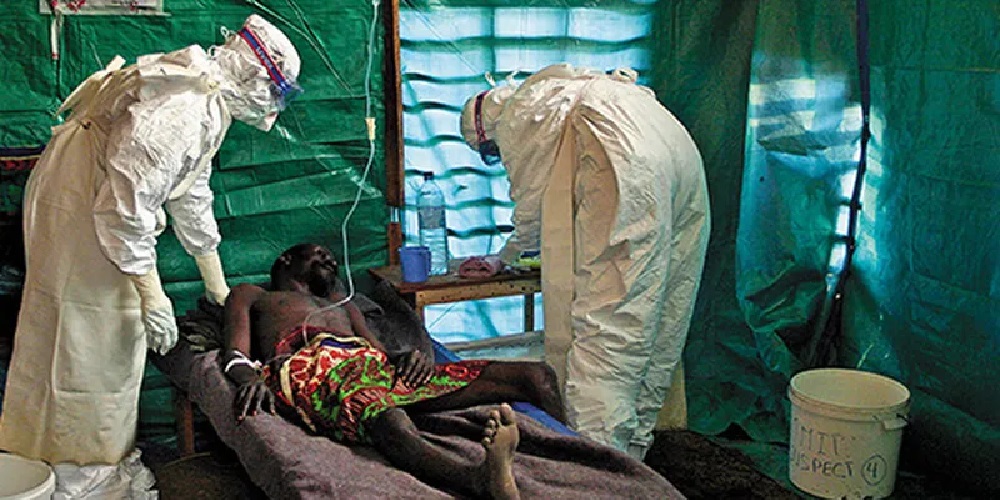
The Nigeria Centre for Disease Control and Prevention (NCDC) has classified the risk of importation of the Bundibugyo strain of the Ebola Virus Disease (EVD) into Nigeria as high, citing ongoing transmission in parts of East Africa, increased international travel, population movement, and porous borders.


The assessment was disclosed by the Director-General of the NCDC, Dr Jide Idris, during a media briefing in Lagos on the country’s level of preparedness following reported Ebola outbreaks in the Democratic Republic of Congo and Uganda.

Dr Idris said the agency’s position is based on a dynamic risk assessment conducted in response to the evolving regional public health situation.

According to him, the possibility of delayed detection remains a concern because the symptoms of Ebola often resemble those of other endemic diseases such as malaria and Lassa fever.

Advertisement

He noted that while Nigeria has not recorded any confirmed case of the disease, the NCDC is intensifying surveillance and preparedness measures to prevent the importation and spread of the virus.

The NCDC boss outlined several response pillars already activated by the agency, including enhanced surveillance at points of entry, laboratory readiness, risk communication, case management preparedness, and coordination with relevant stakeholders across the health sector.

Dr Idris urged state governments to activate their preparedness mechanisms and ensure that emergency response structures are fully operational.

He also called on healthcare workers and other frontline personnel across the country to maintain a high index of suspicion when attending to patients presenting symptoms that may be consistent with Ebola infection.

Advertisement

”Since confirmation of the outbreak in the region, NCDC has intensified the preparedness activities nationwide to ensure that Nigeria remains ready to rapidly detect, investigate, contain, and respond to any potential outbreak of disease.”

”Some of the things we’ve done so far are the completion of a national dynamic risk assessment and vulnerability analysis to guide the pregnancy,” he said.
He emphasised the importance of early detection and prompt reporting of suspected cases, stressing that vigilance at all levels of the healthcare system remains critical to preventing a potential outbreak.
The NCDC reaffirmed its commitment to working closely with state governments, healthcare institutions, and international partners to strengthen Nigeria’s preparedness and response capacity against emerging infectious disease threats.
Ebola, which is passed on through close contact and bodily fluids, has killed more than 15,000 people in Africa over the past 50 years.

The current outbreak — the 17th to hit the DRC — has to date seen 344 confirmed Ebola cases across three of the country’s provinces, including 60 deaths, said the WHO.
The UN health agency also tallied 116 suspected cases of the disease.
Fifteen cases, including one death, have also been reported in neighbouring Uganda, including a Congolese resident who had arrived there after first travelling to the United Arab Emirates, Tedros said.

Advertisement
Continue Reading
Advertisement

News

Just in: MFM suspends vigils nationwide over insecurity

Published

on

ADVERTISEMENT
Zoom Ad
ADVERTISEMENT
Zoom Ad

The leadership of the Mountain of Fire and Miracles Ministries (MFM) has directed all its branches and ministries across Nigeria to suspend vigils and ensure that all church programmes end by 8:00 pm until further notice, citing prevailing security challenges in the country.

The directive was contained in an internal circular dated June 5, 2026, and signed by the Director of Administration (International Headquarters and Nigeria), Temitope A. Olawale.

According to the circular, the precautionary measures were introduced to safeguard members and church workers amid growing security concerns nationwide.

The church instructed all Principal Regional Overseers, Senior Regional Overseers, Mega Regional Overseers, Zonal Pastors, Branch Pastors, and other church leaders to ensure strict compliance with the directive.

Advertisement

Under the new measures, all church services, meetings, programmes and activities at every level of the ministry are to be concluded no later than 8:00 pm.

The leadership also announced the suspension of vigils, overnight prayer meetings, and similar programmes across all branches until further notice.

However, the ministry stated that where necessary, vigils could be converted into evening prayer programmes, provided they end on or before 8:00 p.m.

MFM explained that the decision was taken solely as a precautionary measure and was not intended to disrupt worship activities but rather to protect the lives and well-being of members in light of the country’s security situation.

Advertisement

The circular further directed Mega Regional Overseers to ensure that the information is communicated to all regions, zones, branches, and relevant departments under their supervision for immediate implementation.

The directive takes immediate effect and will remain in force pending further review by the church leadership.

(Tribune News)

Advertisement
Continue Reading

News

Makinde issues executive order, restricts motorcycle operations in Oyo

Published

on

ADVERTISEMENT
Zoom Ad
ADVERTISEMENT
Zoom Ad

Oyo State Governor, Seyi Makinde, has ordered the restriction of motorcycle operation between 10:30 pm and 5:30 am to curb insecurity in the state.

The governor issued an Executive Order on the restriction, on Friday, stating that the state government would not relent until the kidnapped teachers and school children return home safely.

According to him, every day the victims remain in captivity is a painful day for their families and the entire state.

He assured Oyo residents that efforts were ongoing around the clock, stressing that the safe return of those abducted remains a tough conversation for his administration.

Advertisement

Makinde added that the victims have not been forgotten and they have not been abandoned.

“We may not be able to disclose every step being taken because of the sensitive nature of the operations involved, but I ask our people not to mistake our silence for inaction. A great deal of work is being done behind the scenes,” he said.

Source: Channels TV

Advertisement
Continue Reading

News

Xenophobia: FG Set To Repatriate Over 1,000 Nationals From South Africa As Tensions Rise

Published

on

ADVERTISEMENT
Zoom Ad
ADVERTISEMENT
Zoom Ad

The Federal government has commenced plans to repatriate more than 1,000 of its citizens from South Africa as concerns grow over rising anti-immigrant sentiments and renewed xenophobic tensions in the southern African nation.

Nigeria’s Ministry of Foreign Affairs confirmed on Friday that screening for a voluntary repatriation programme began on Thursday, with authorities expecting over 1,000 Nigerians to participate.

Foreign ministry spokesperson Kimiebi Ebienfa told AFP that the final number of those seeking to return home had not yet been determined but noted that the figure was expected to exceed 1,000.
“Total figure not out yet,” he said. “We are expecting over 1,000 persons.”

The move follows a similar action by Ghana, which recently repatriated hundreds of its nationals from South Africa amid increasing fears over protests and violence directed at foreign nationals.

Advertisement

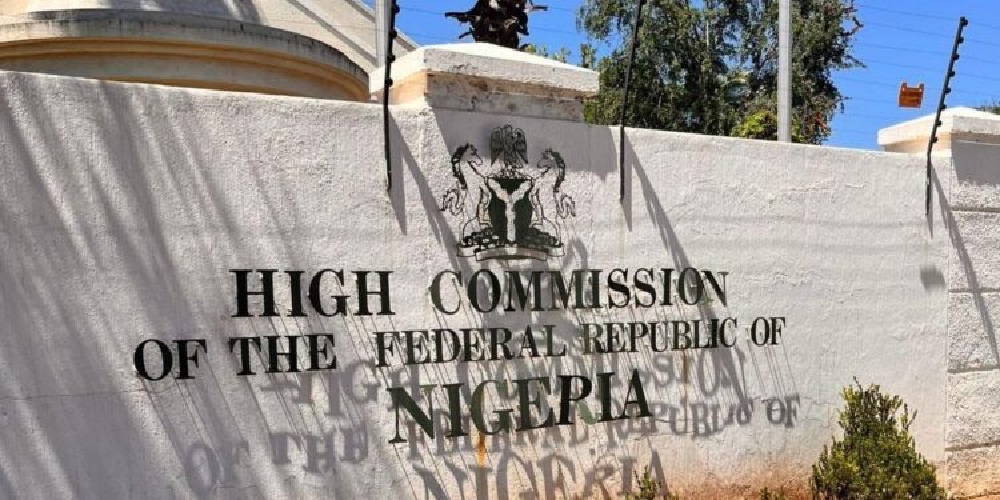
In a statement dated Tuesday, Nigeria’s High Commission in Pretoria said it had “negotiated waivers with host authorities” so that those with “immigration-related offences” would be allowed to leave on the eventual repatriation flights rather than be detained.

South Africa, until recently the continent’s most industrialised economy, has long attracted workers from across the region.

But saddled with an unemployment rate of over 30 per cent, it has seen repeated spurts of xenophobic protests — including renewed violence in recent weeks.

The latest tensions have revived uncomfortable debates across Africa about xenophobia, migration and the gap between pan-African rhetoric and realities facing migration on the continent.

Advertisement

An ultimatum by one citizen-led group for illegal migrants to be expelled by June 30 has raised fears of violence after bouts of anti-immigrant unrest in the past that claimed dozens of lives.

Last month, Ghana repatriated some 300 people, the first batch of what authorities said was expected to be a total of about 800 Ghanaian nationals.

The South African government has said it is stepping up enforcement against undocumented immigrants but urged citizens not to take matters into their own hands.

There are more than three million foreigners living in South Africa, or 5.1 per cent of the population, according to the statistics agency.

Advertisement

More than 63 per cent come from countries in the 16-member Southern African Development Community (SADC) bloc.

Continue Reading

Trending

Copyright © 2024 Naija Blitz News