By Gloria Ikibah


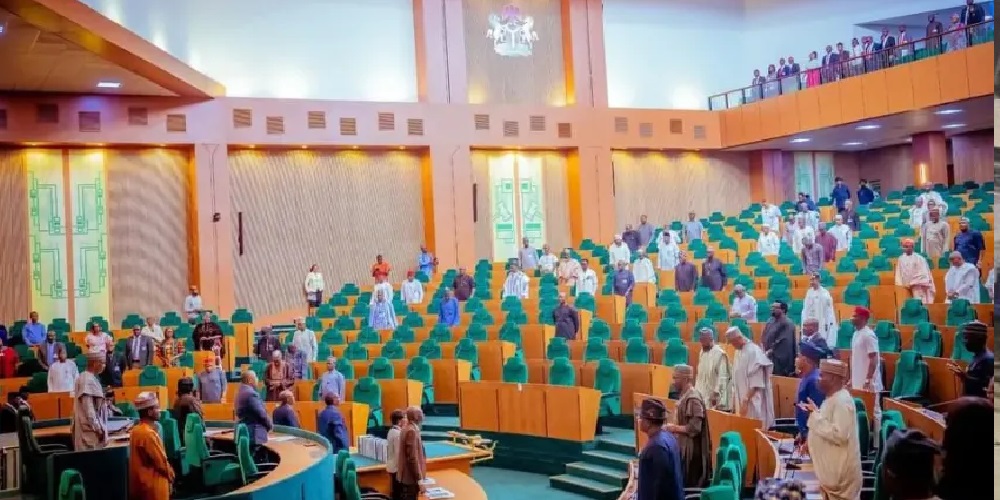
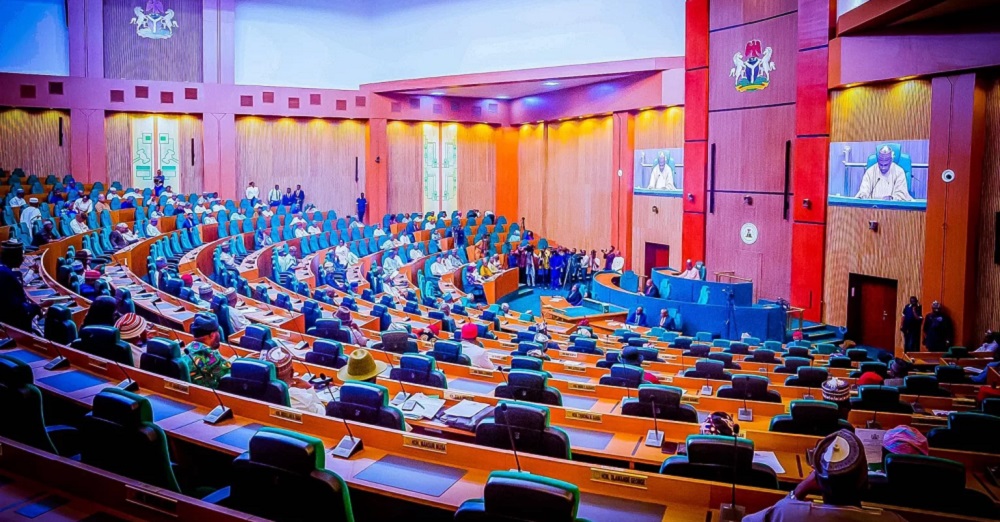
Proceedings grew animated during debate on a motion by Rep. Jimi Benson seeking a precise definition of “cognate legislative experience” in the House Standing Orders.
Presenting the motion, Benson said the aim was to strengthen institutional memory and ensure experienced leadership within the chamber. 
“The House notes that Order 7, Rule 15… states that only members with cognate legislative experience as members of the House of Representatives shall be eligible for appointment as principal officers of the House,” he said.
He added that global parliamentary best practice supported reserving principal offices for seasoned lawmakers to promote continuity and competence.
“The House resolves to define cognate legislative experience as meaning members who have completed at least one full four-year term.
“Resolves to state unequivocally that there is no other definition to the term cognate legislative experience other than as stated”, he stated.
While the motion was seconded and adopted by voice vote, some members raised concerns about its necessity.
Rising on a point of order, Rep. Bob Solomon argued: “Order 7, Rule 1, Sub-Rule 10 has already conferred on you the power to interpret the rules. You are there as an arbiter. This motion is totally redundant.
“What it means is that we are amending our rules for you to be able to exercise that power… You are in the position of a judge, an arbiter. What you say about the rules is final.”
In response, the Speaker maintained that once a question had been put and decided, it could not be revisited.
“After hitting the gavel, we cannot revisit any issue that has already been put to question,” he ruled, drawing the matter to a close.
With the day’s agenda concluded, the House adjourned after setting in motion legislative processes that could reshape price regulation, military pensions, and internal parliamentary governance.